Deep learning for a telepathology network
deepkapha.ai gave the deep learning session at a telemedicine meeting in Aurich, where pathologists from Cambodia, China and Afghanistan worked out what their network becomes next.
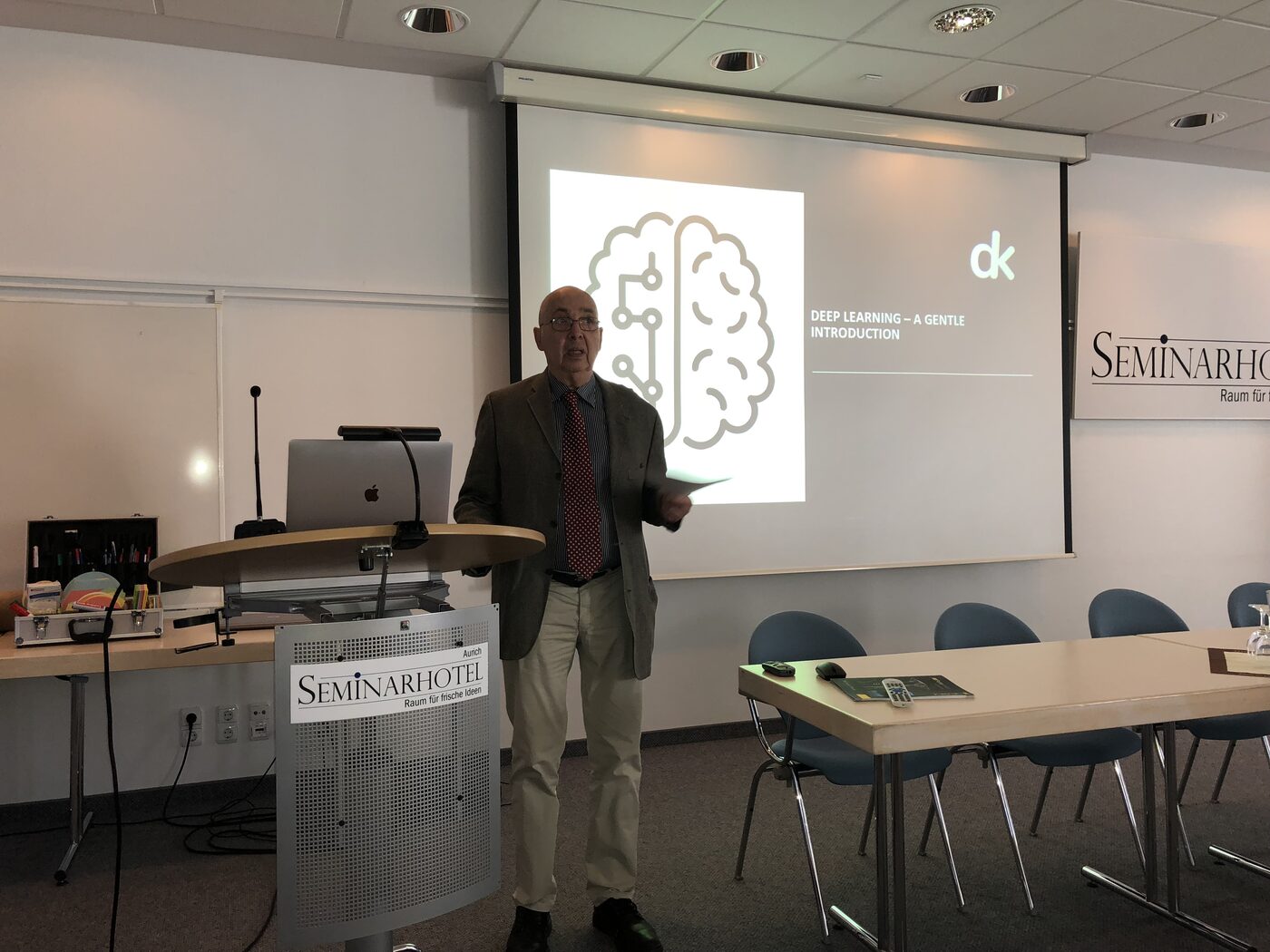
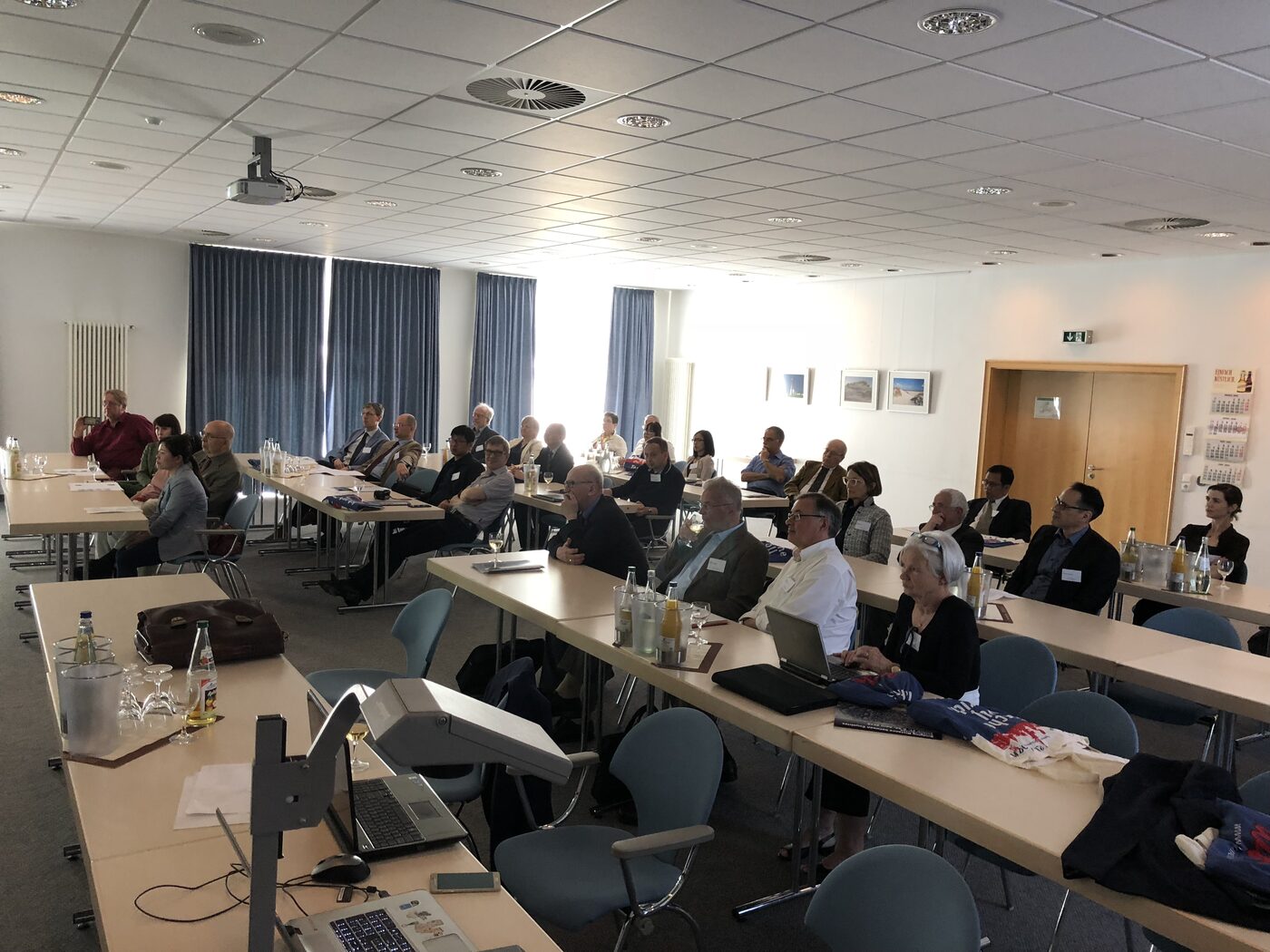
Aurich is a small town in East Frisia, in the north west corner of Germany. From 20 to 22 April 2018 the Seminarhotel on Grüner Weg hosted a meeting titled Bridging Distance between Countries: Telemedicine challenge and problems. deepkapha.ai gave the deep learning session. The title slide, still up on the screen as the room filled on the morning of the 21st, read "Deep Learning: A Gentle Introduction".
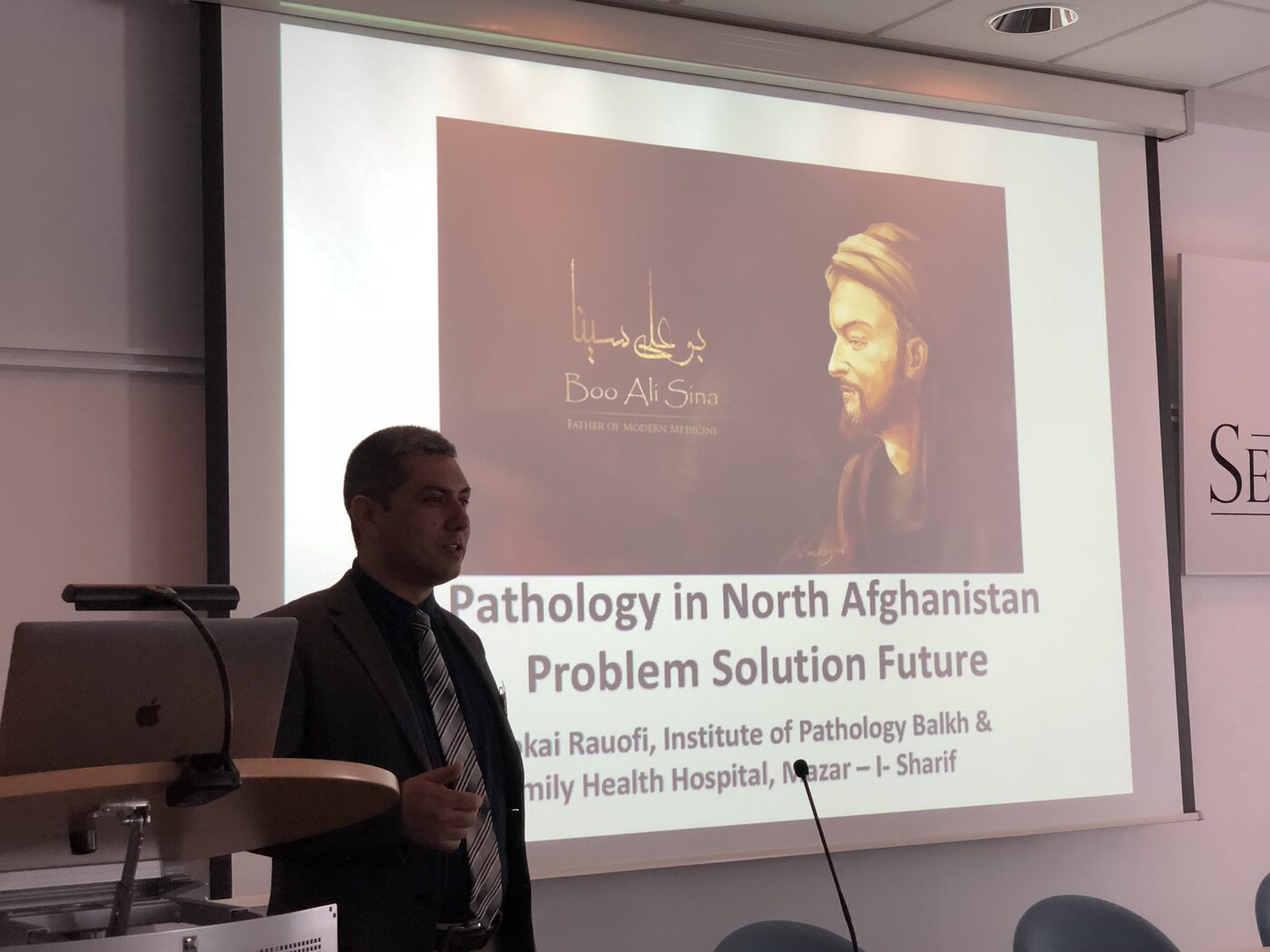
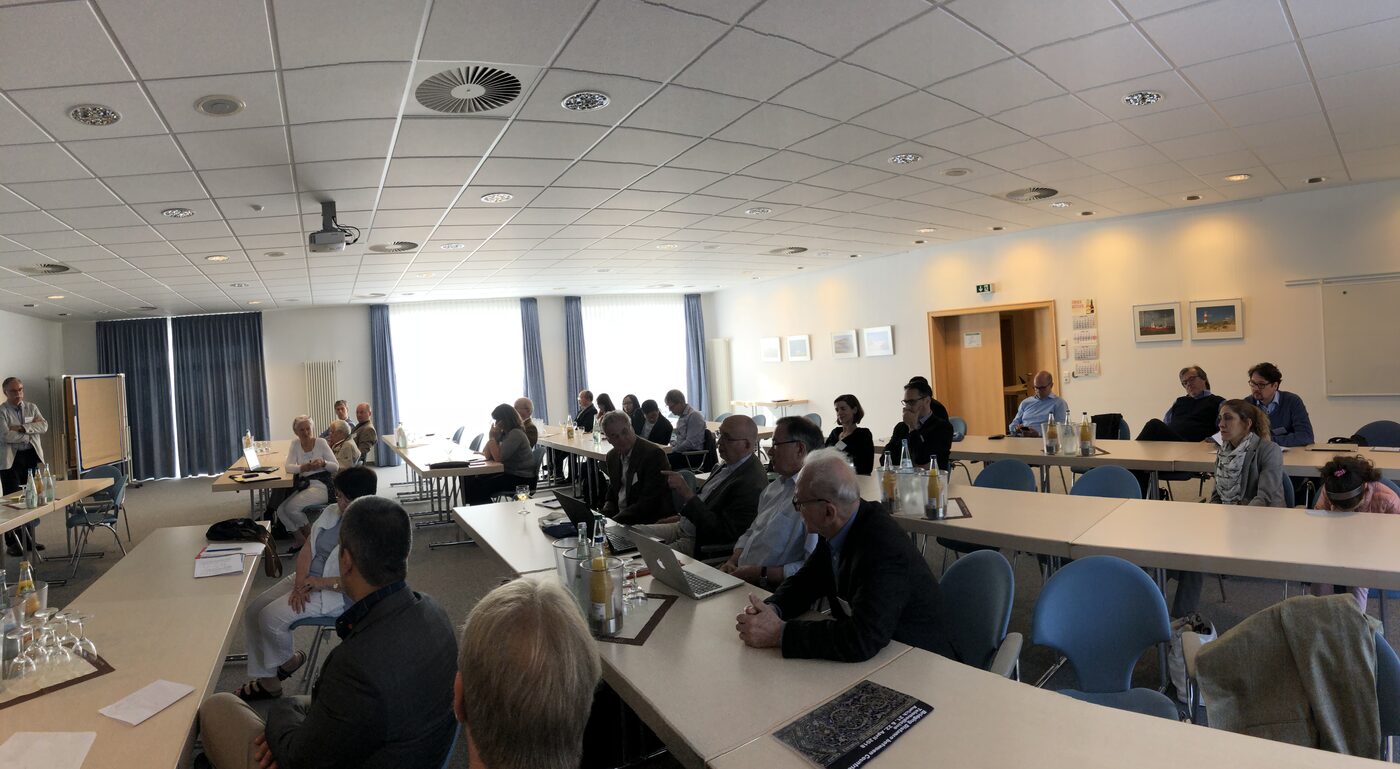
The register was set by everyone else on the programme. Chen Li presented the pathology department of the First People's Hospital of Liangshan Yi Autonomous Prefecture, a district of sixteen counties and one city in southwest China serving five million people, 52 per cent of them Yi. Dr Rauofi of the Institute of Pathology Balkh and the Family Health Hospital in Mazar-i-Sharif spoke on pathology in north Afghanistan. Vathana Serey Chhut, Gerhard Stauch and Socheat Eam covered Cambodia, between the University of Health Sciences in Phnom Penh and the Phnom Penh Institute of Pathology. Roughly thirty delegates sat at tables arranged around three sides of the room.
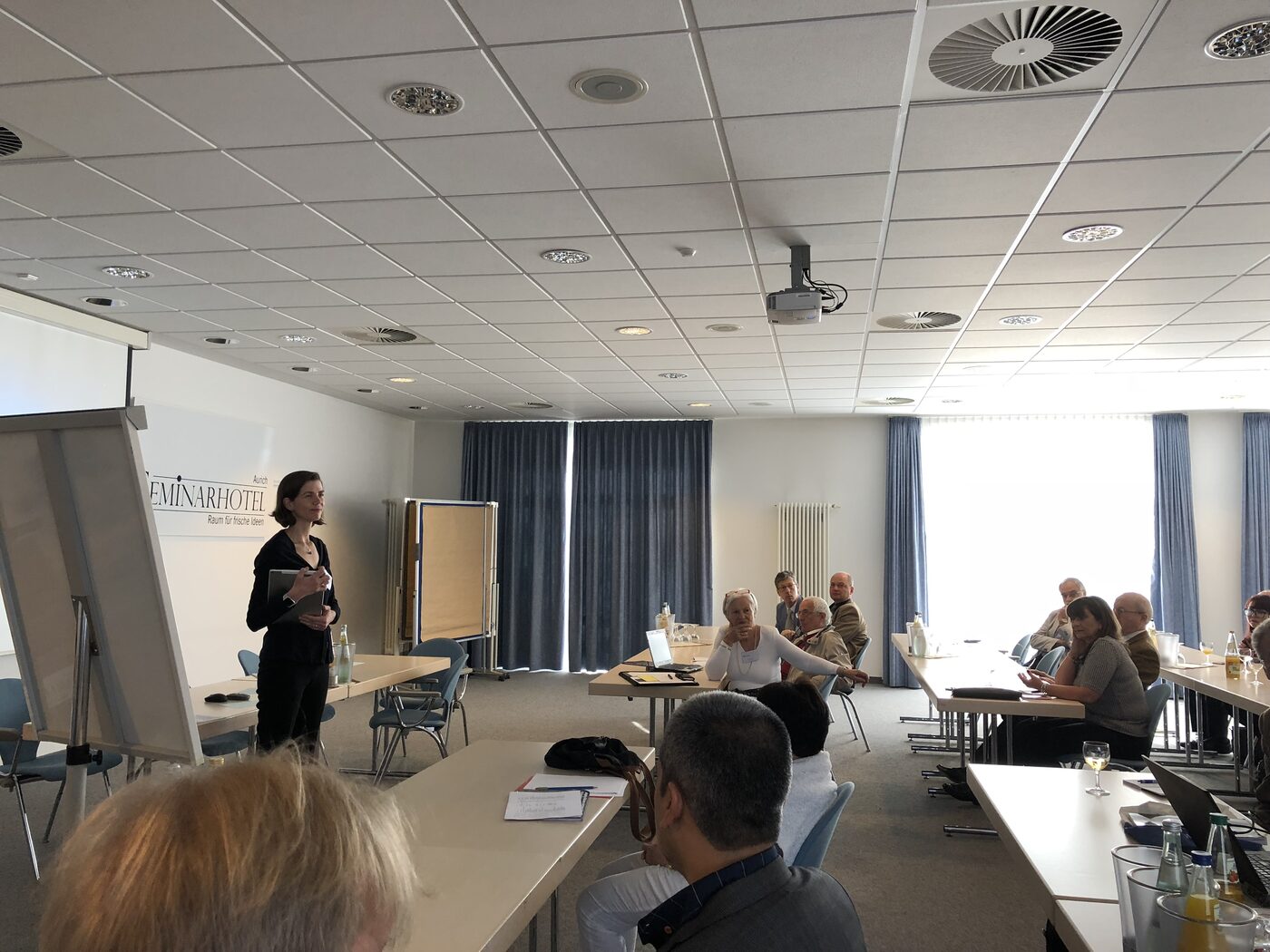
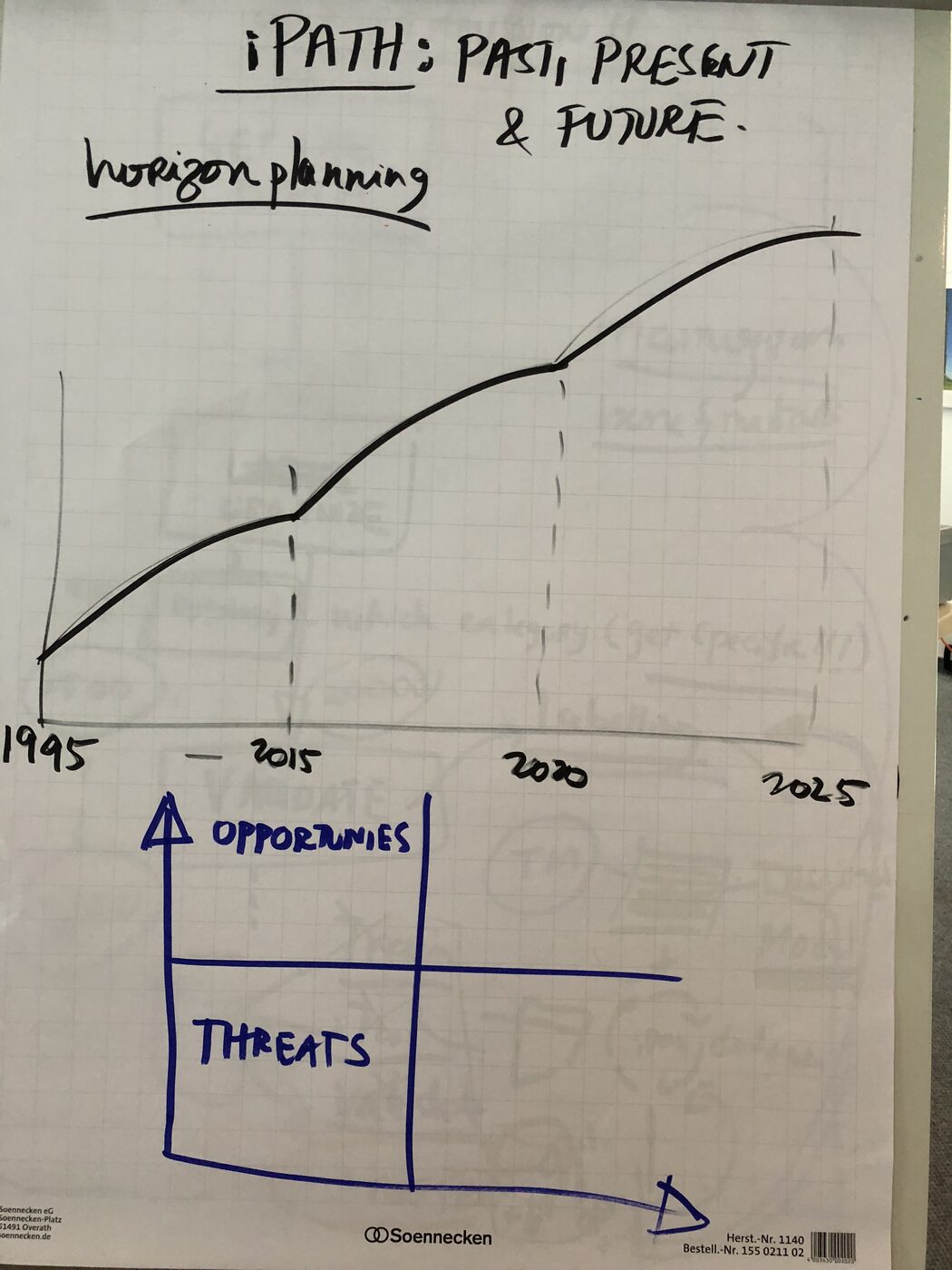
Then the meeting turned on itself. A flipchart from the working session is headed iPATH: Past, Present and Future, subtitled horizon planning. A curve runs from 1995 through 2015, 2020 and 2025. An opportunities and threats grid is drawn beside it in blue. A telepathology network built in the 1990s was asking, on paper and in front of everyone, what it should become.
That is why a gentle introduction was the right talk to give. Nobody in the room needed persuading about remote diagnosis. They had been sending images across borders for twenty years, to places where there is no pathologist at the other end. What they needed was a plain account of what a convolutional network can and cannot read off a slide, and where the labelled training data would have to come from. Deep learning entered that conversation as one option under consideration rather than a conclusion, which is where it belonged in April 2018.