University of Texas, Dallas
A four-day programme at UT Dallas, the first deep-learning workshop the lab ever delivered.
deepkapha.ai and the University of Texas, Dallas collaborated to deliver the lab's first ever deep learning workshop. The four-day programme consisted of a keynote, a personal session with high-schoolers interested in deep learning, and a two-day workshop.
Undergraduates, postgraduates and professors from UTD and nearby Texas universities joined, alongside entrepreneurs and business professionals keen to understand AI's impact on their industries. Certificates of participation were handed out.
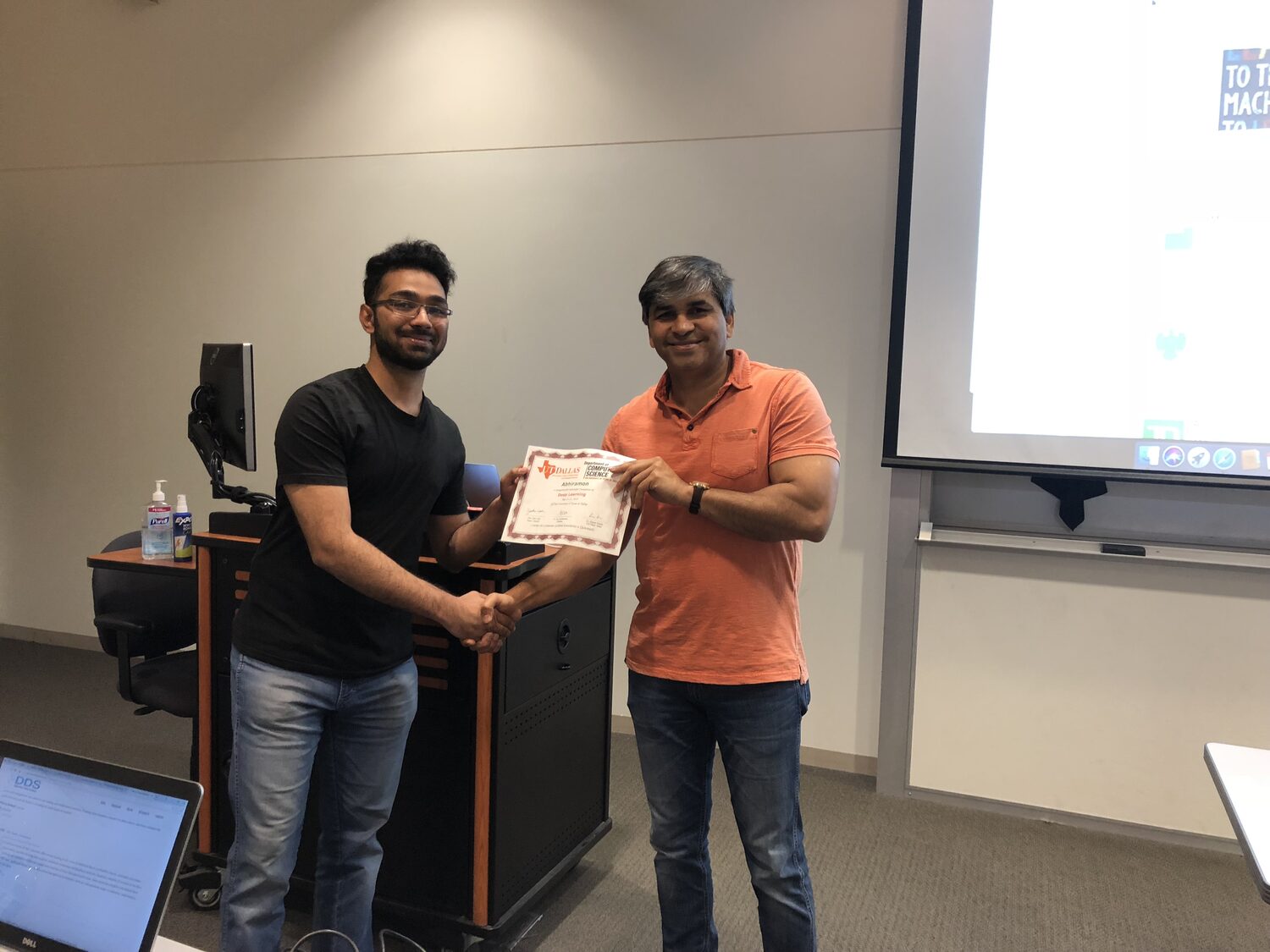
The certificates settle the dates. Each one reads Deep Learning, May 21-22, 2018, at The University of Texas at Dallas, and carries three signatures: Prof. John Cole as Associate Director, Dr. Jey Veerasamy as Director, and Dr. Gopal Gupta as CS Dept. Head. The footer names the Center for Computer Science Education and Outreach. The university mark on the sheet is the Erik Jonsson School of Engineering and Computer Science.
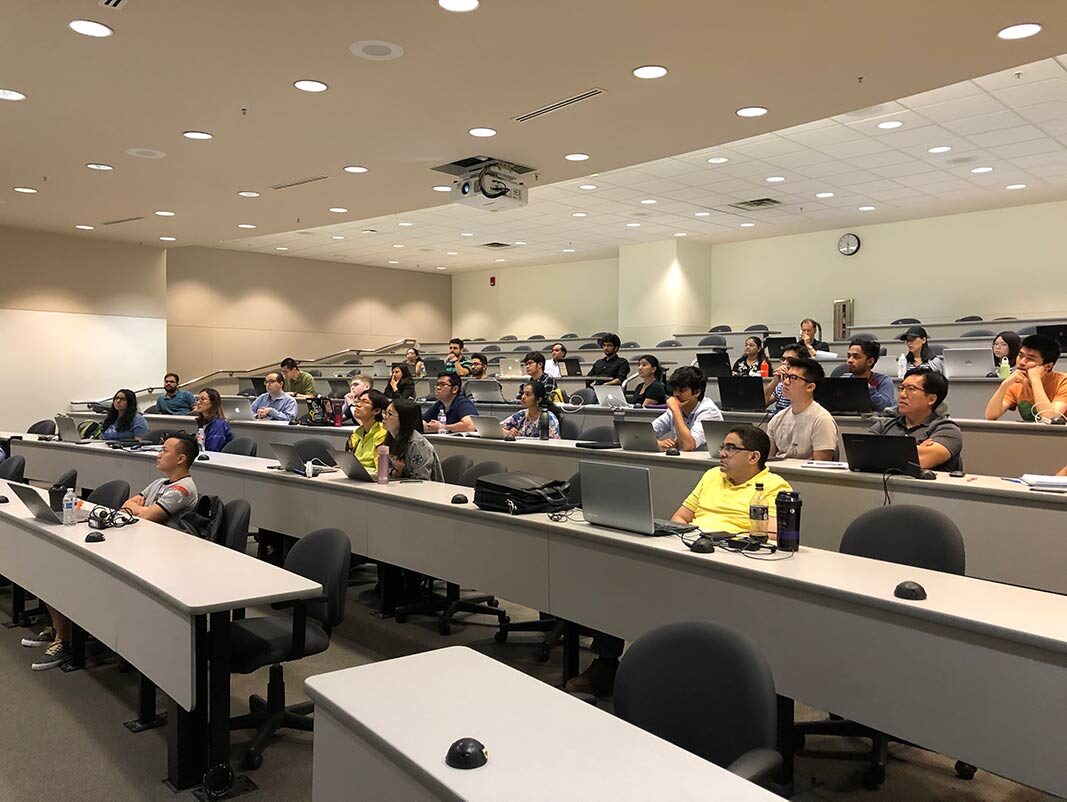
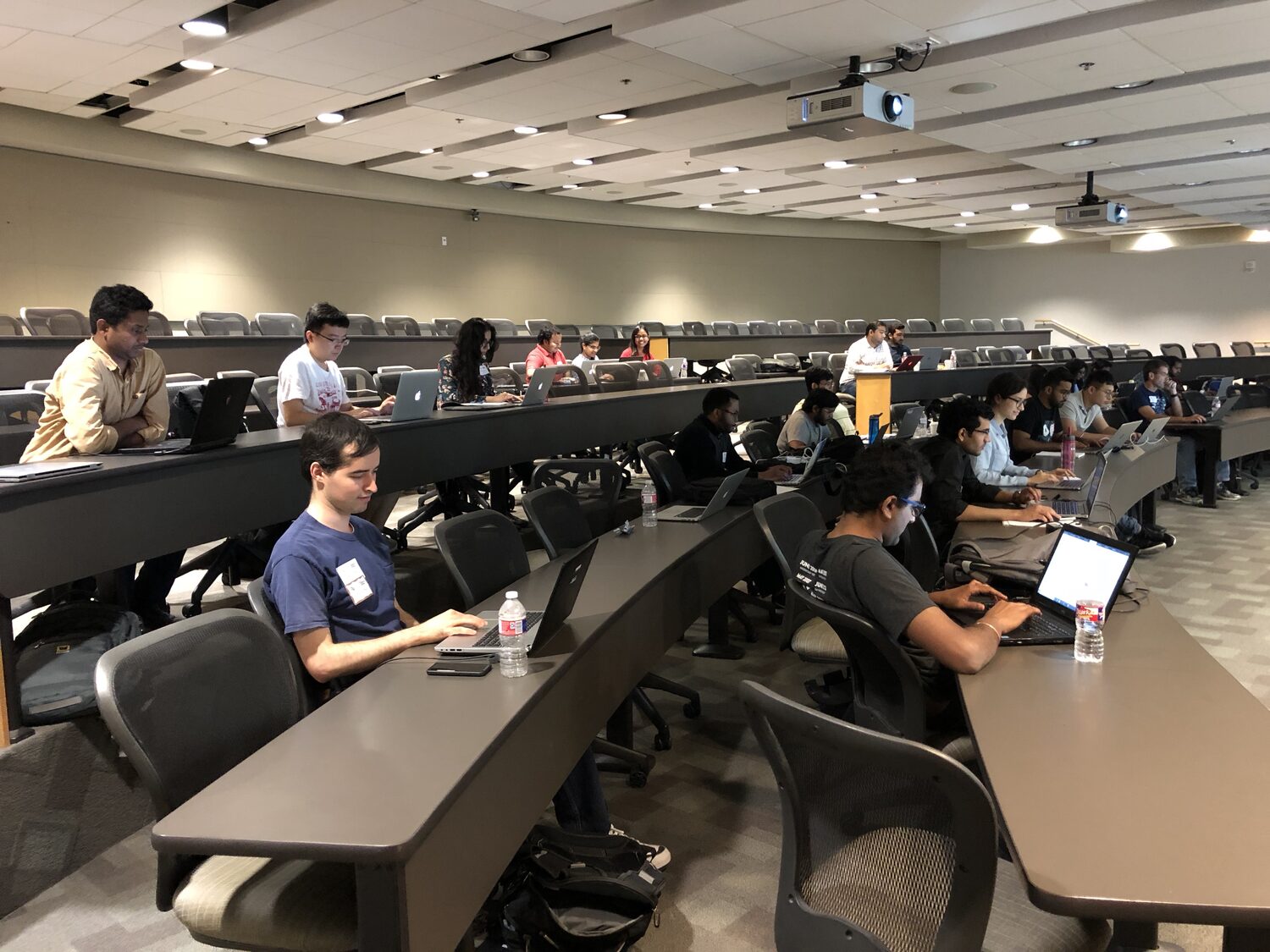
The trip ran wider than the course. It began with an aircraft at the gate at Schiphol at 11:27 on 18 May 2018. By that evening it had reached the UT Dallas campus, and a wood-panelled room where another speaker worked through slides to a dozen or so people with plates and coffee cups on the desks. On Saturday 19 May the room changed: a much larger tiered hall with twin screens, most of the seats taken, delegates along the curved desks with laptops open.
Day one is Python data visualisation: matplotlib concepts and exercises, seaborn distribution, categorical and matrix plots, pandas built-in plotting, plotly with cufflinks, and choropleth maps built on 2014 world GDP and 2011 US agricultural export data. Day two moves to neural networks. The deck is headed Track 3, Convolutional Neural Networks in TensorFlow, Keras and PyTorch, and the running order is a review, MNIST solved with a plain network, then MNIST solved again with a convolutional one.
The rest of day two is time series and transfer learning on real files rather than toy ones. The data sets were TSLA closing prices, minute-level bitcoin ticks from four exchanges running to January 2018, household power consumption, and hourly electrical load for August to October 2017. Alongside them ran a worked skin cancer image classification on InceptionV3.
The handovers took six minutes, from 12:14:33 to 12:20:59 on 22 May: eighteen people in the same spot next to the podium, each holding the same red-bordered sheet. The teaching room is small and flat, nothing like the tiered hall of the Saturday. Three hours later the trip was at the airport.
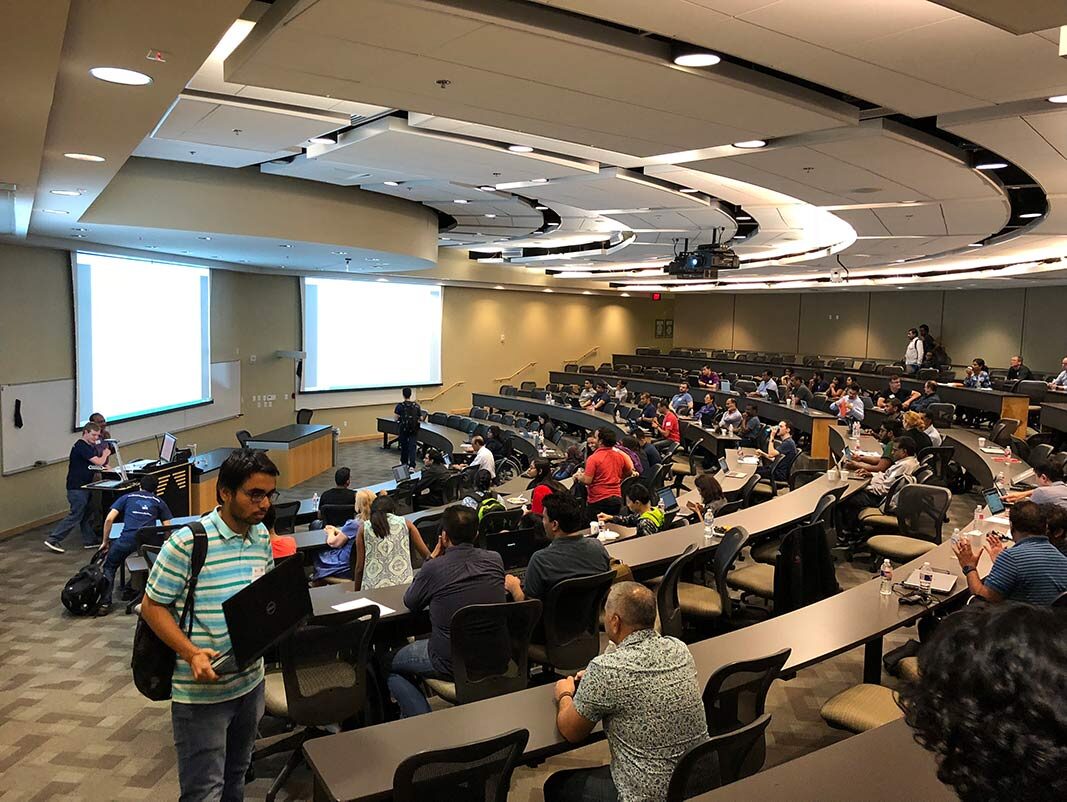
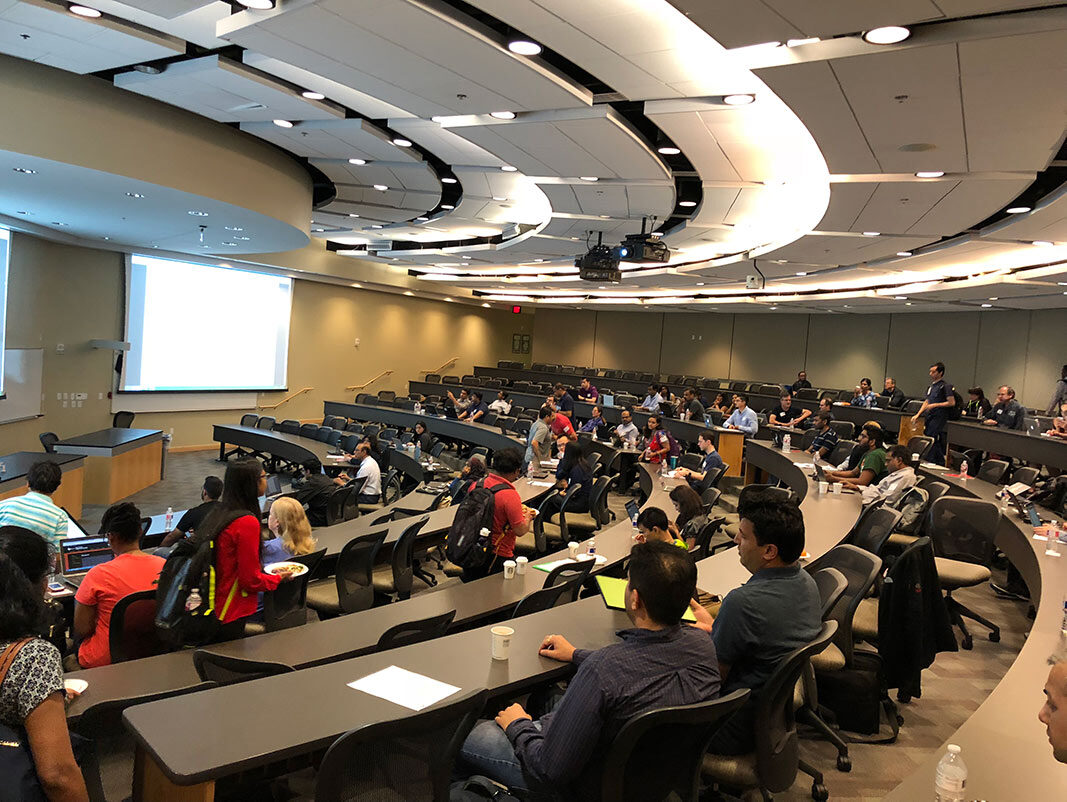
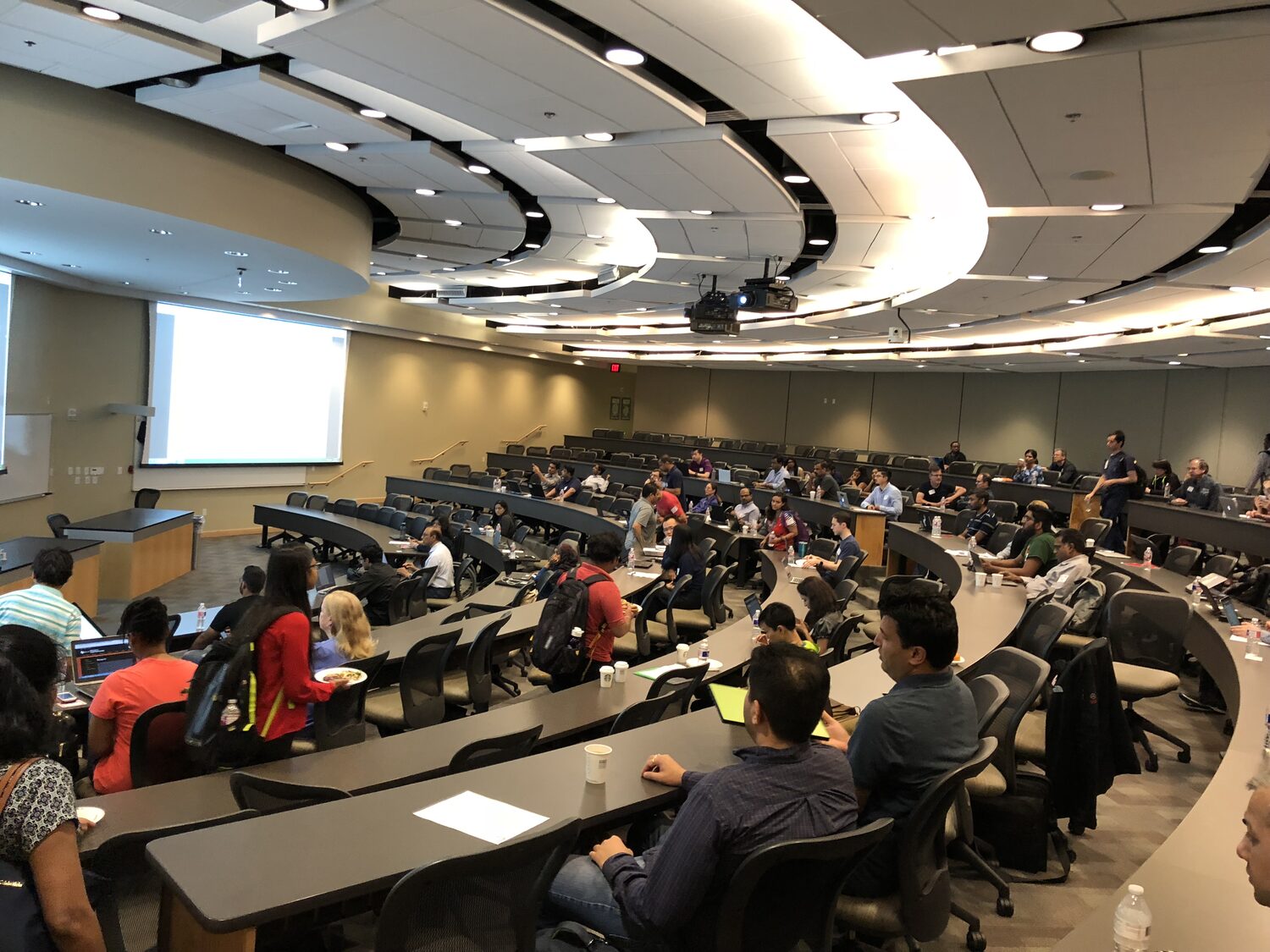
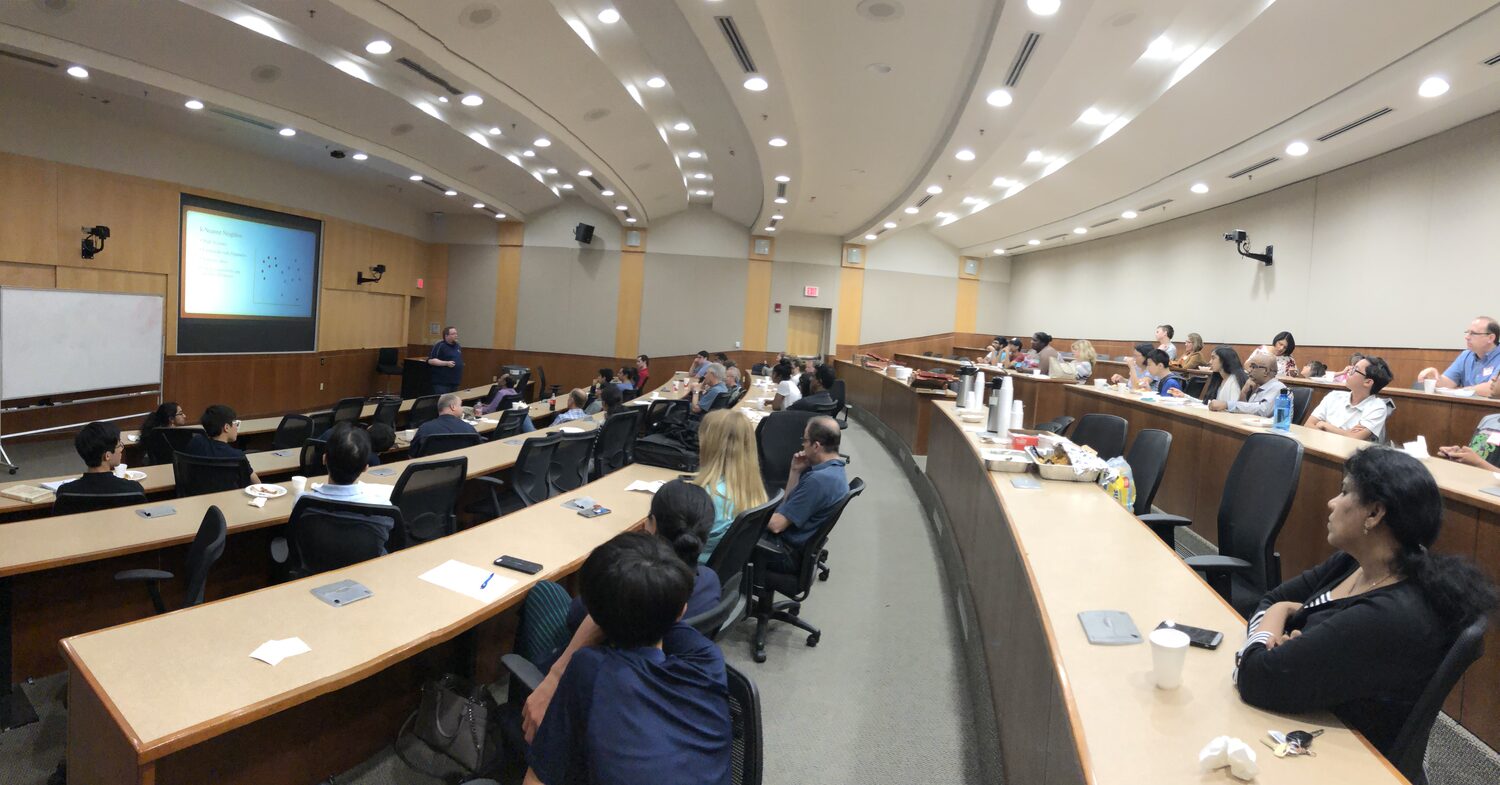
Panorama of the tiered lecture hall with delegates seated along the desks 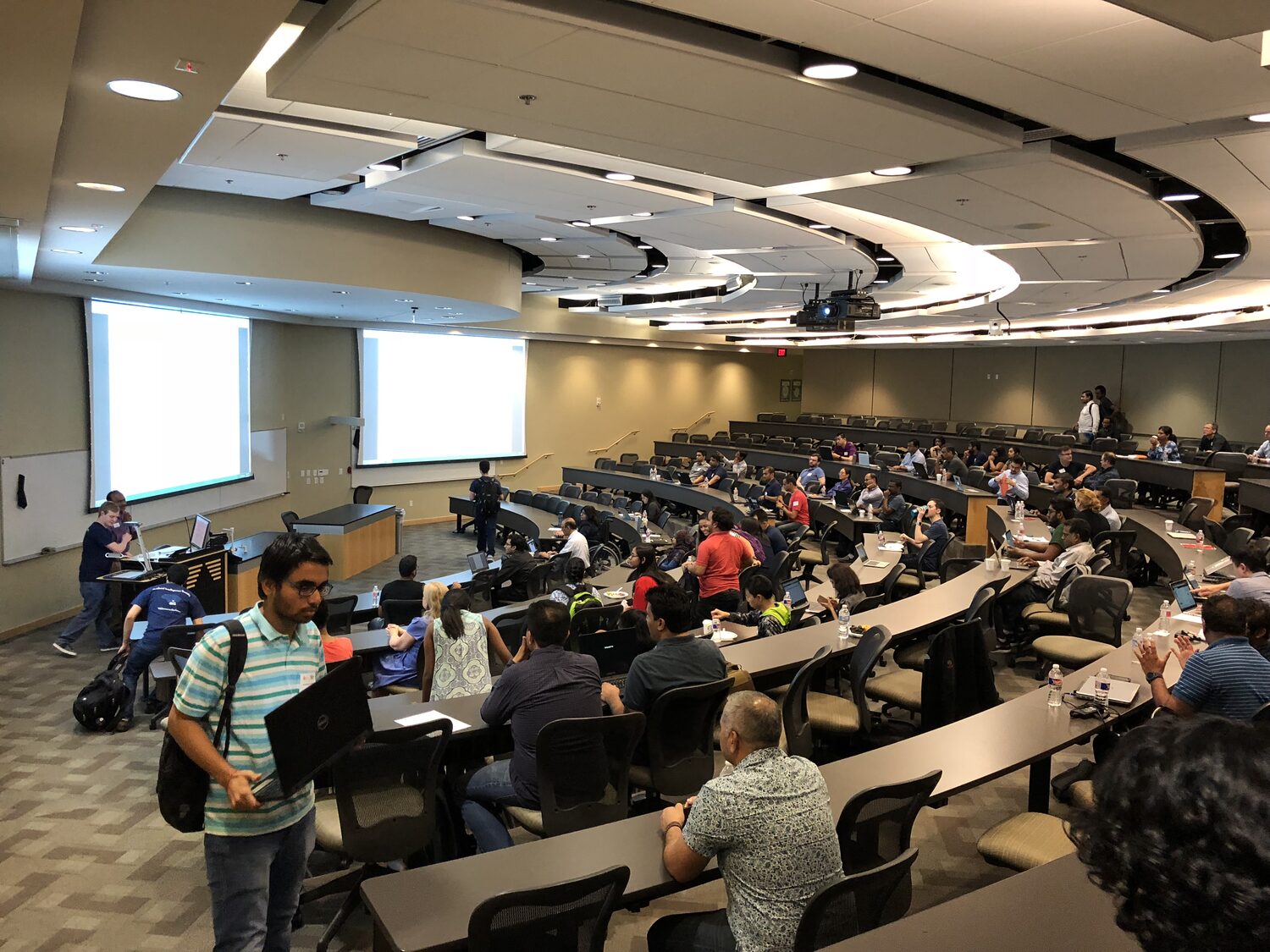
Delegates in the lecture hall between sessions, one standing with a backpack 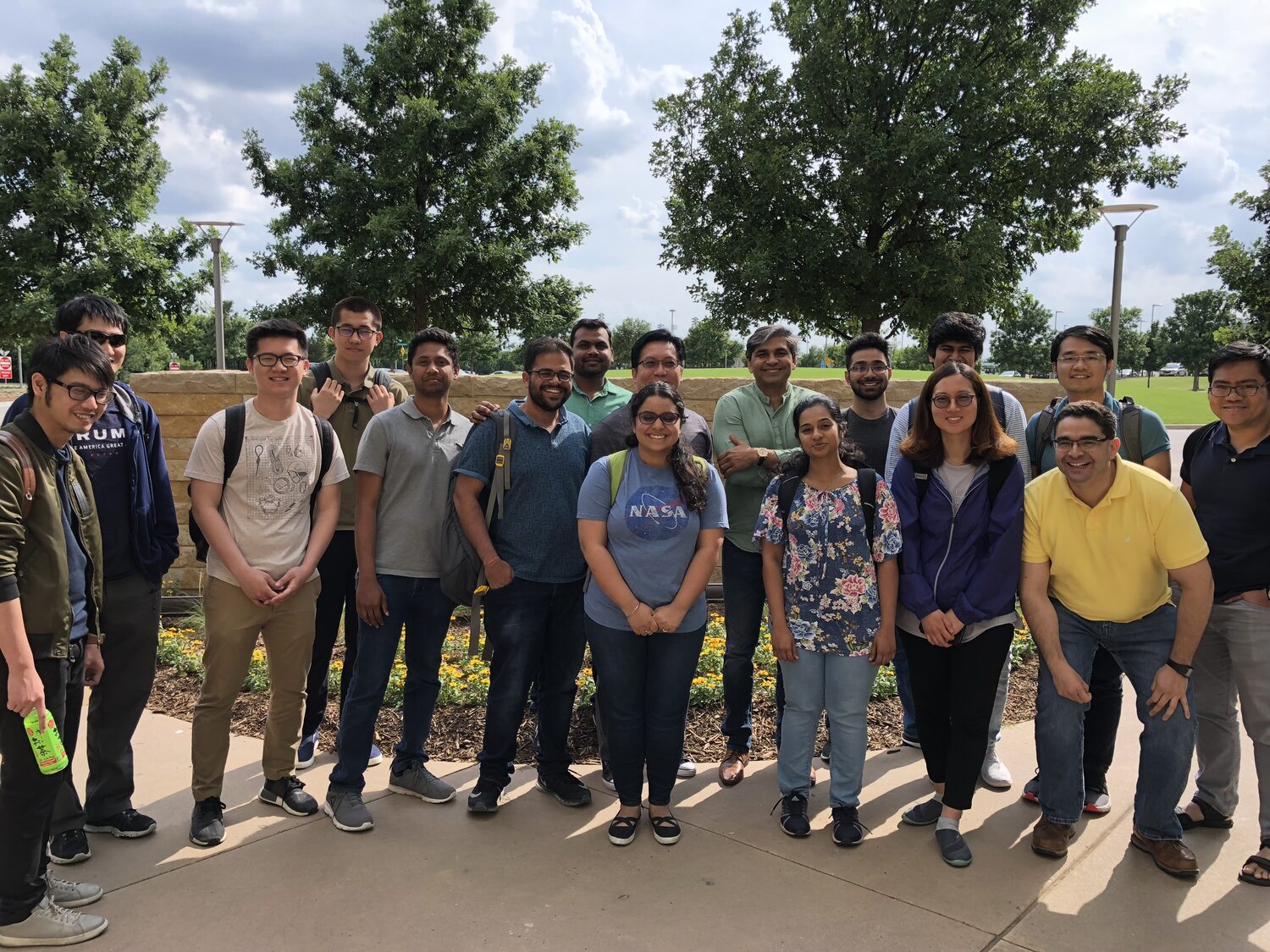
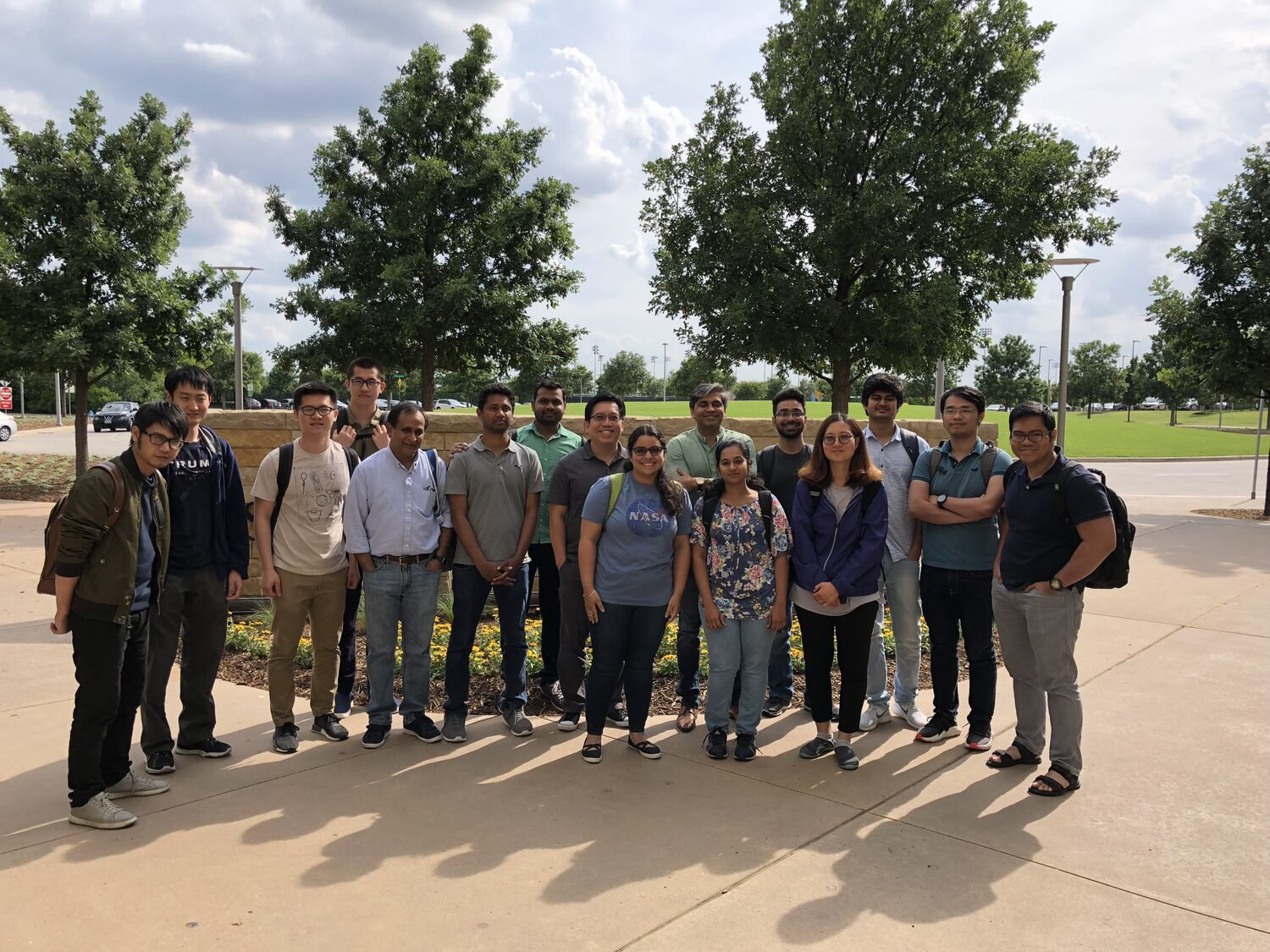
Second group photograph of the cohort outdoors on the UT Dallas campus 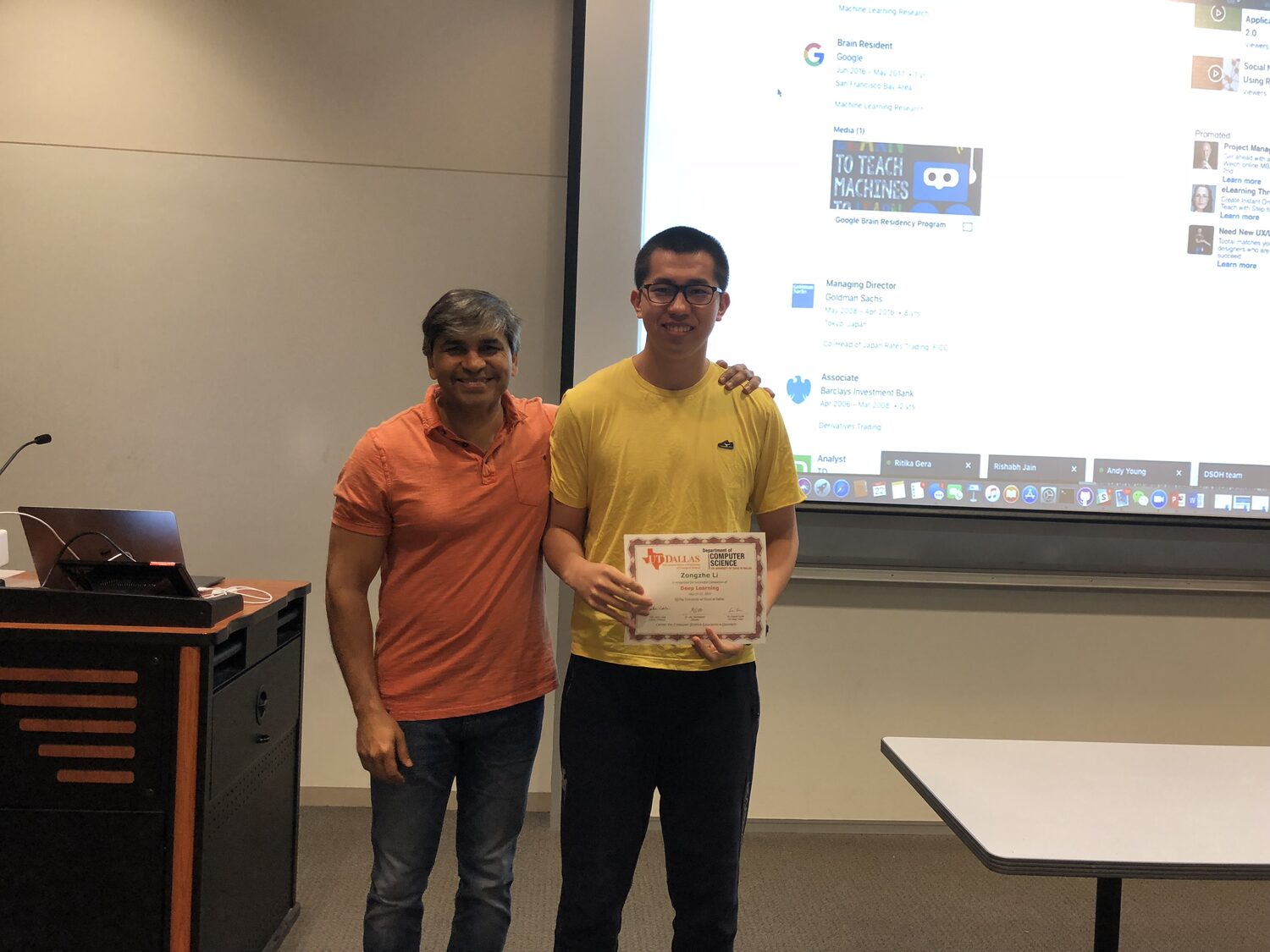
A delegate holds the Deep Learning certificate at the front of the teaching room 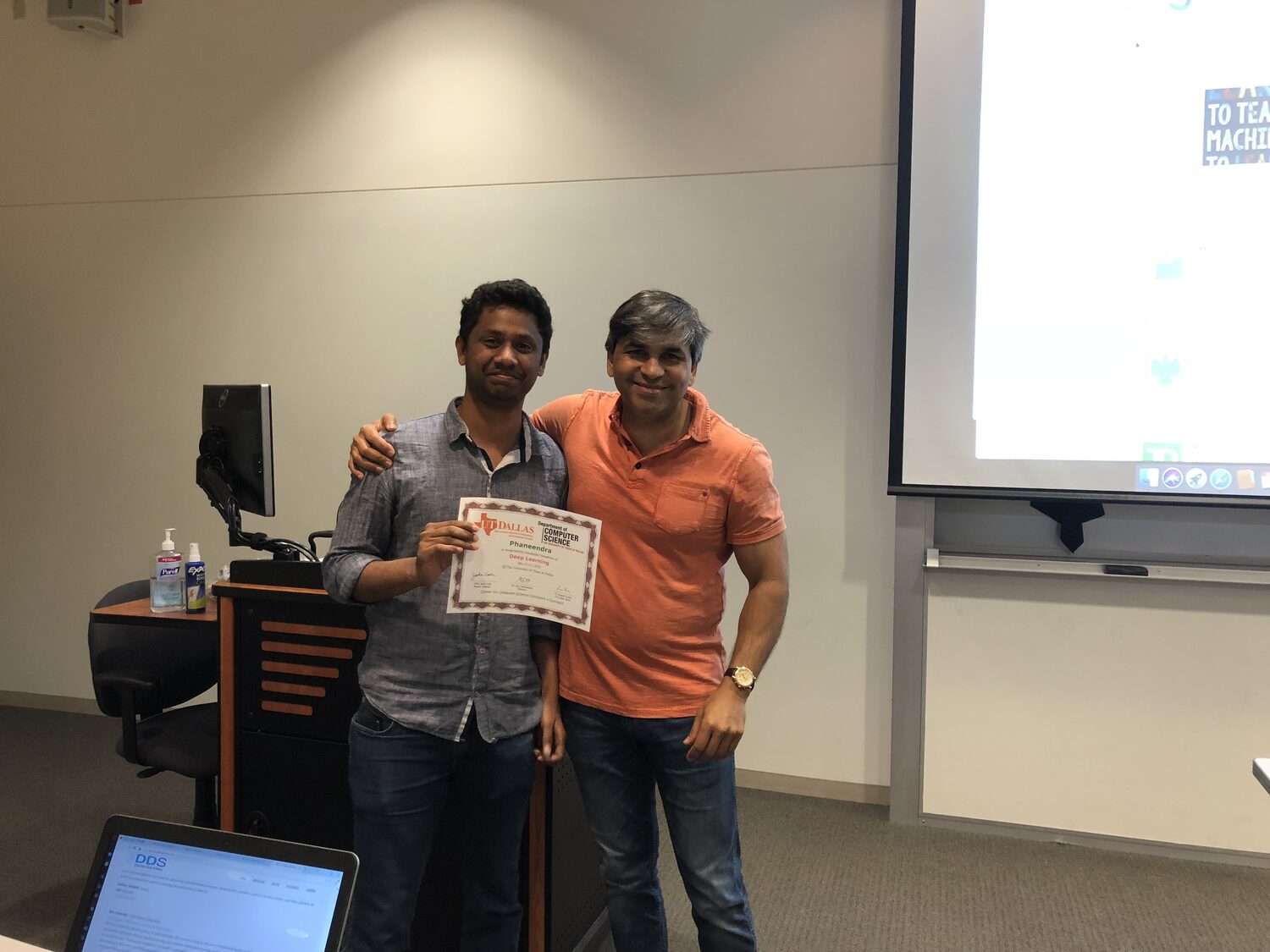
Certificate handover at the podium, screen still lit behind 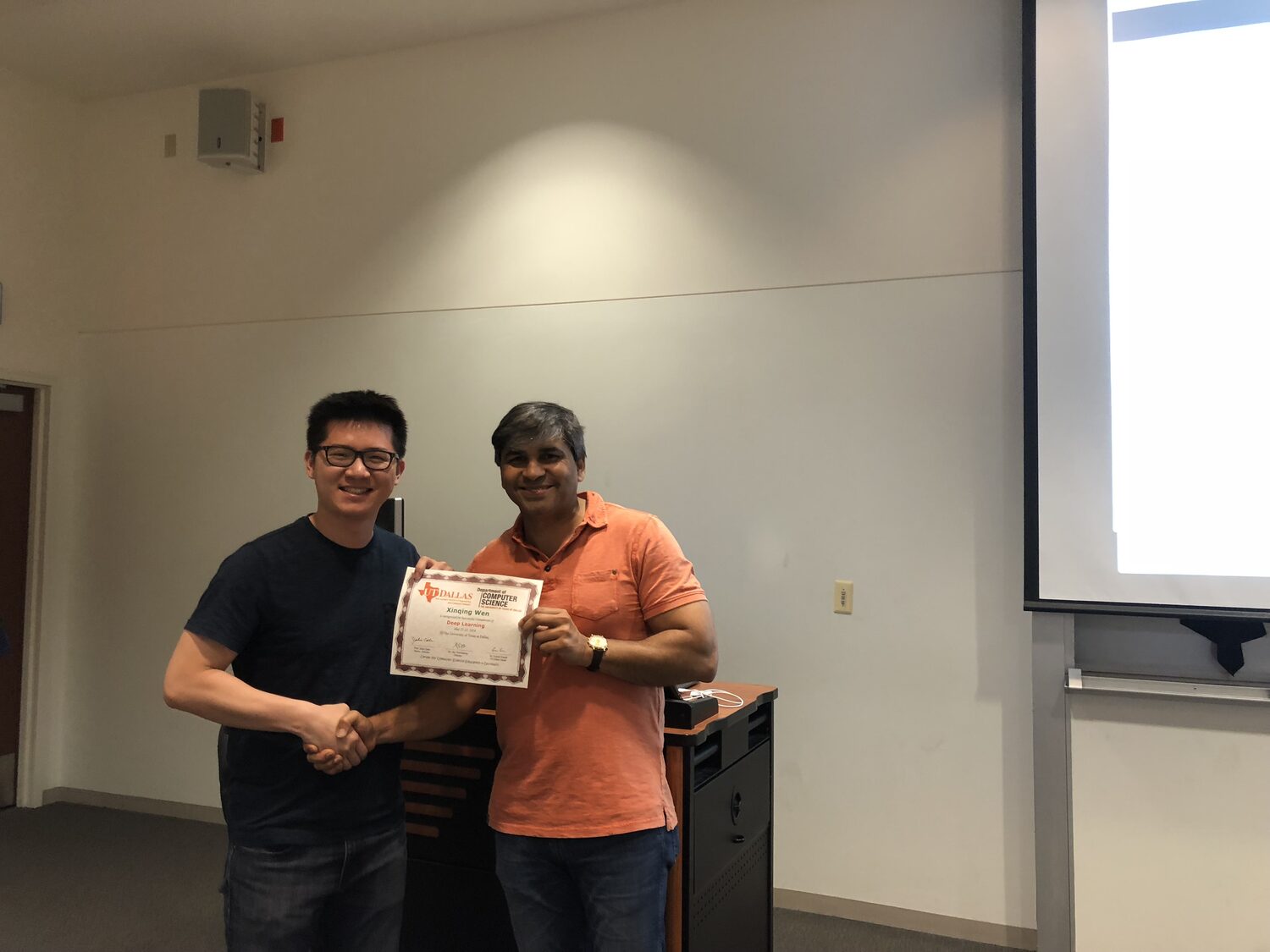
A delegate with the Deep Learning certificate beside the lectern 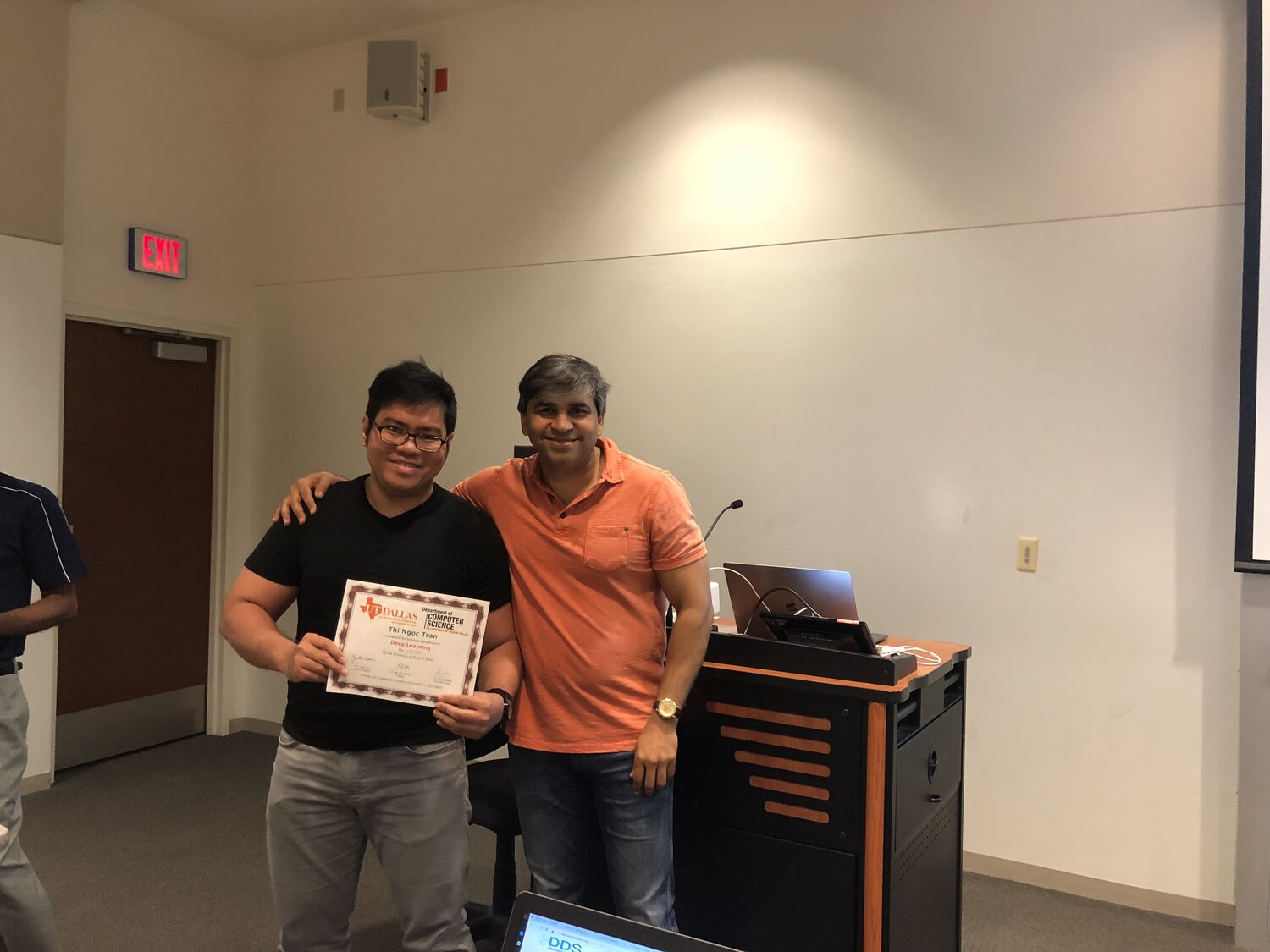
Certificate handover in front of the classroom whiteboard 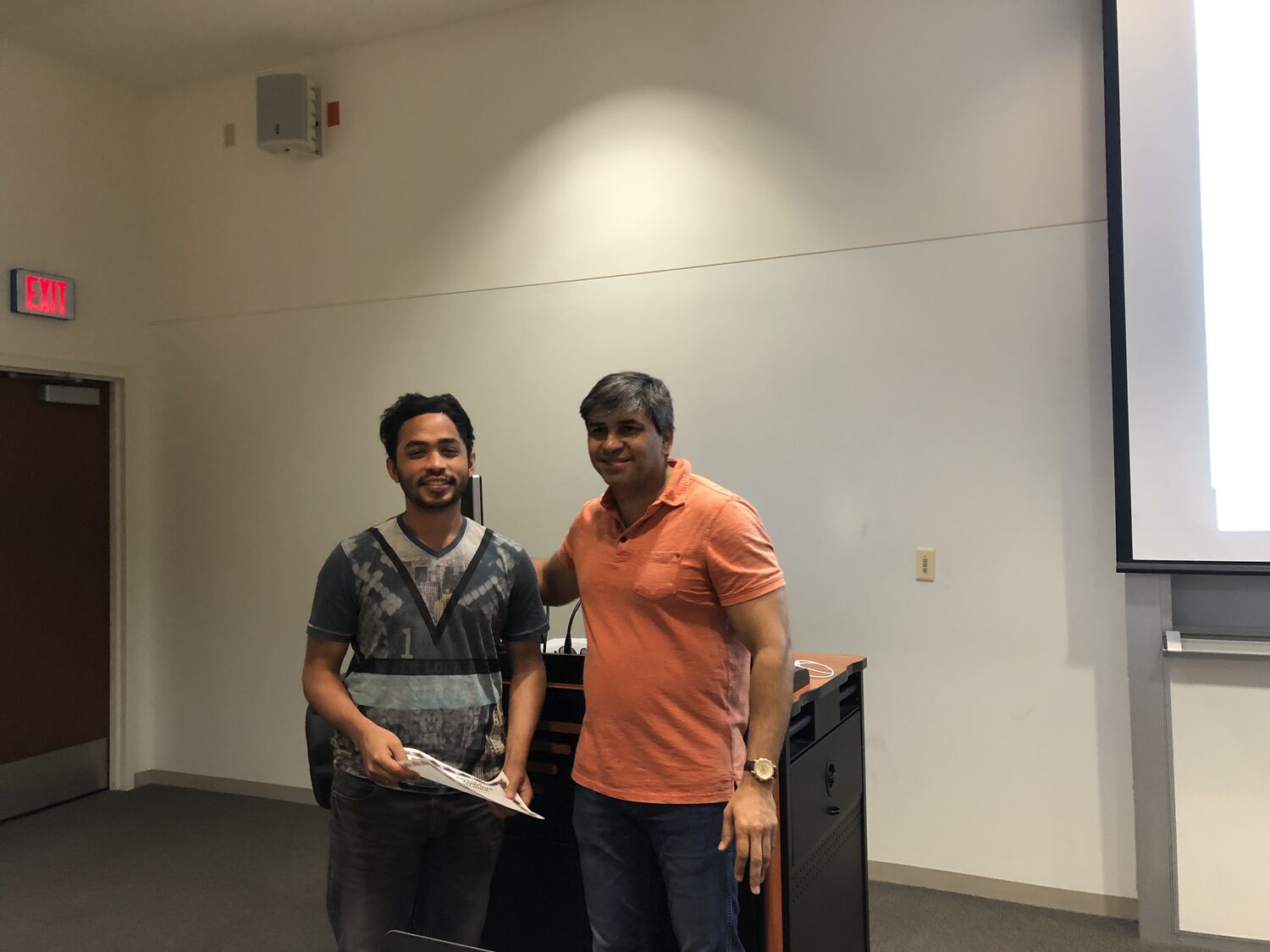
A delegate holds up the certificate next to the teaching podium 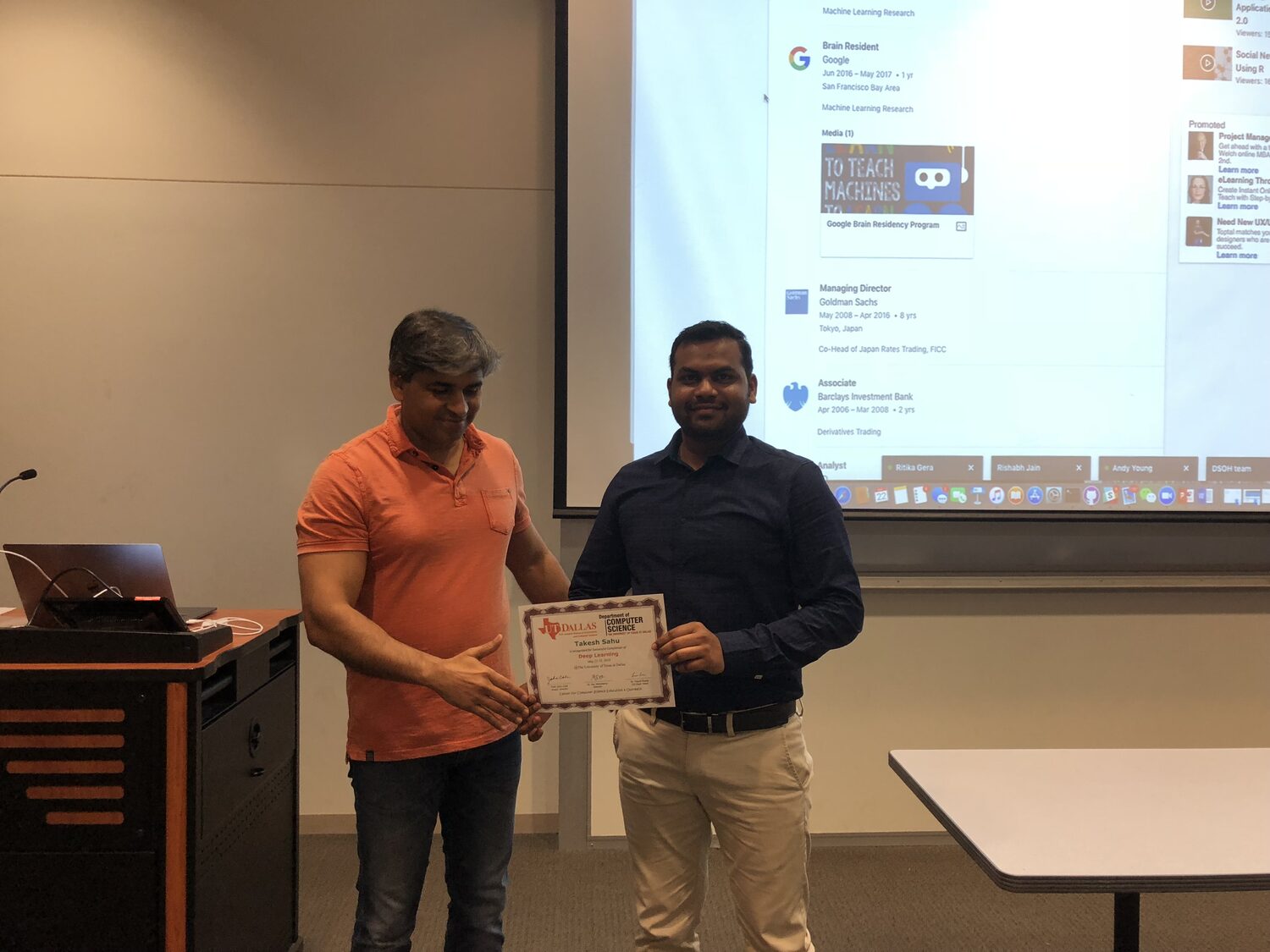
Certificate handover at the front of the UT Dallas classroom 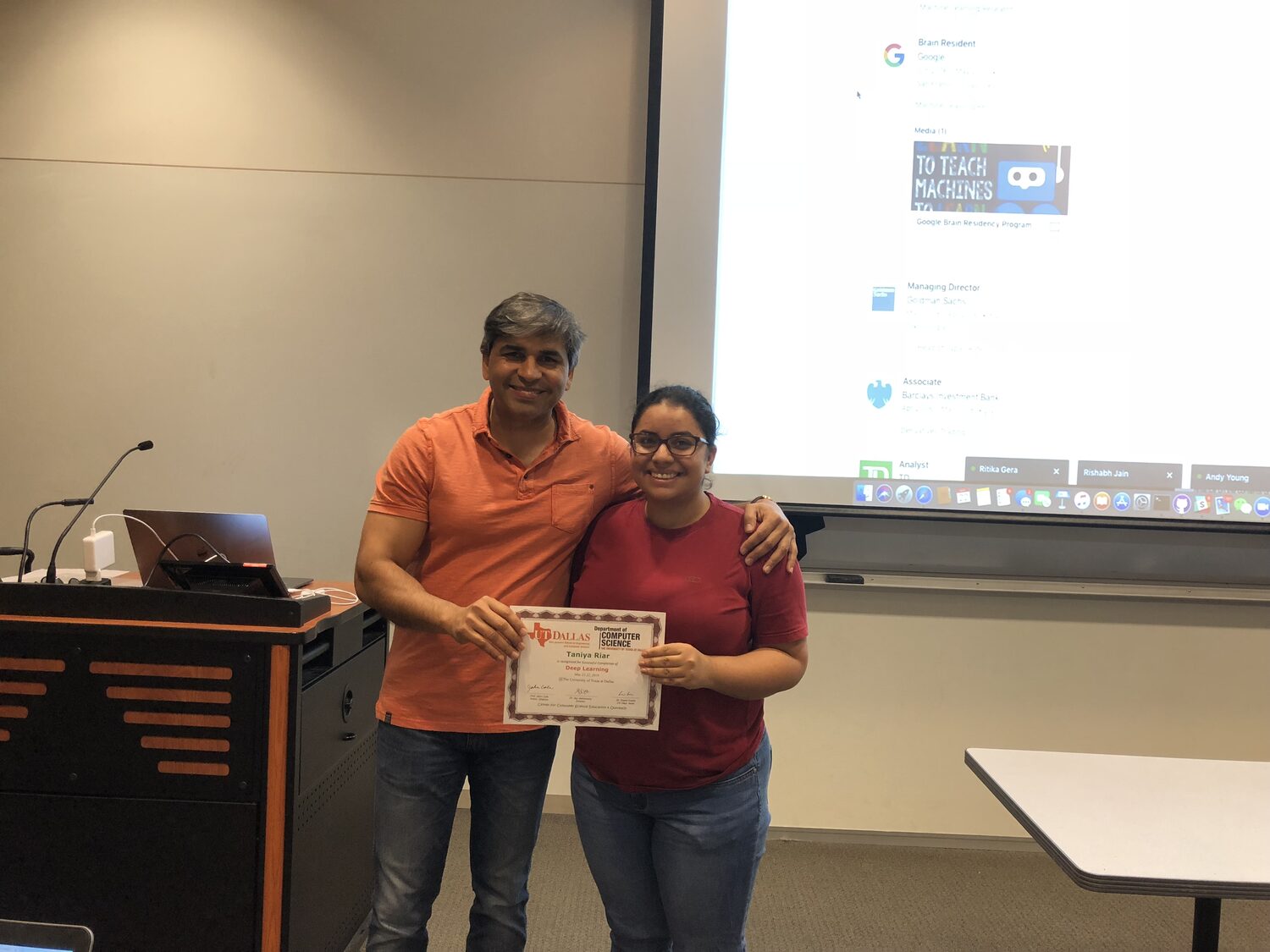
A delegate receives the Deep Learning certificate beside the podium 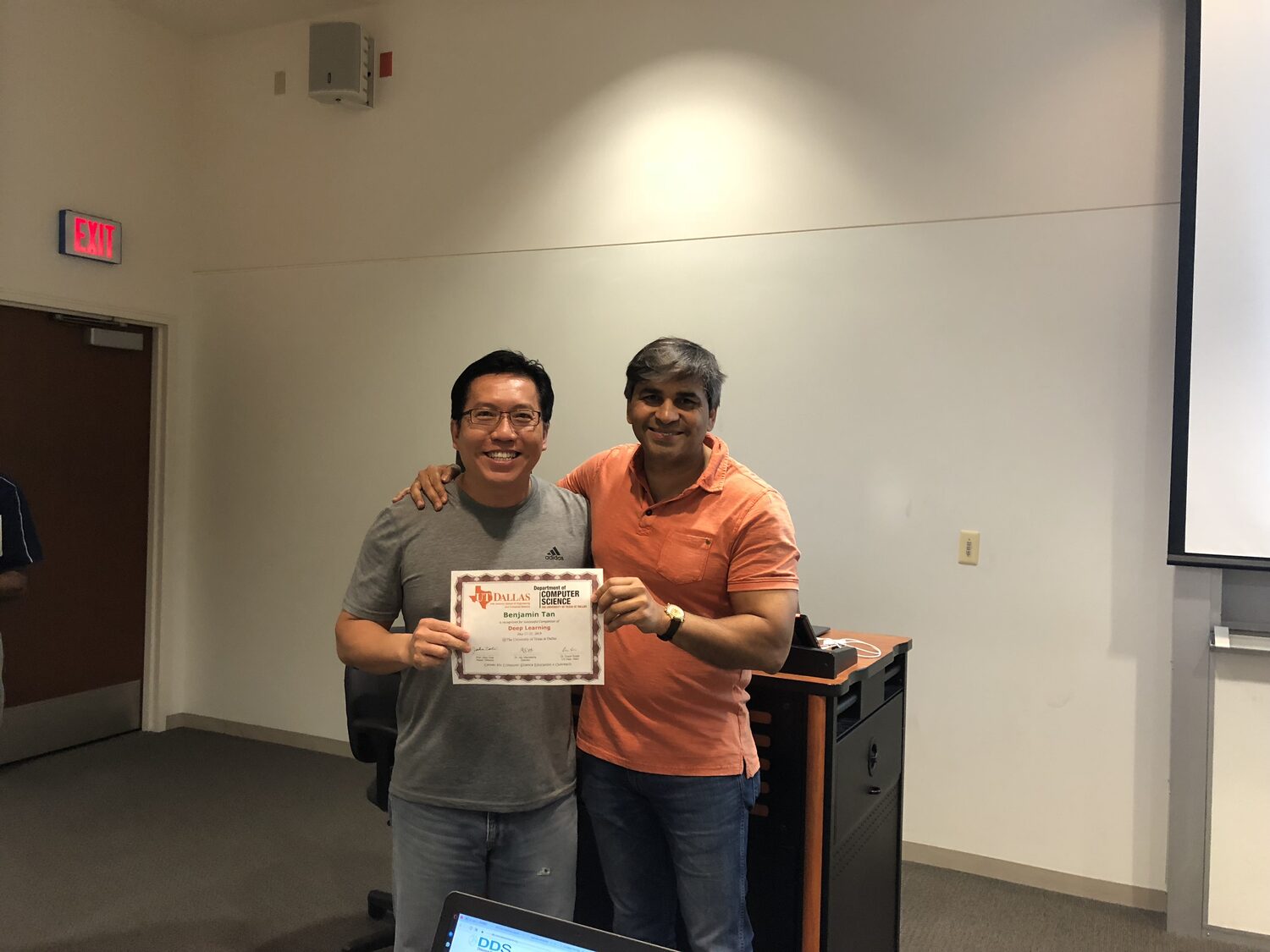
Certificate handover in the teaching room, projector screen behind 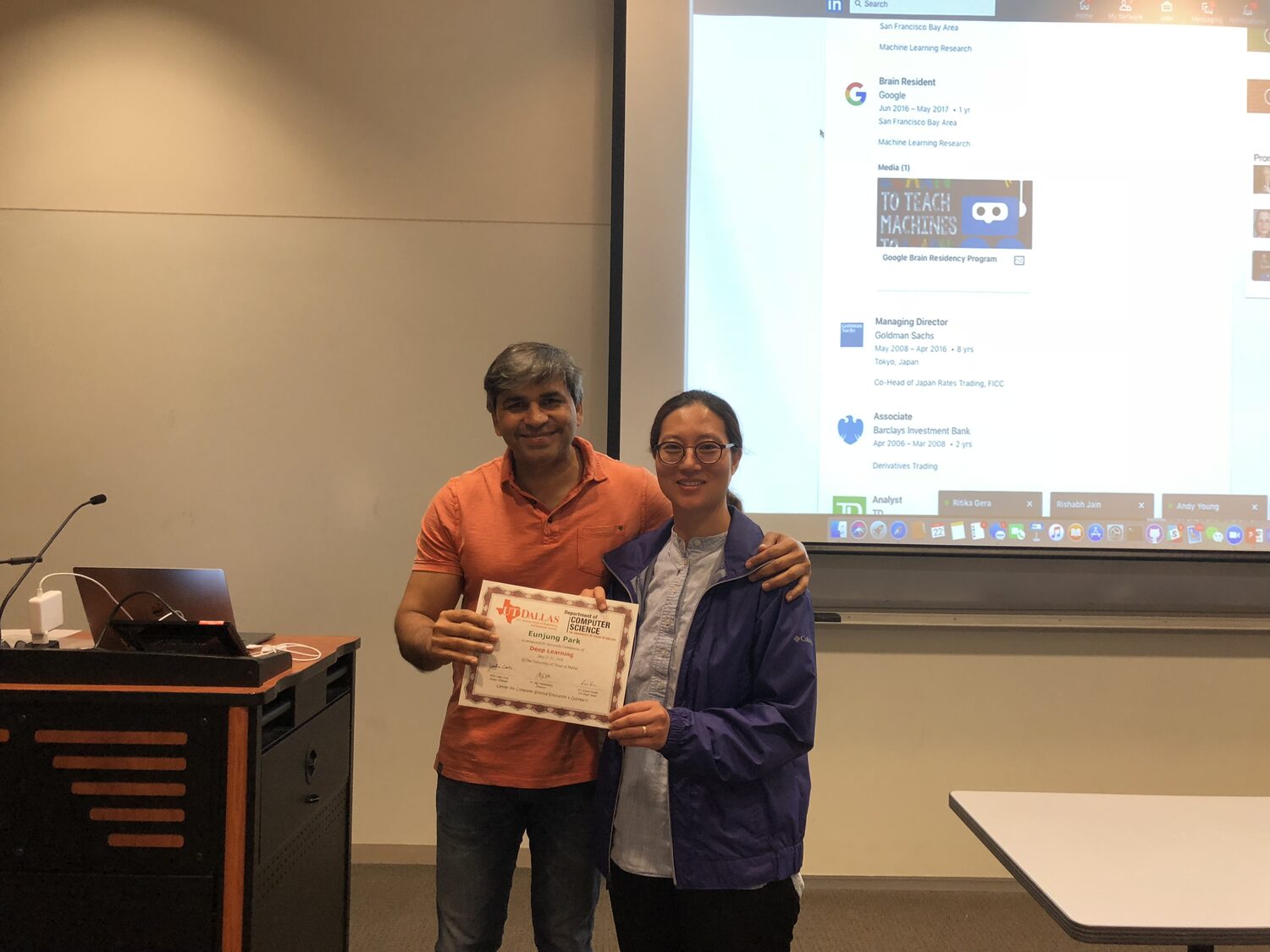
A delegate holds the certificate at the front of the classroom 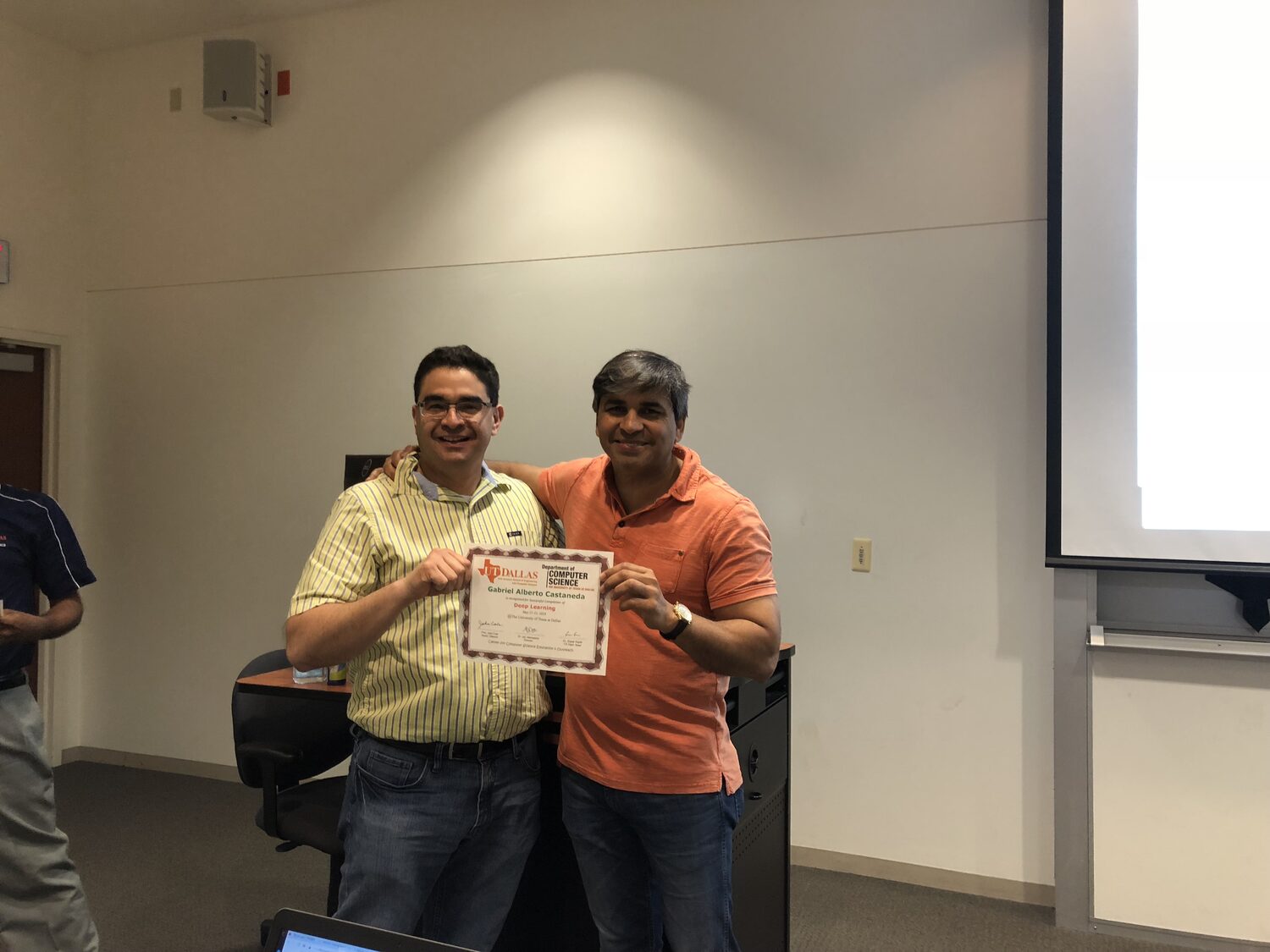
Certificate handover beside the lectern, laptop still open 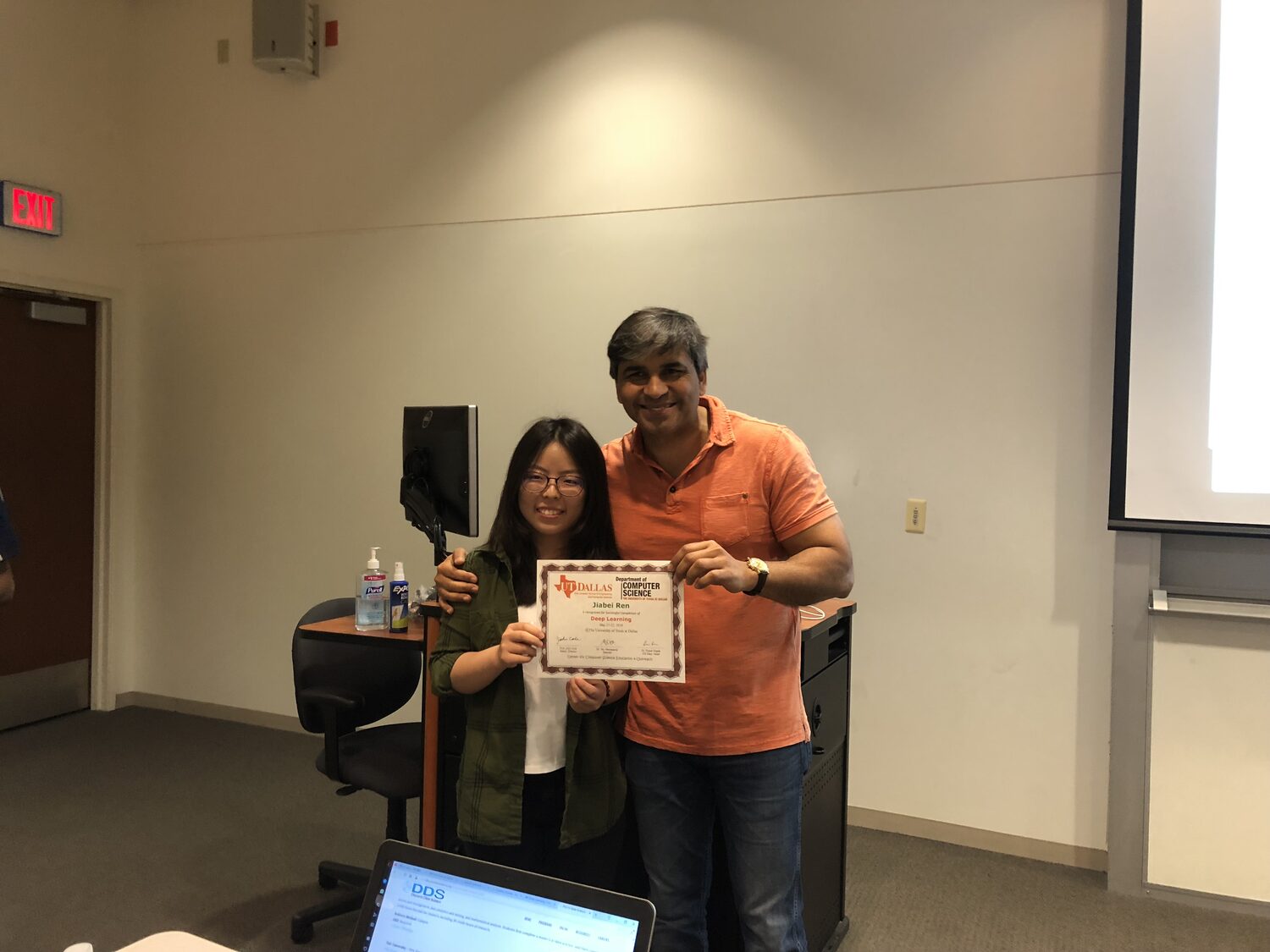
A delegate with the Deep Learning certificate at the front of the room 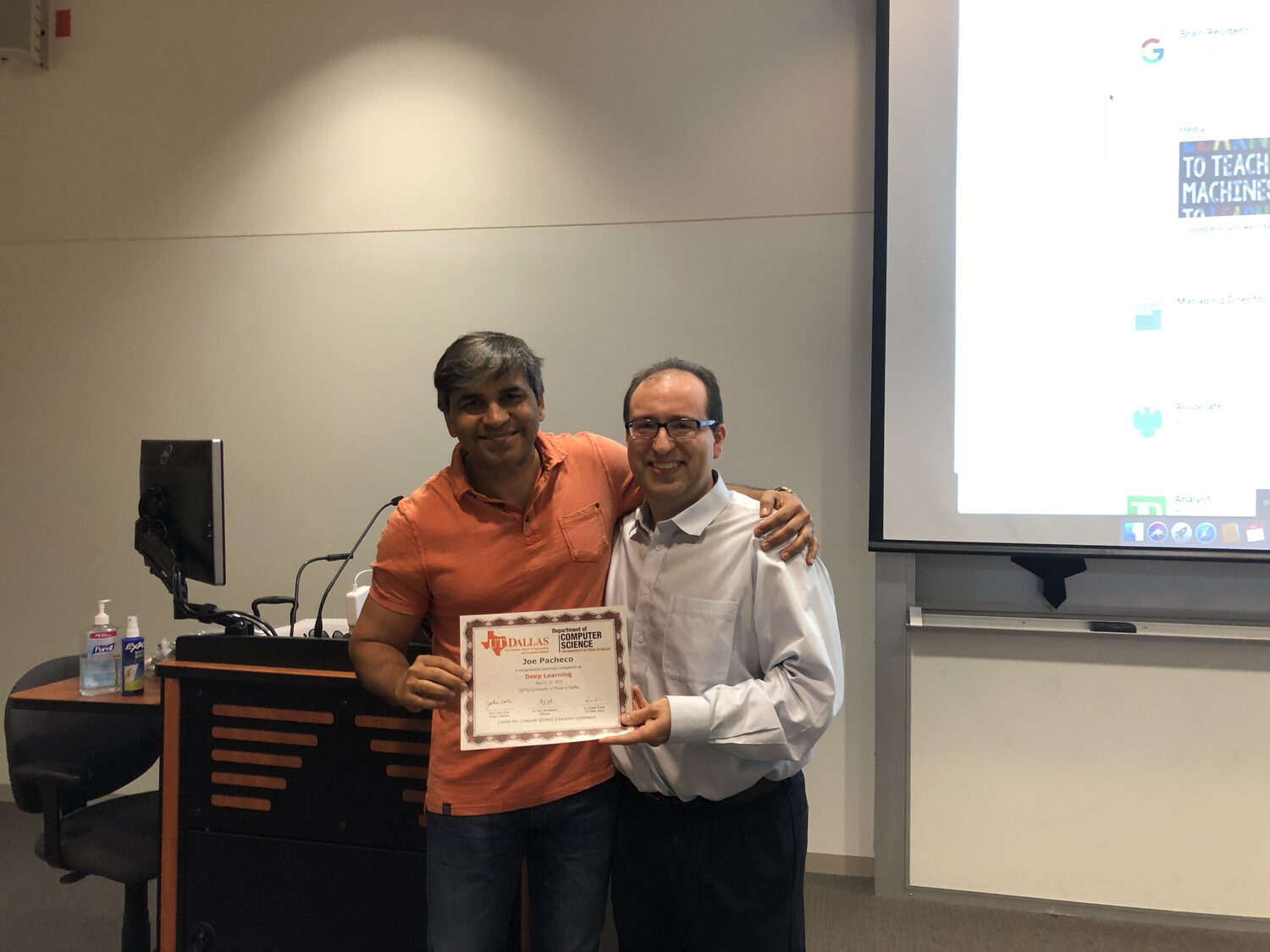
Certificate handover next to the classroom podium 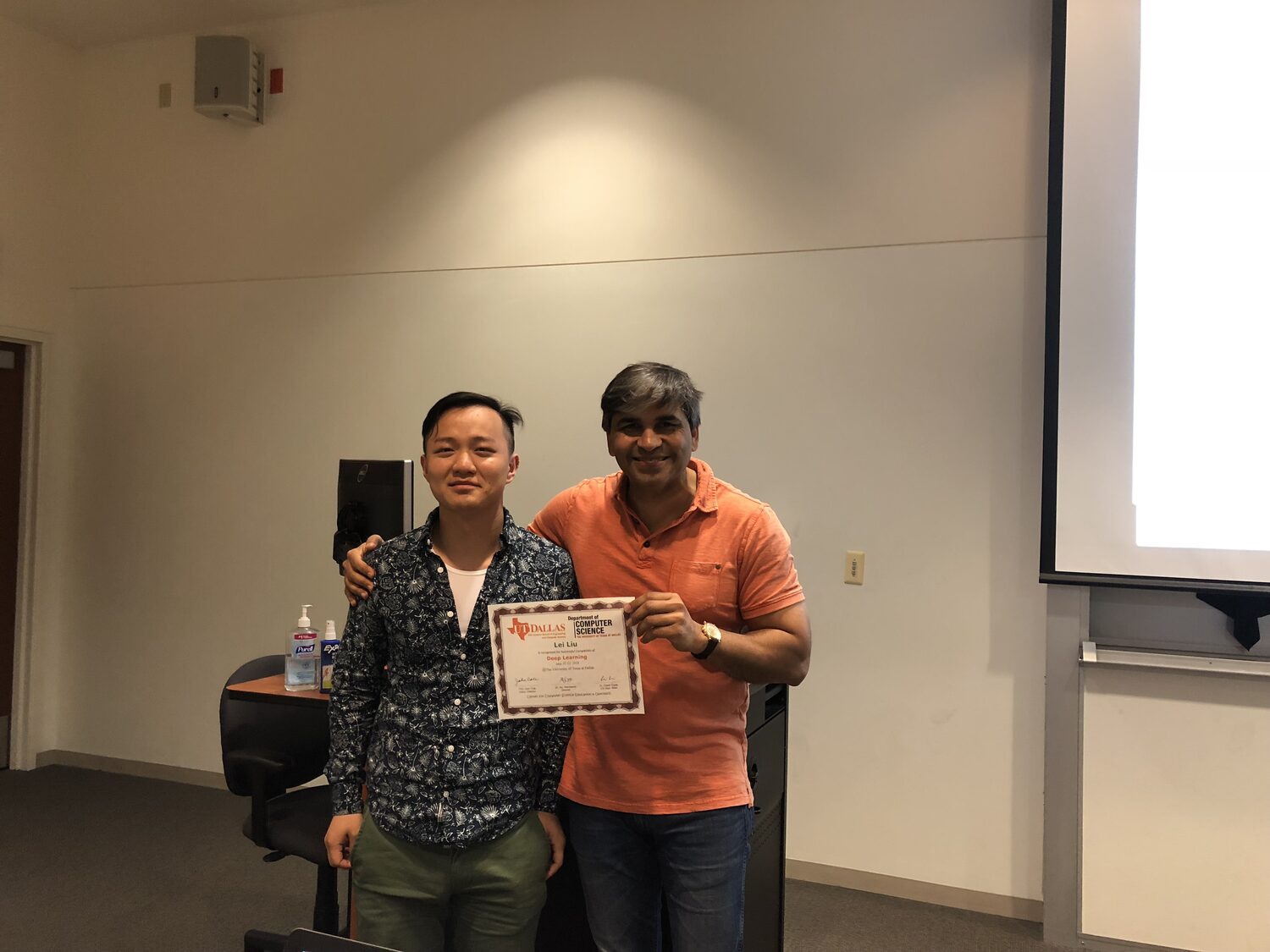
A delegate holds the certificate beside the teaching station 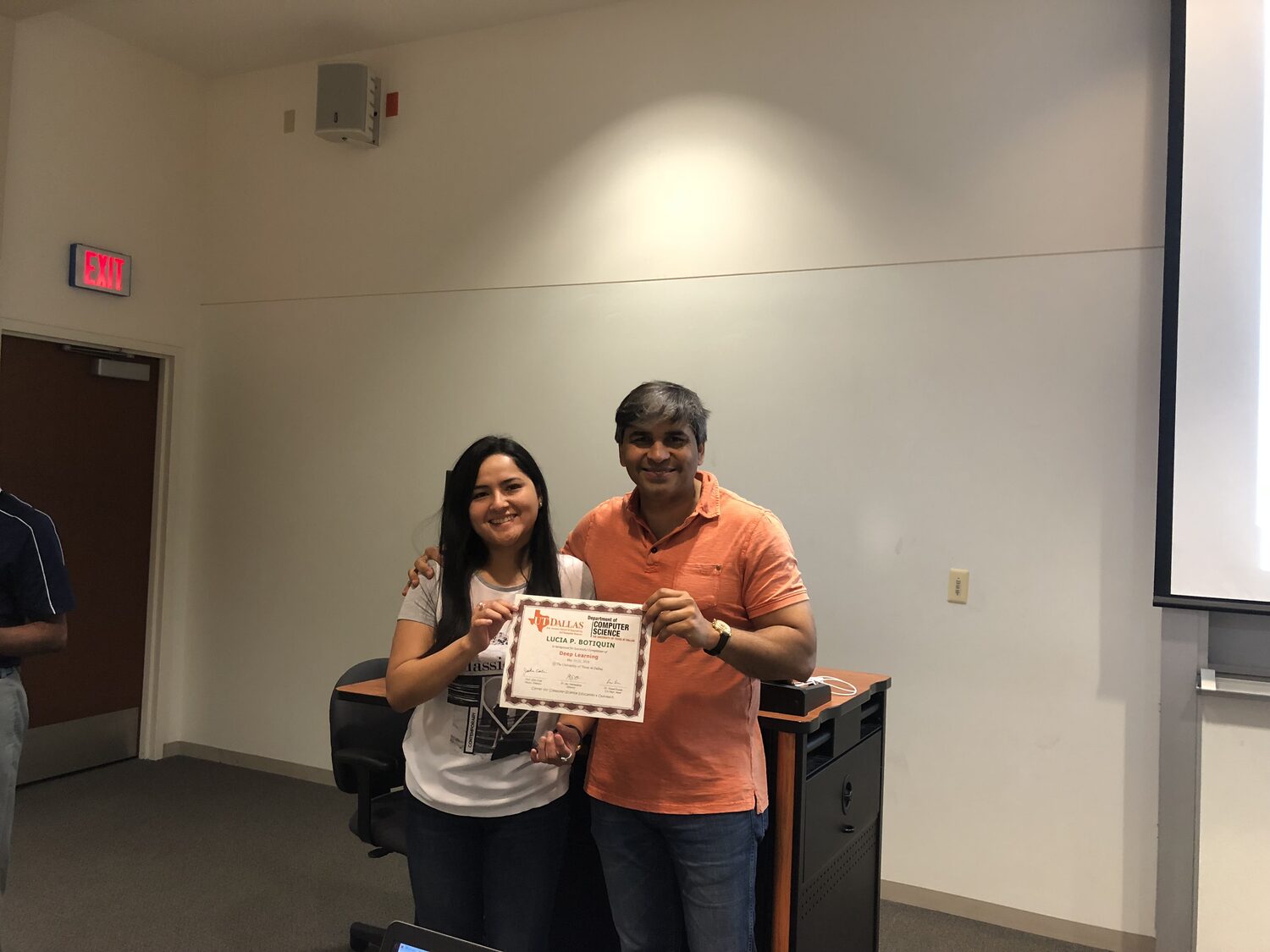
Certificate handover with the projected screen behind 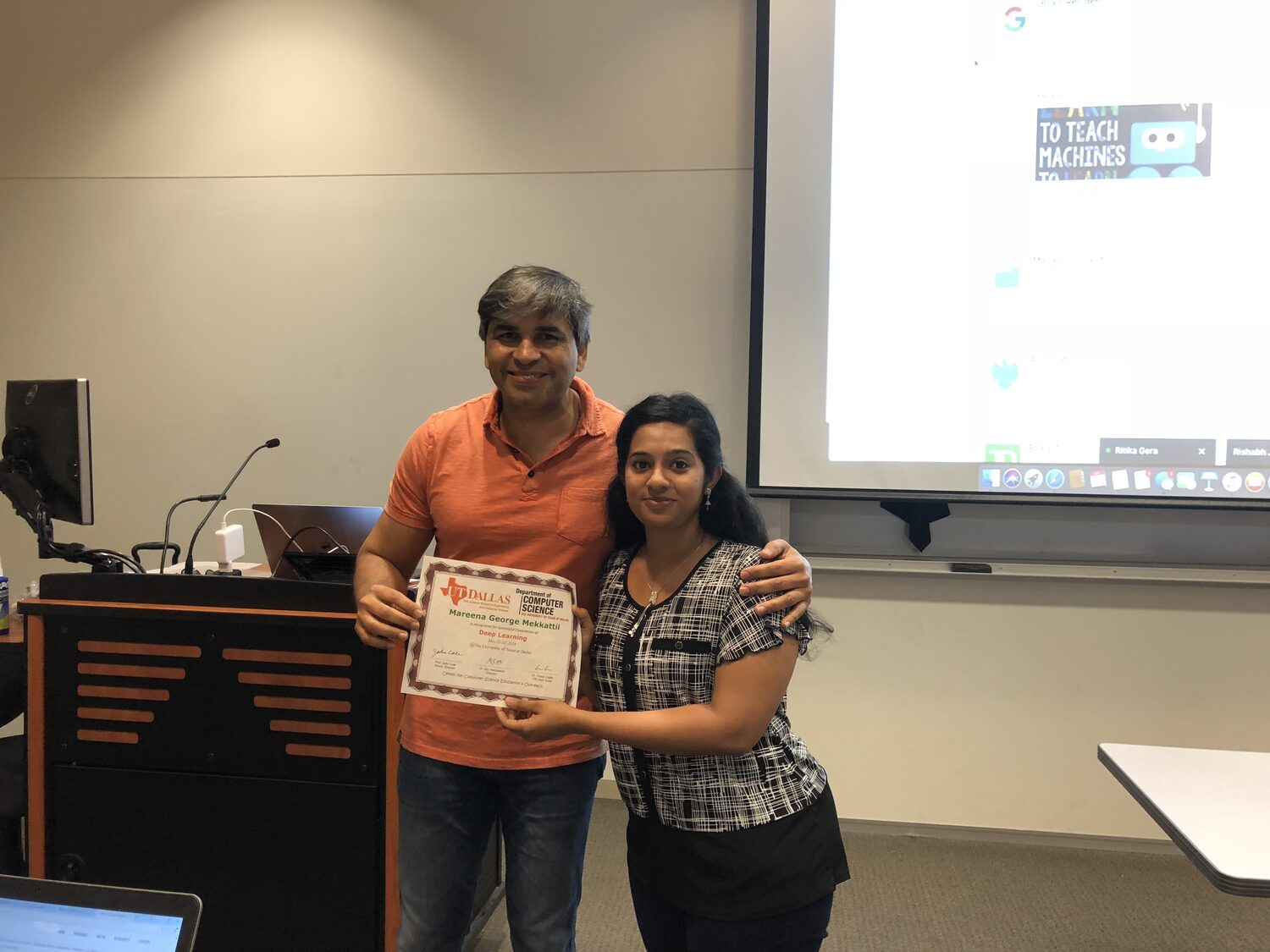
A delegate receives the certificate at the front of the teaching room 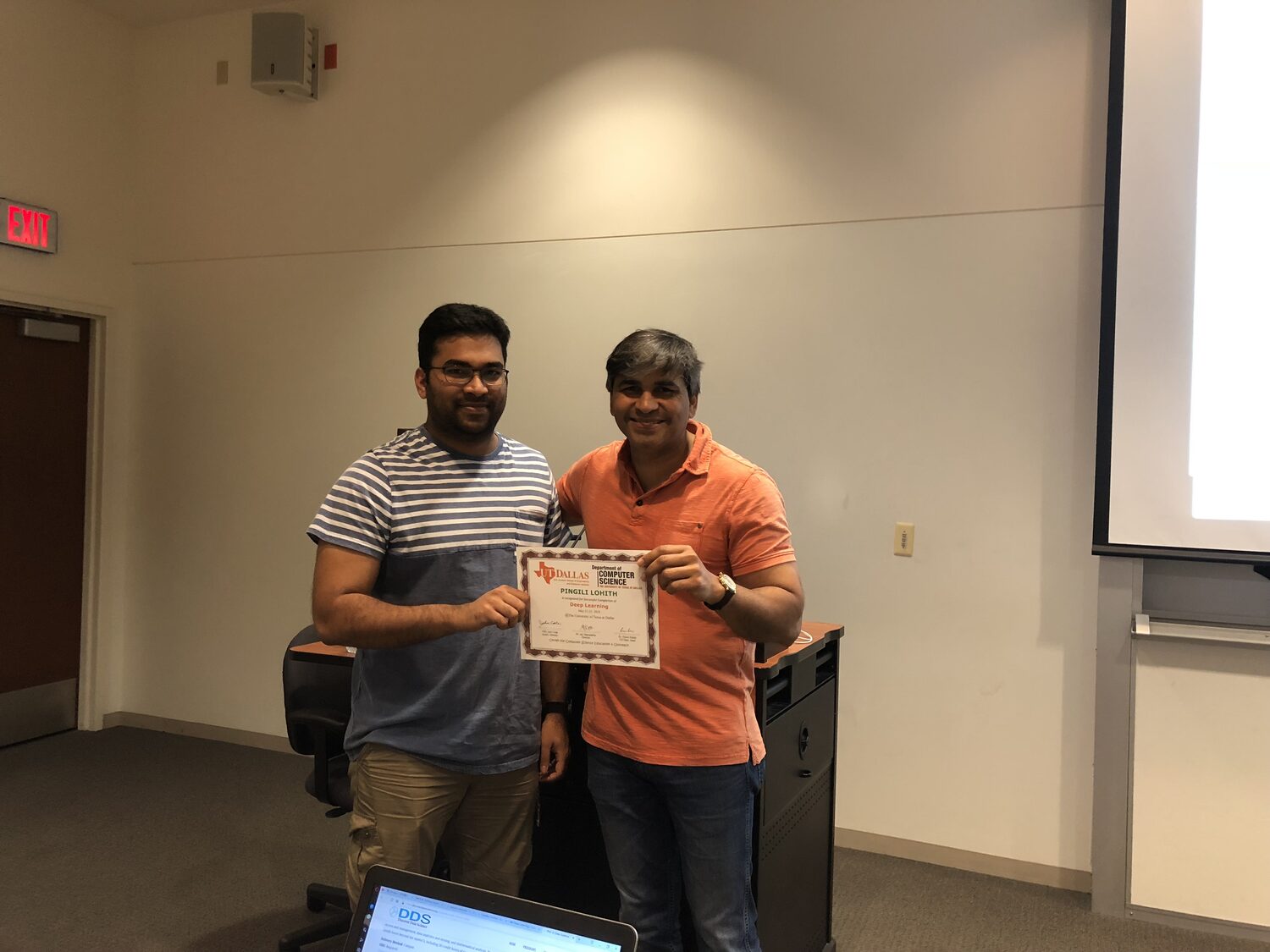
Certificate handover beside the podium at the close of the course 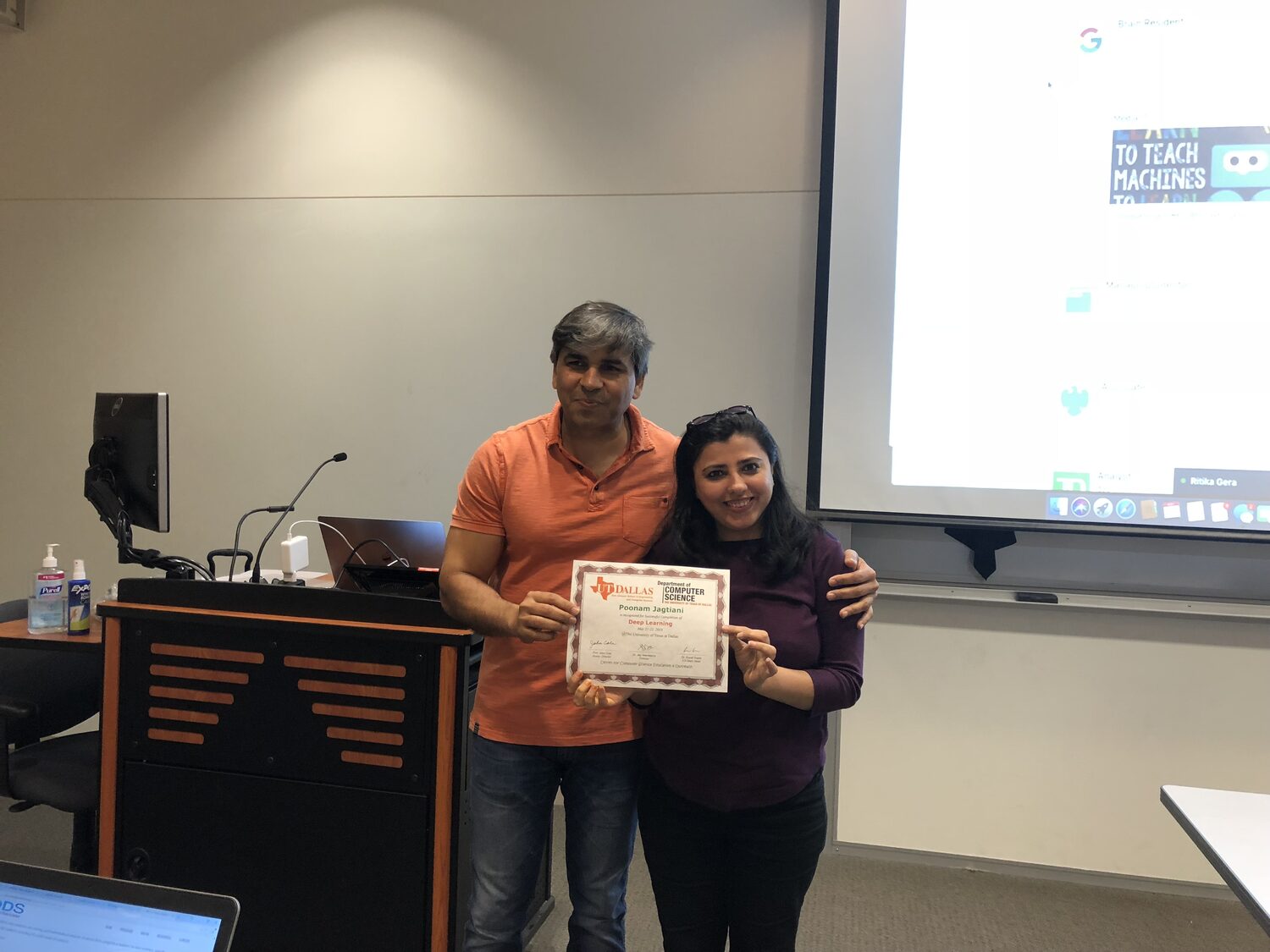
The last photographed certificate handover of the morning 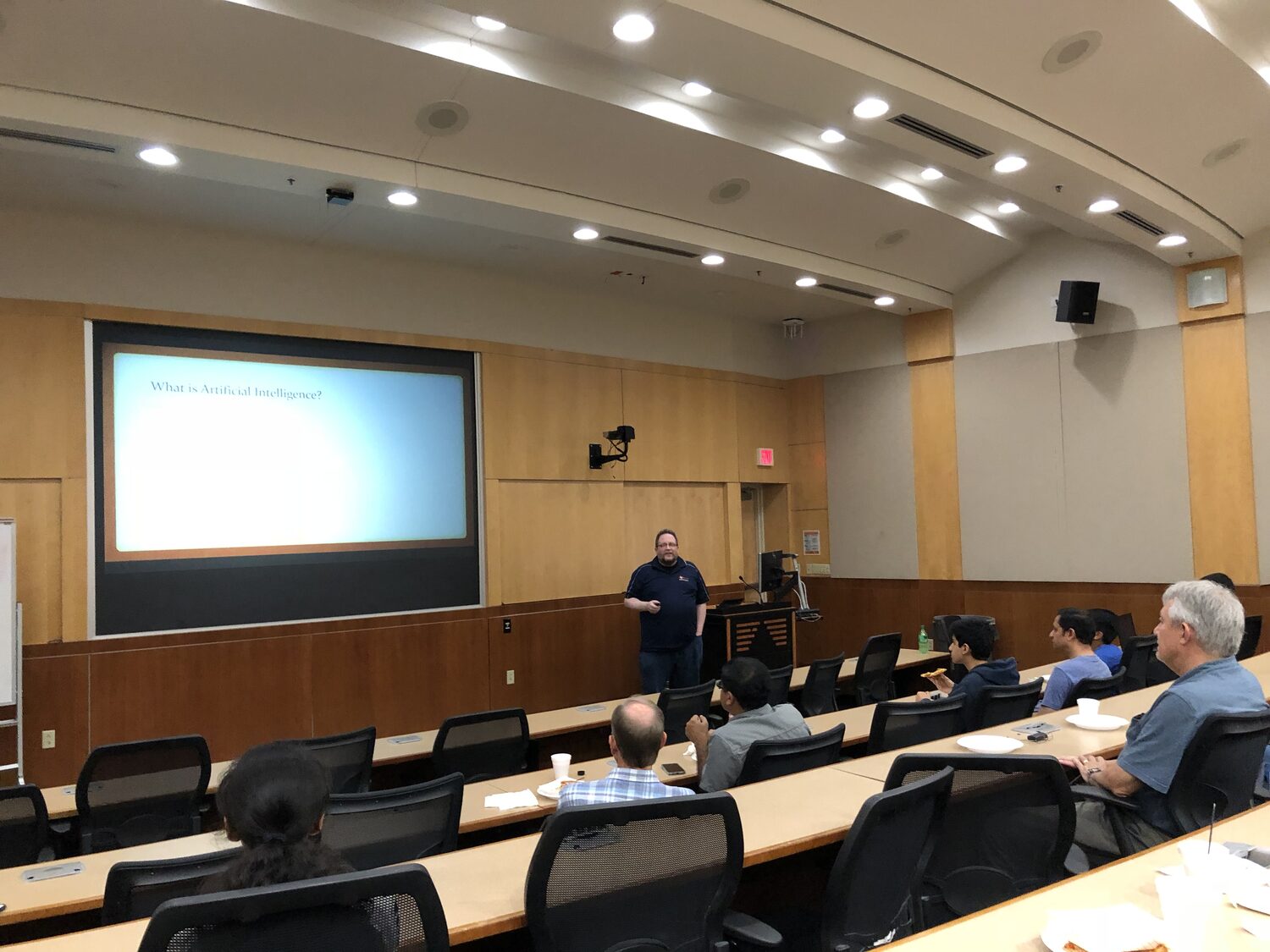
Evening session in a wood-panelled UT Dallas lecture room, a speaker at the podium and delegates at the desks
