Reviewing a breast cytology model with EPOS and GOPA
On 28 January 2019 deepkapha.ai took its EPOS breast cytology model to the GOPA Consulting Group offices near Frankfurt and showed what a very small dataset could honestly support.
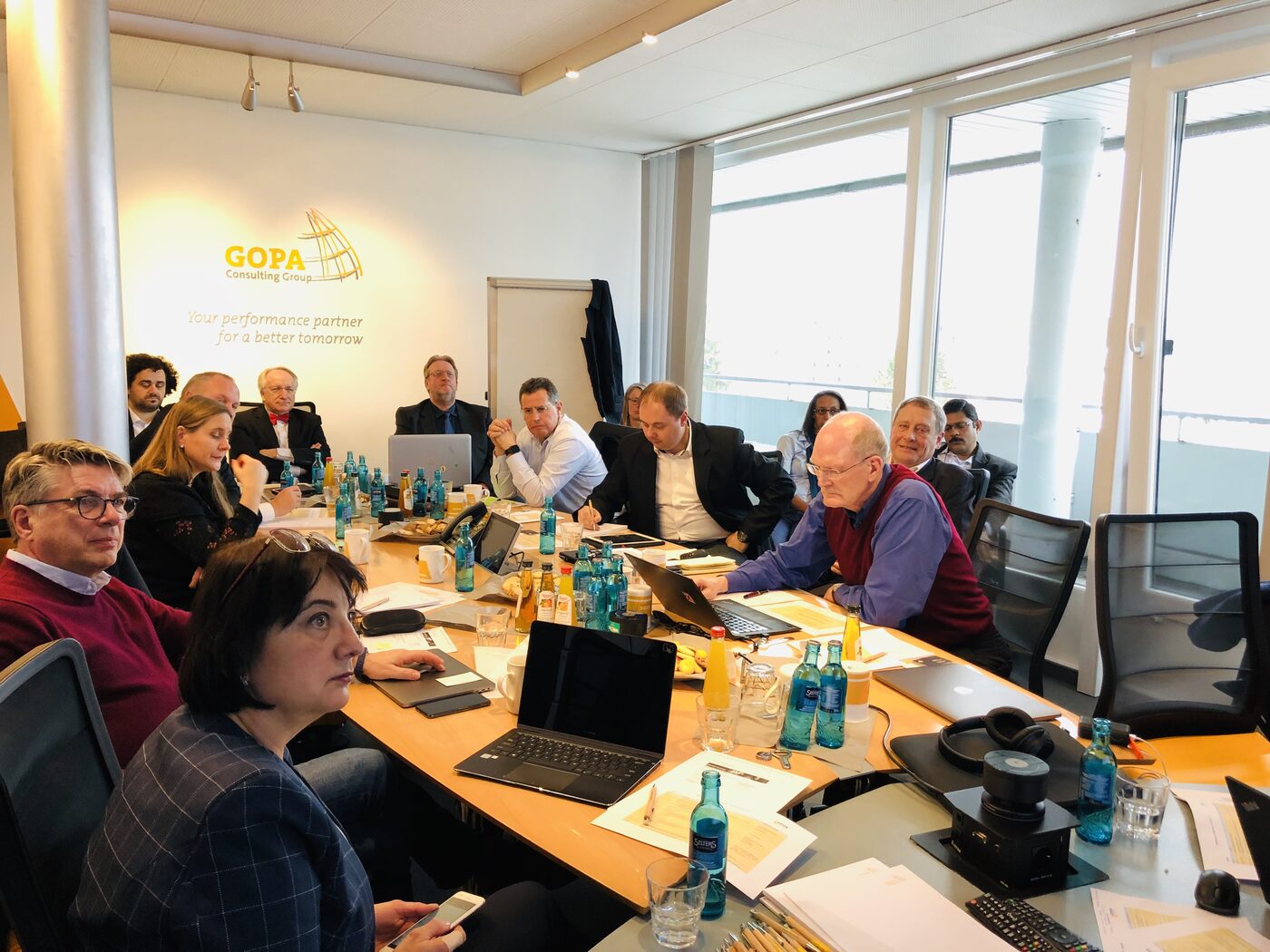
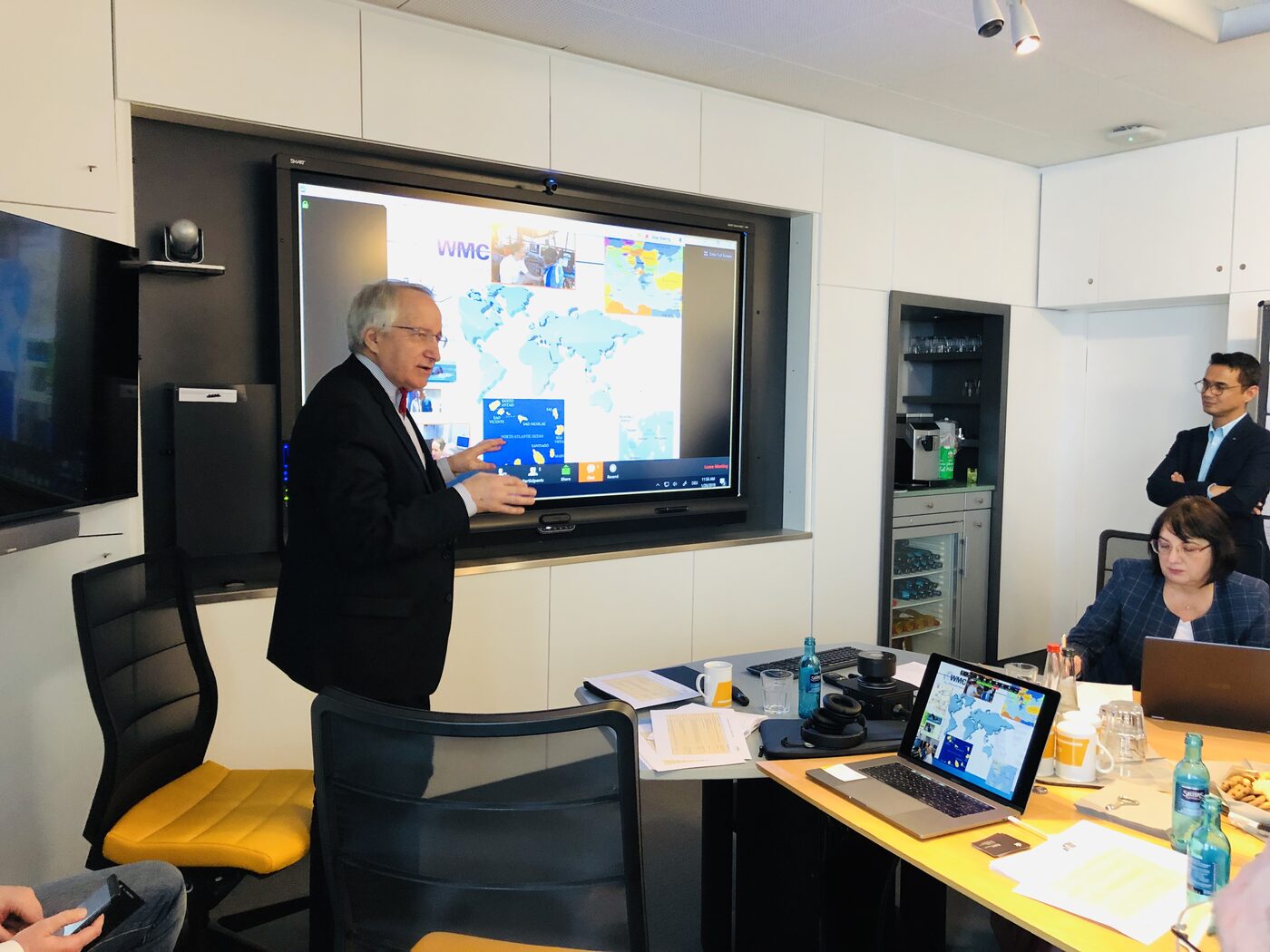
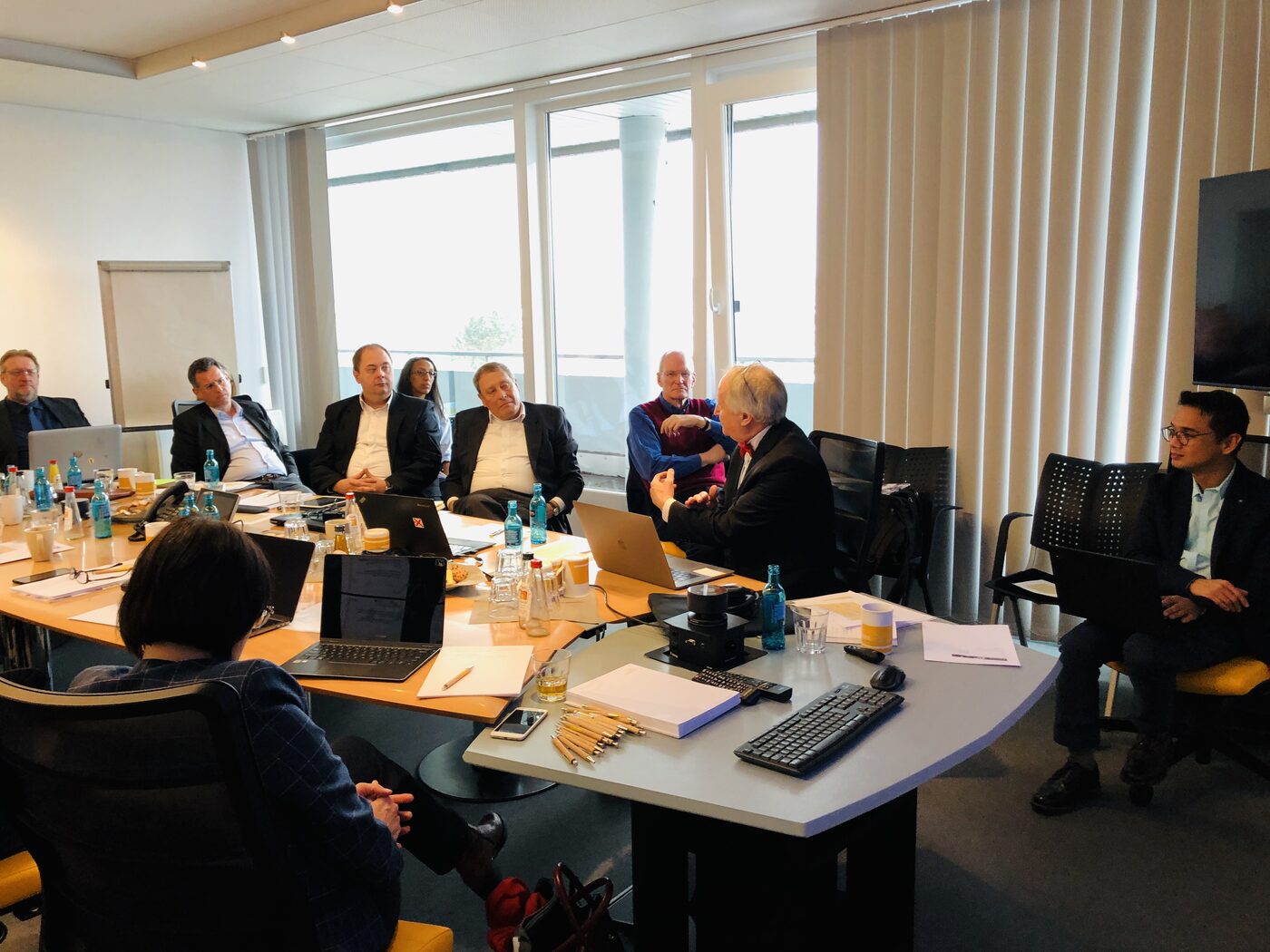
The session ran on 28 January 2019 in a meeting room at the GOPA Consulting Group offices outside Frankfurt. One long table, a wall screen at the far end, GOPA roll-up banners against the window wall, and close to twenty people around it. Tarry Singh had travelled the day before: train from Assen through Utrecht, on with NS International for 238 euros, a taxi to the hotel that evening and another to the EPOS office the next morning. The whole trip was reimbursed at 300 euros.
The subject was a pilot run with EPOS on breast cytology. The deck stated the reason without decoration. Histopathologists are scarce, and in low and middle income countries that shortage falls hardest on women who cannot easily travel to reach a specialist. Diagnostics for gynaecological cancer sit at the sharp end of it. The question on the table was narrow and answerable: could a model give a physician a usable first read on a cytology image, benign or malignant, and nothing more.
There was no dataset to begin with. The work was split into a data maturity assessment, collection, and annotation coarse enough to support that single binary call. The model was built with fastai on PyTorch, using transfer learning and a learning rate picked with the cyclical schedule from the 2015 paper. Thirty epochs took validation accuracy to just under 82 per cent, with the training log printed slide by slide so the room could see the loss curves wander rather than march.
Nothing in the deck claimed this settled the question. The next steps were listed as more data, at least five thousand images for proper train, test and validation splits, nuclei segmentation models, U-Net, and enough GPUs to run them. Every product line on the roadmap slides carried an asterisk marking it 2019 or 2020. The conclusion slide said the result was a first impression of where the hard parts would be.
At twenty to three in the afternoon the table was still full, laptops open, papers marked up.
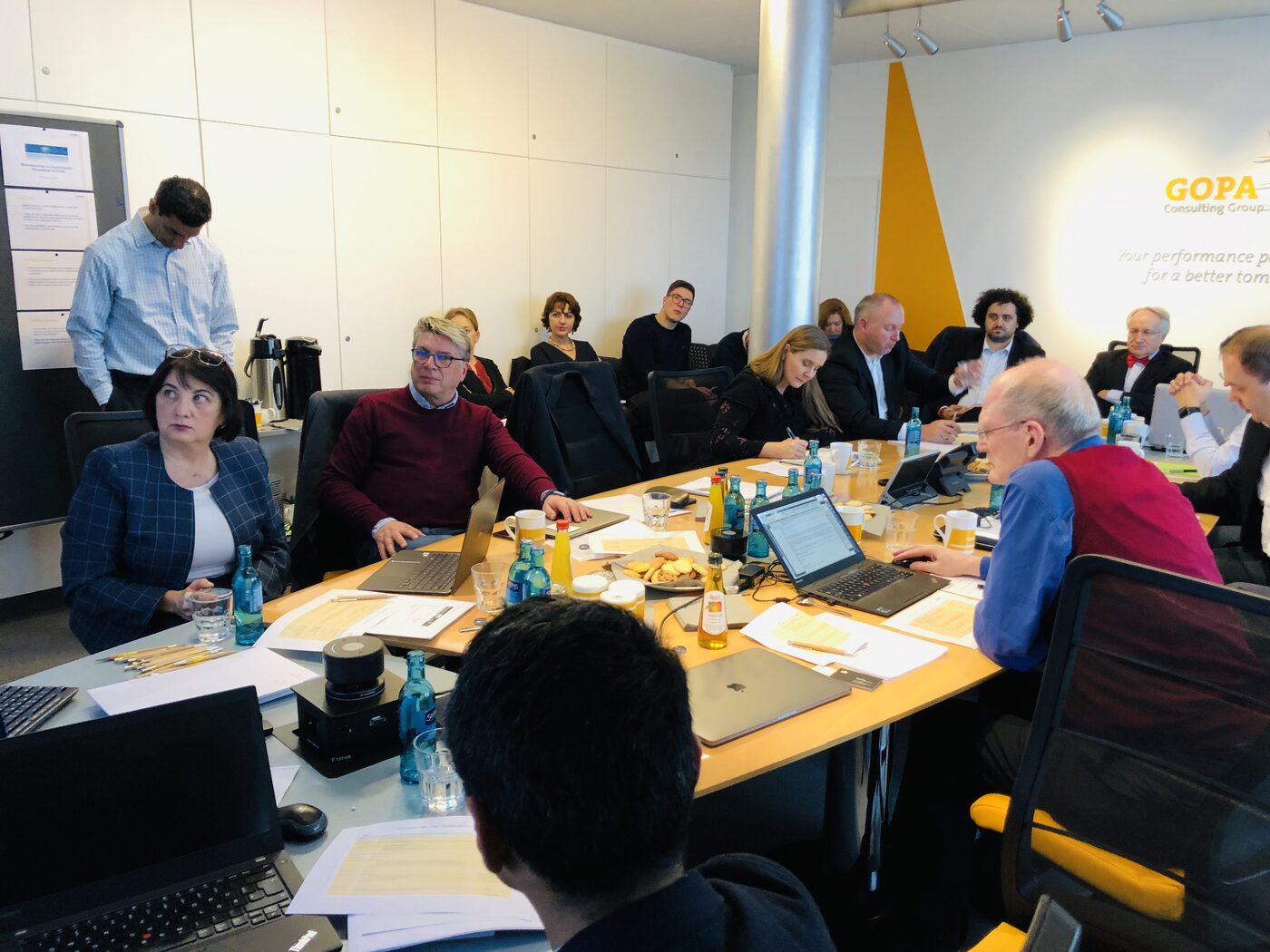
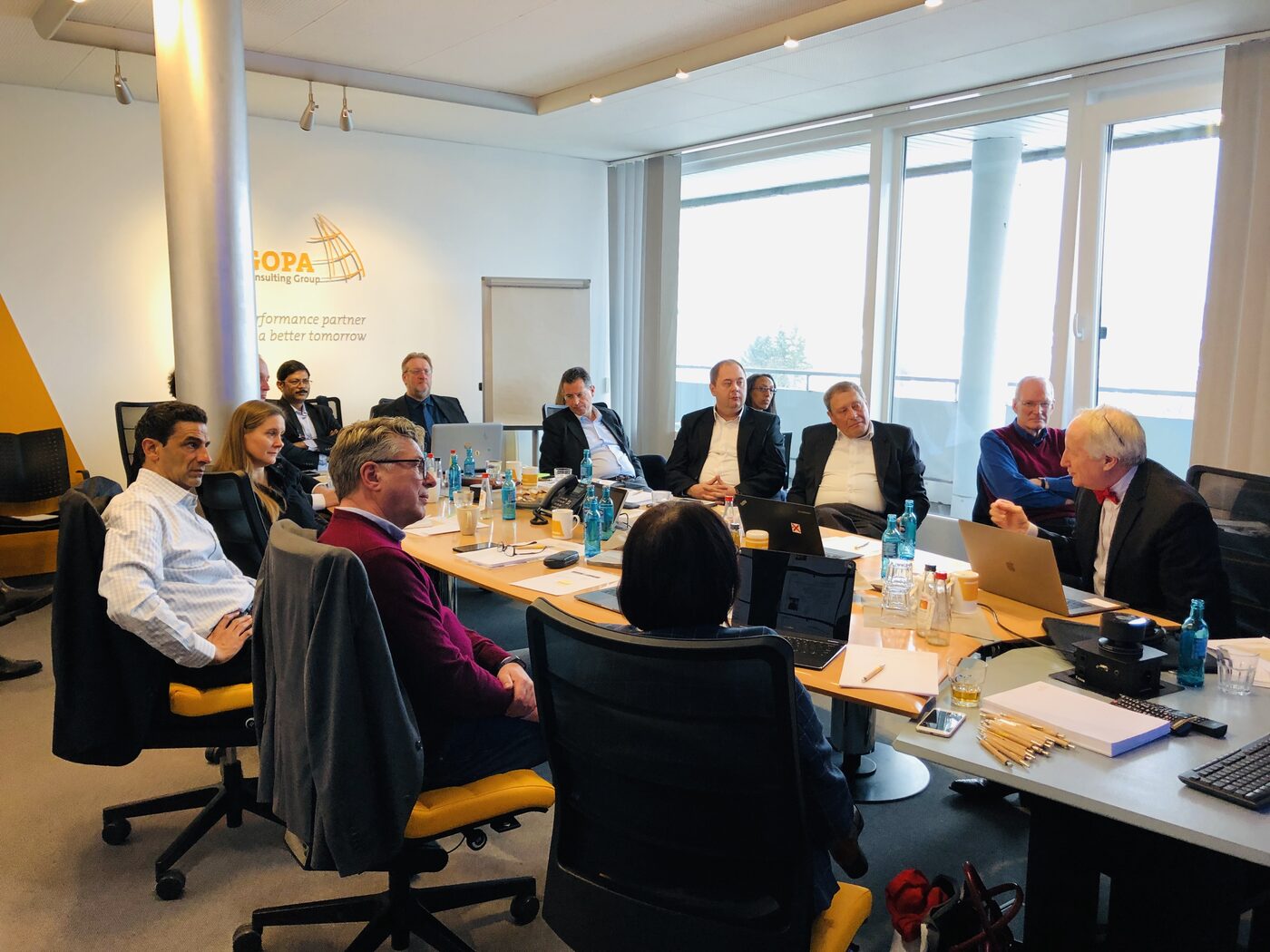
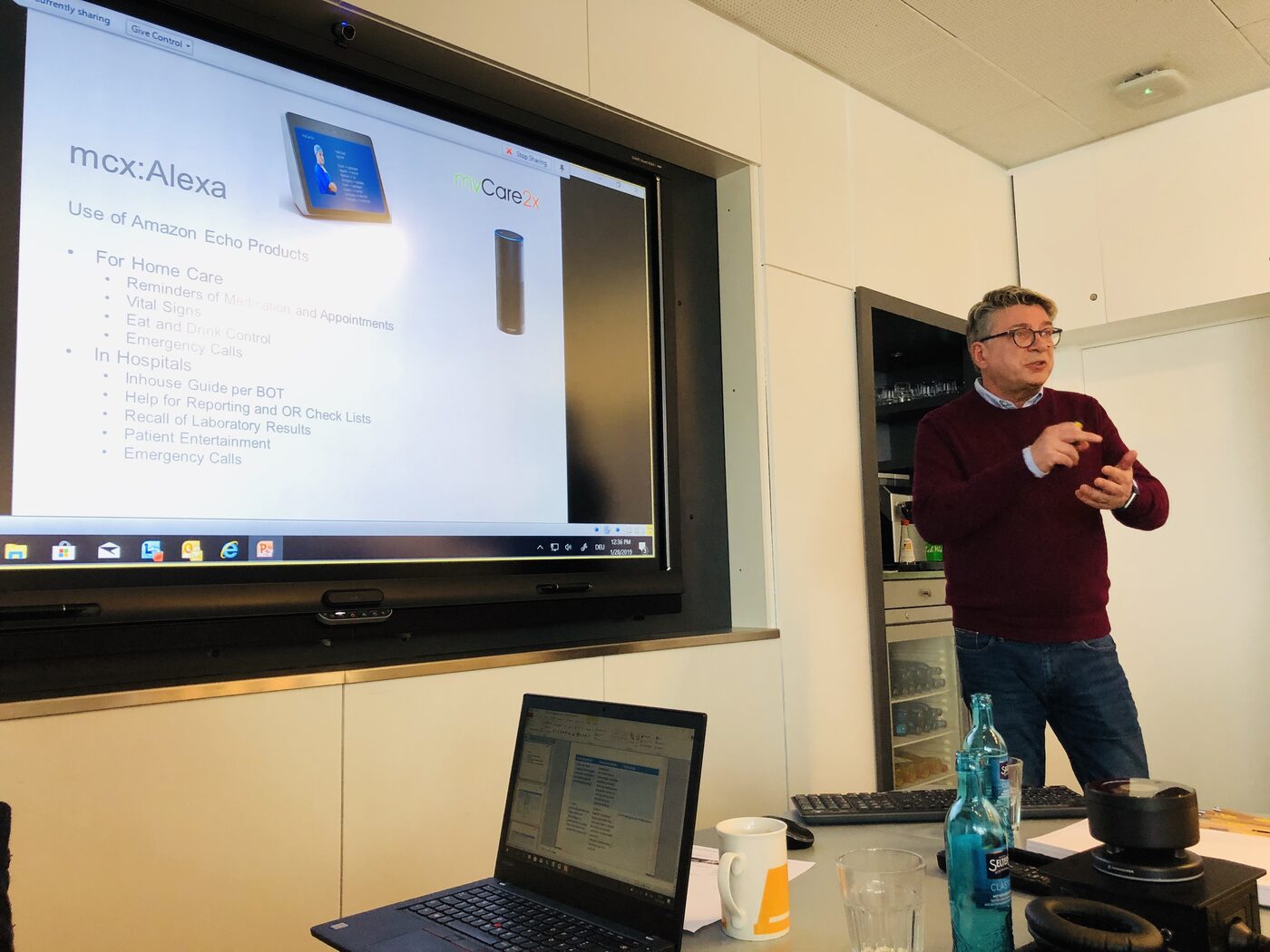
Thirty-five slides covering the EPOS breast cytology pilot, the architecture choices and the full thirty-epoch training log. Not published.
Reimbursement form for 27 to 28 January 2019, business purpose recorded as Frankfurt Meeting, total 300 euros, with train and taxi receipts attached.
Nine photographs from the day, taken on 28 January 2019 between 11:34 and 14:41.
