Four Mumbai halls in four days
PyData, DataGiri at ISME Tower, the Analytics Club at IIT Bombay and a packed engineering college auditorium, four rooms in four days, all on capsule networks.
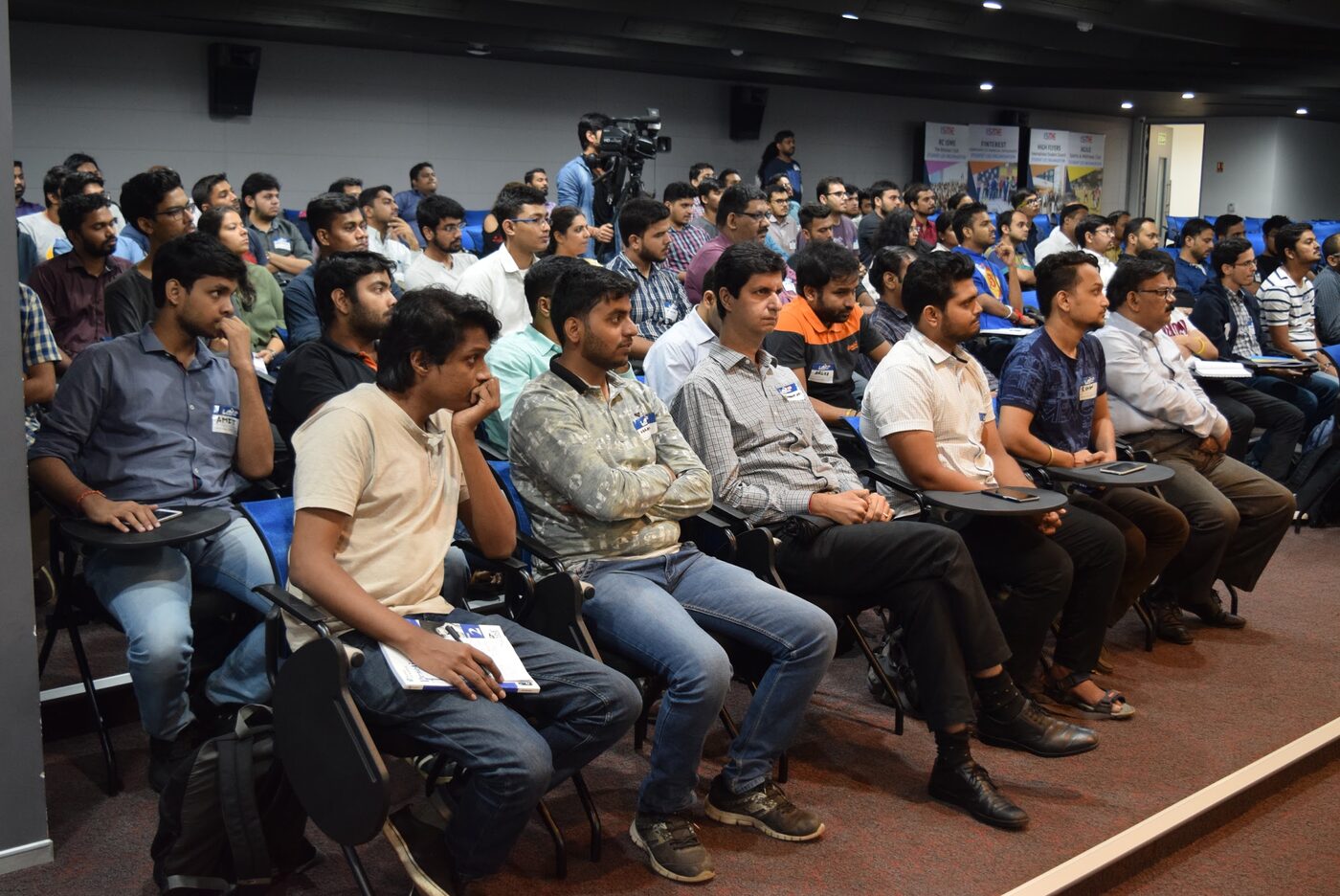
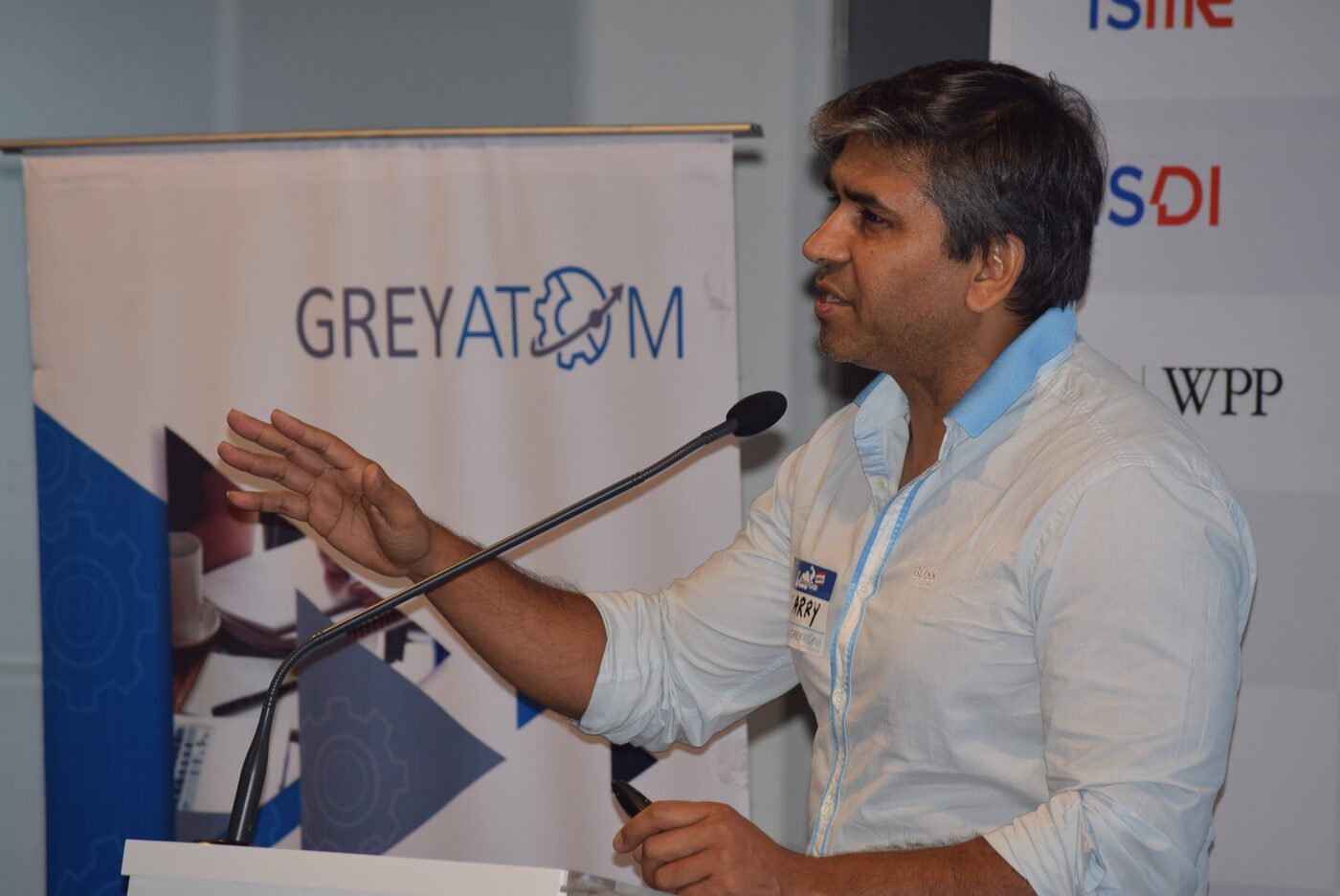
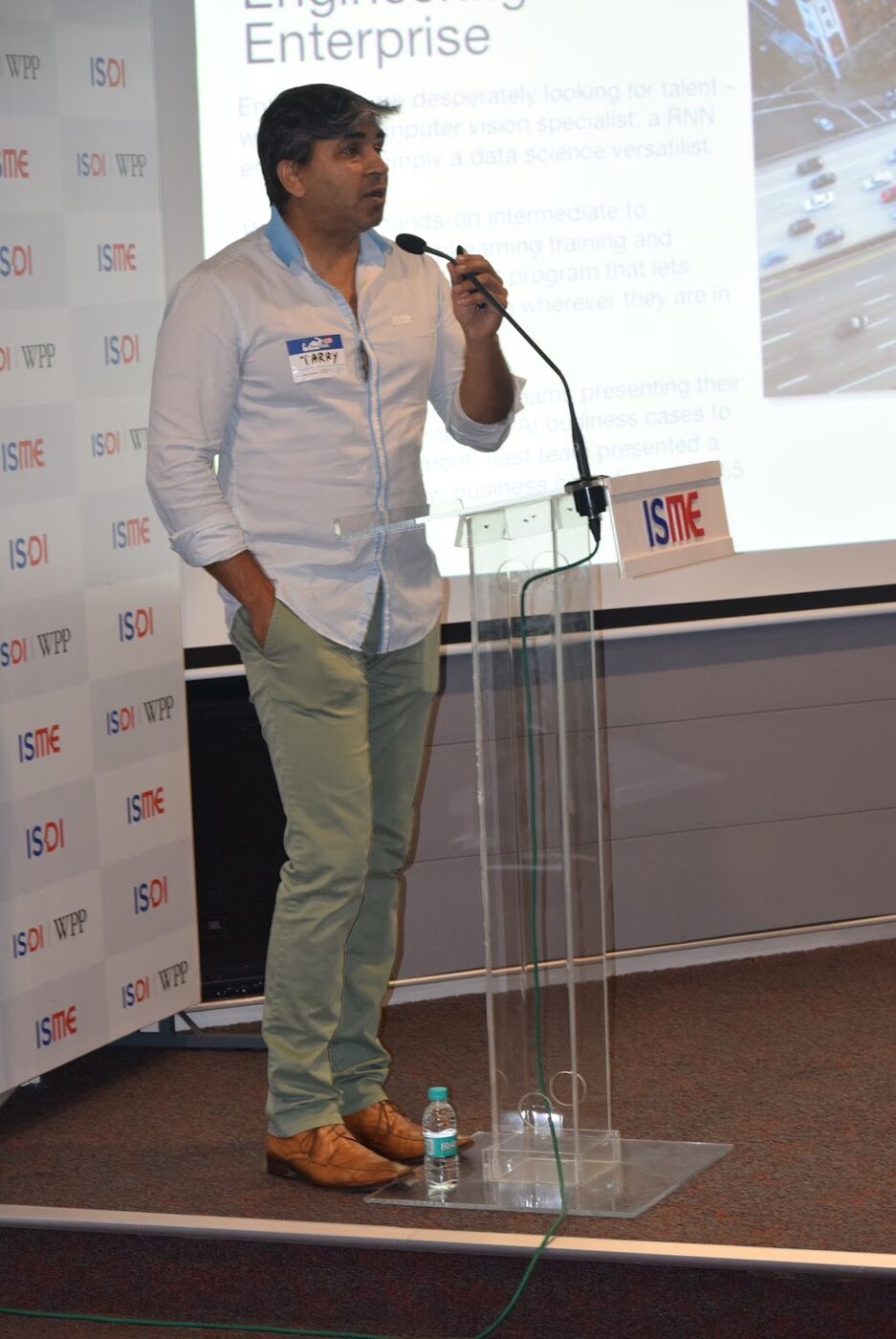
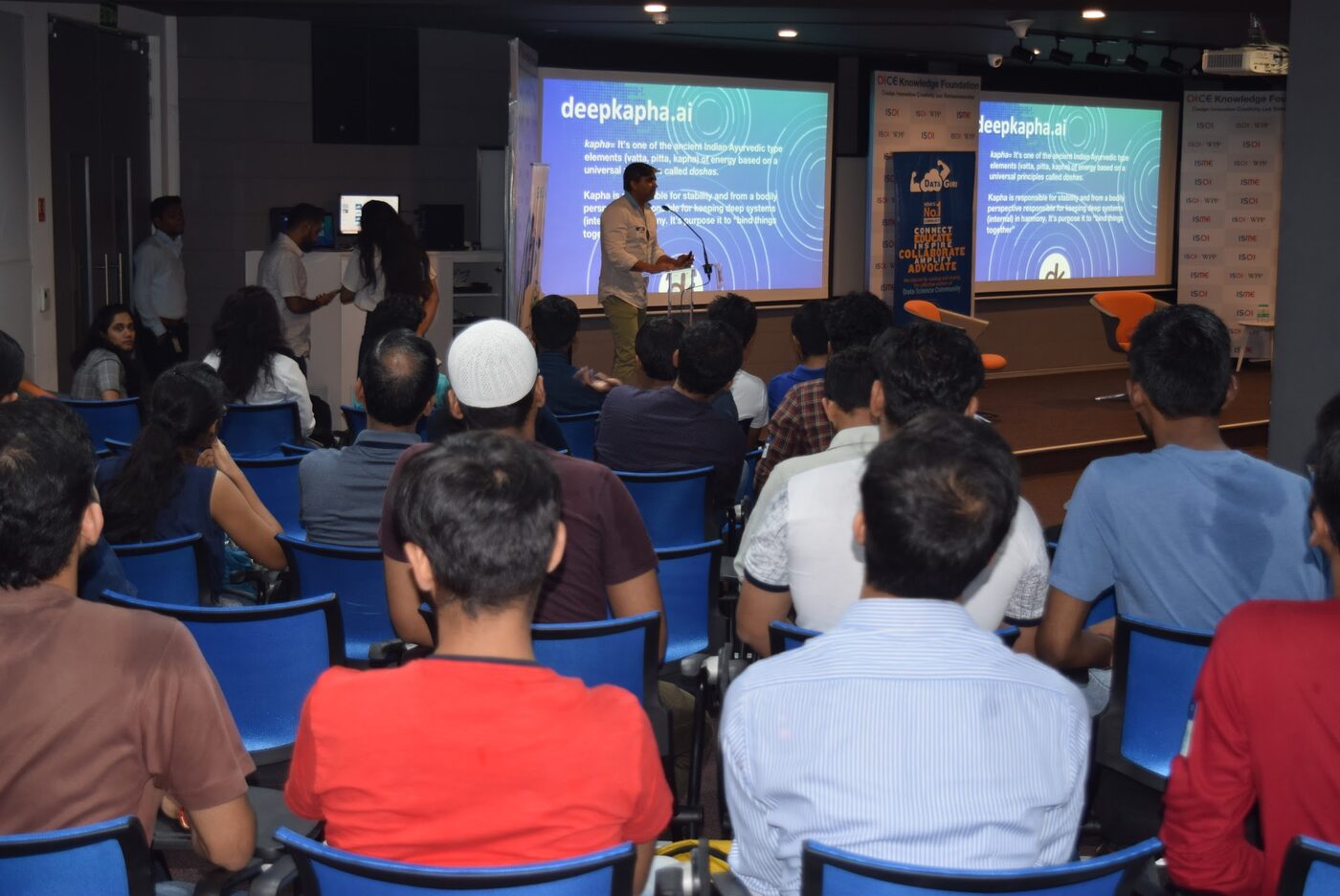
The deck was titled "Deep learning lectures, PyData, Mumbai" and dated 26 August 2018. That was the first stop. Over the four days that followed, deepkapha.ai carried the same material across the city: the DataGiri community at ISME Tower in Lower Parel on the 27th, the Analytics Club at IIT Bombay on the 28th, and Thakur College of Engineering and Technology in Kandivali on the 29th.
The through line was capsule networks. Each talk opened on convolutional networks, then argued why routing by agreement handles rotation, tilt and position change in ways a CNN does not. The supporting work ran deeper: notebooks named "From CNN to CapsNET", MNIST with CNN, a side-by-side comparison of activation functions, and a run of CapsNet trained at different sample sizes, with checkpoints out to ten thousand steps and activation plots written every five hundred.
The applied half stayed in healthcare. The slides walked through skin cancer classification from histology slides, tuberculosis screening from chest radiographs, Alzheimer's detection from speech patterns, and diabetic retinopathy. The company section was kept short: what deepkapha.ai was, the DeepRRP remote residency programme, and the ongoing work with Re:coded and Think.it.
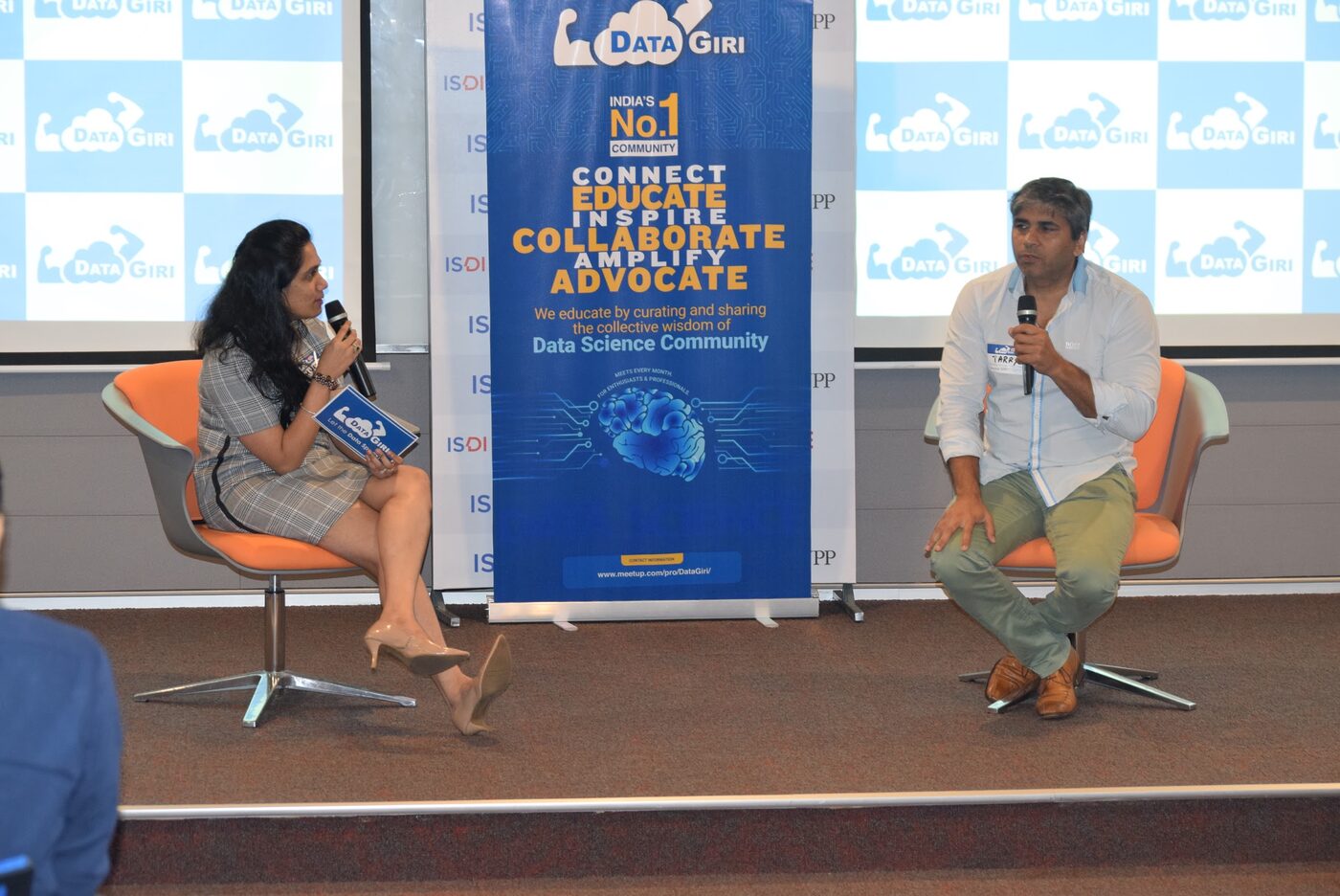
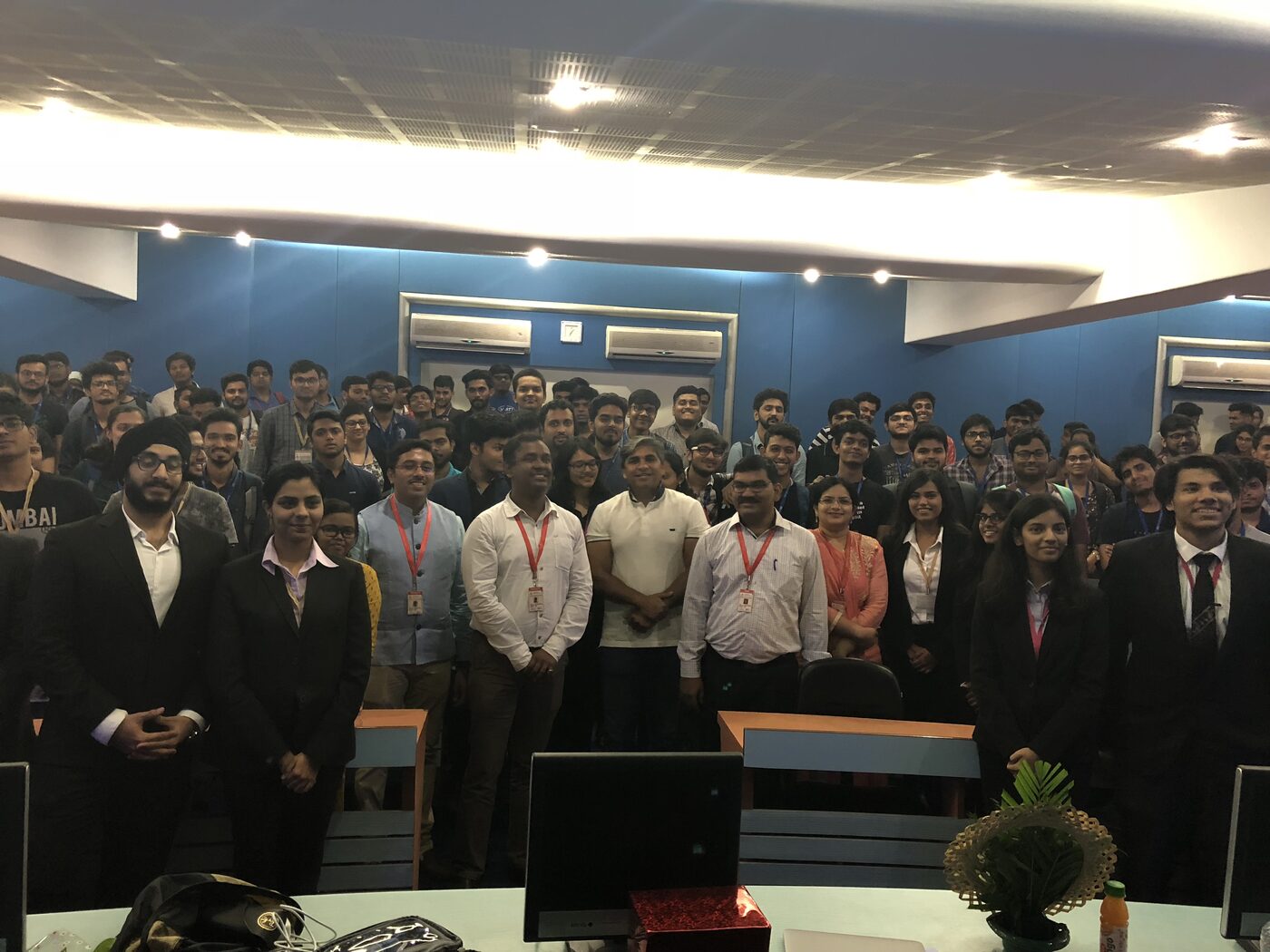
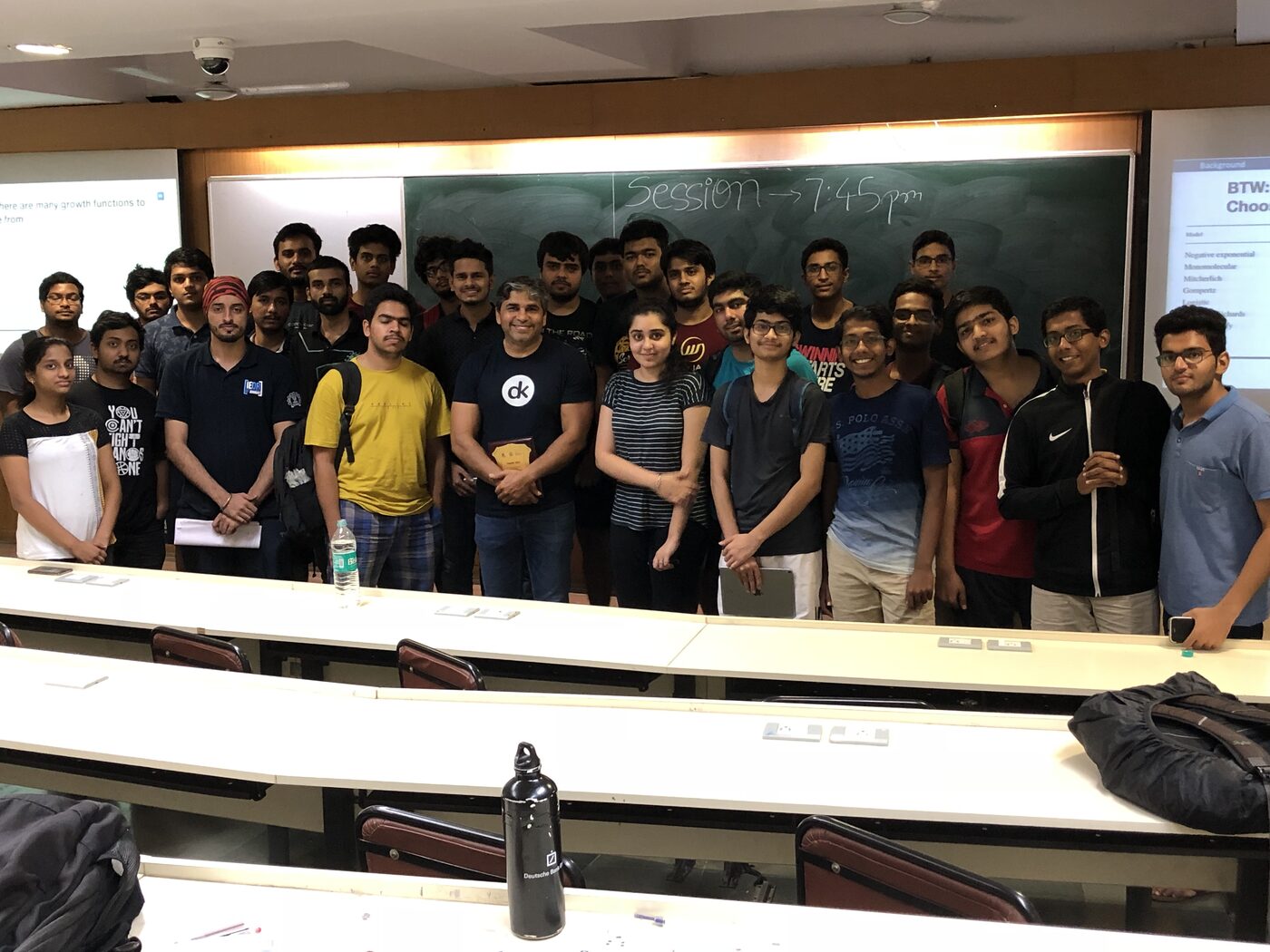
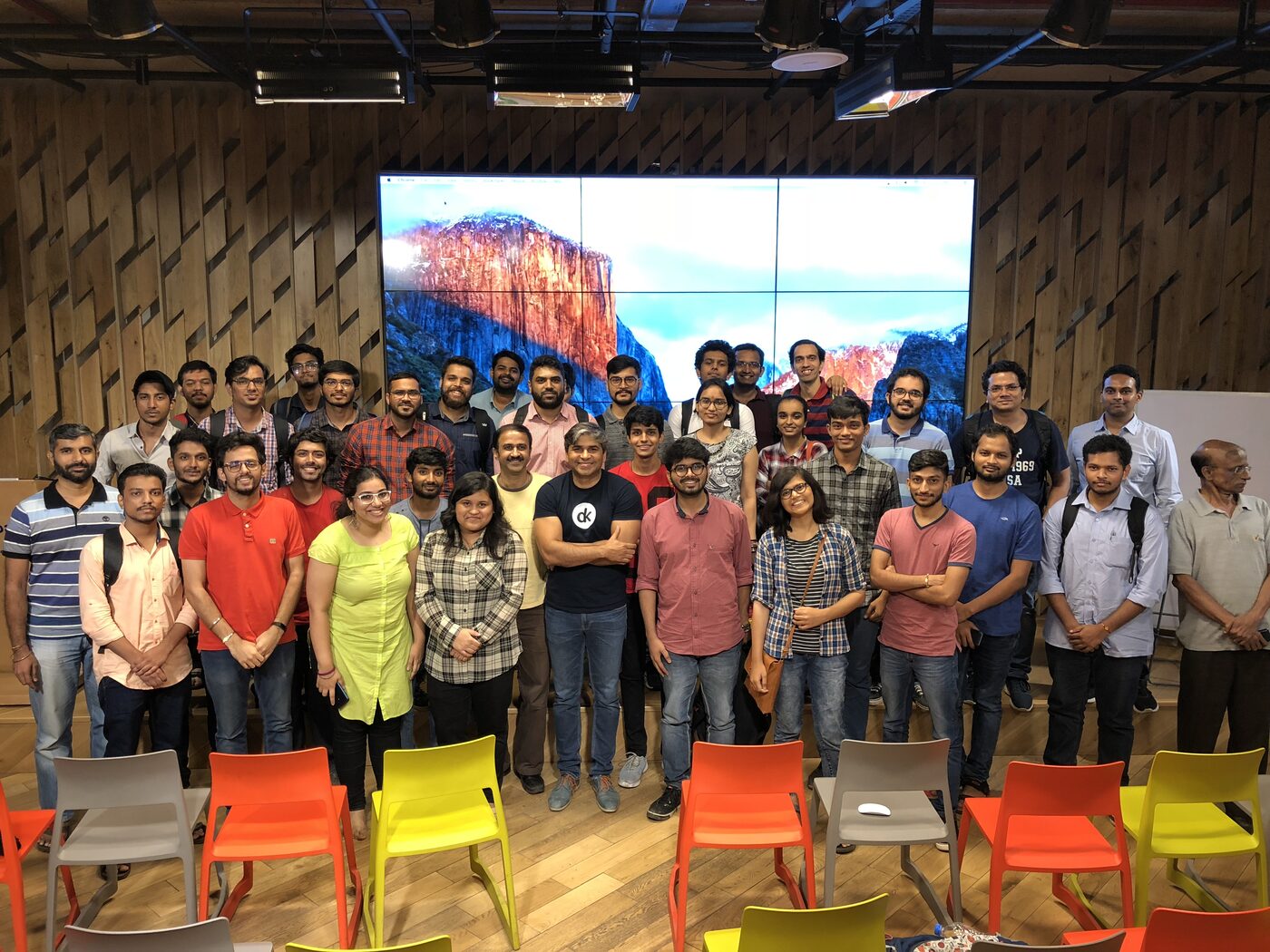
The rooms varied. The reception did not. DataGiri filled its hall at ISME Tower, ran a fireside session on stage and closed by handing out certificates. The IIT Bombay Analytics Club took an evening slot, 7:45pm chalked on the blackboard, and sent Tarry Singh home with a plaque from the Undergraduate Academic Council. Thakur filled a tiered auditorium to the back wall. The run then moved to Bengaluru for ODSC India, where the listing for the full-day workshop taught with Aishwary Patil showed 53 registered.