Borderless AI and three medical cases in Belgrade
Data Science Conference 5.0 filled a Belgrade hall on 19 November 2019, and the opening keynote spent its second half on three medical cases with numbers attached.
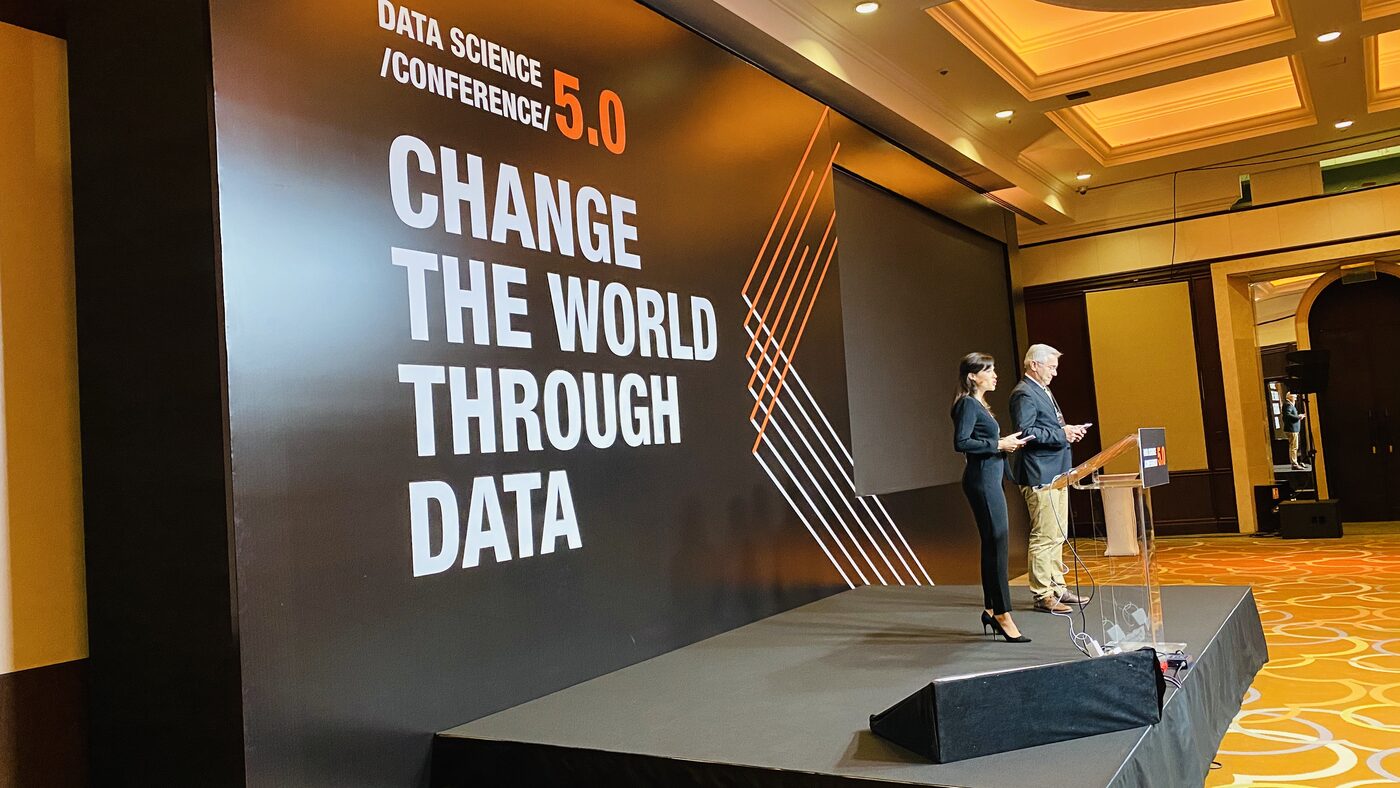
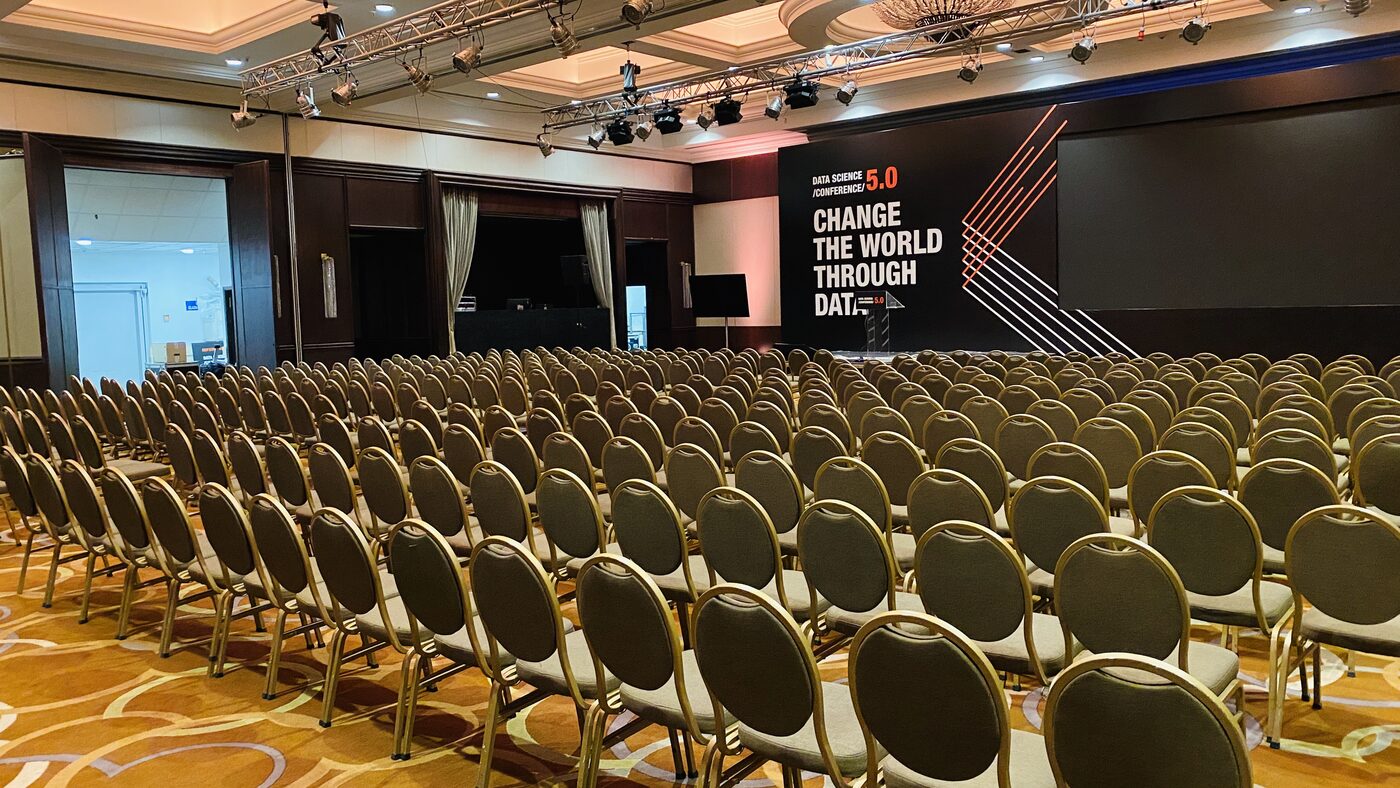
Data Science Conference 5.0 ran in Belgrade on 19 and 20 November 2019. On the first morning the chairs went back to the wall and every one of them was taken, with the conference line across the stage screen: change the world through data. Tarry Singh spoke in the opening block. The deck he used had been exported to PDF at 00:54 that same morning.
The first half set out where the field stood. Machine learning sits inside artificial intelligence, deep learning sits inside machine learning, and the working examples by then were learning to drive, learning to diagnose, learning to translate and learning to trade. After that came a five-layer stack for any company that wanted the capability in house, from fundamentals in maths, statistics and engineering, up through data visualisation, machine learning, deep learning and applied AI.
The second half was called Borderless AI. It described a race between states for AI leadership, with some governments writing surveillance out of law while others wrote it in, and it used the phrase surveillance capitalism to ask what our own behavioural data had already paid for. The answer on the following slide was blunt. AI is not the Manhattan Project. It needs no national programme. Any researcher can pick up open source tools and work with people anywhere.
Three medical cases carried the rest. The first was breast cancer work with the healthcare division of GOPA, which the deck put at 3,500 projects across 50 countries and 160 million euro of revenue in 2016. Pathology images sat on a client portal, annotated by German pathologists but not organised for training. A four month pilot reached about 82 per cent accuracy on a very small set, and the deck reported 98.5 per cent by the time of the talk. The second was diabetic retinopathy in China, where a grading system was built on 70,000 fundus photographs classified against the British screening standard, and the resulting app had already cleared SFDA approval. The third was dentistry, put at 200 million dental X-rays a year in Europe.
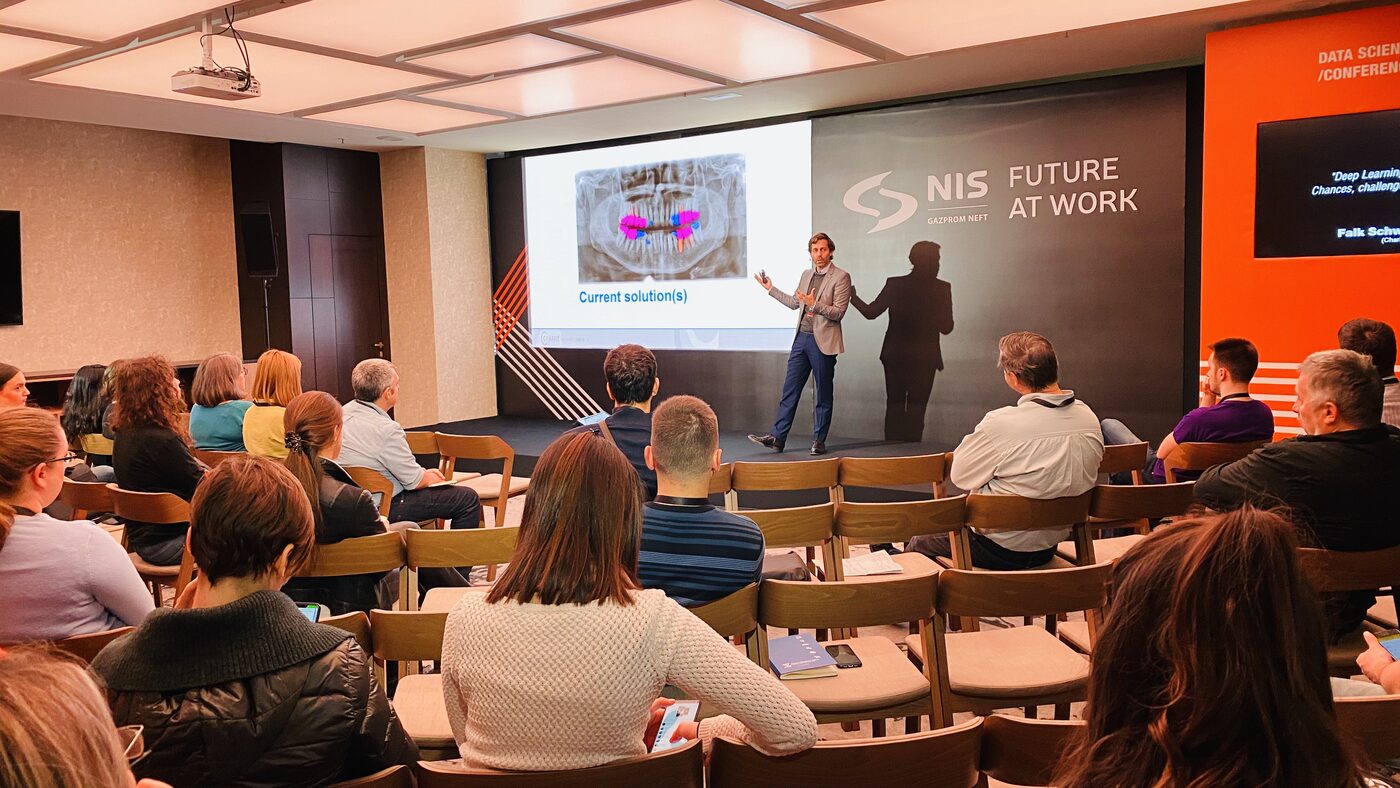
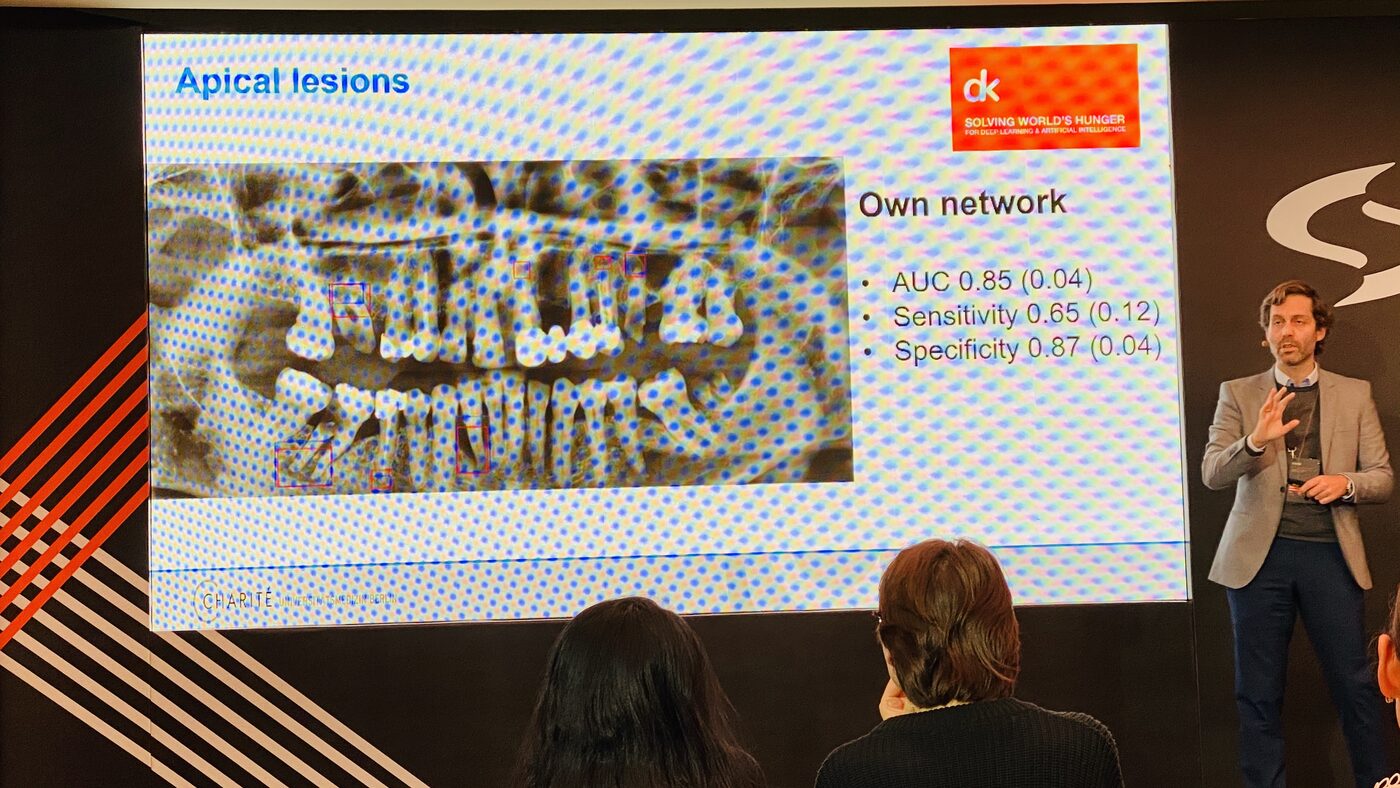
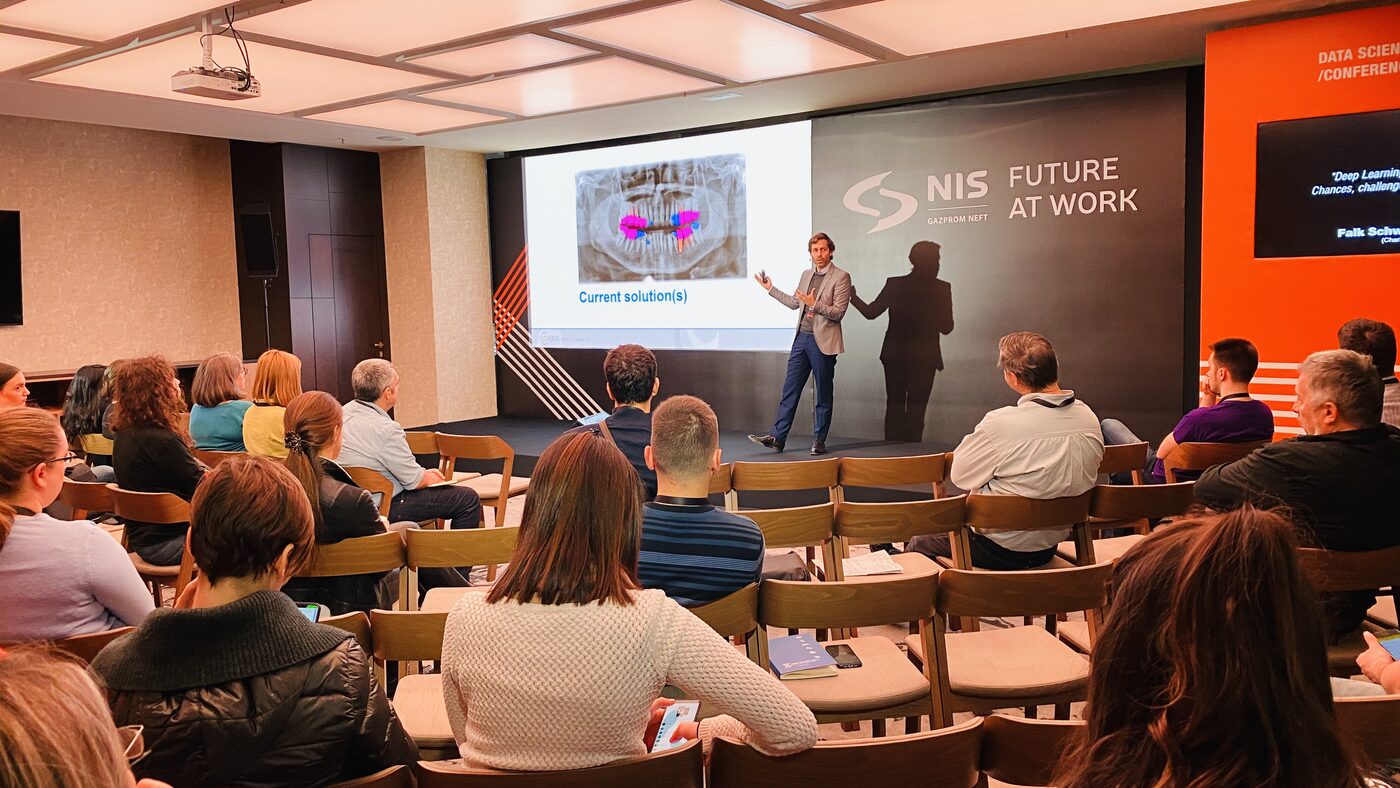
That third case had a session of its own later the same day, in a side hall carrying NIS Future at Work branding. On screen was a panoramic dental radiograph with apical lesions marked, and beside it the figures for the network: AUC 0.85, sensitivity 0.65, specificity 0.87.
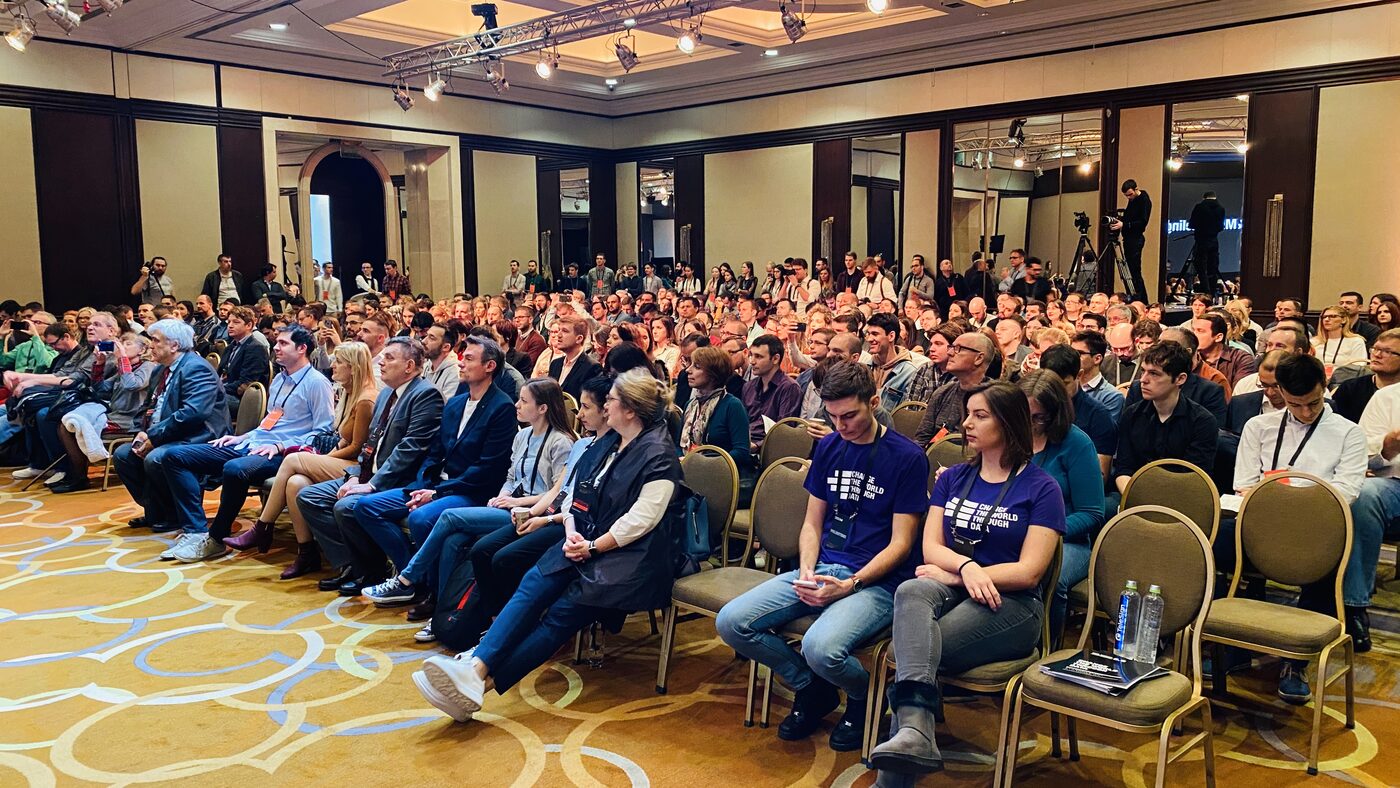
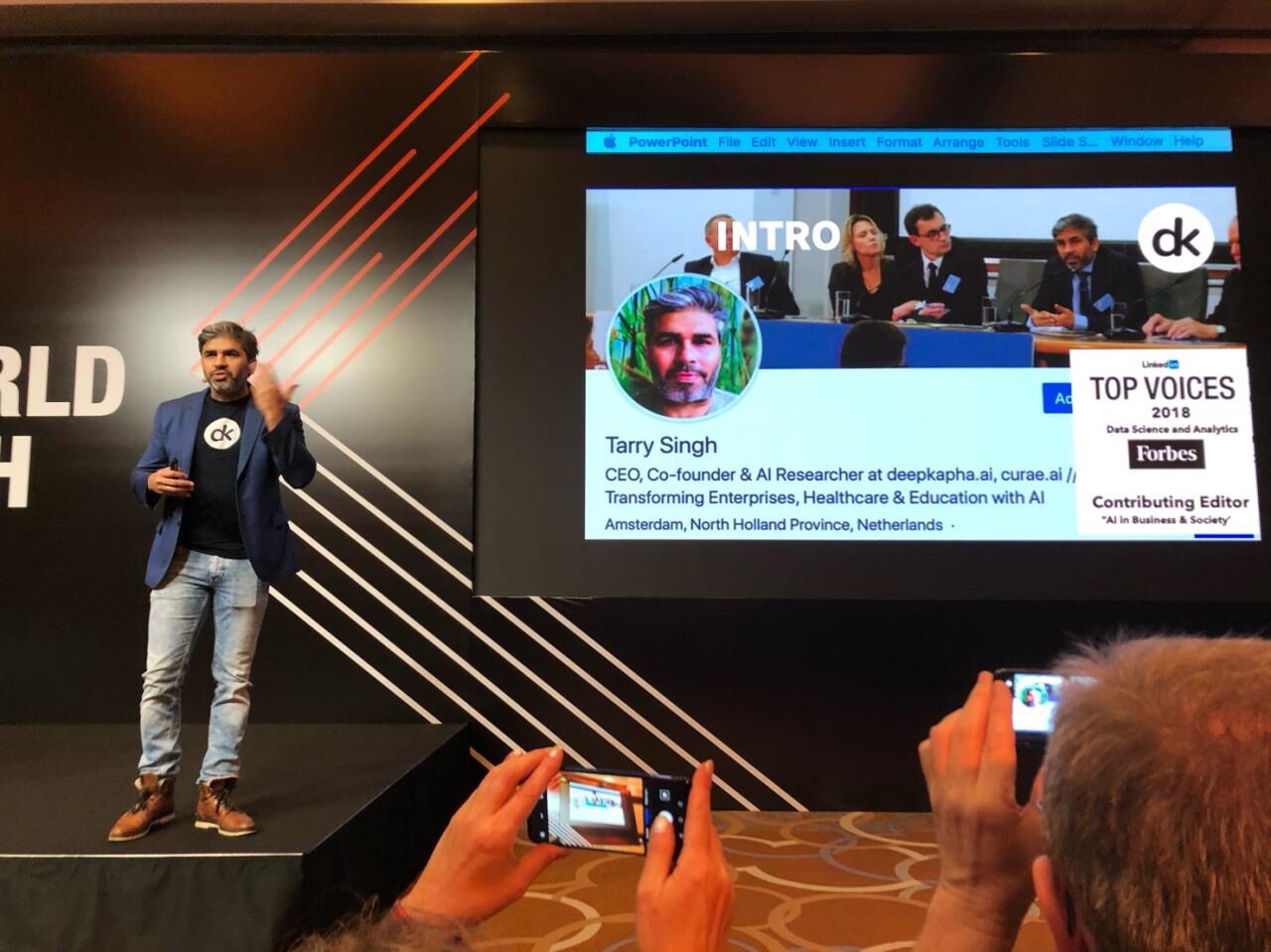
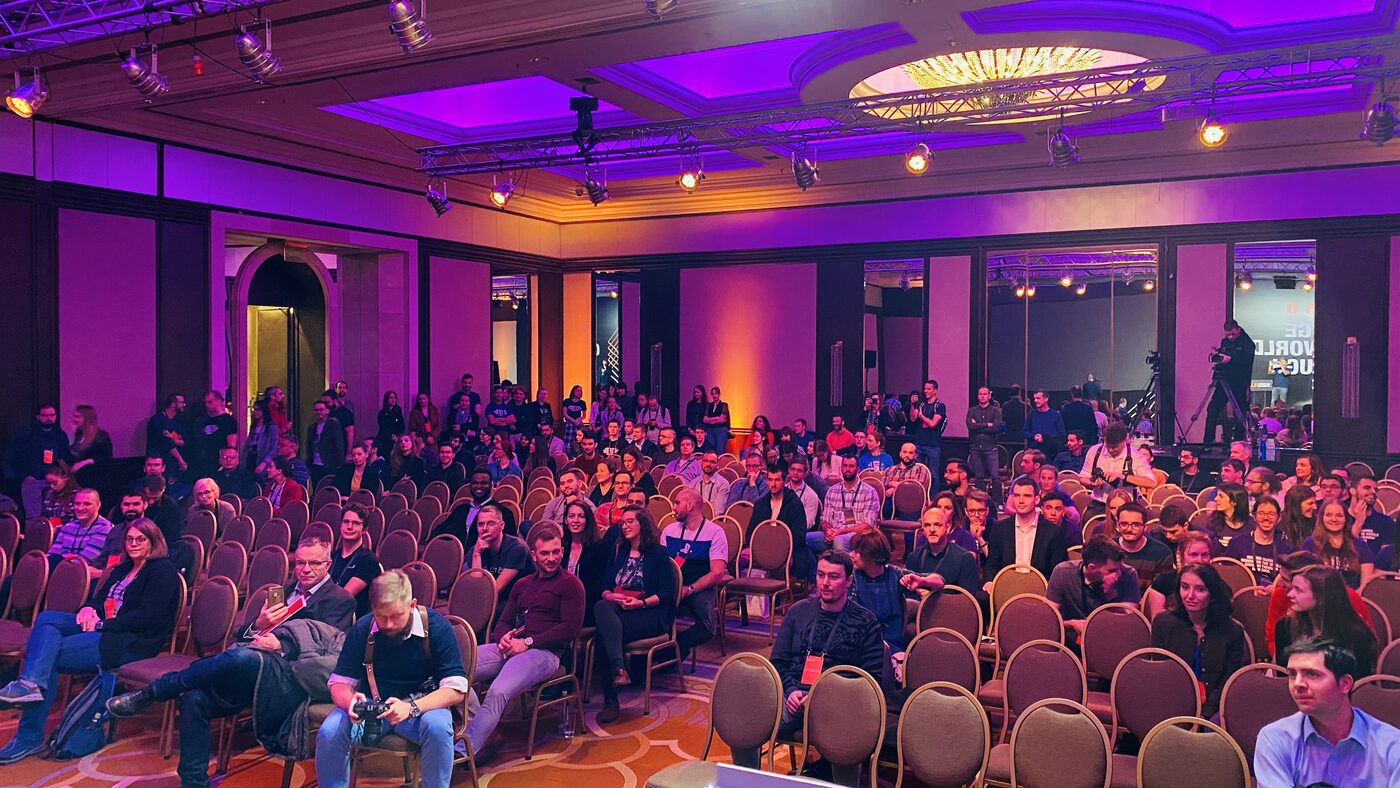
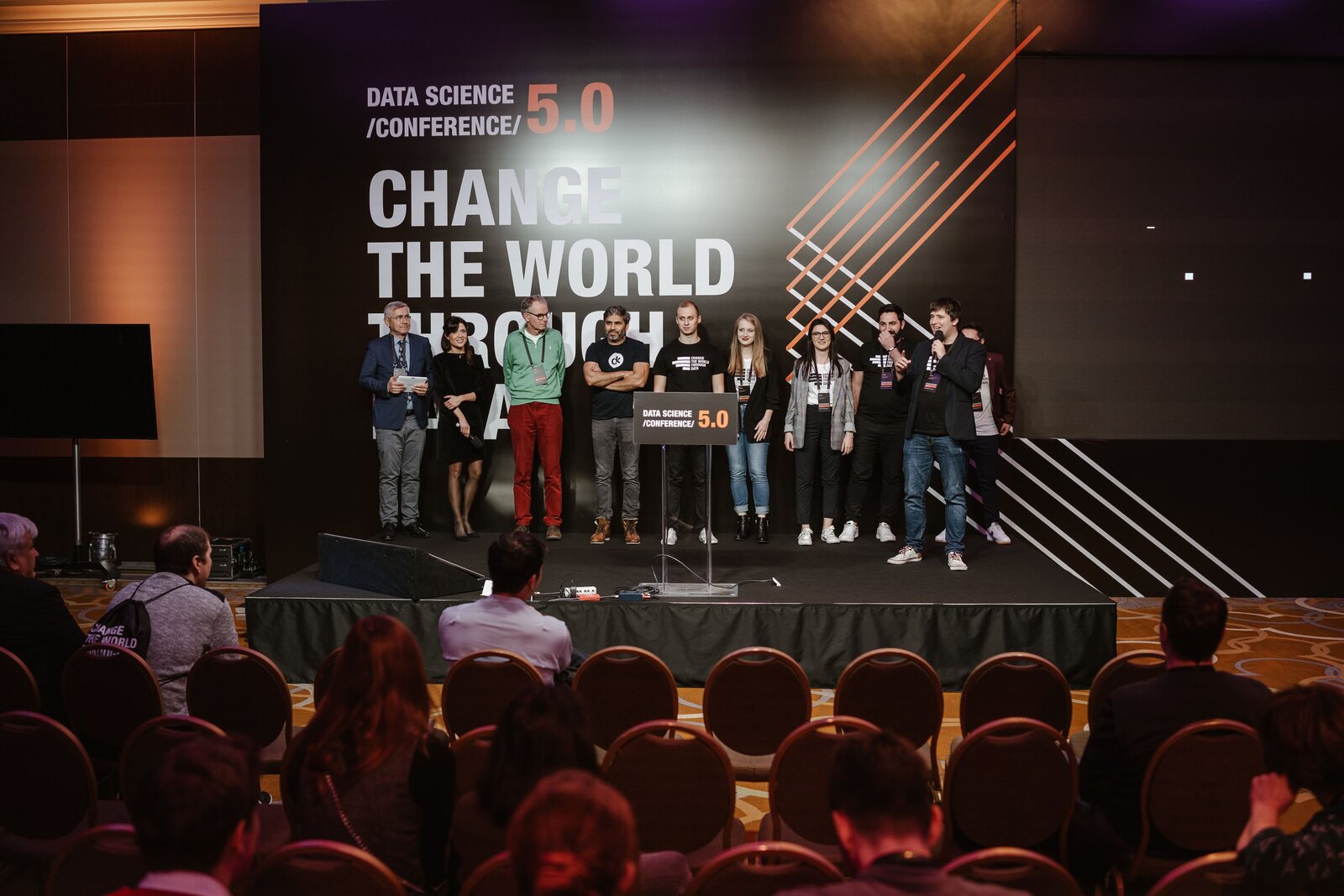
Stage and hall photography by Dragan Radovic for the Data Science Conference, used with the conference's permission.
The organisers' own photography from the event, 339 frames on Flickr. It is published all rights reserved, so we link to it rather than reproduce any of it here.
