Six days at UT Dallas, ending in a chatbot hack
The fourth Dallas engagement in twenty months, and the largest: a six-day programme called Real World AI Project, running from AI fundamentals to a hackday, in a hall with a laptop at almost every seat.
The deck is titled "Real world AI Project, UTD Dallas 2020" and lays the week out as six days. Day one was AI fundamentals, machine learning and deep learning theory with a gentle introduction to computer vision and convolutional networks. Day two took CNNs further. Day three was generative adversarial networks and the start of natural language processing. Day four was advanced NLP with time series introduced alongside it. Day five was time series forecasting, ARIMA and recurrent networks. Day six was the hack. Every day carried a theory block and a coding session, in that order.
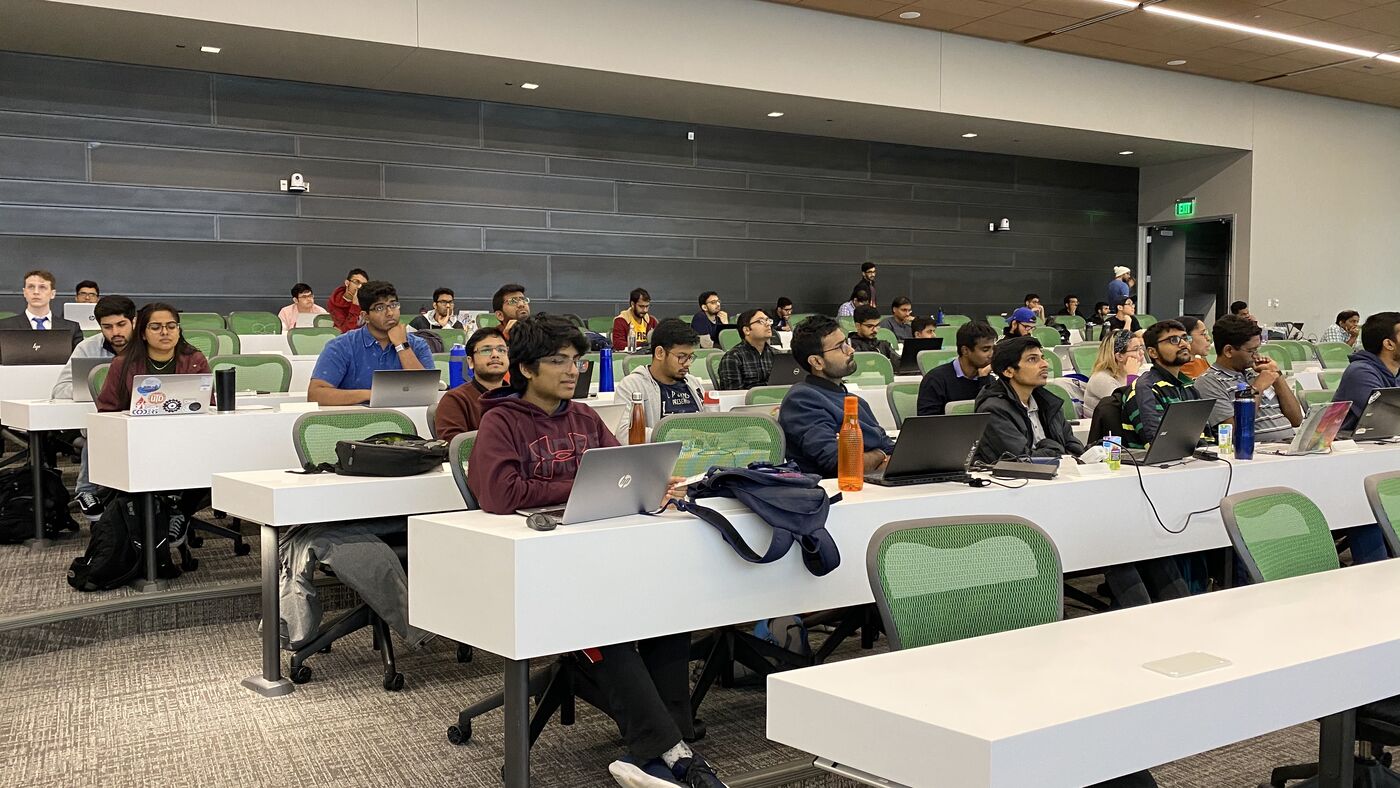
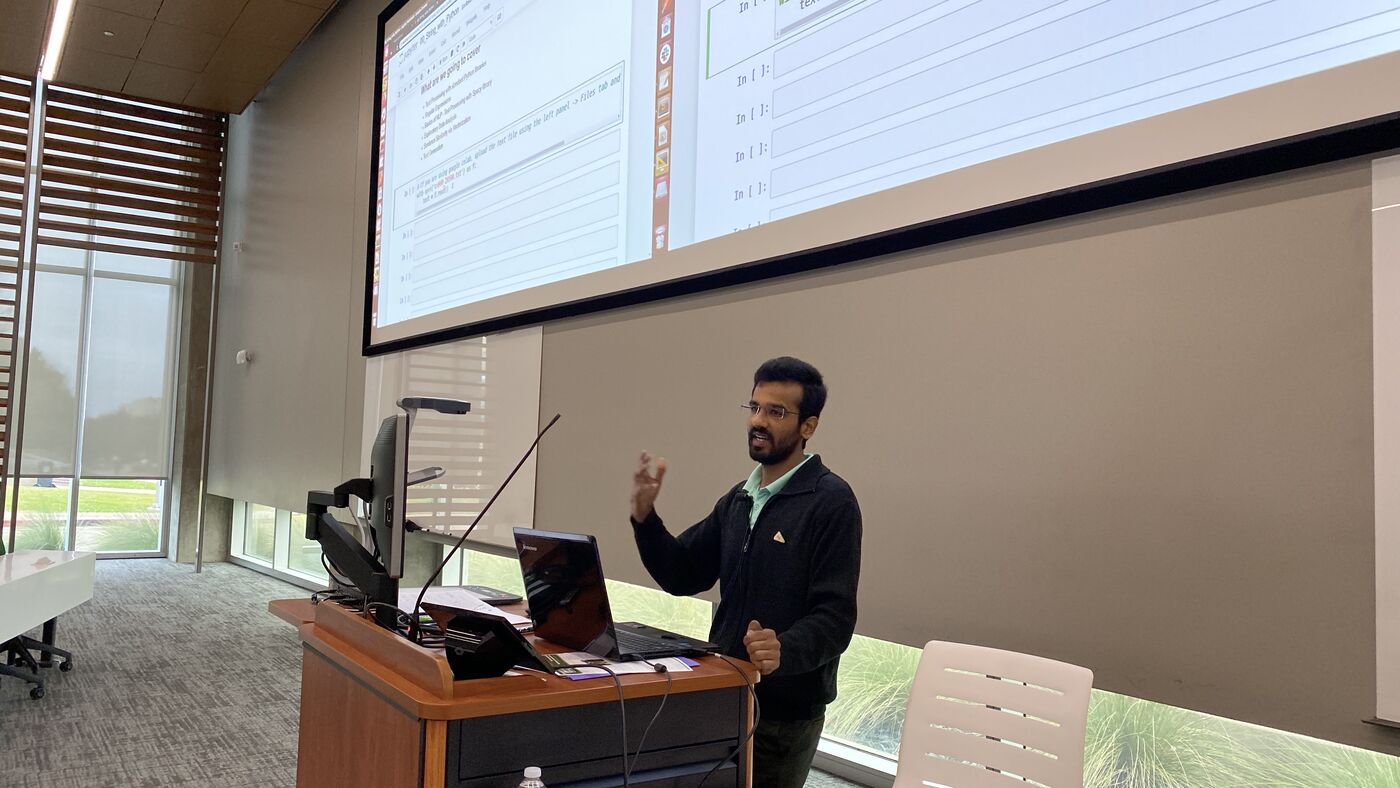
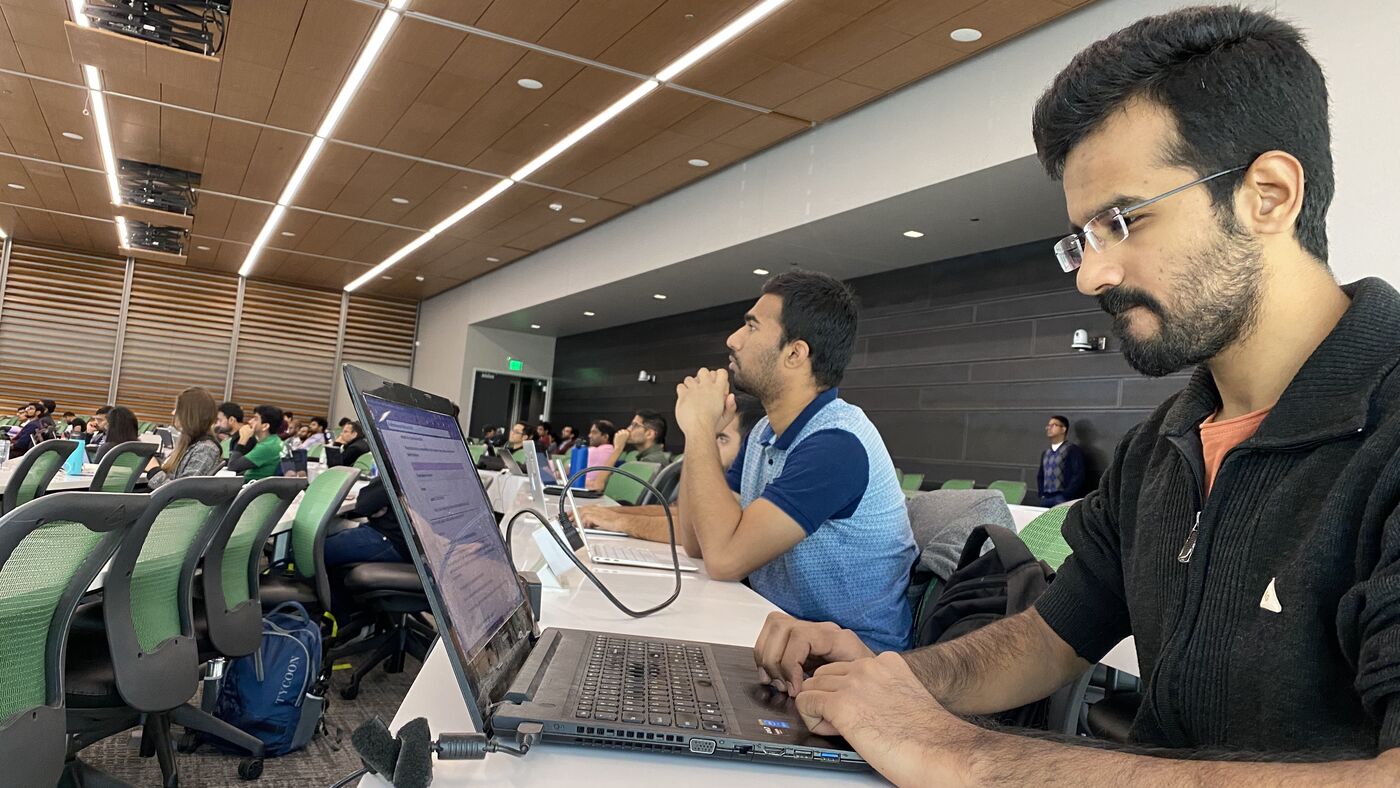
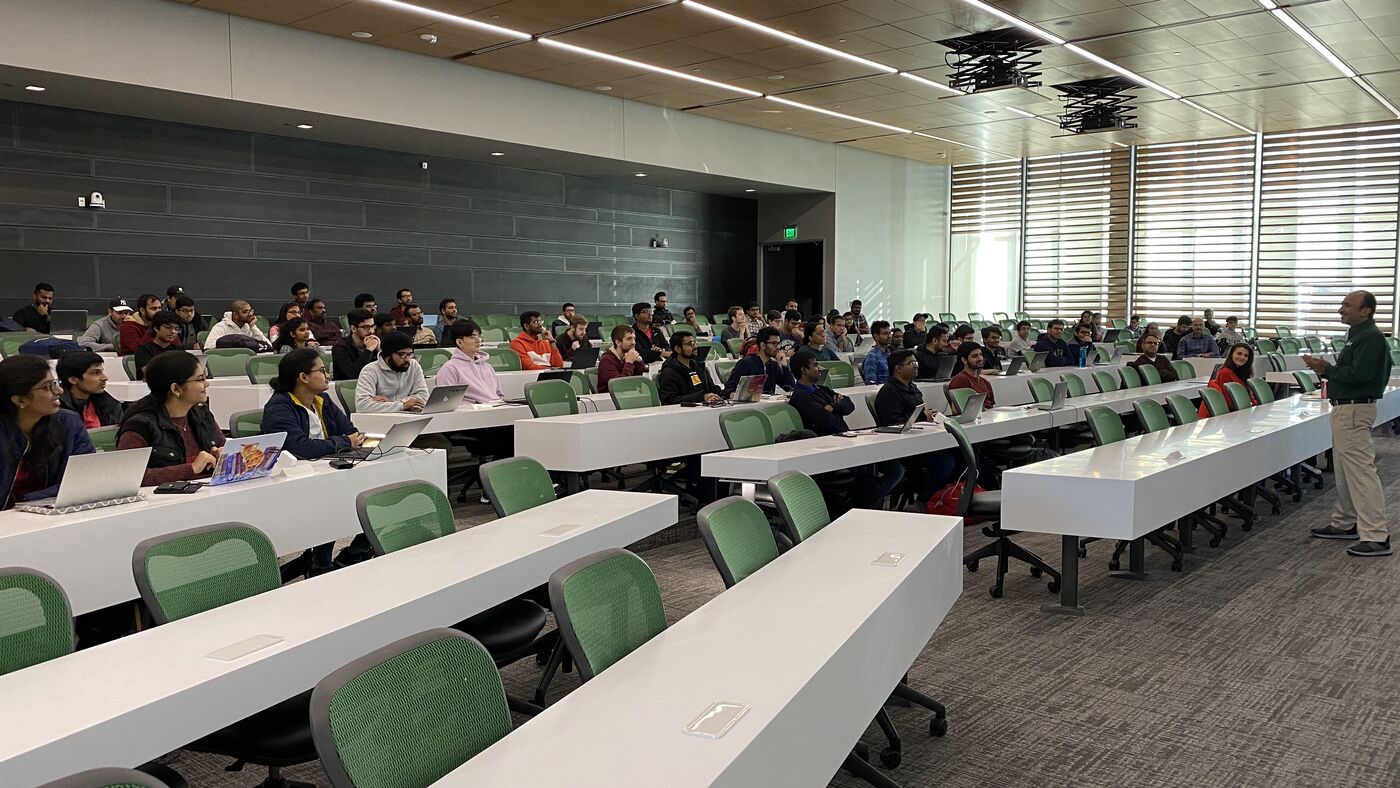
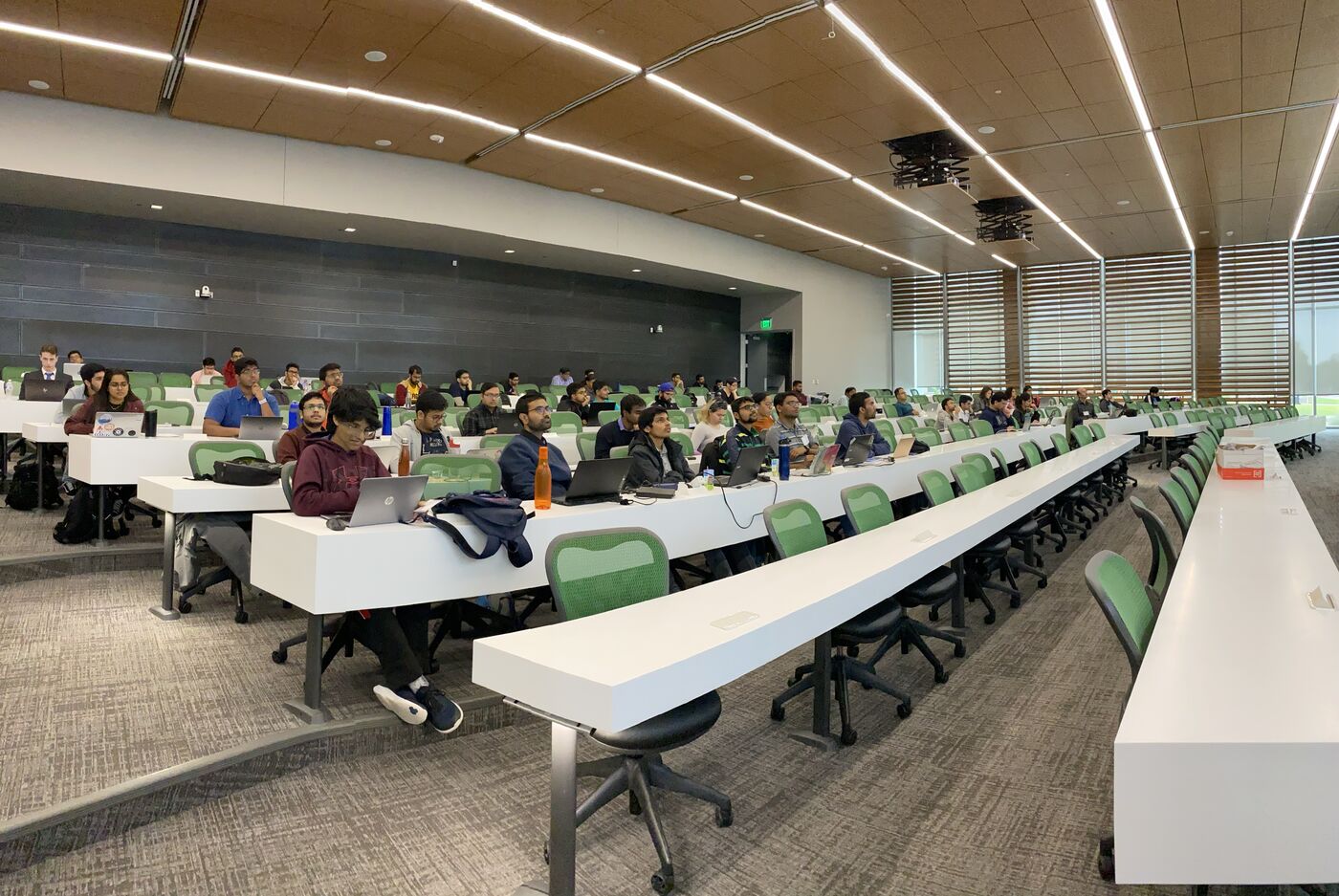
The photographs run from 5 to 11 January 2020, and they say something the deck does not. This was a big room. Long curved benches four and five rows deep, a laptop open at almost every seat, and the front screen wide enough to carry a Jupyter notebook at readable size across its whole width. The teaching moved between the lectern and the board, and for large parts of the week the screen showed live code rather than slides.
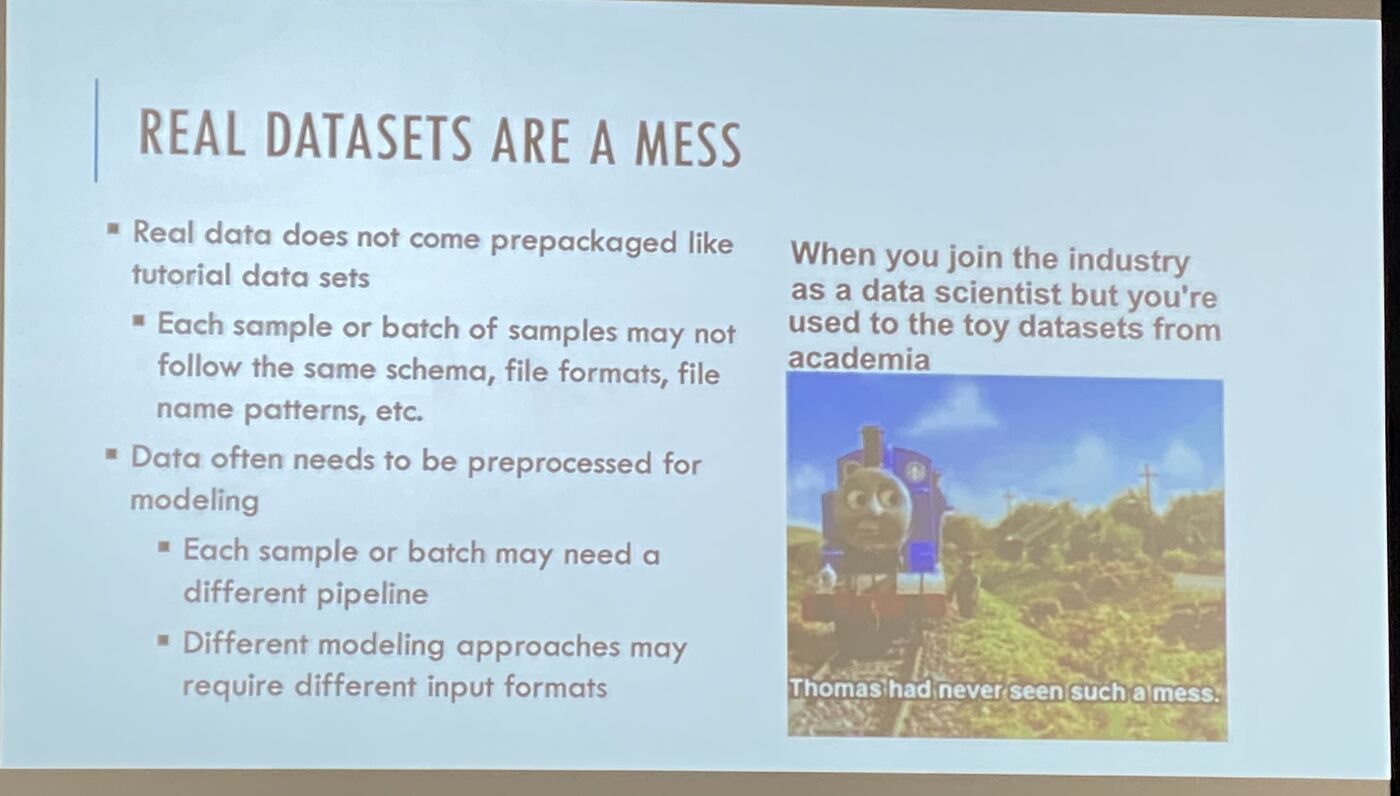
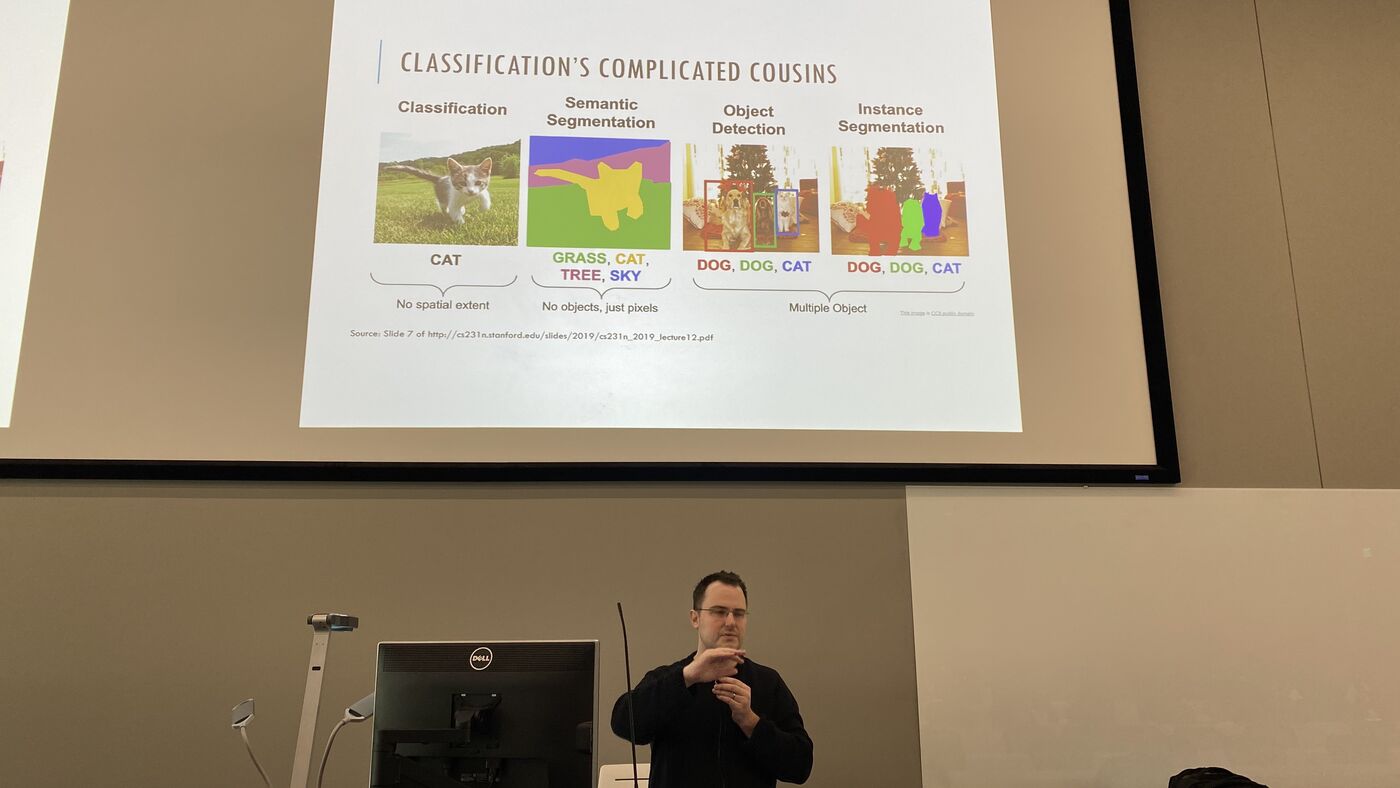
The slides have a sense of humour about the gap between a course and a job. One is headed "Real datasets are a mess", and makes the point that real data does not arrive prepackaged like a tutorial set, that each batch may need its own pipeline, and that this is what you meet on the first day of the job rather than the last day of the course. Another sets classification against semantic segmentation, object detection and instance segmentation on the same photograph, under the heading "Classification's complicated cousins". A third, on putting a model in front of a person, is headed "Production: give your model a good interface", and lists Streamlit, Dash and Plotly.
Day six was a chatbot. The reading was Weston and colleagues on prerequisite toy tasks for question answering, and Sukhbaatar and colleagues on end-to-end memory networks, and the working files are the bAbI question and answer sets with a challenge notebook and its solution. The deck's own instruction for the day is short: create a hack solution for the problem set at the beginning of the week, then winners announced and a certificate for everyone.
The certificates were handed over one participant at a time at the front of the hall, each recipient standing next to Tarry Singh, holding the certificate. Different person every time.
The exact dates are unconfirmed; the range covers the whole visit.
The lecture hall during a session, participants at the benches with laptops open. 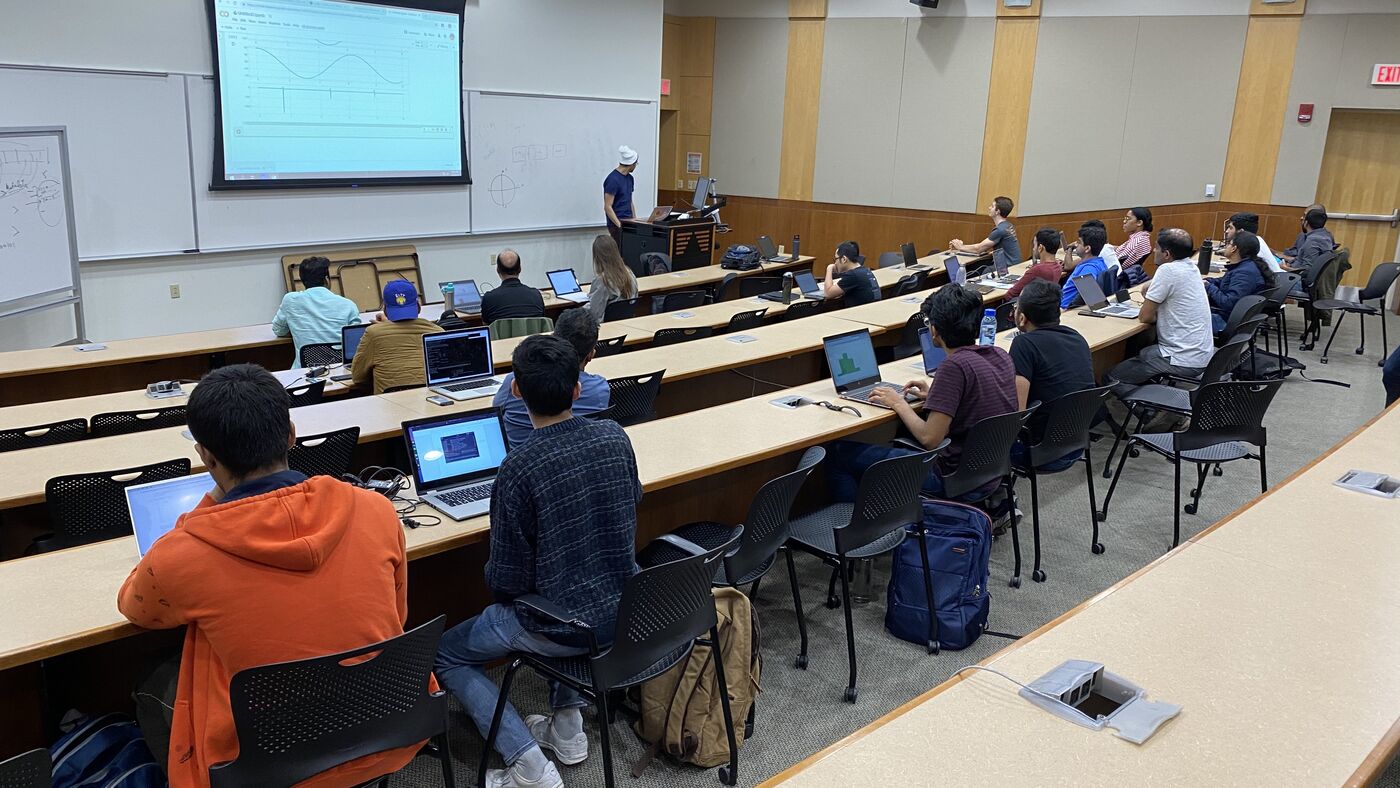
The lecture hall during a session, participants at the benches with laptops open. 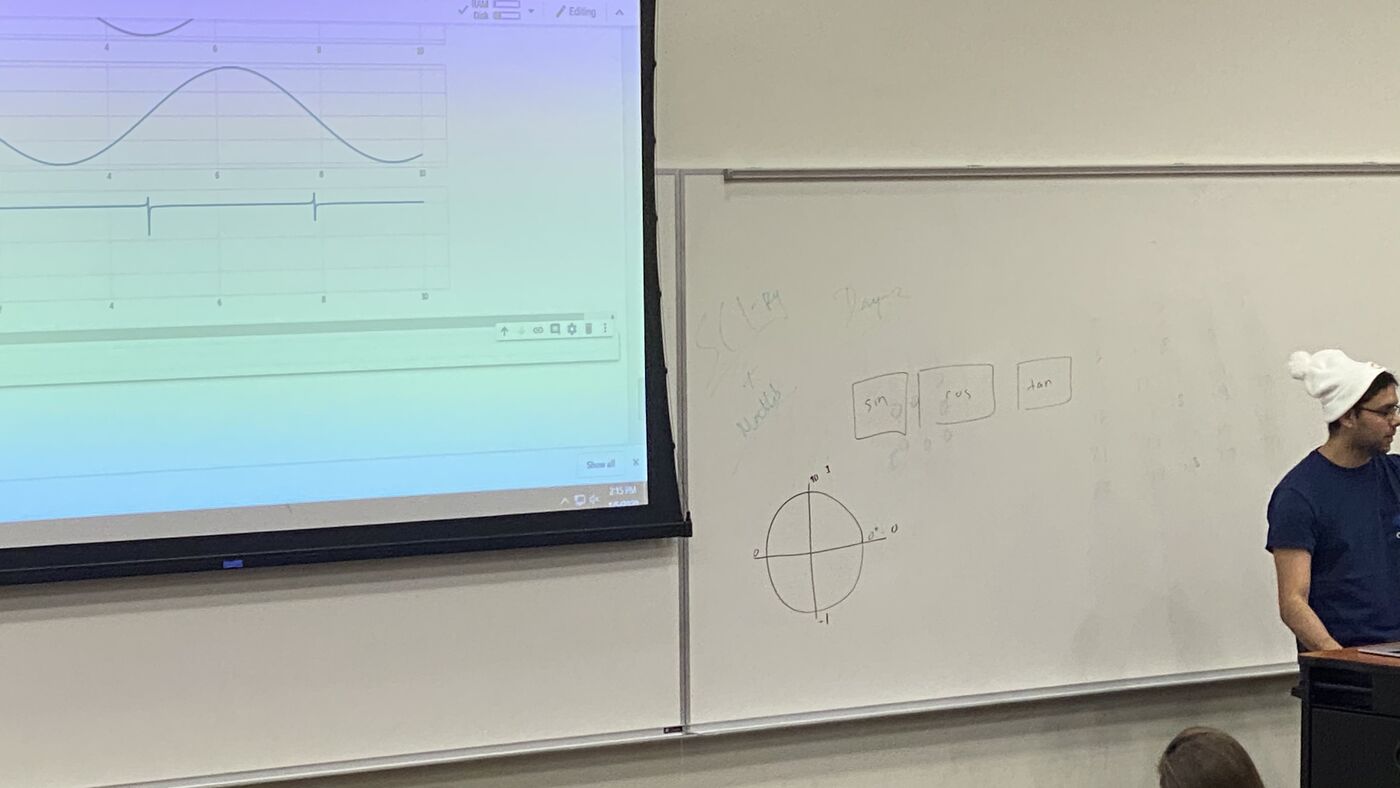
The lecture hall during a session, participants at the benches with laptops open. 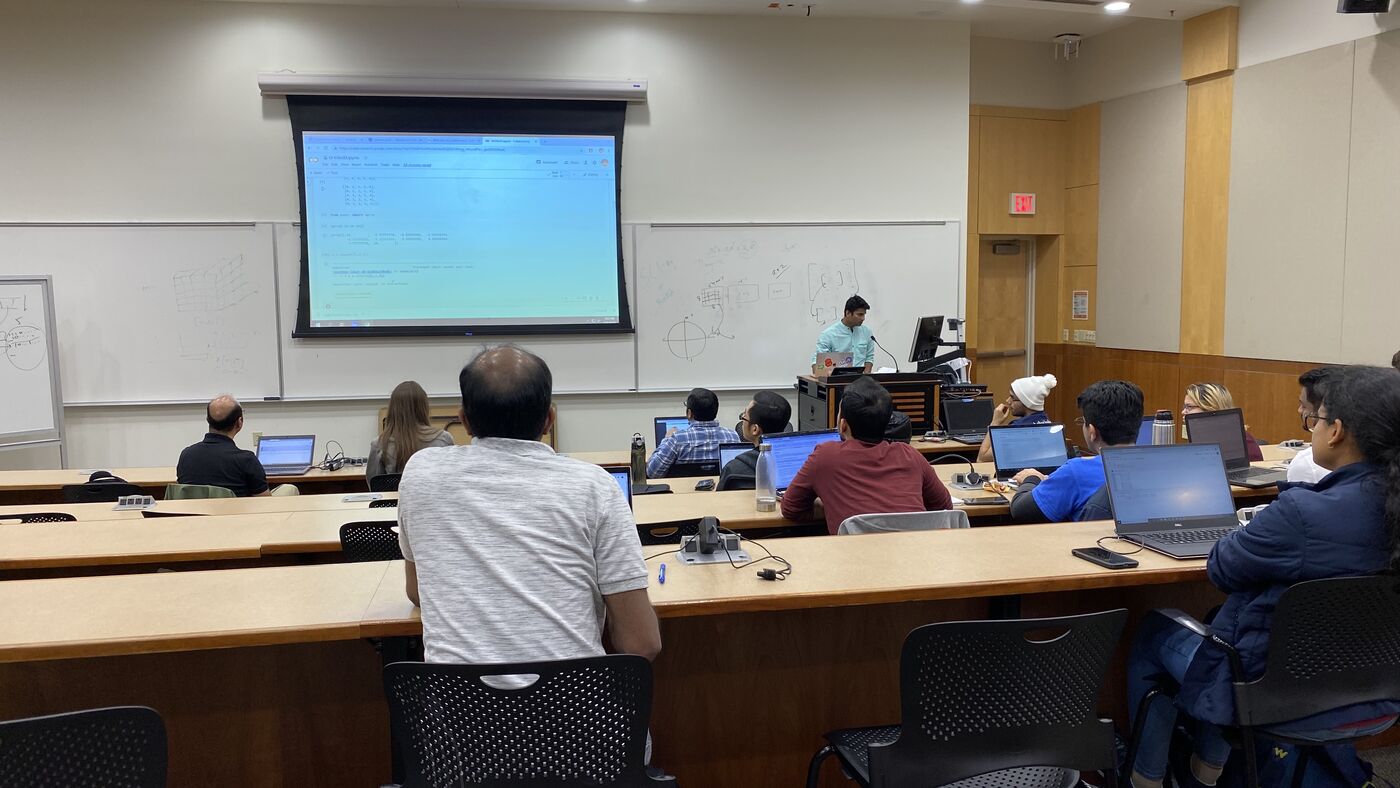
The lecture hall during a session, participants at the benches with laptops open. 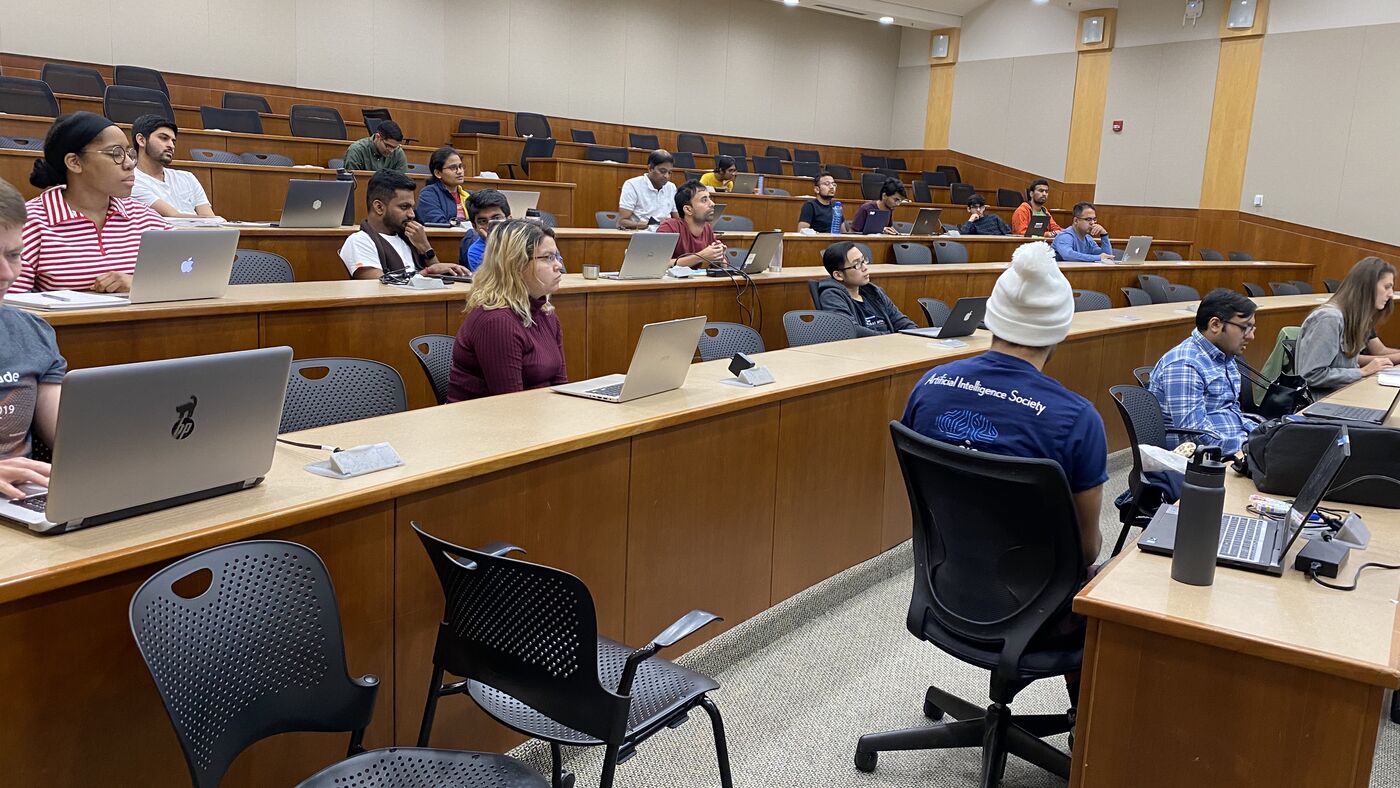
The lecture hall during a session, participants at the benches with laptops open. 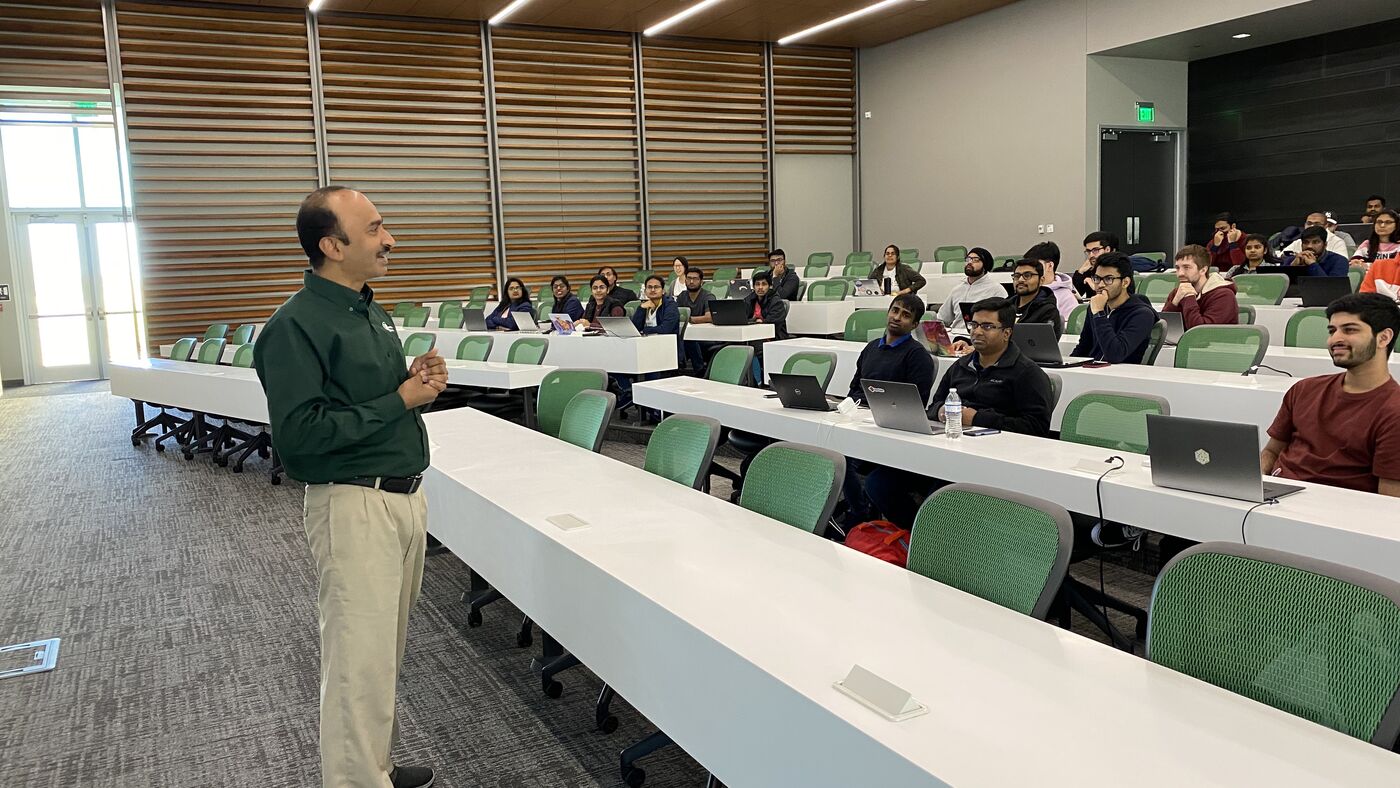
The lecture hall during a session, participants at the benches with laptops open. 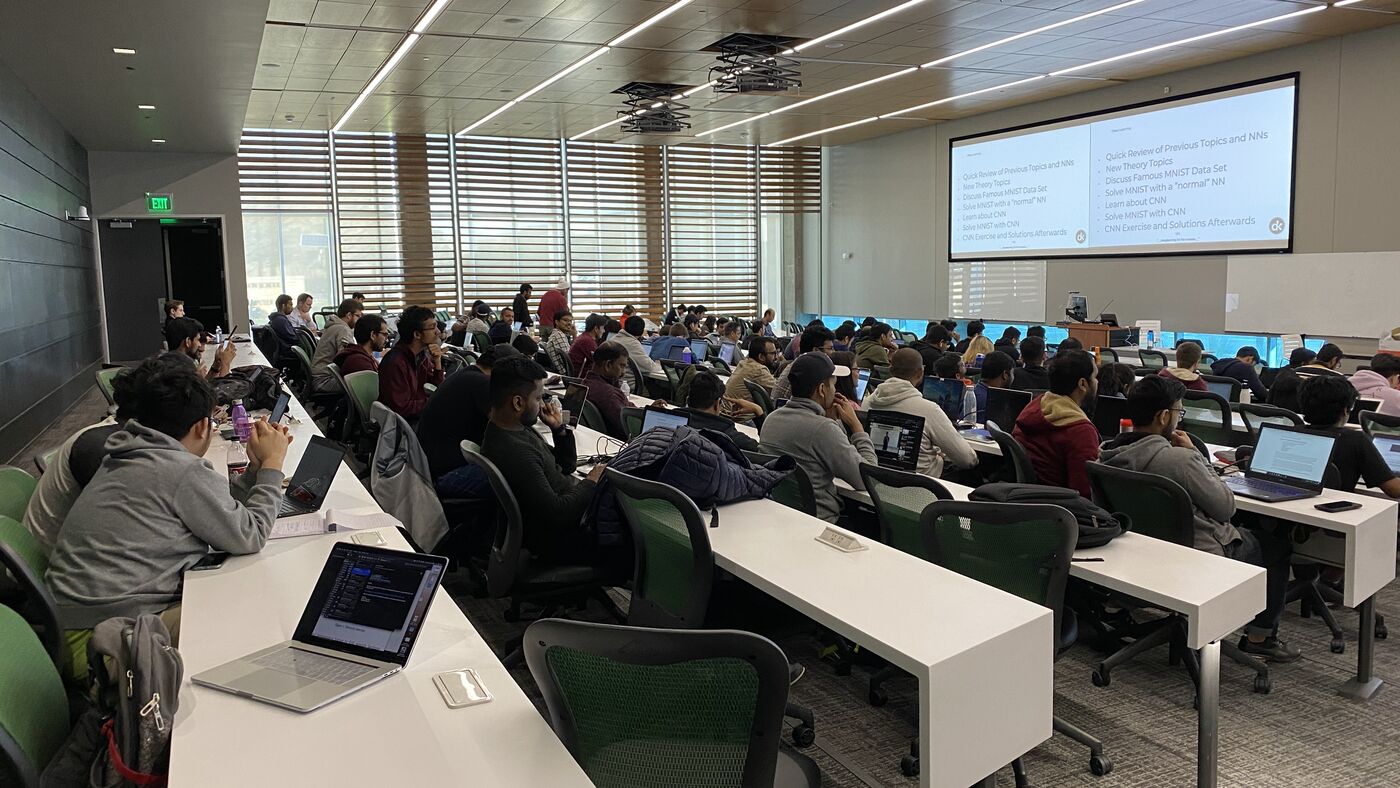
The lecture hall during a session, participants at the benches with laptops open. 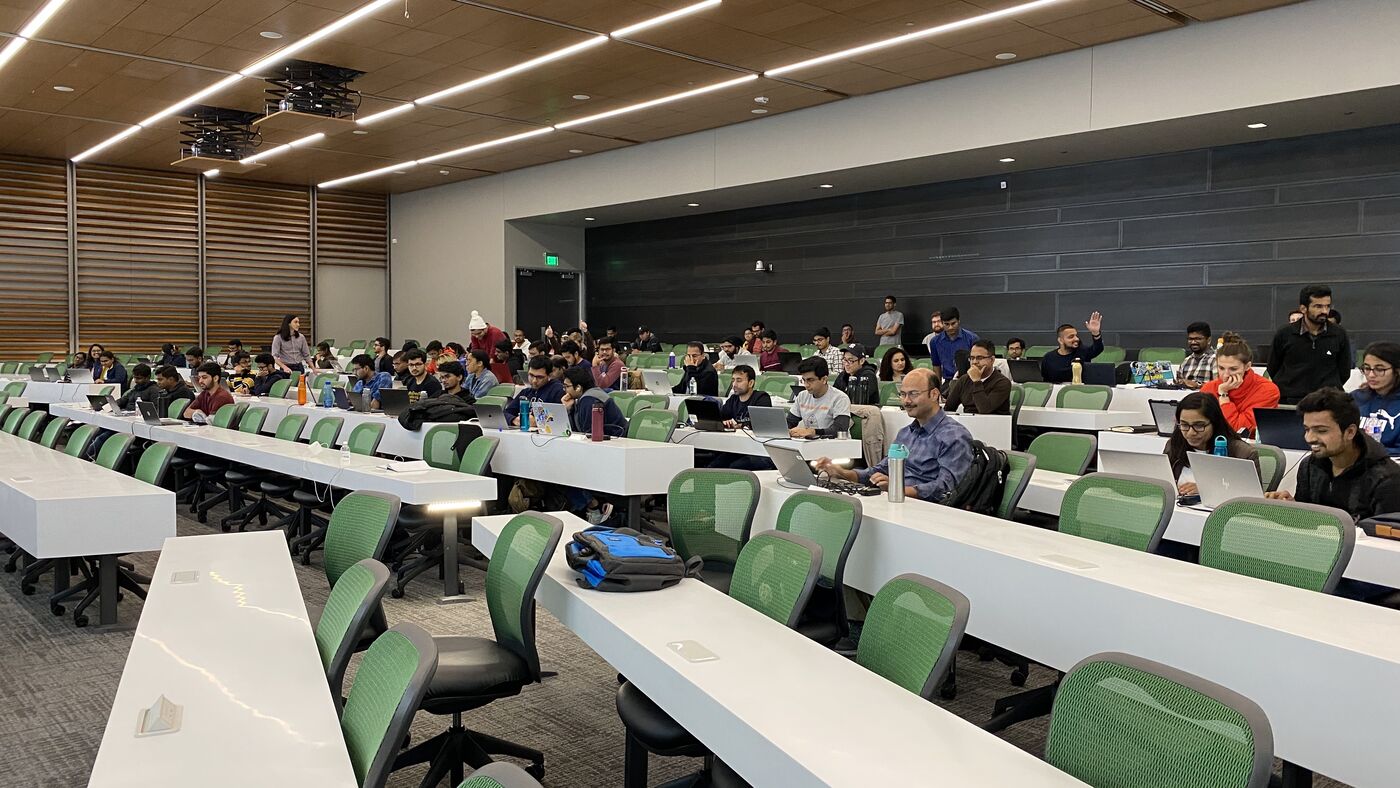
The lecture hall during a session, participants at the benches with laptops open. 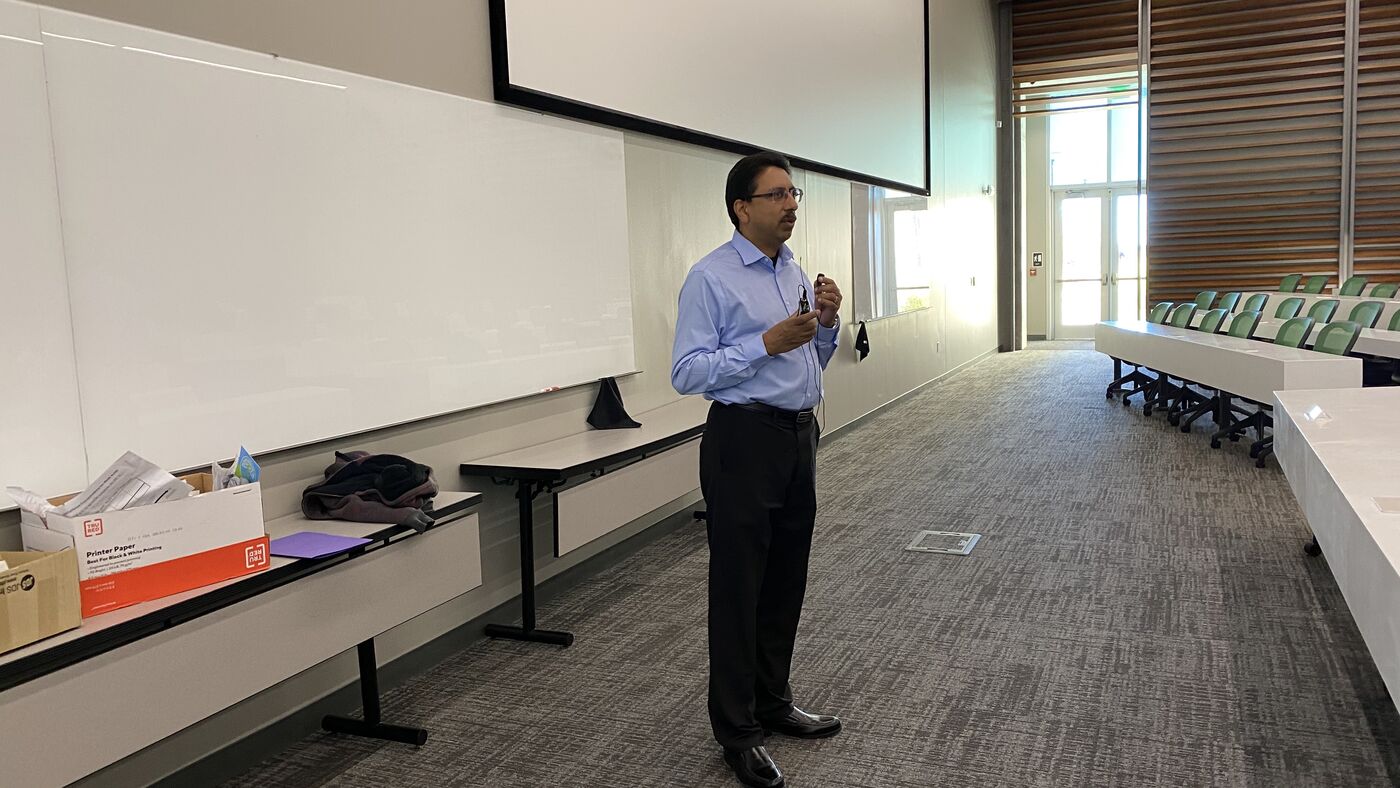
An instructor presenting to the room, whiteboard behind. 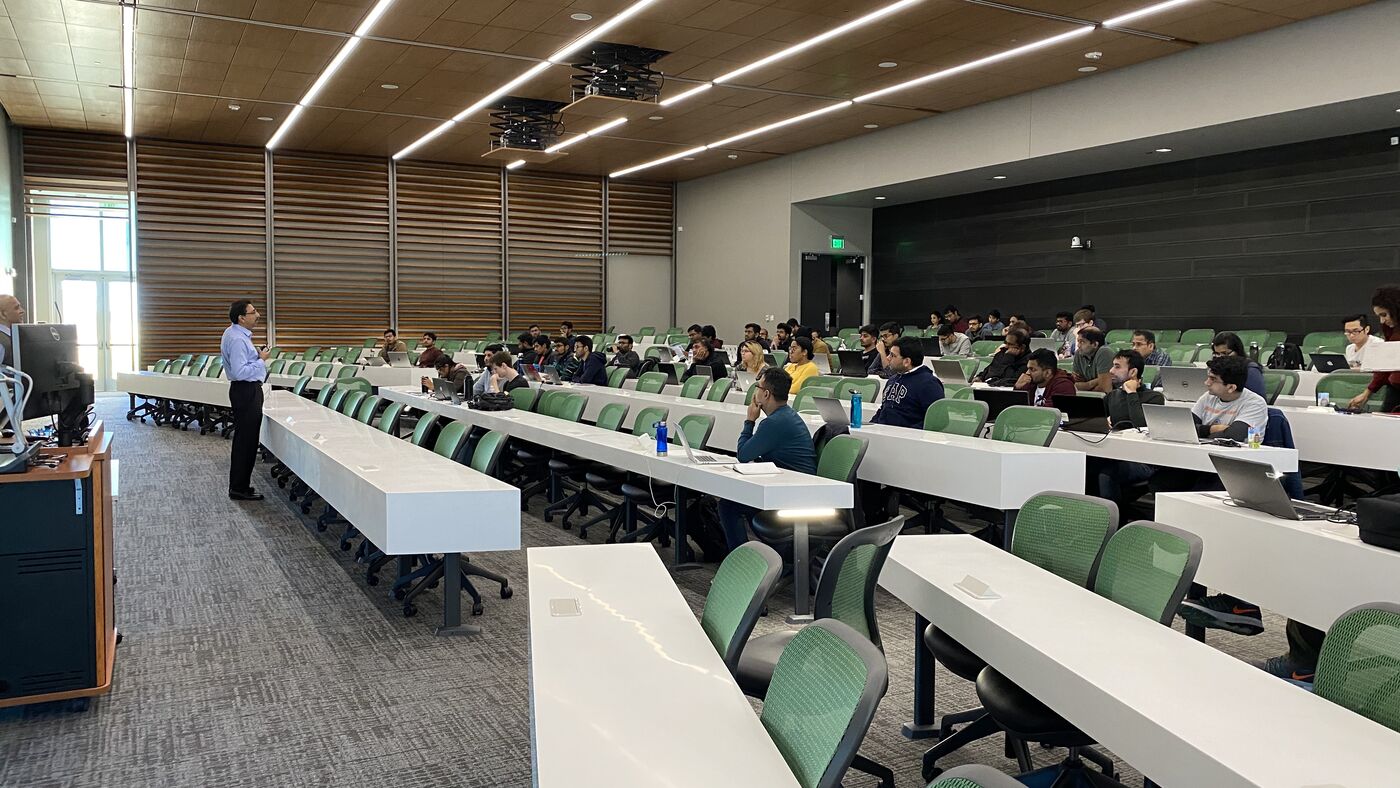
The lecture hall during a session, participants at the benches with laptops open. 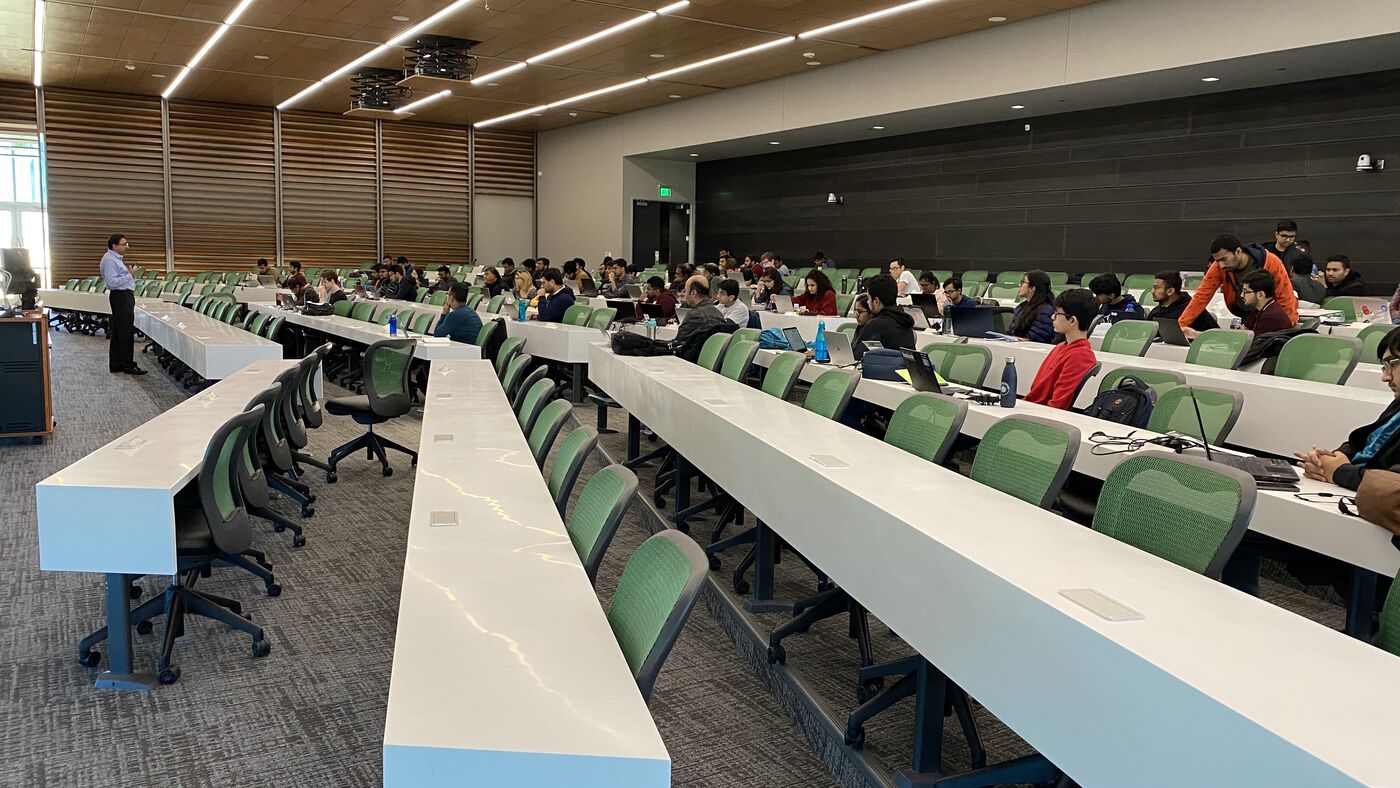
The lecture hall during a session, participants at the benches with laptops open. 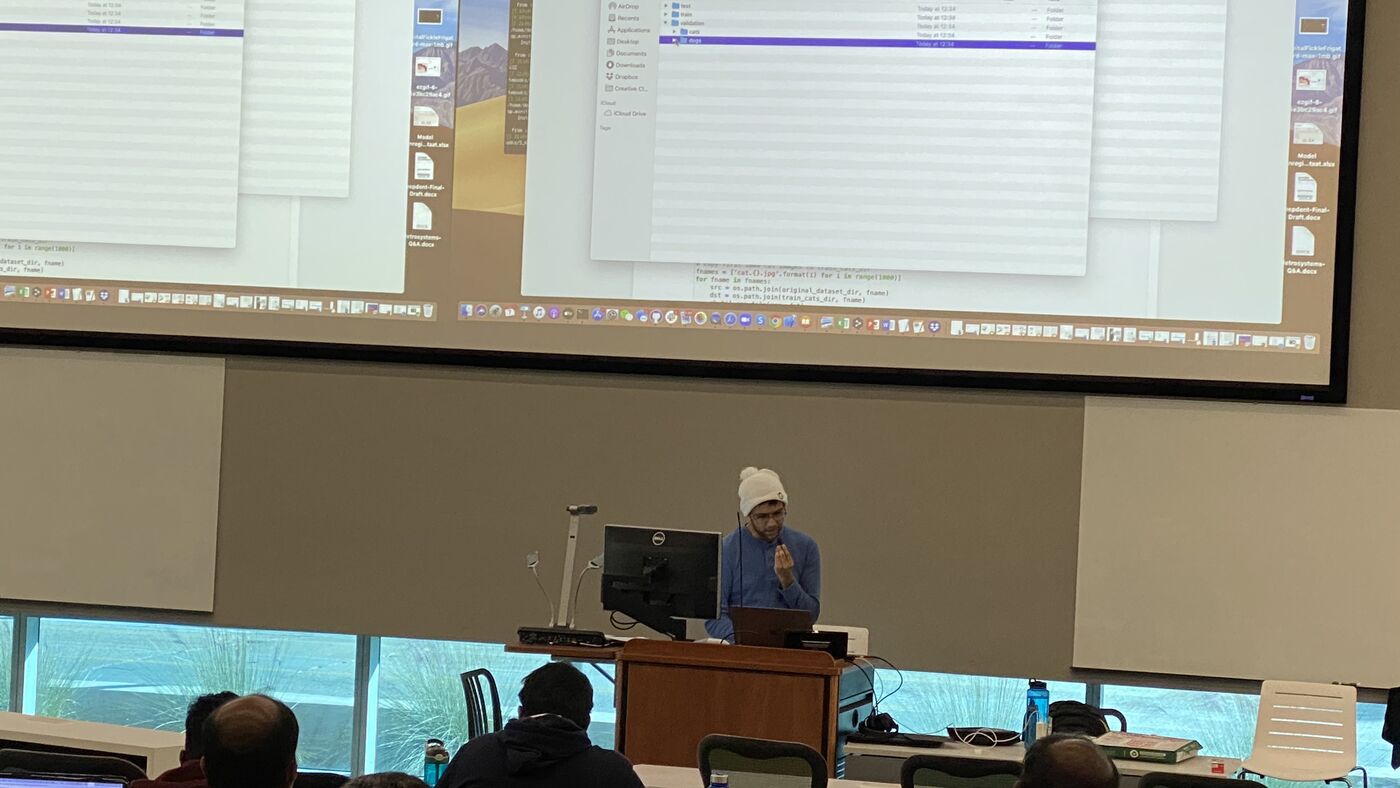
The lecture hall during a session, participants at the benches with laptops open. 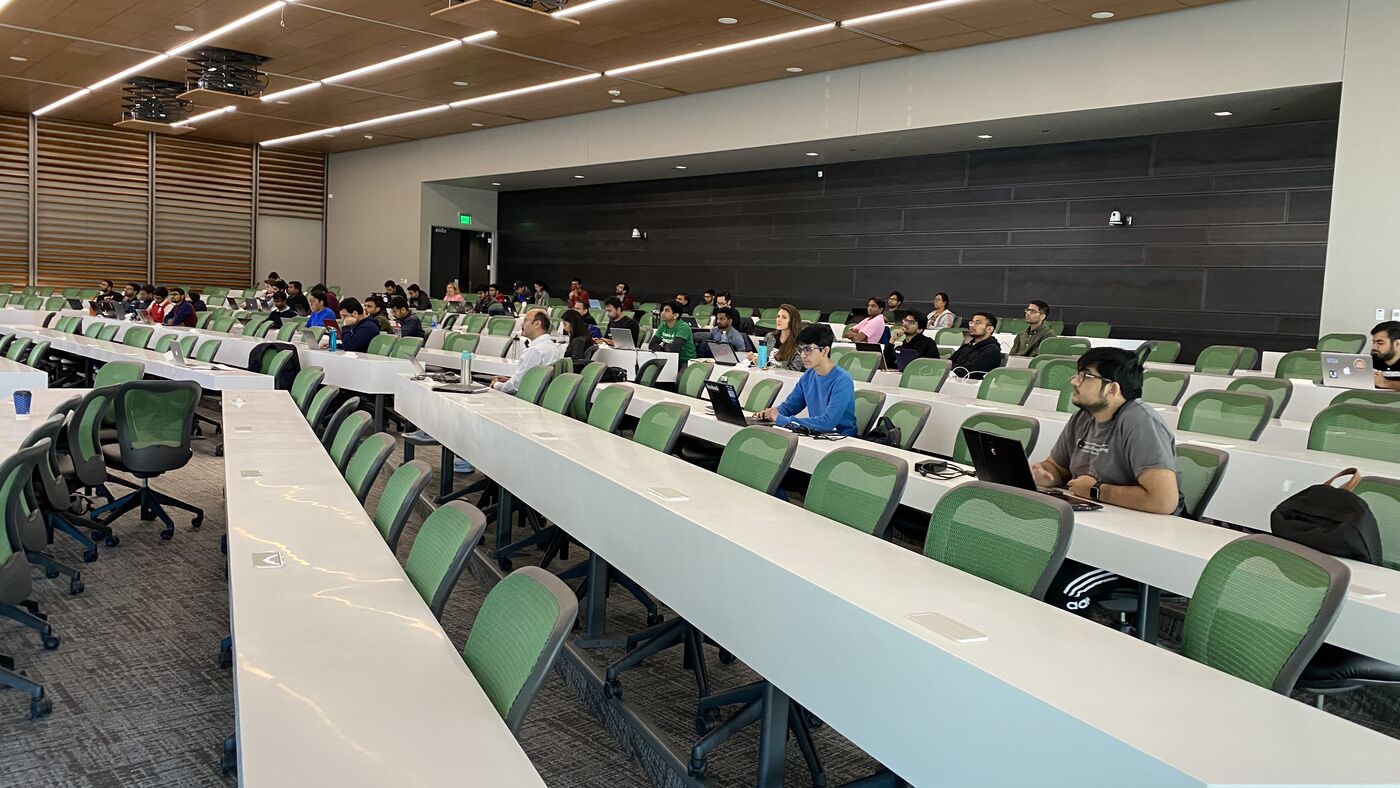
The lecture hall during a session, participants at the benches with laptops open. 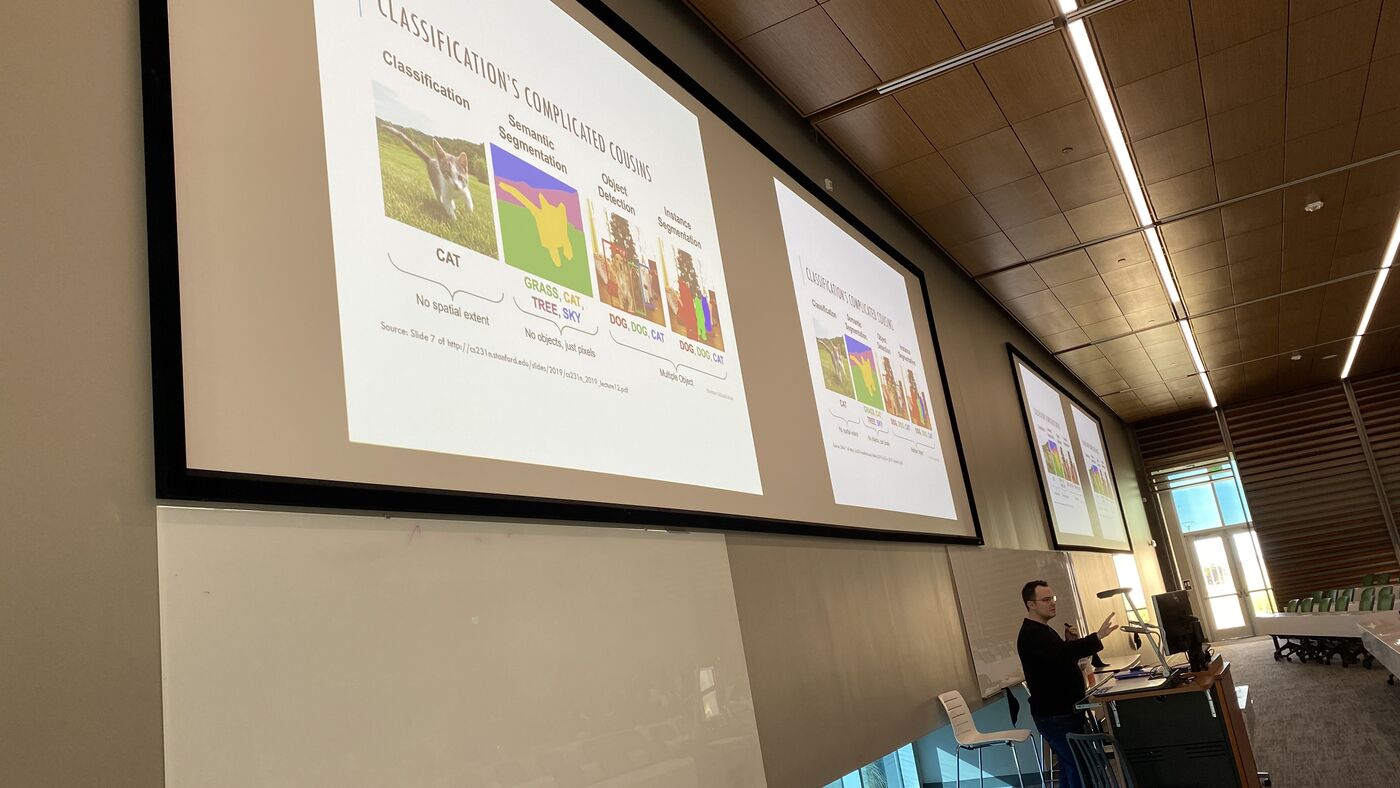
The lecture hall during a session, participants at the benches with laptops open. 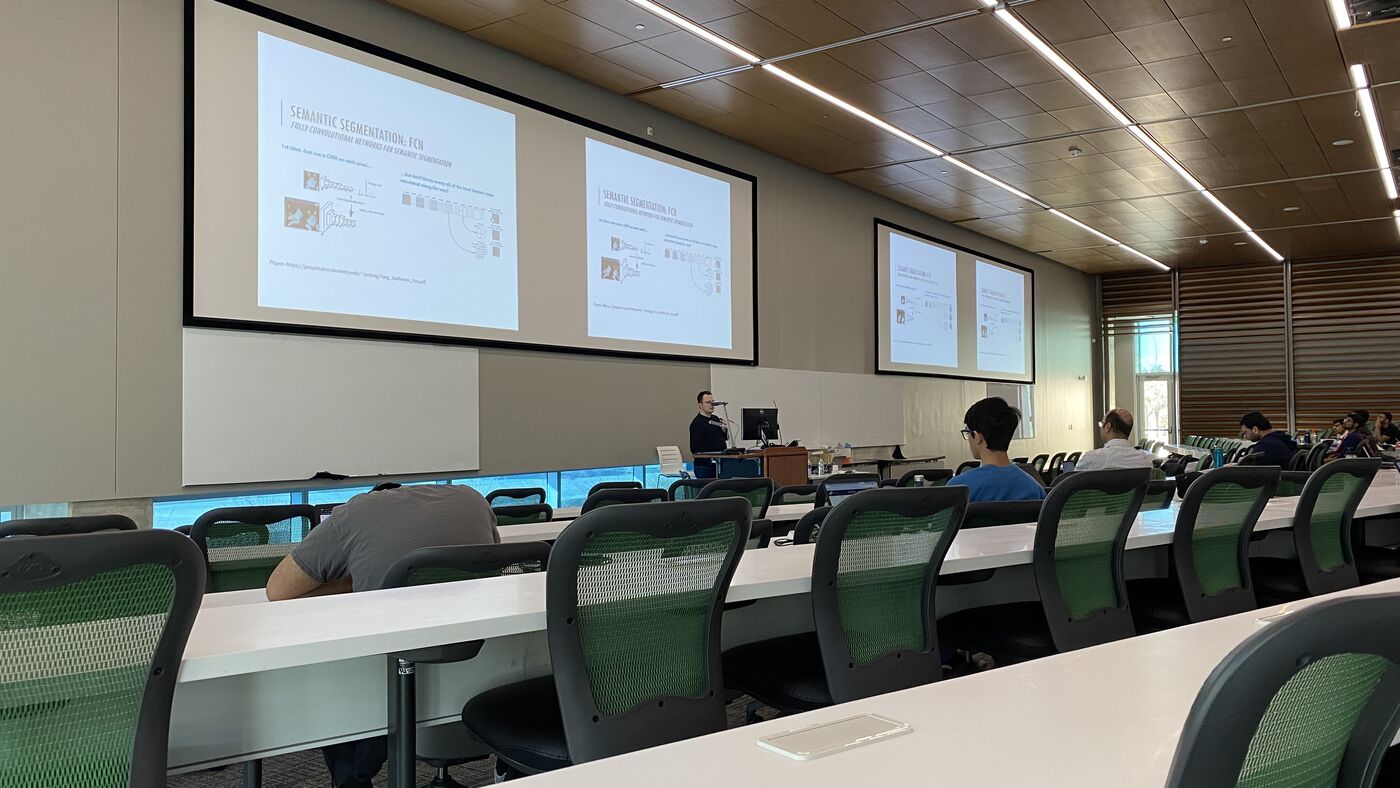
The lecture hall during a session, participants at the benches with laptops open. 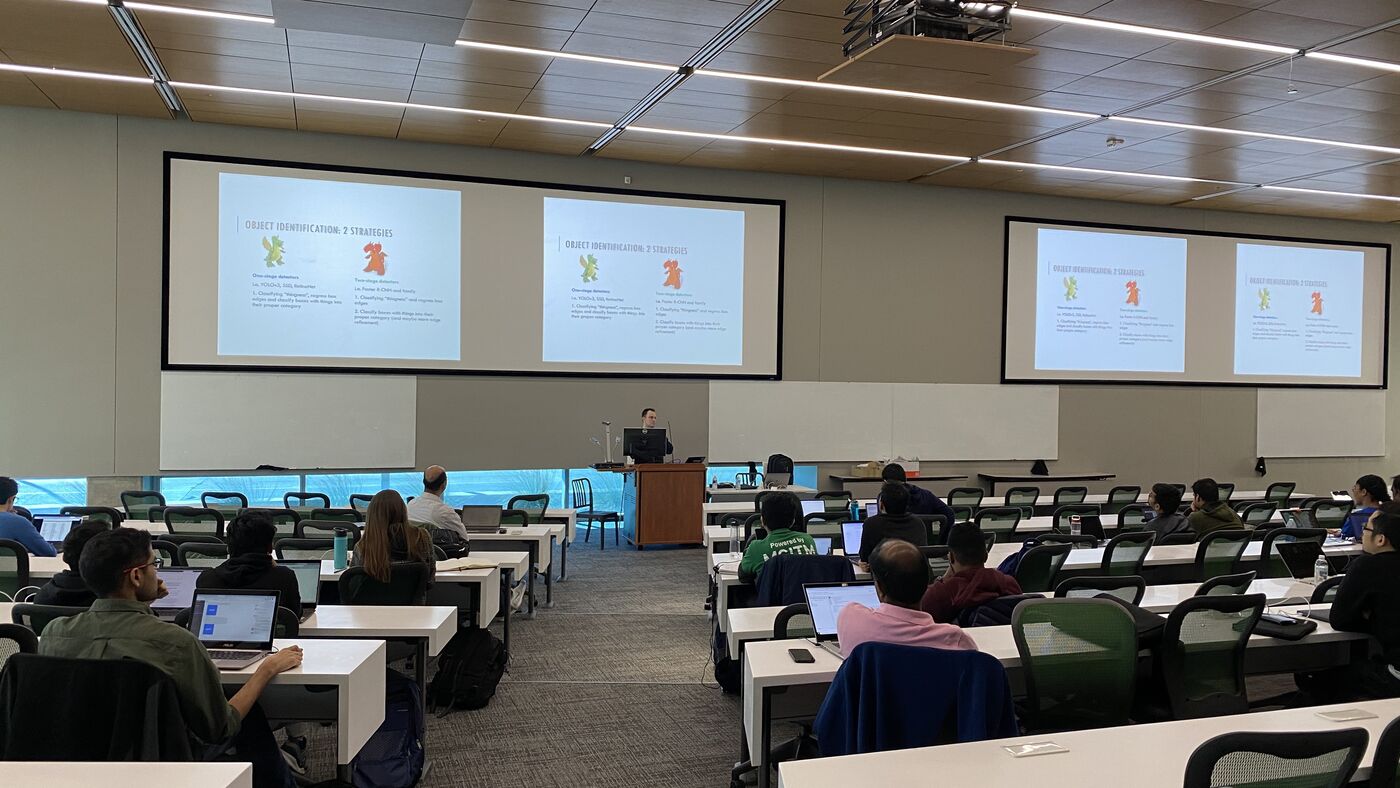
The lecture hall during a session, participants at the benches with laptops open. 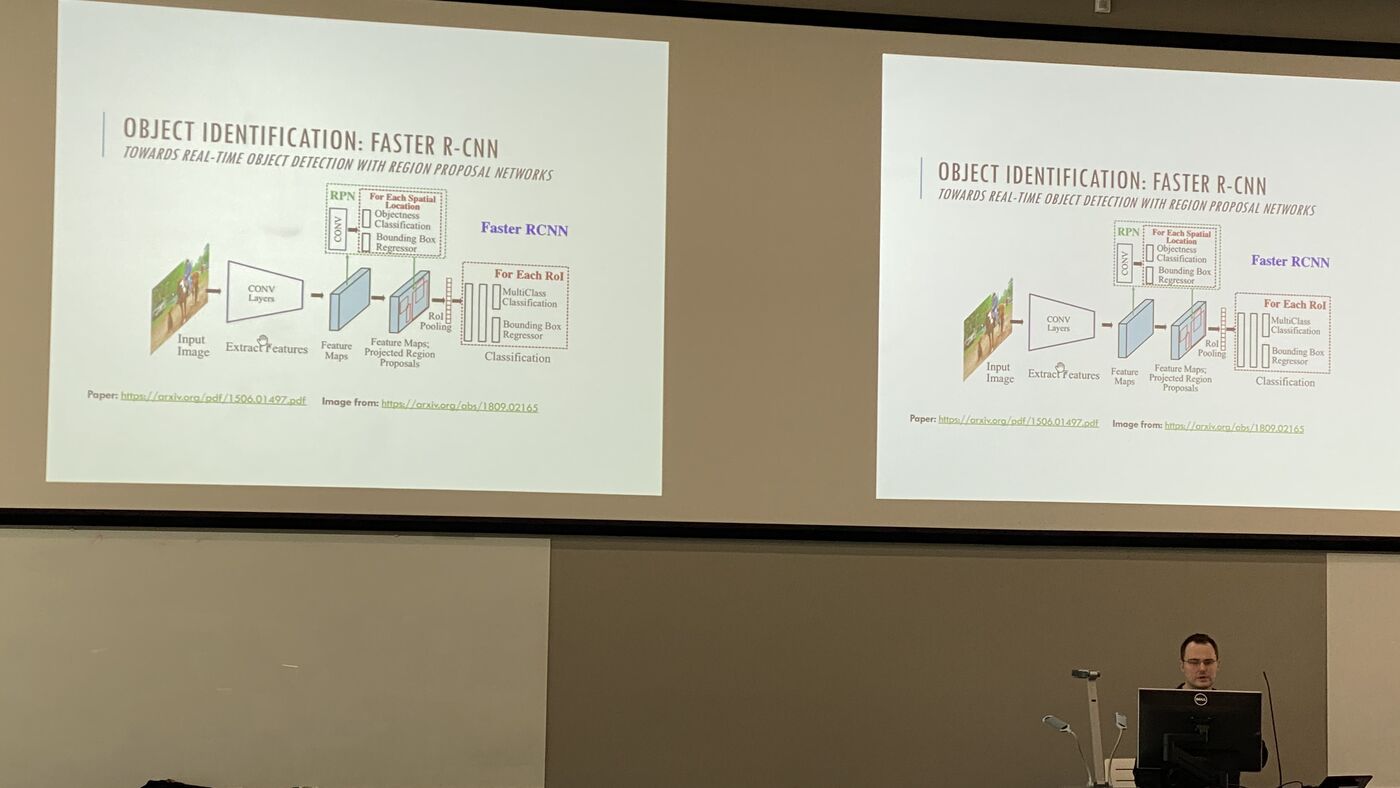
Twin screens carrying the object identification section, Faster R-CNN drawn out as a diagram. 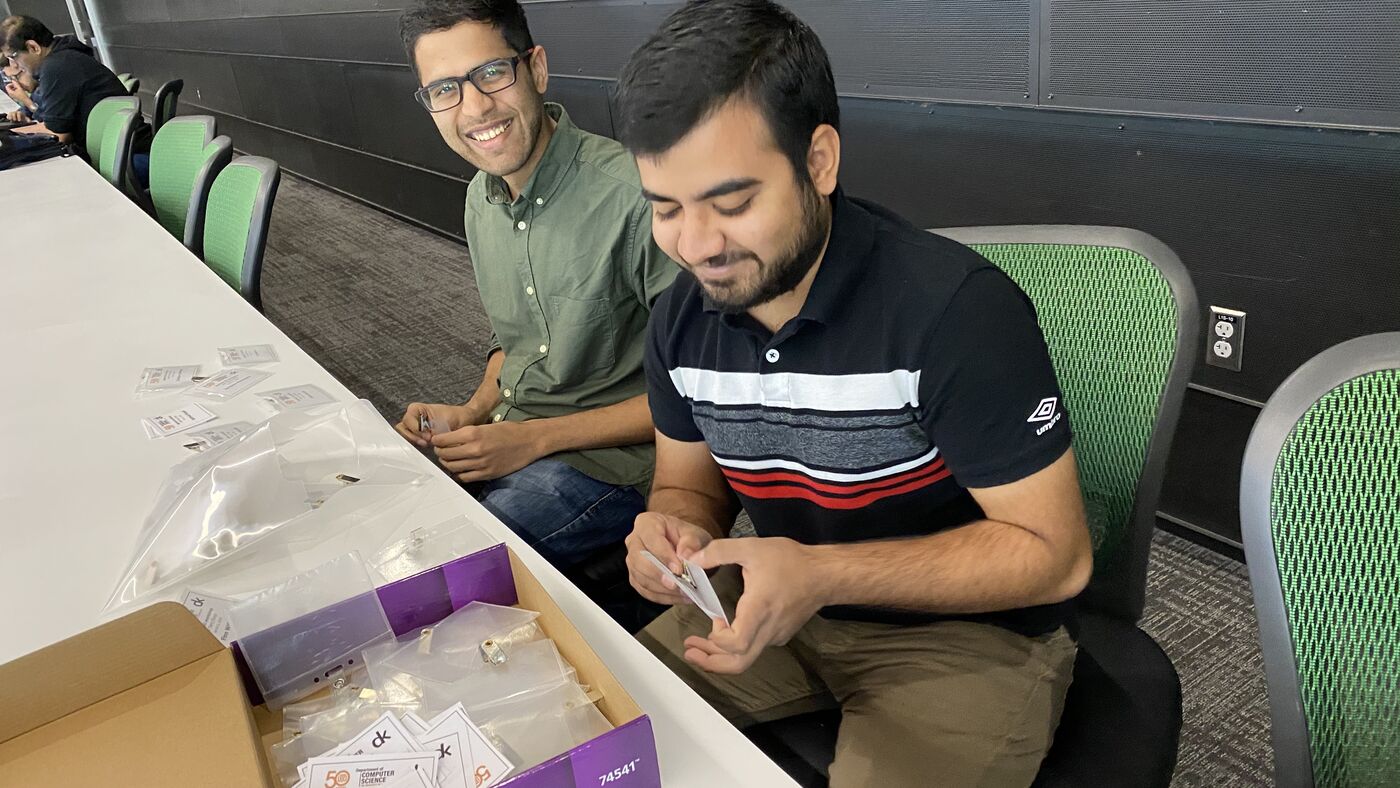
Two participants at a bench with the workshop kit open in front of them. 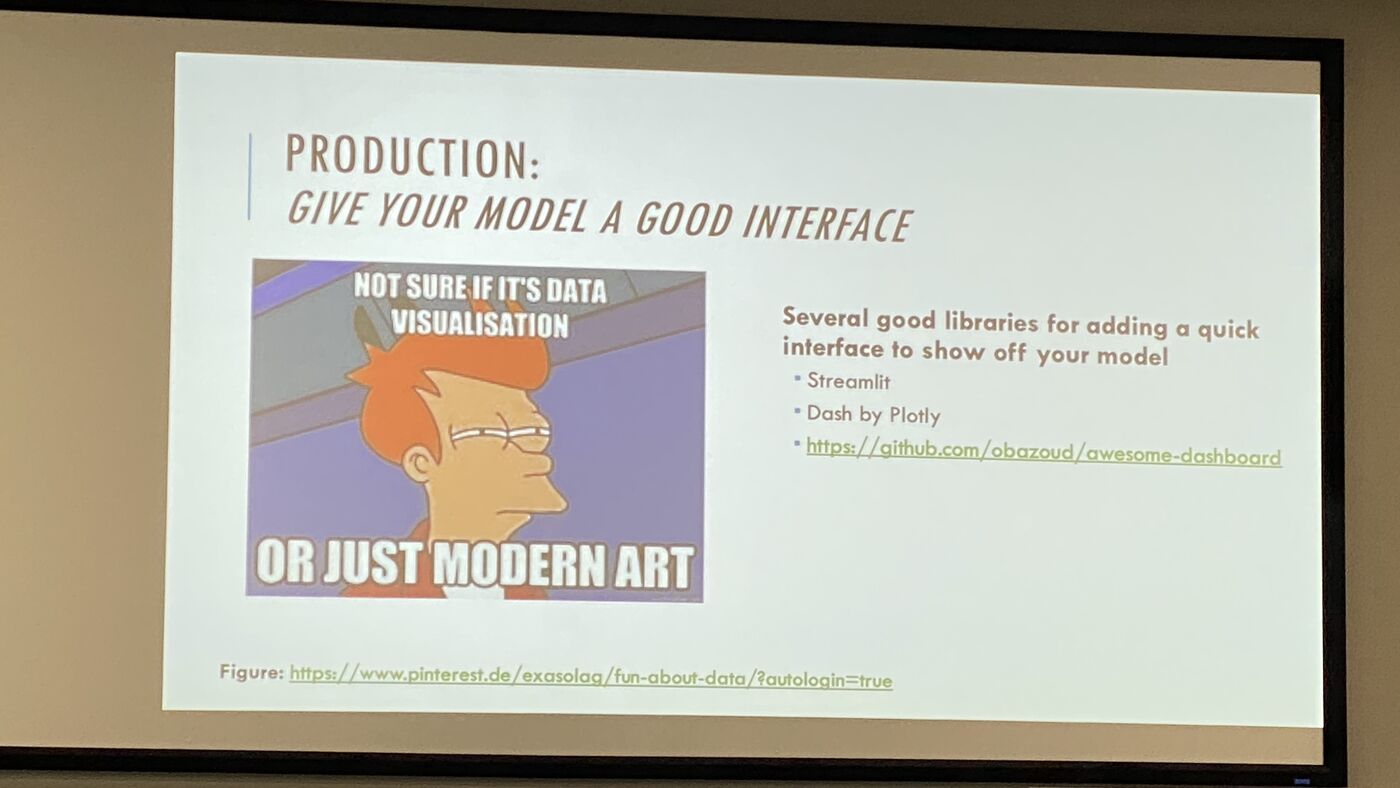
A slide headed "Production: give your model a good interface", listing Streamlit, Dash and Plotly for putting a quick front end on a model. 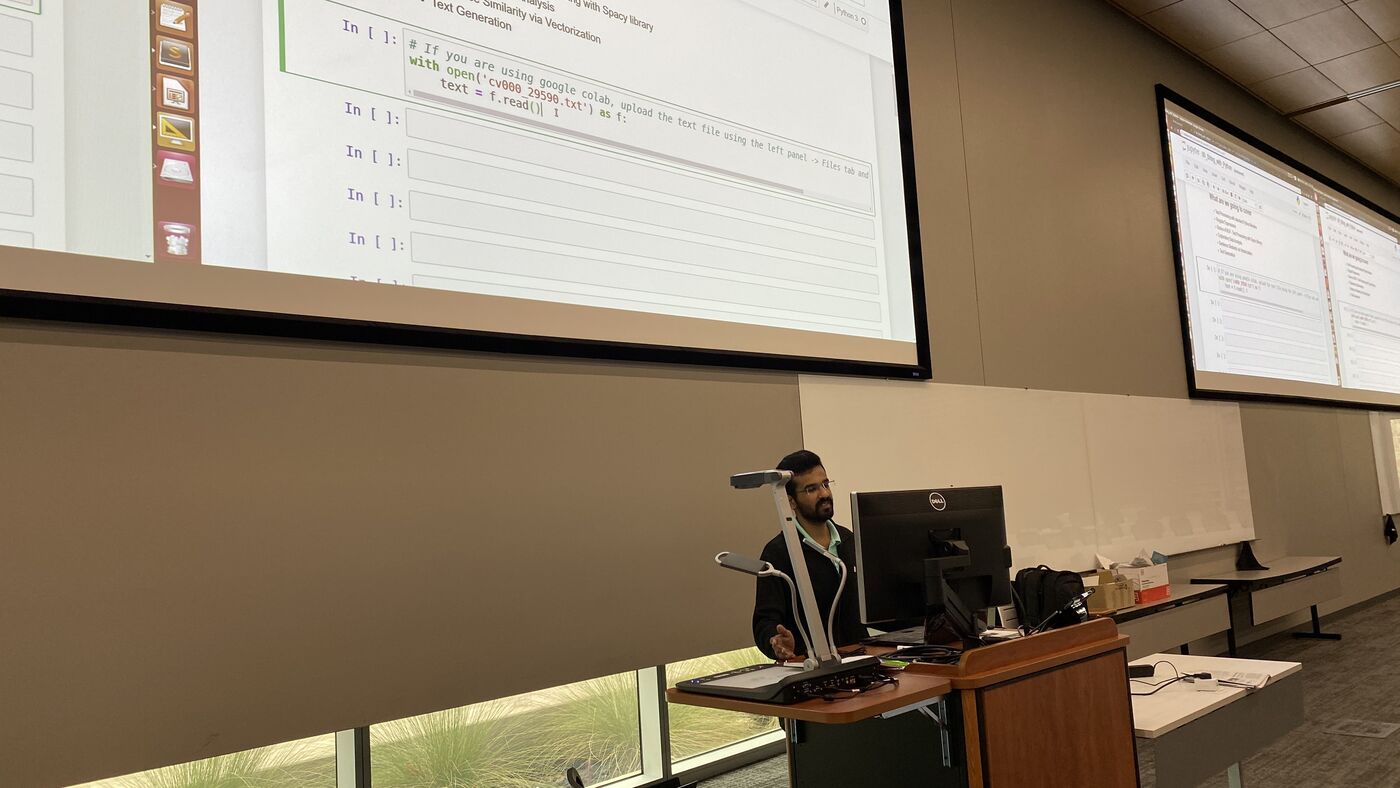
A participant presenting from the lectern, screens lit behind. 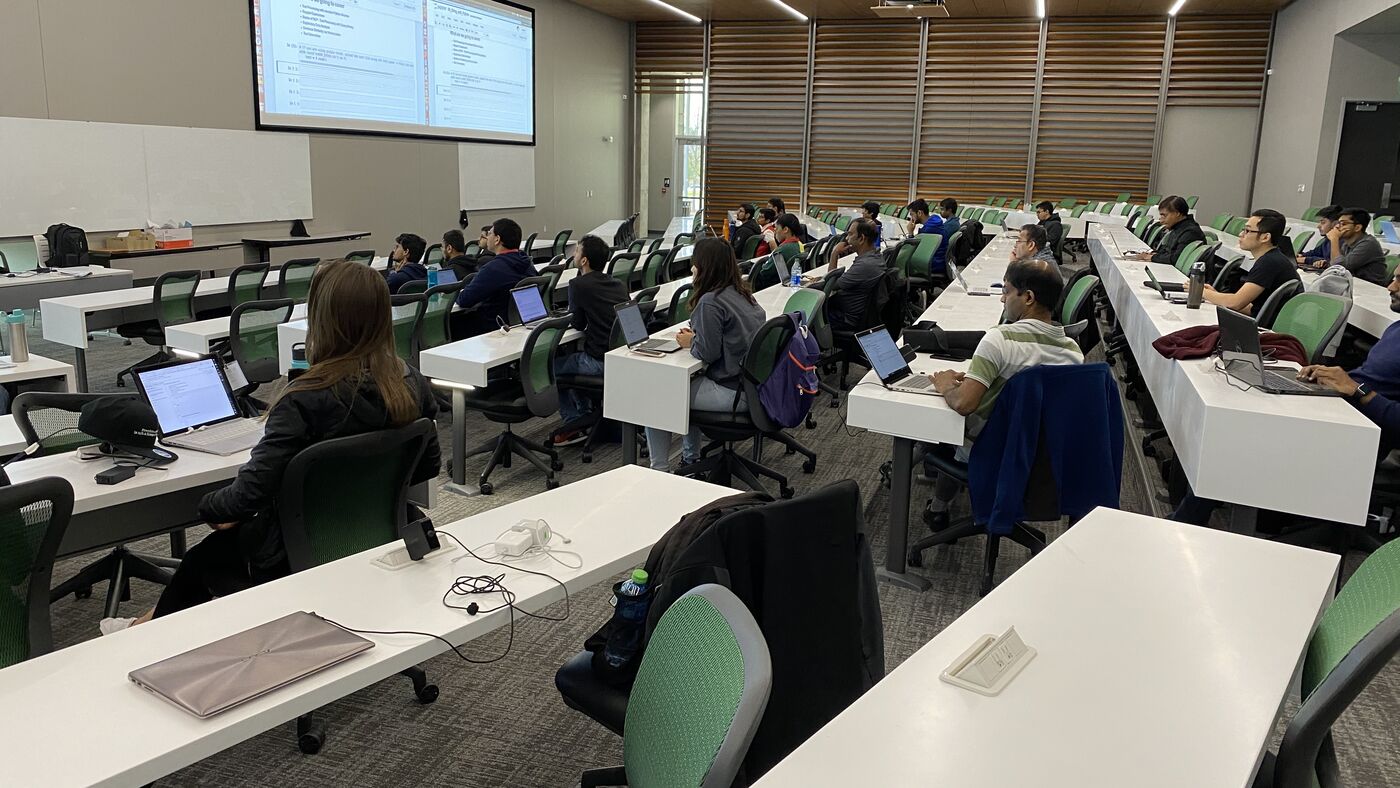
The lecture hall during a session, participants at the benches with laptops open. 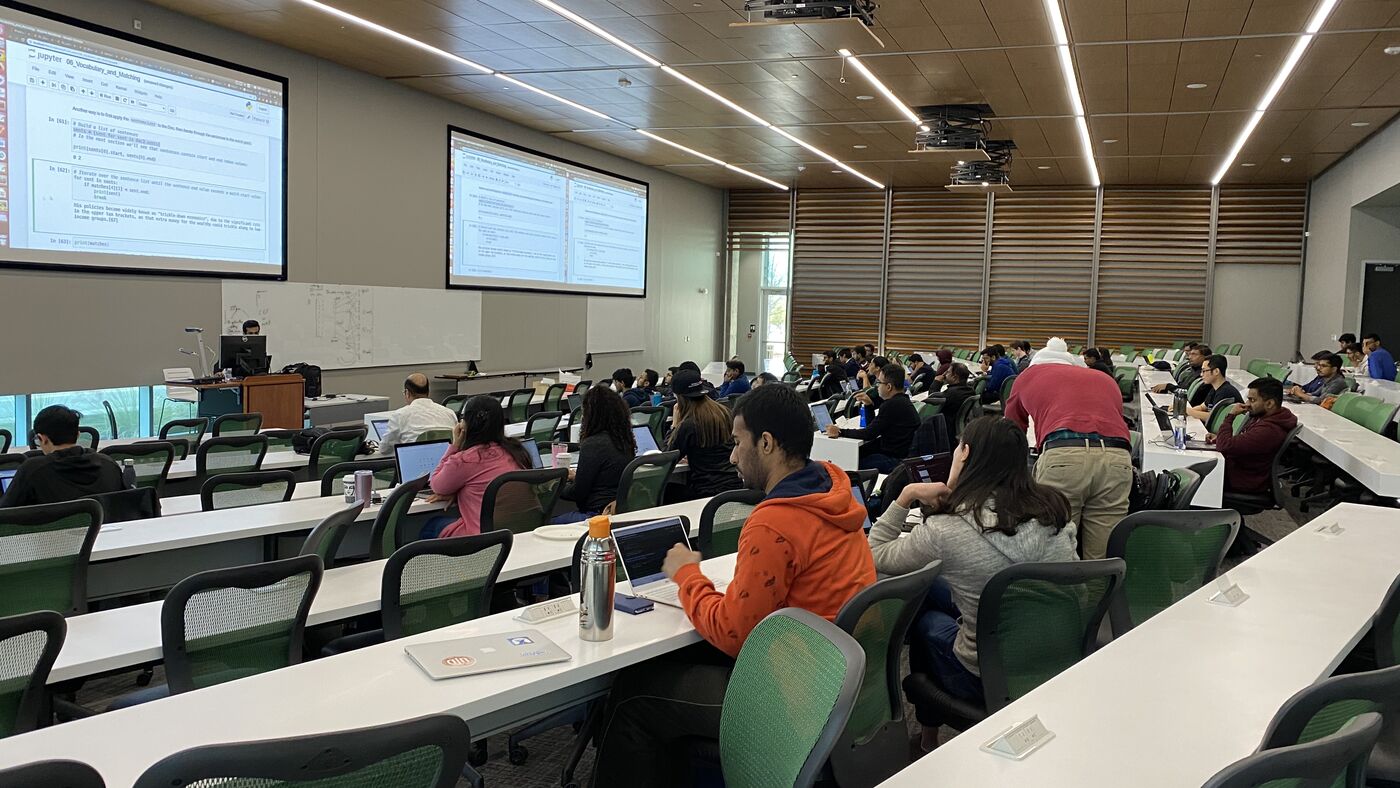
The lecture hall during a session, participants at the benches with laptops open. 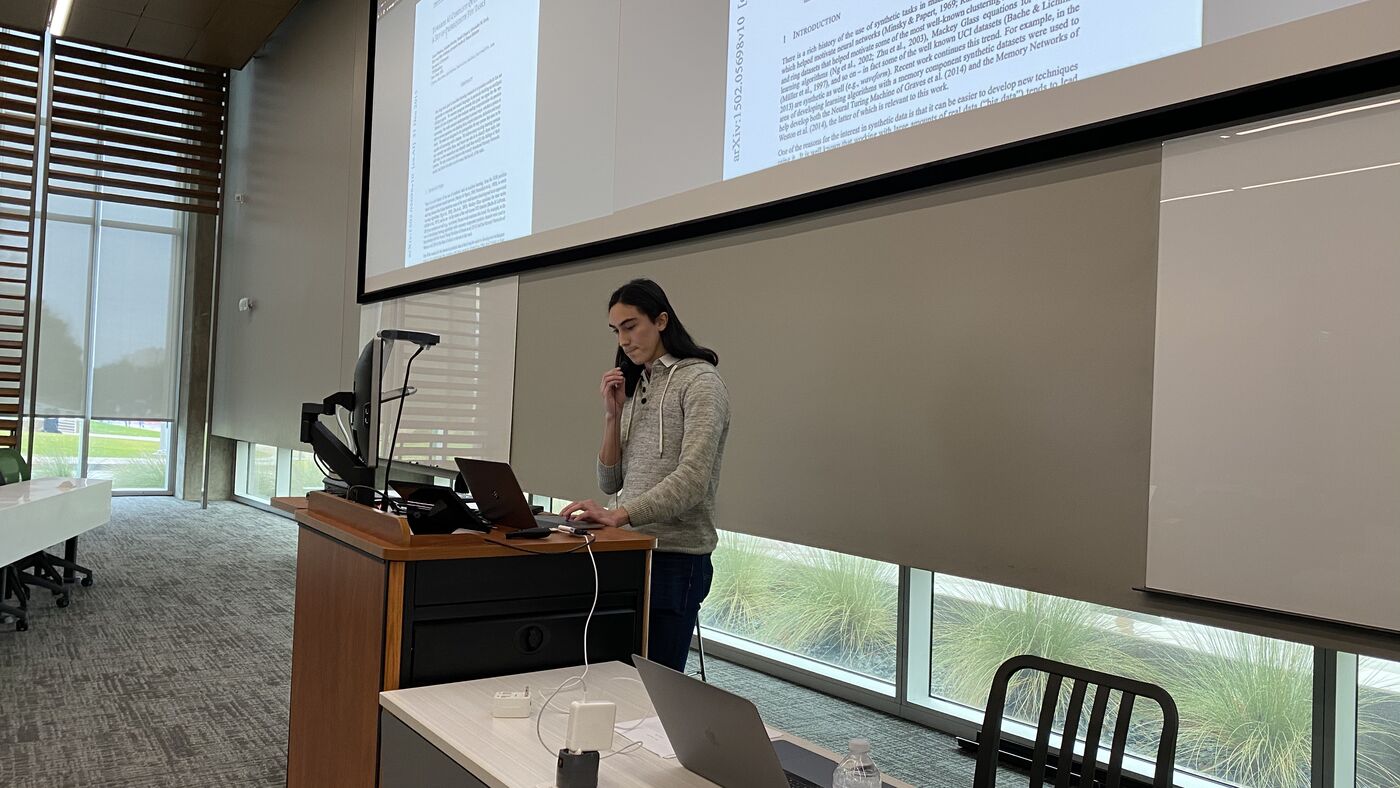
A participant taking the lectern to present. 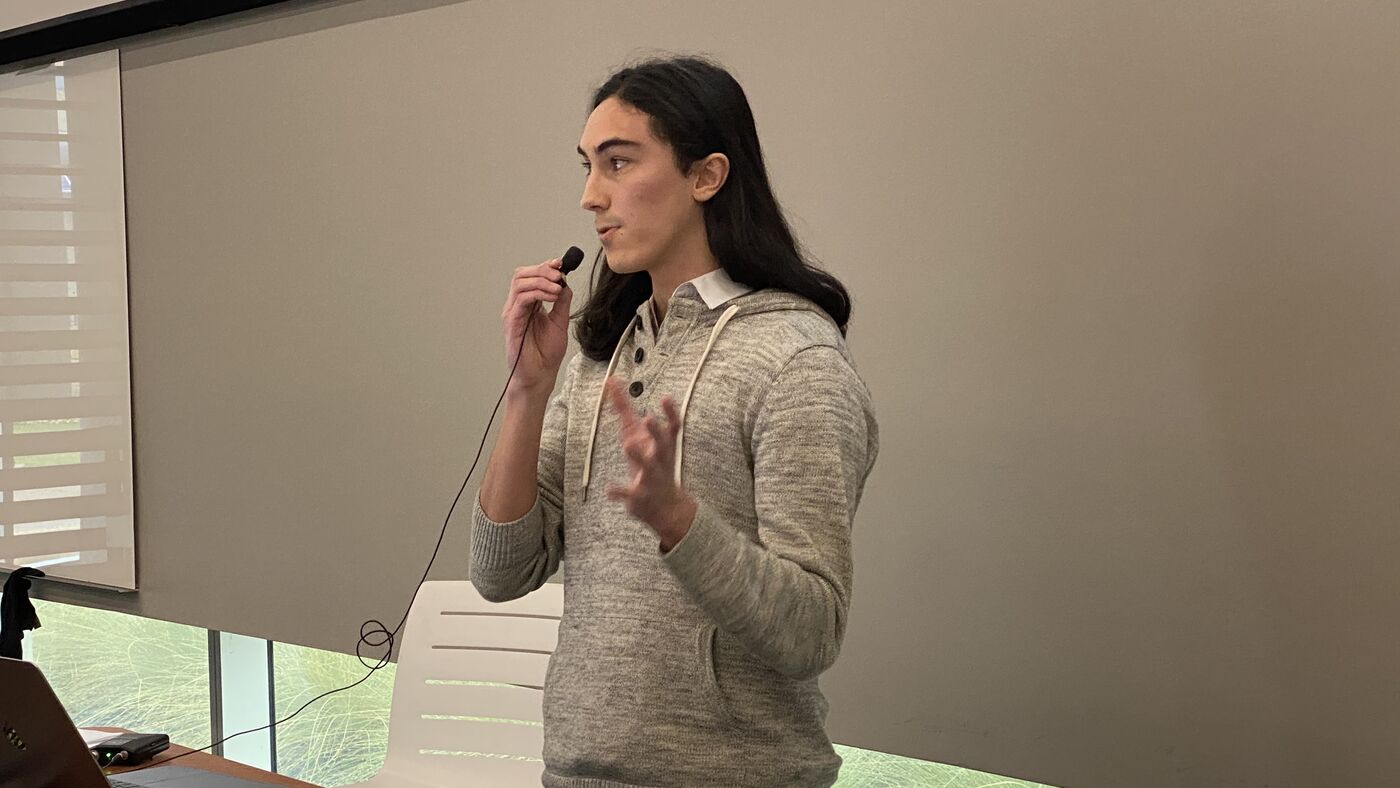
A participant presenting to the room with a handheld microphone. 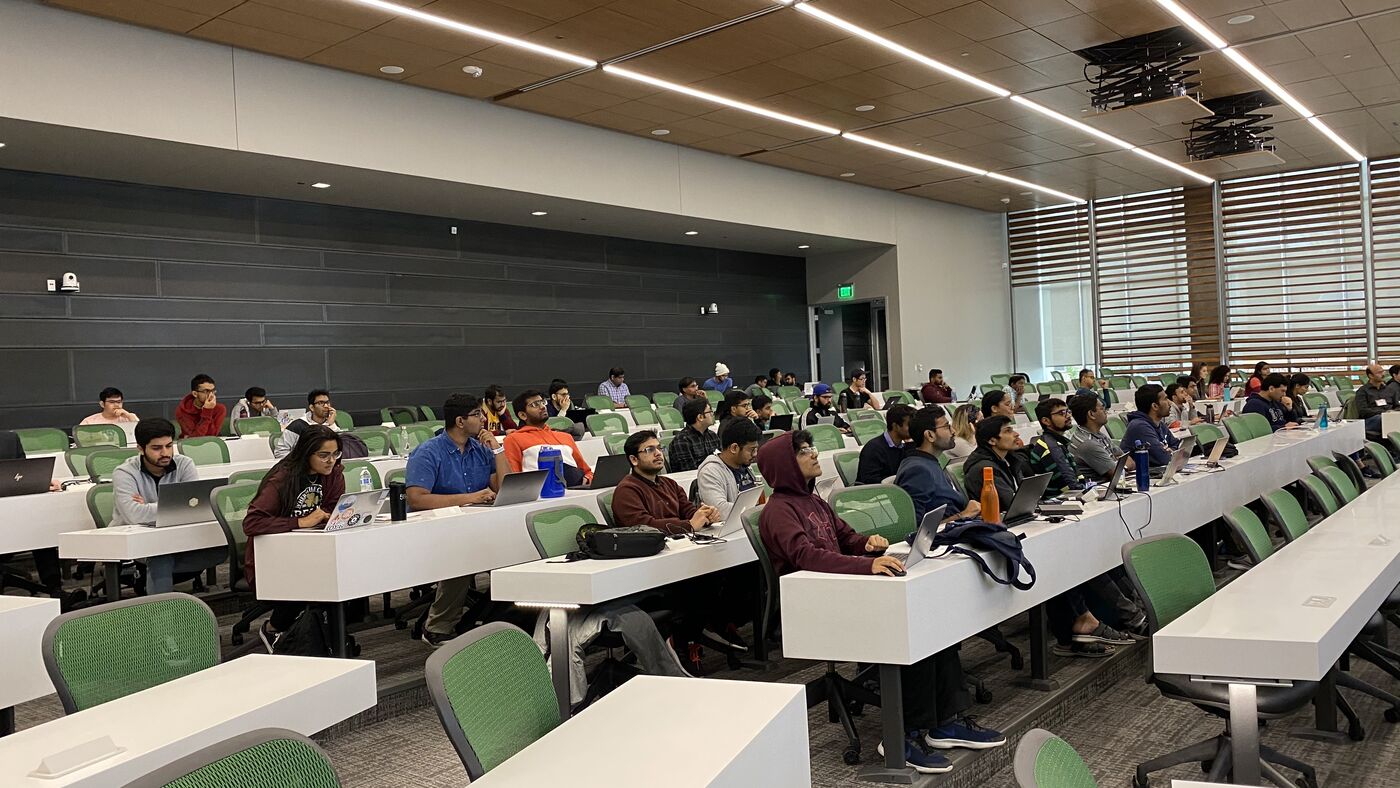
The lecture hall during a session, participants at the benches with laptops open. 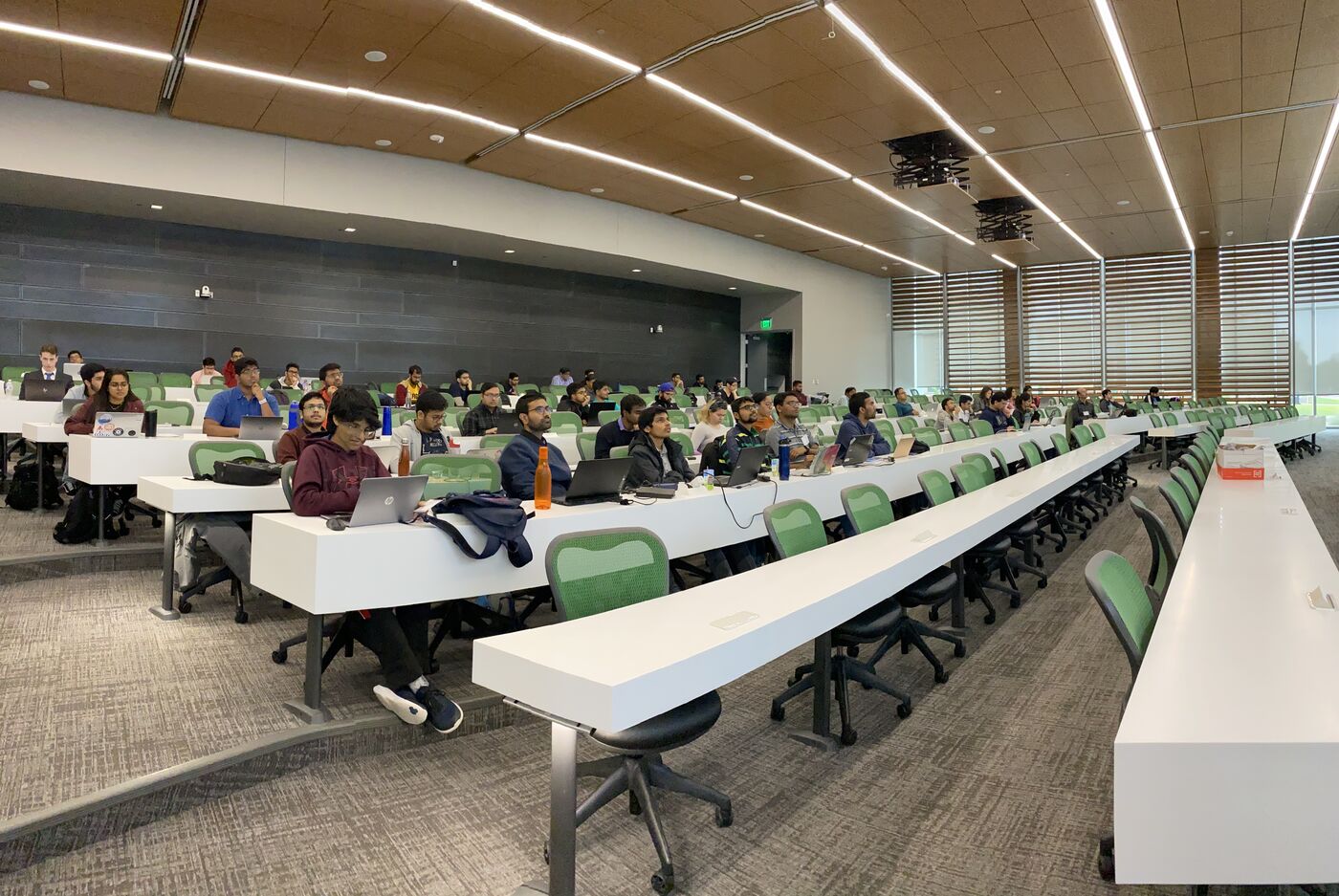
The lecture hall during a session, participants at the benches with laptops open. 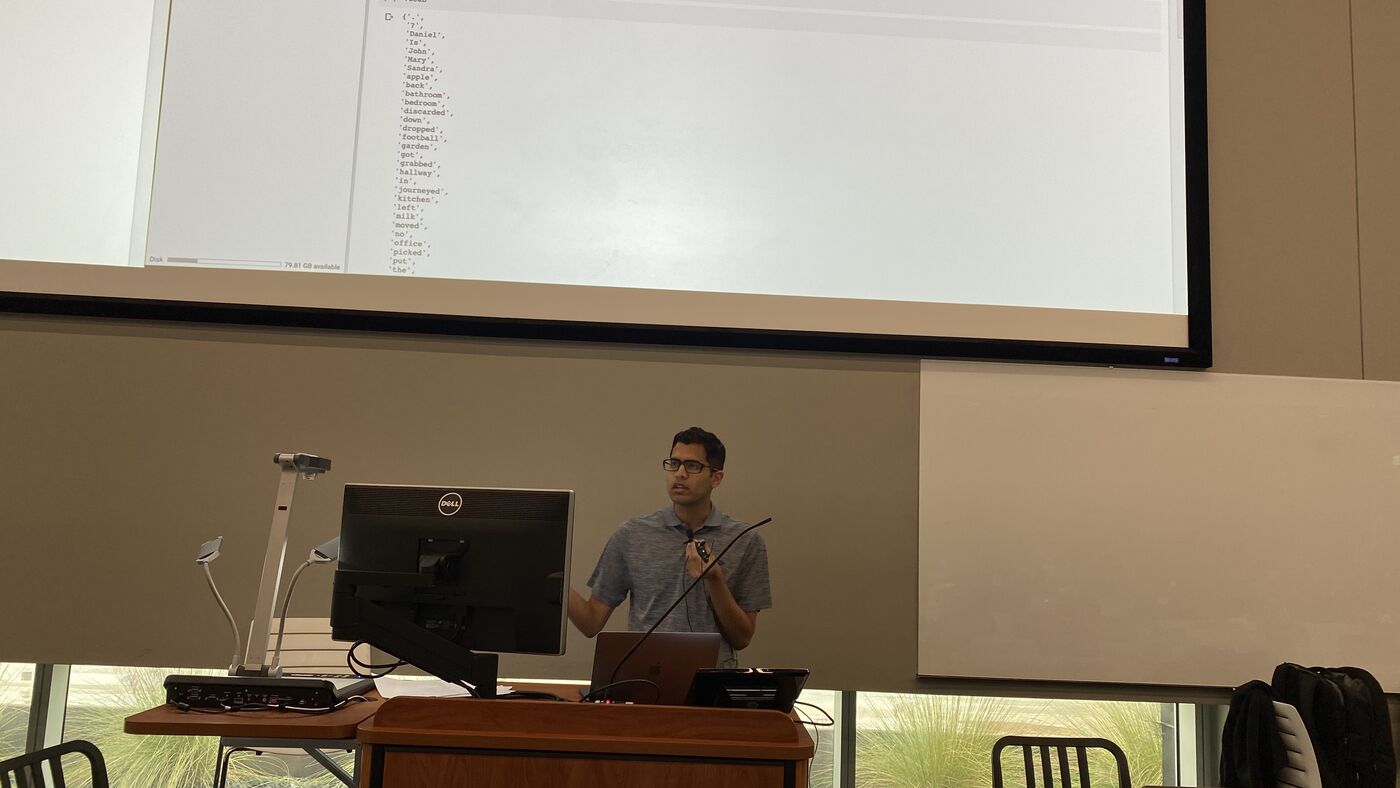
An instructor at the lectern with a laptop open in front of them. 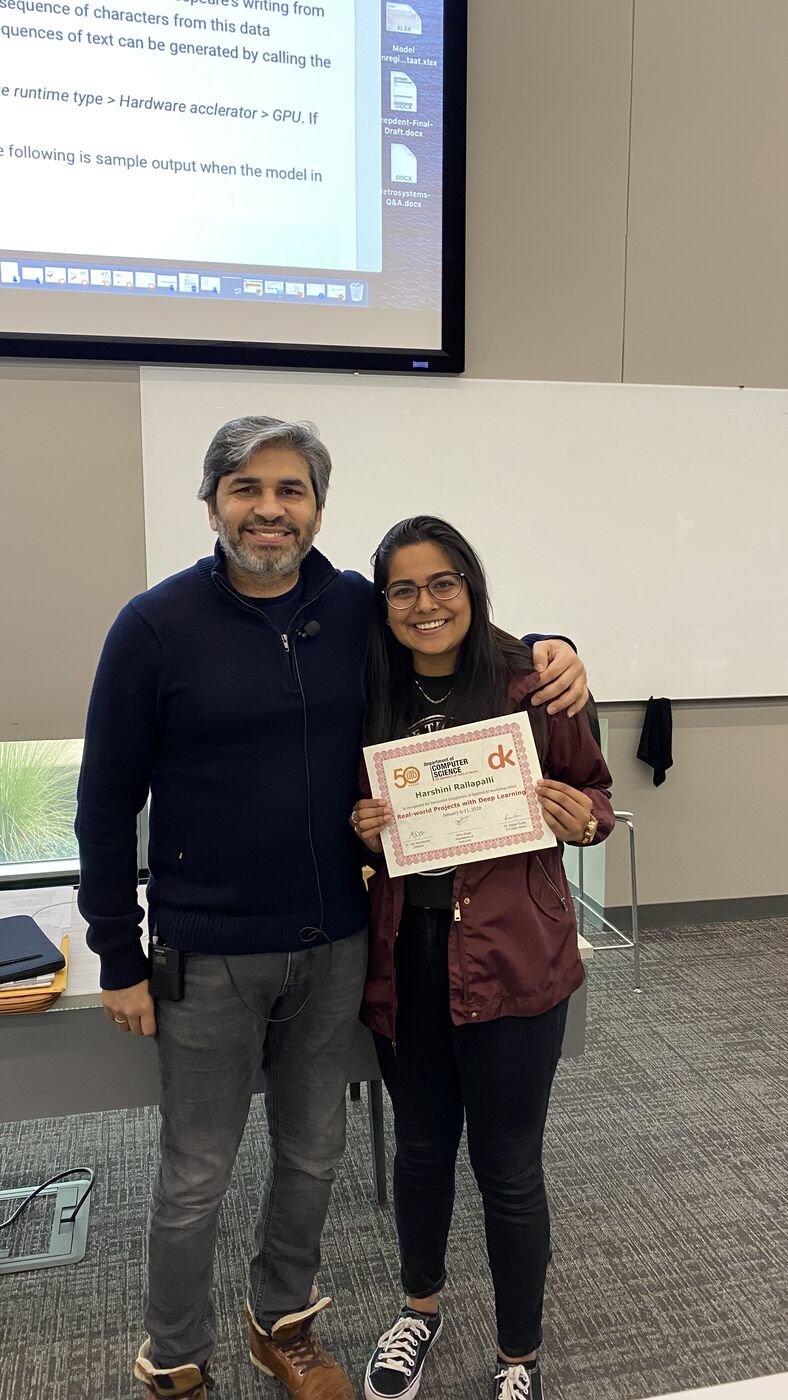
A participant receives the certificate of completion at the front of the hall on the closing day. 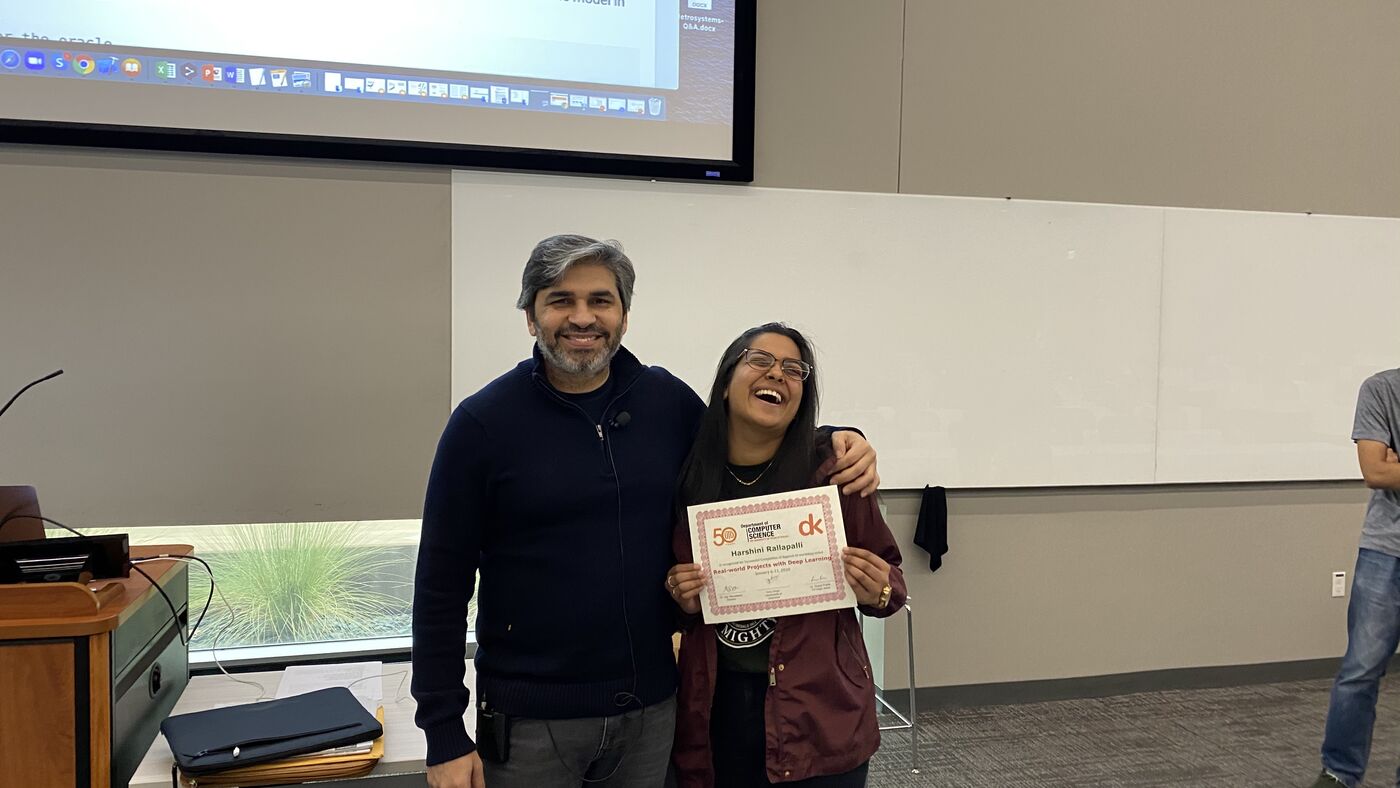
A participant receives the certificate of completion at the front of the hall on the closing day. 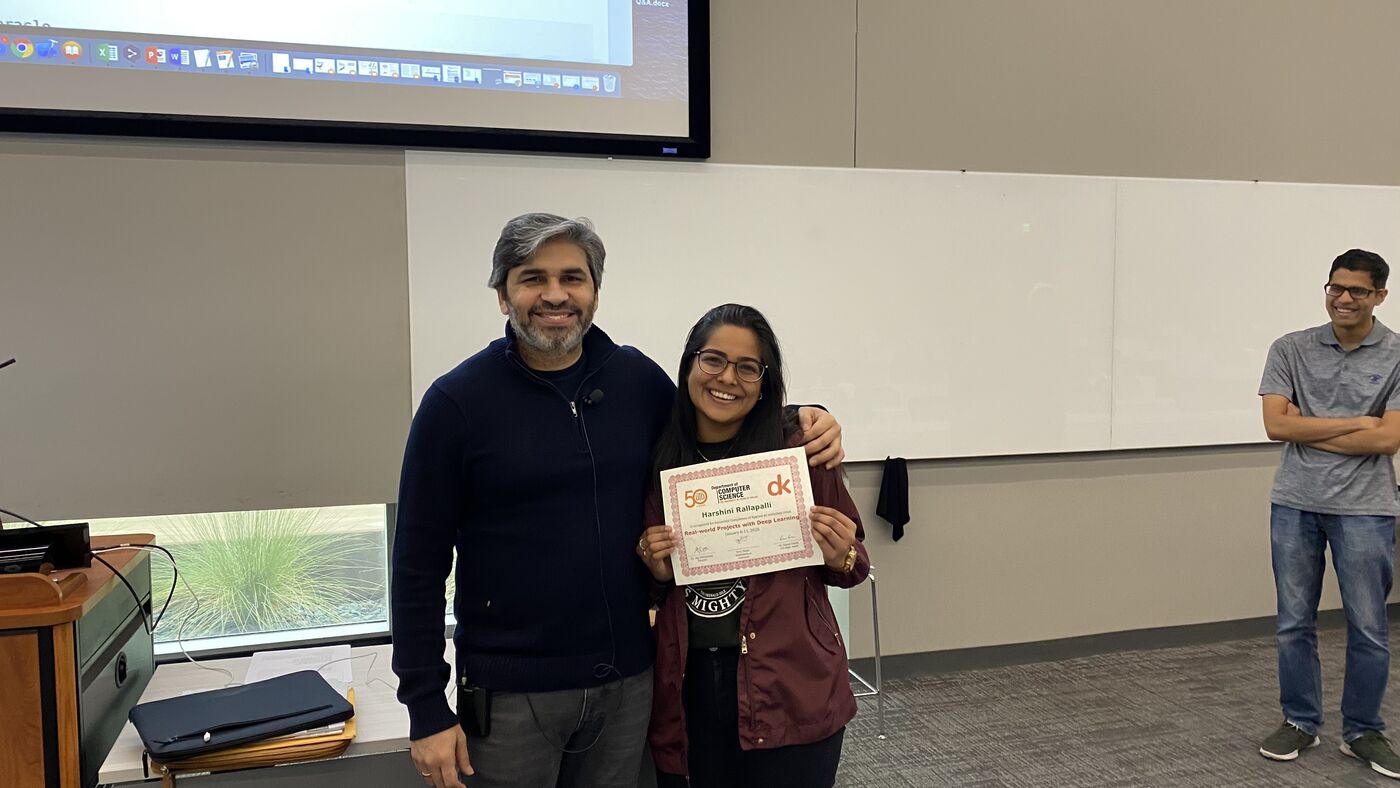
A participant receives the certificate of completion at the front of the hall on the closing day. 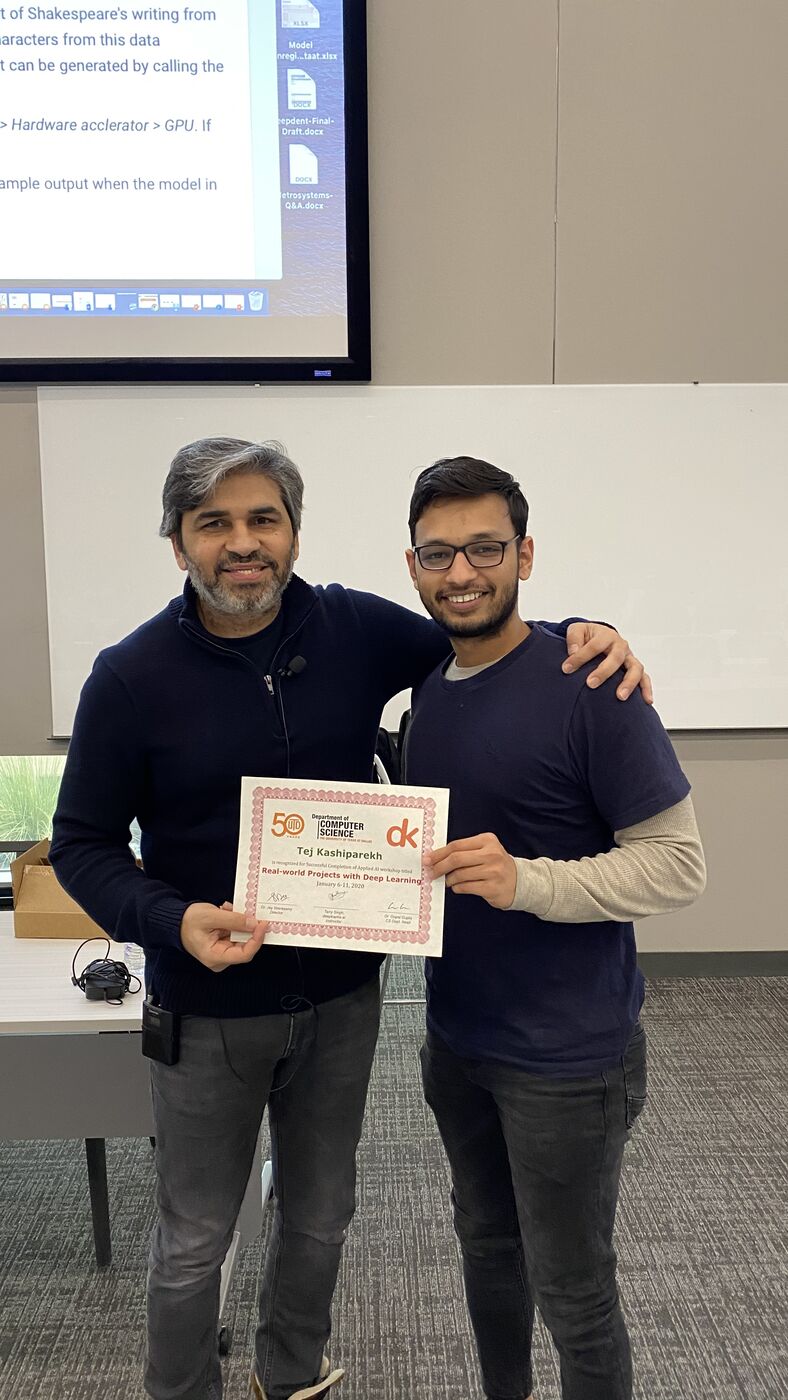
A participant receives the certificate of completion at the front of the hall on the closing day. 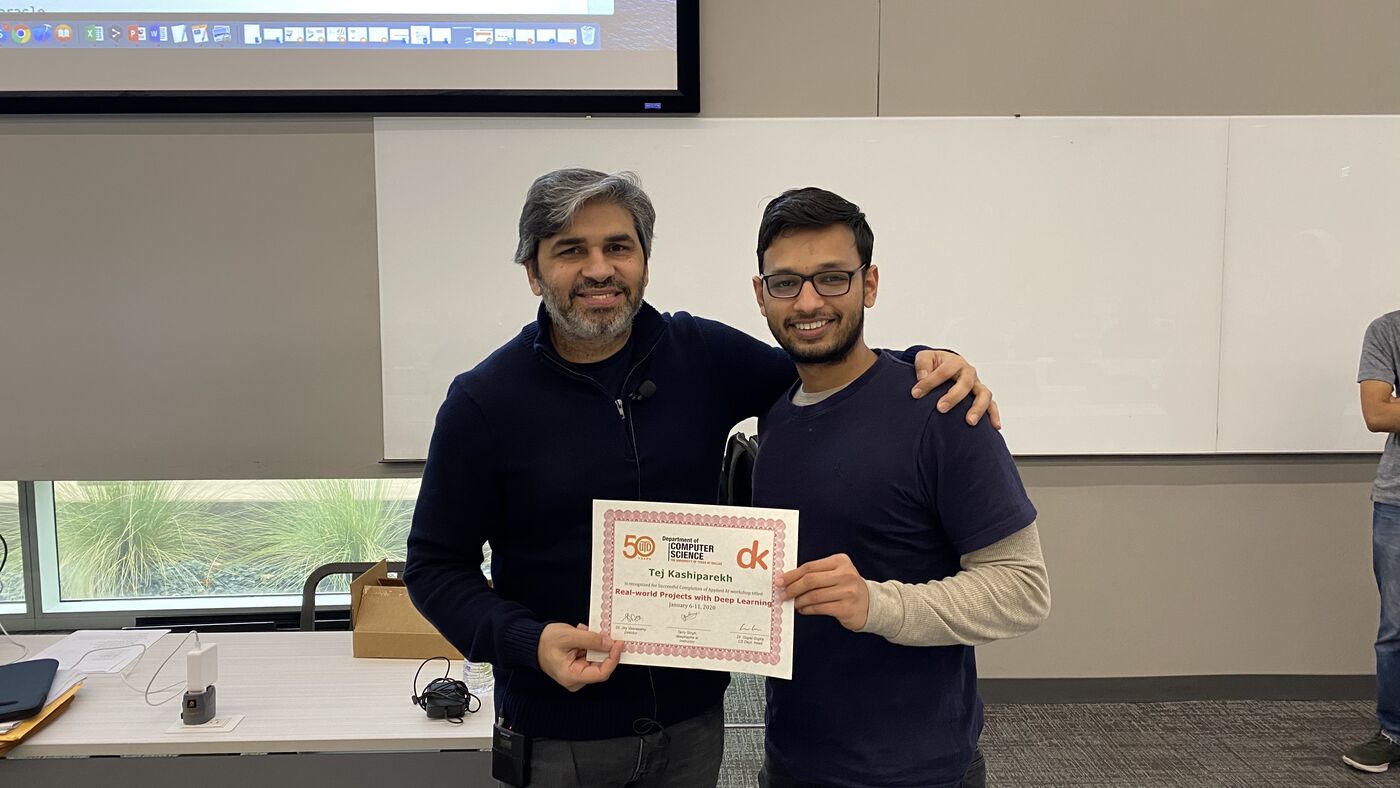
A participant receives the certificate of completion at the front of the hall on the closing day. 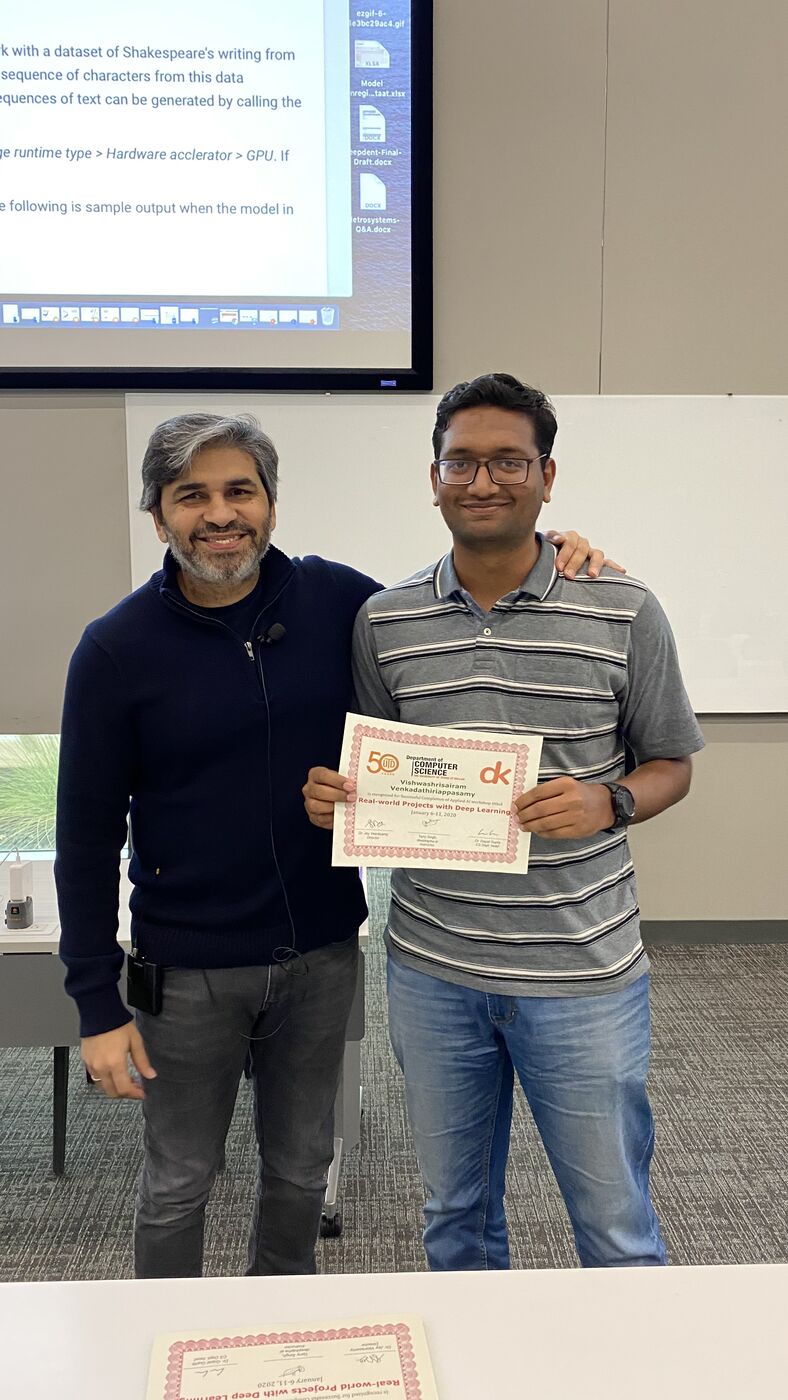
A participant receives the certificate of completion at the front of the hall on the closing day. 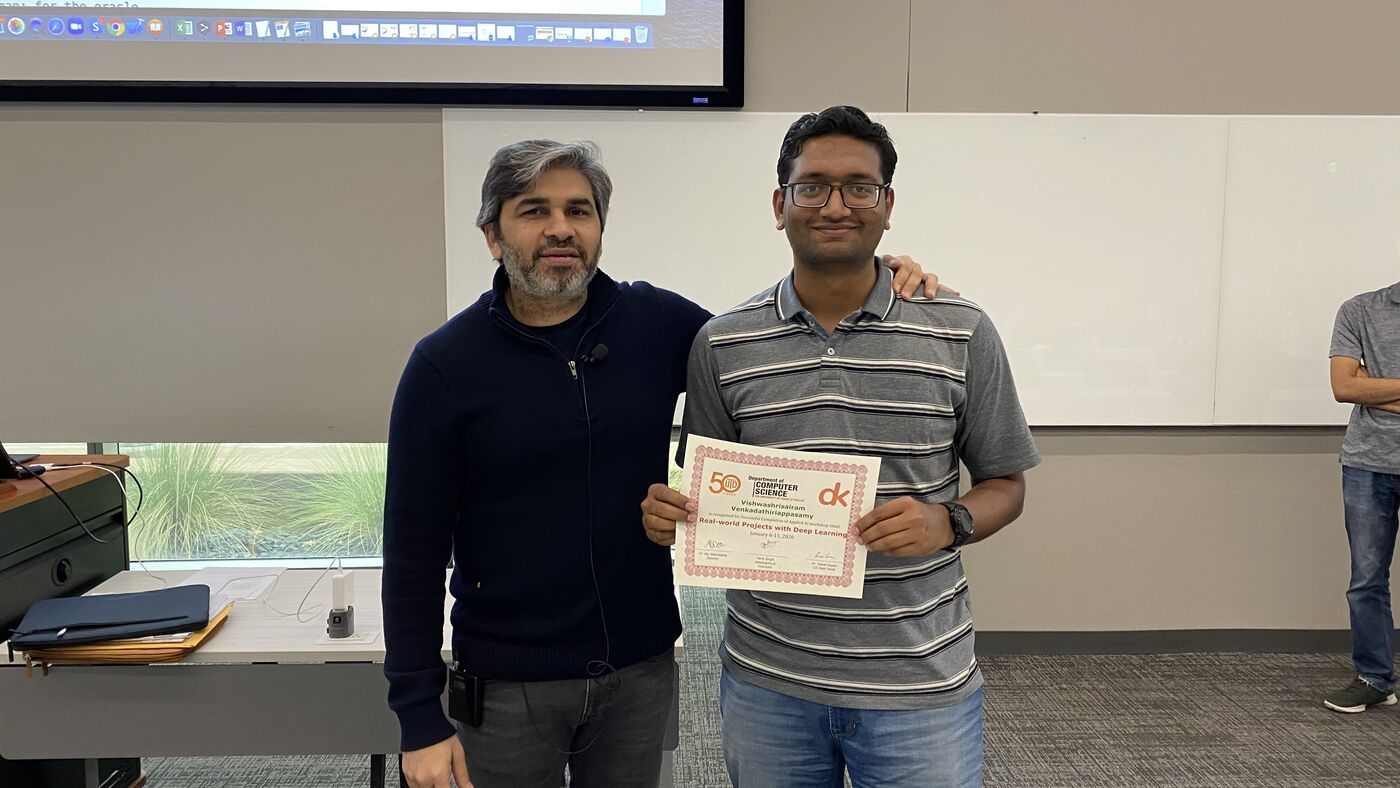
A participant receives the certificate of completion at the front of the hall on the closing day. 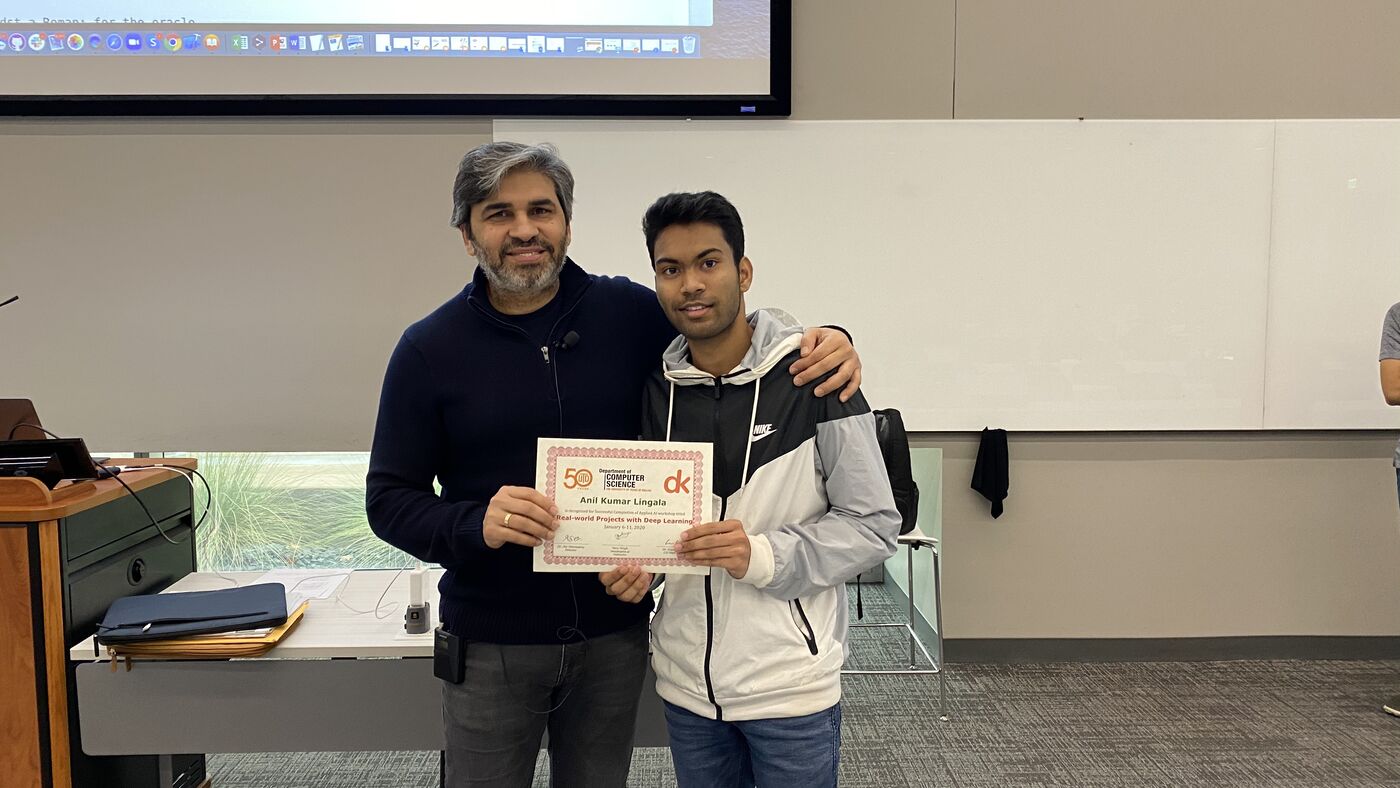
A participant receives the certificate of completion at the front of the hall on the closing day. 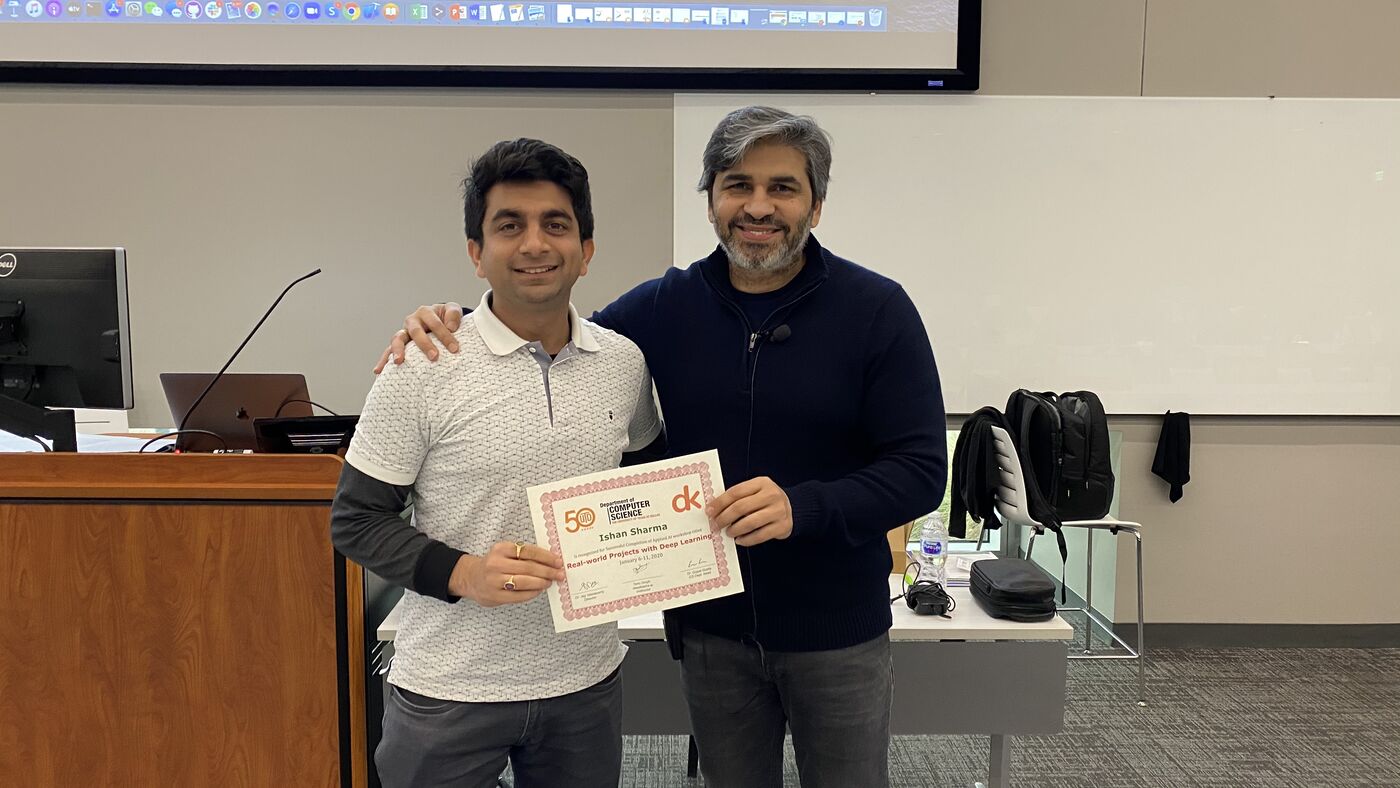
A participant receives the certificate of completion at the front of the hall on the closing day. 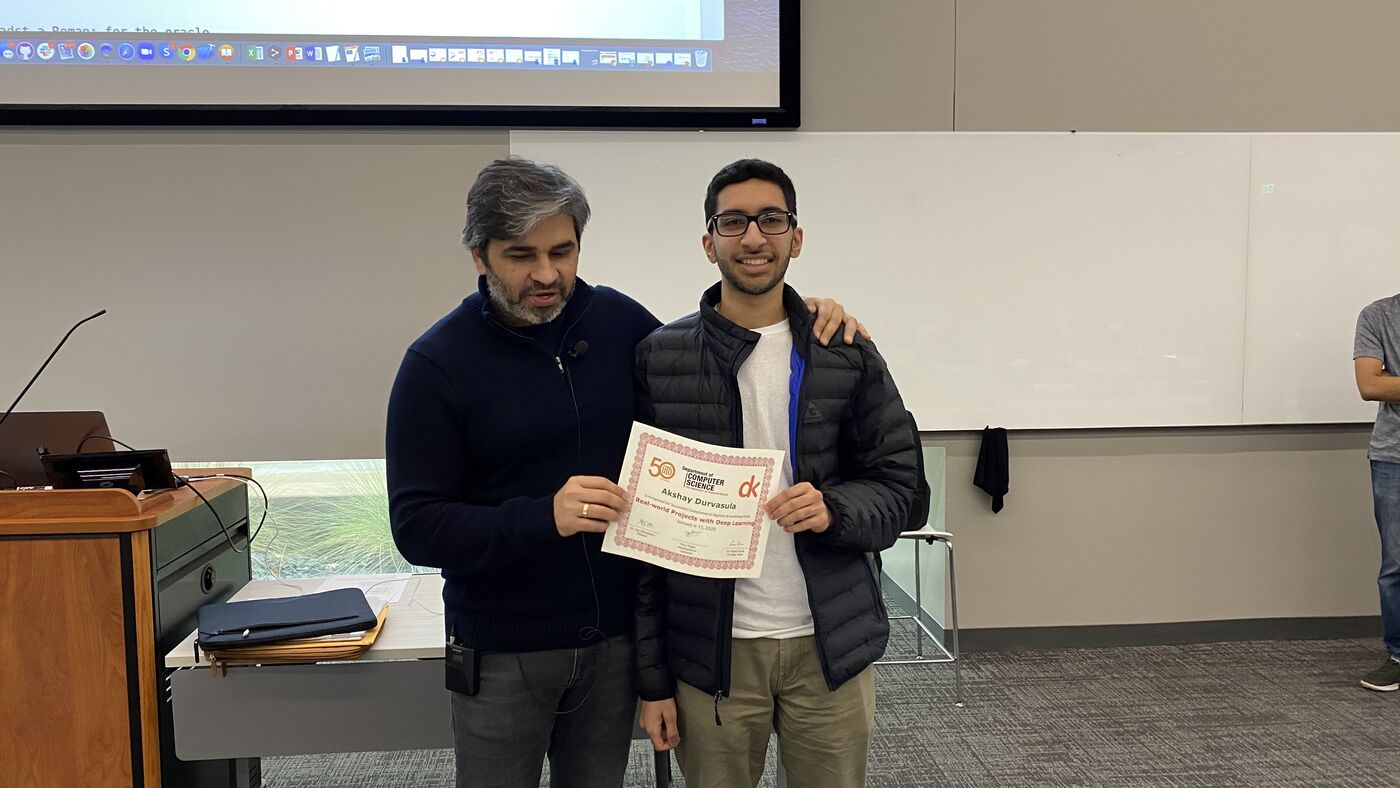
A participant receives the certificate of completion at the front of the hall on the closing day. 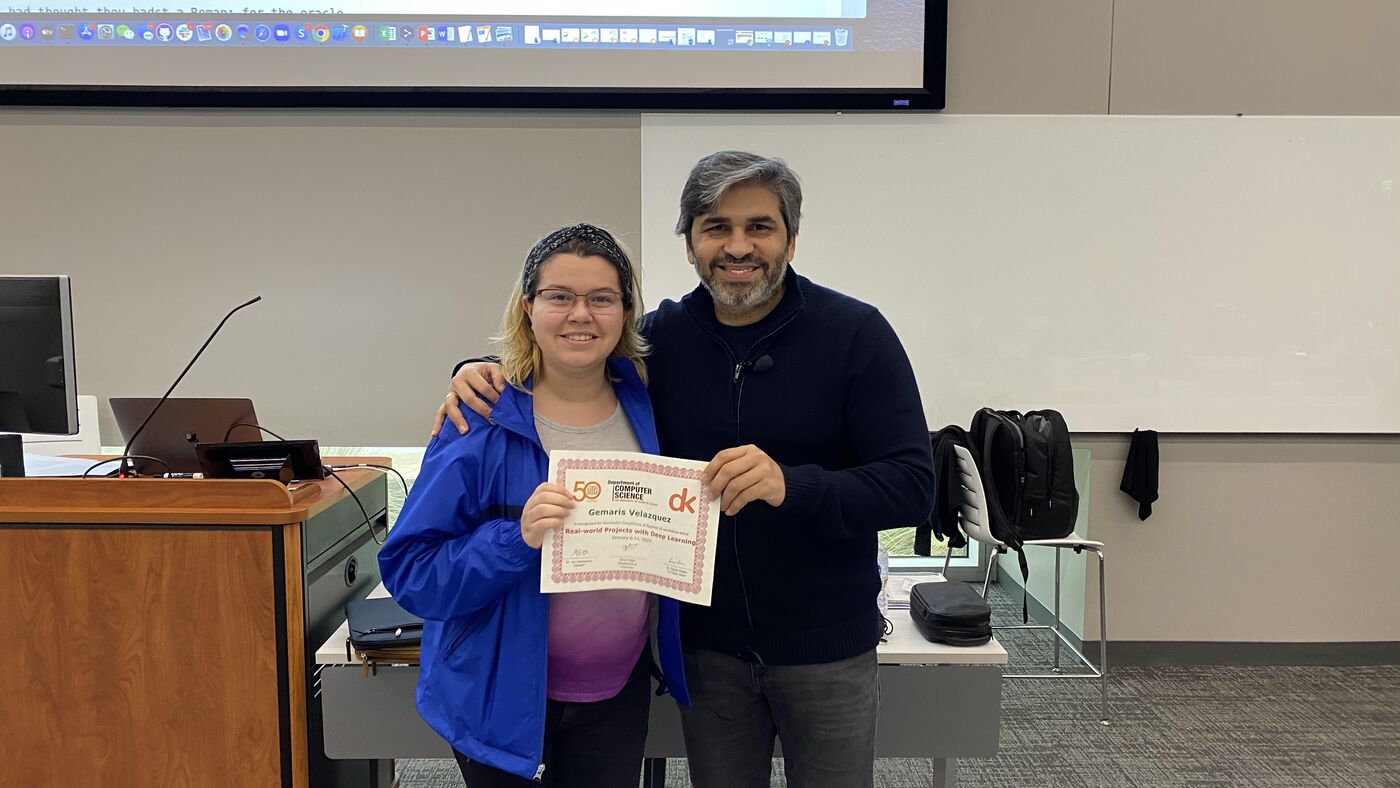
A participant receives the certificate of completion at the front of the hall on the closing day. 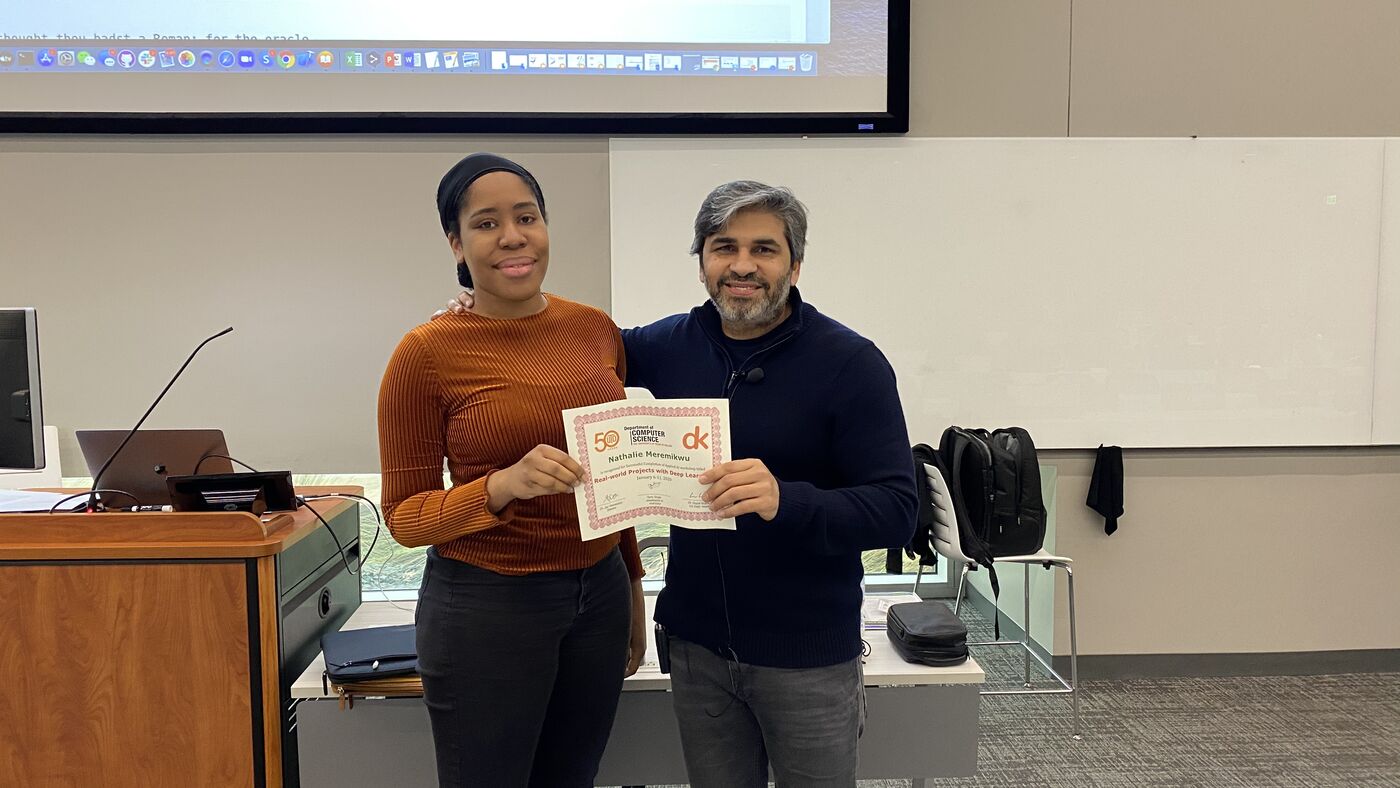
A participant receives the certificate of completion at the front of the hall on the closing day. 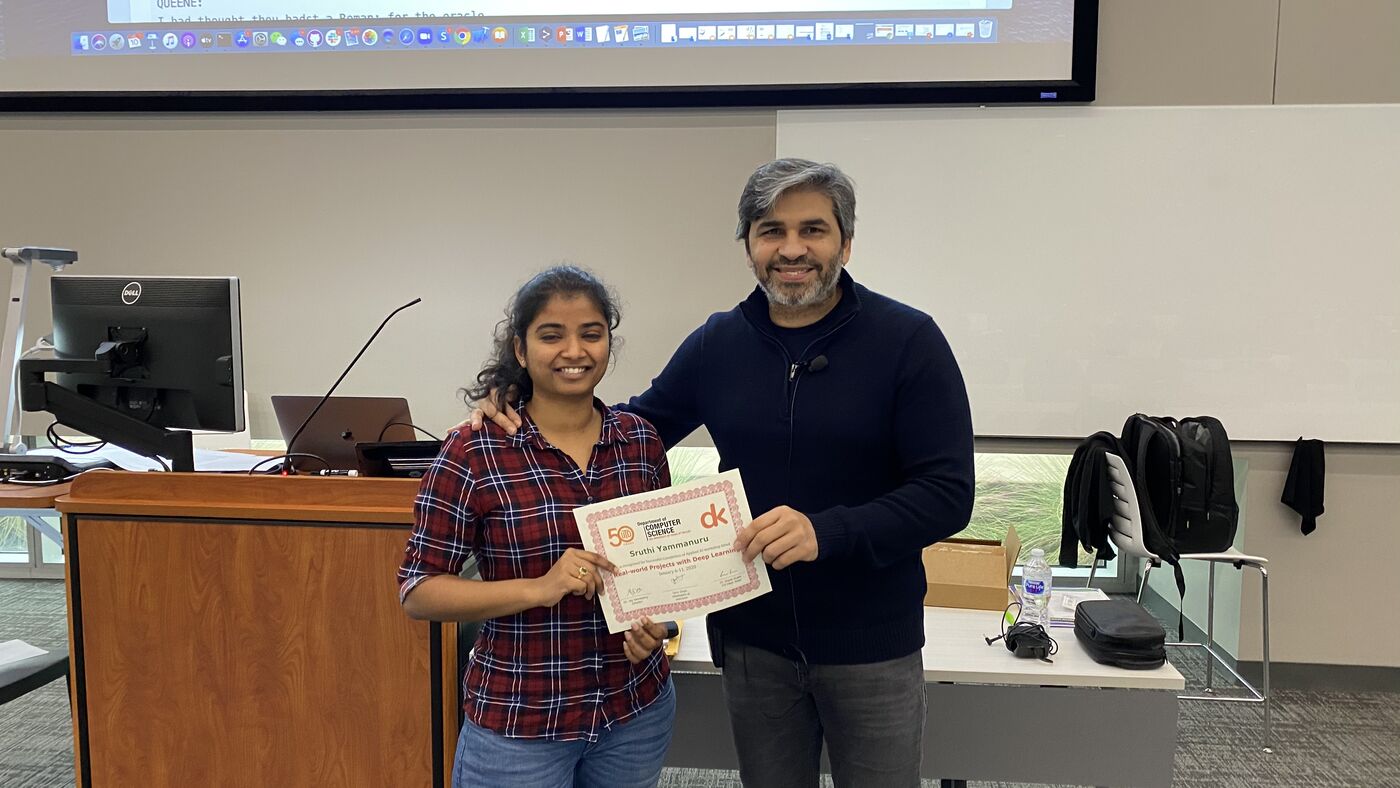
A participant receives the certificate of completion at the front of the hall on the closing day. 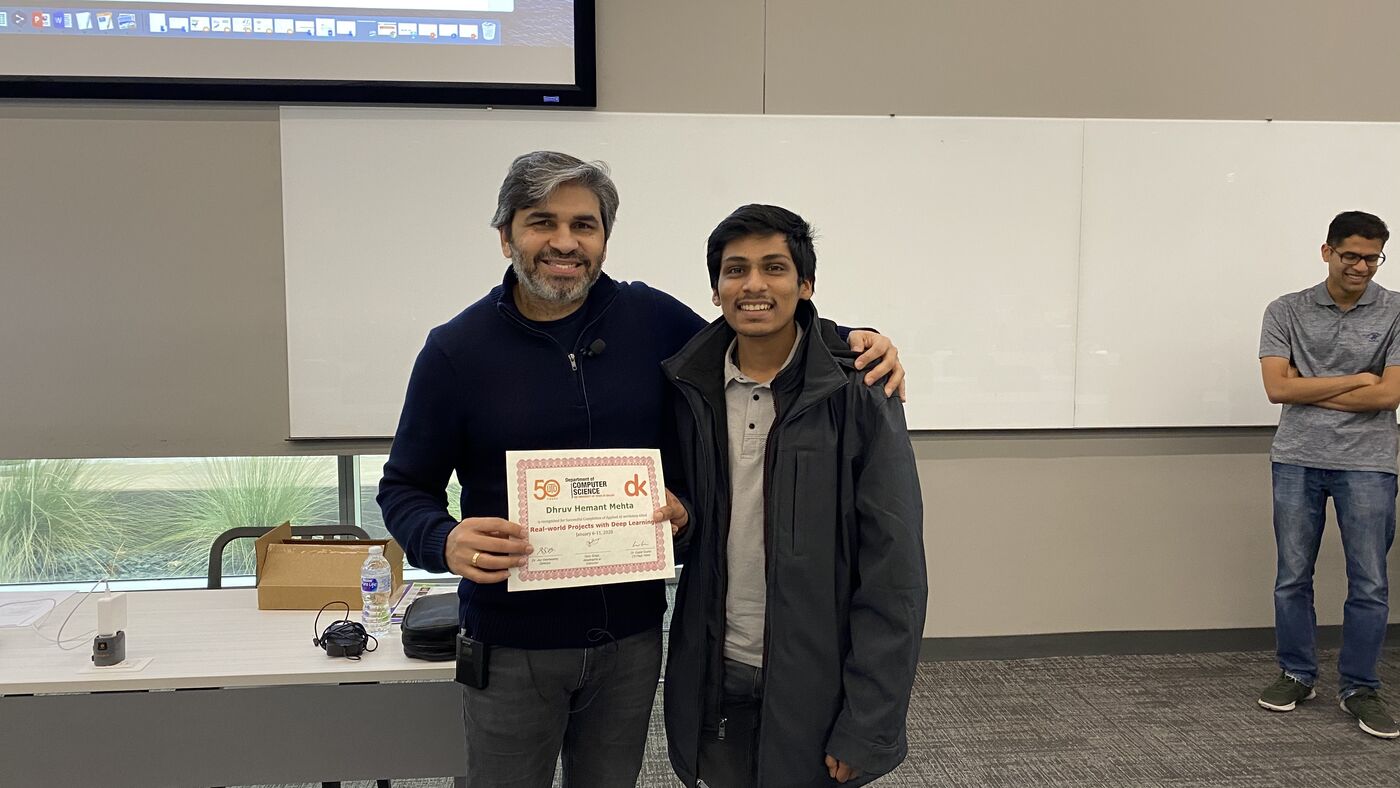
A participant receives the certificate of completion at the front of the hall on the closing day. 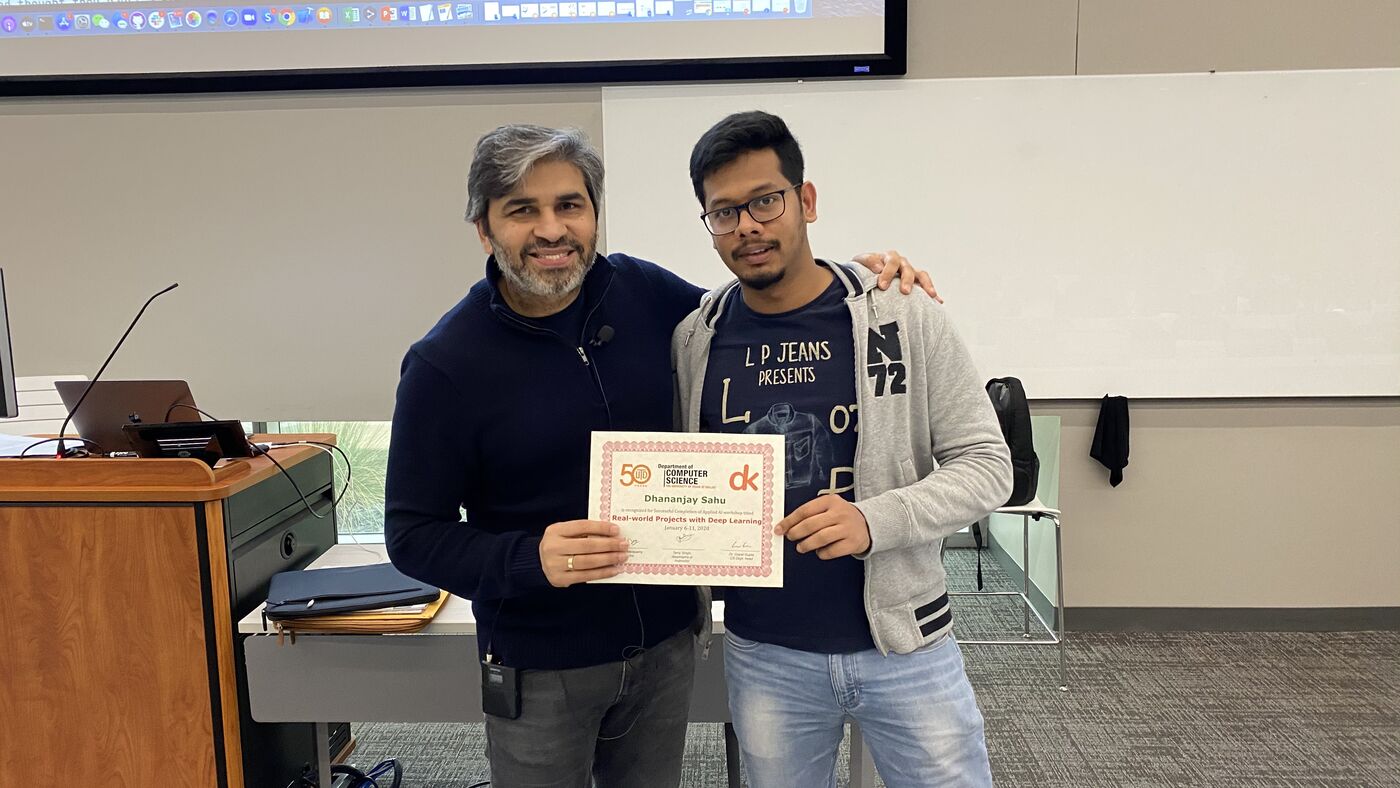
A participant receives the certificate of completion at the front of the hall on the closing day. 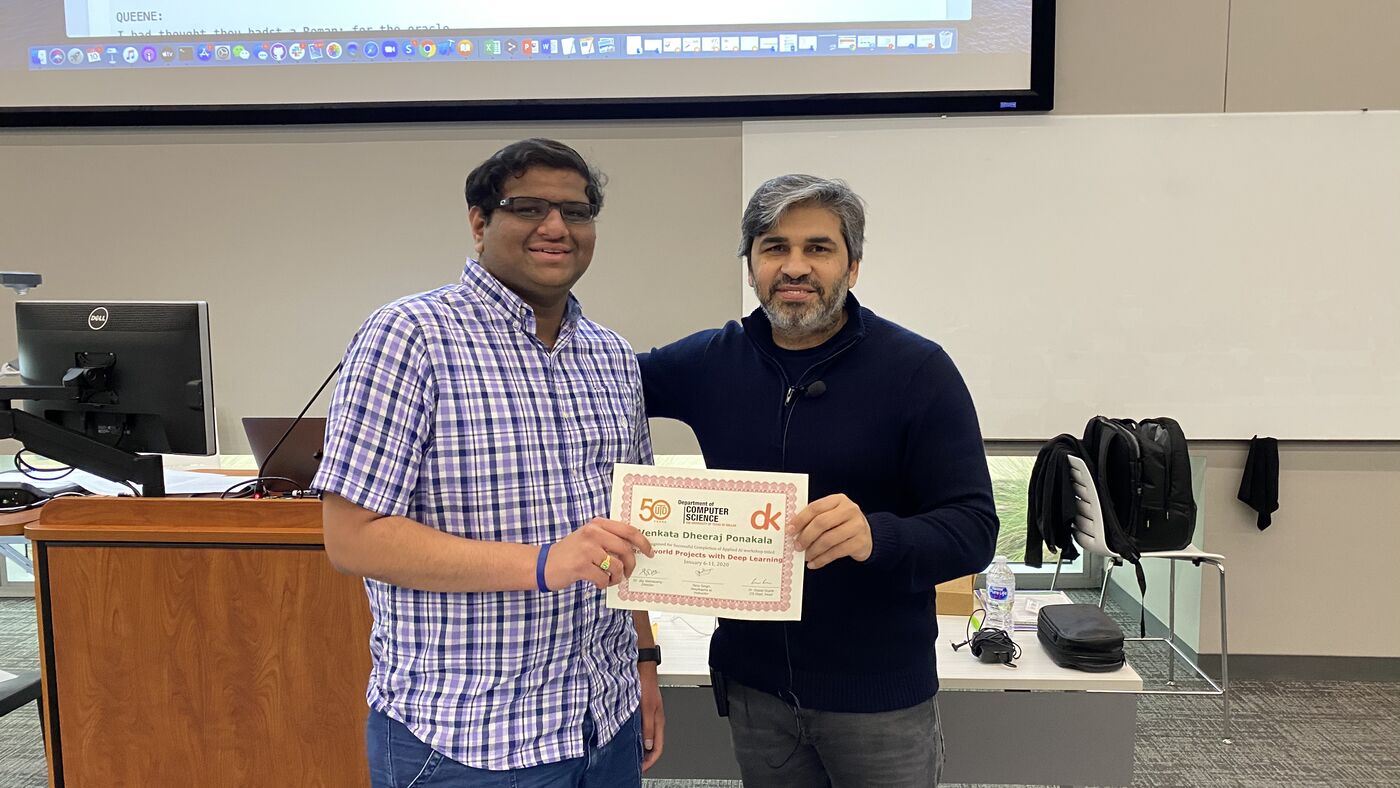
A participant receives the certificate of completion at the front of the hall on the closing day. 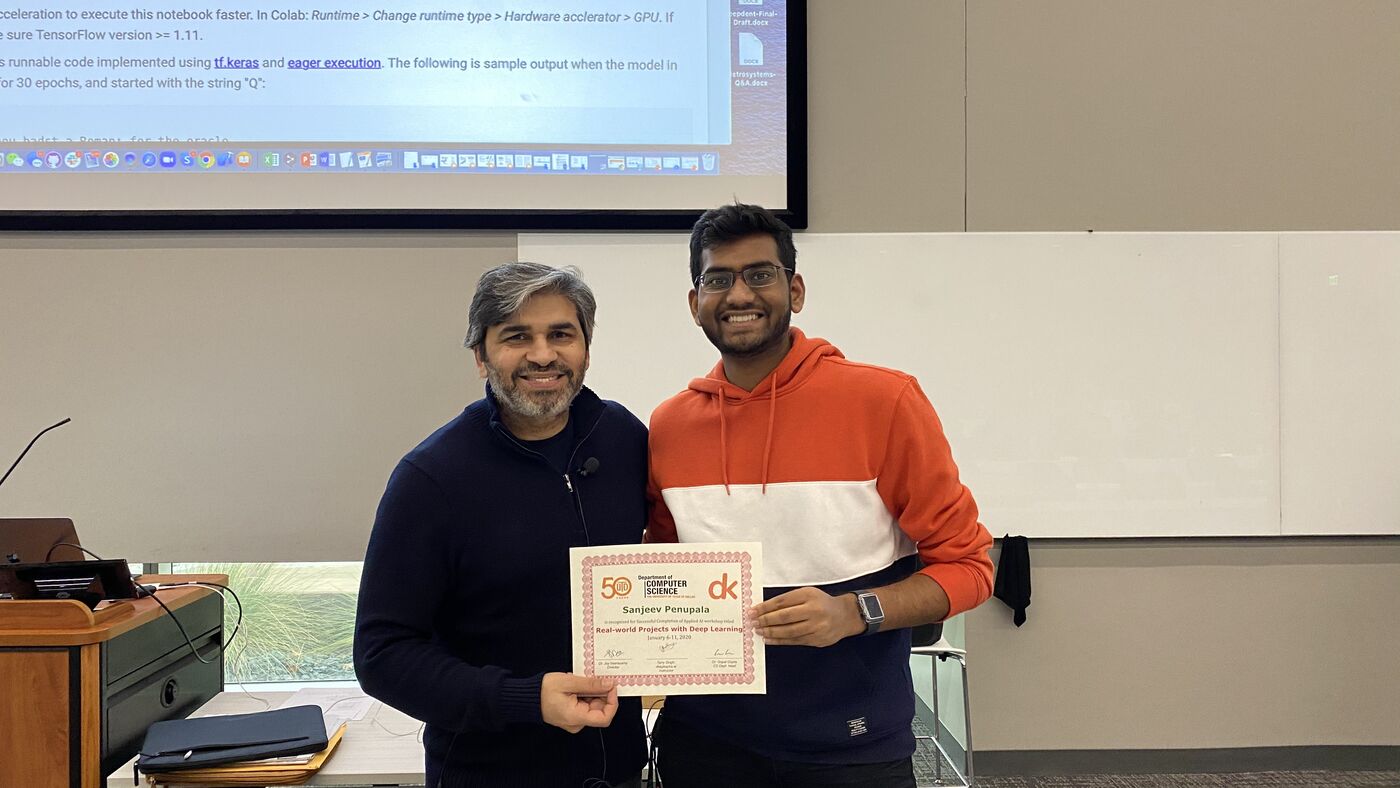
A participant receives the certificate of completion at the front of the hall on the closing day. 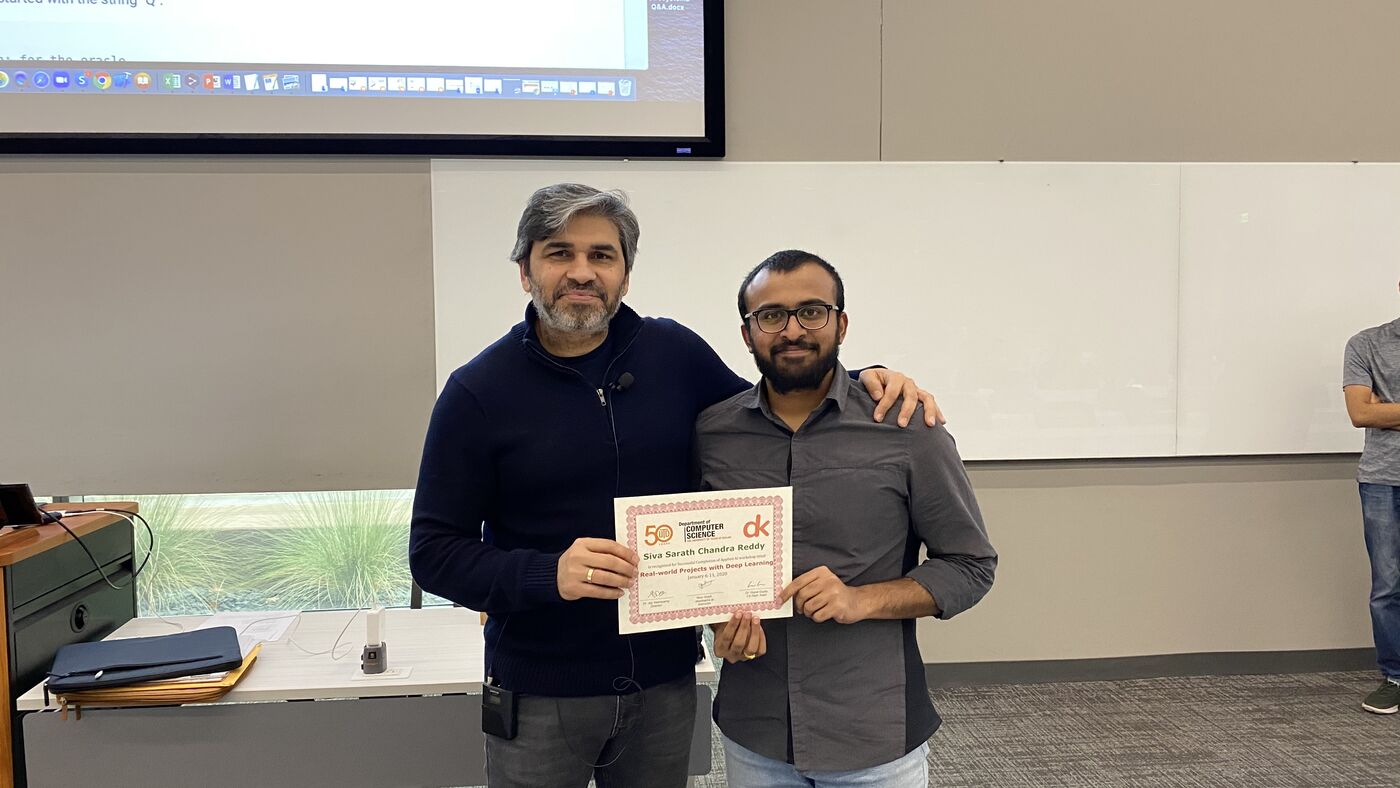
A participant receives the certificate of completion at the front of the hall on the closing day. 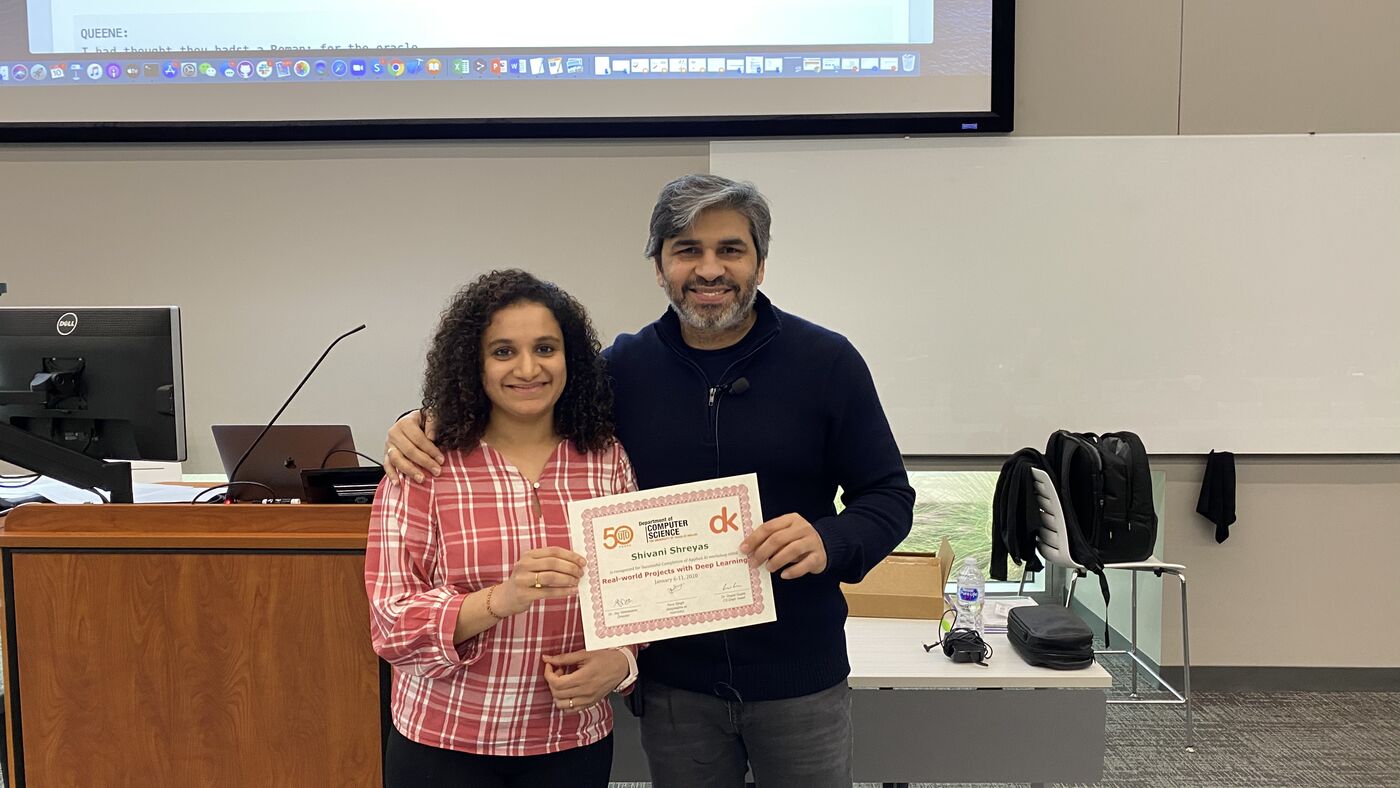
A participant receives the certificate of completion at the front of the hall on the closing day. 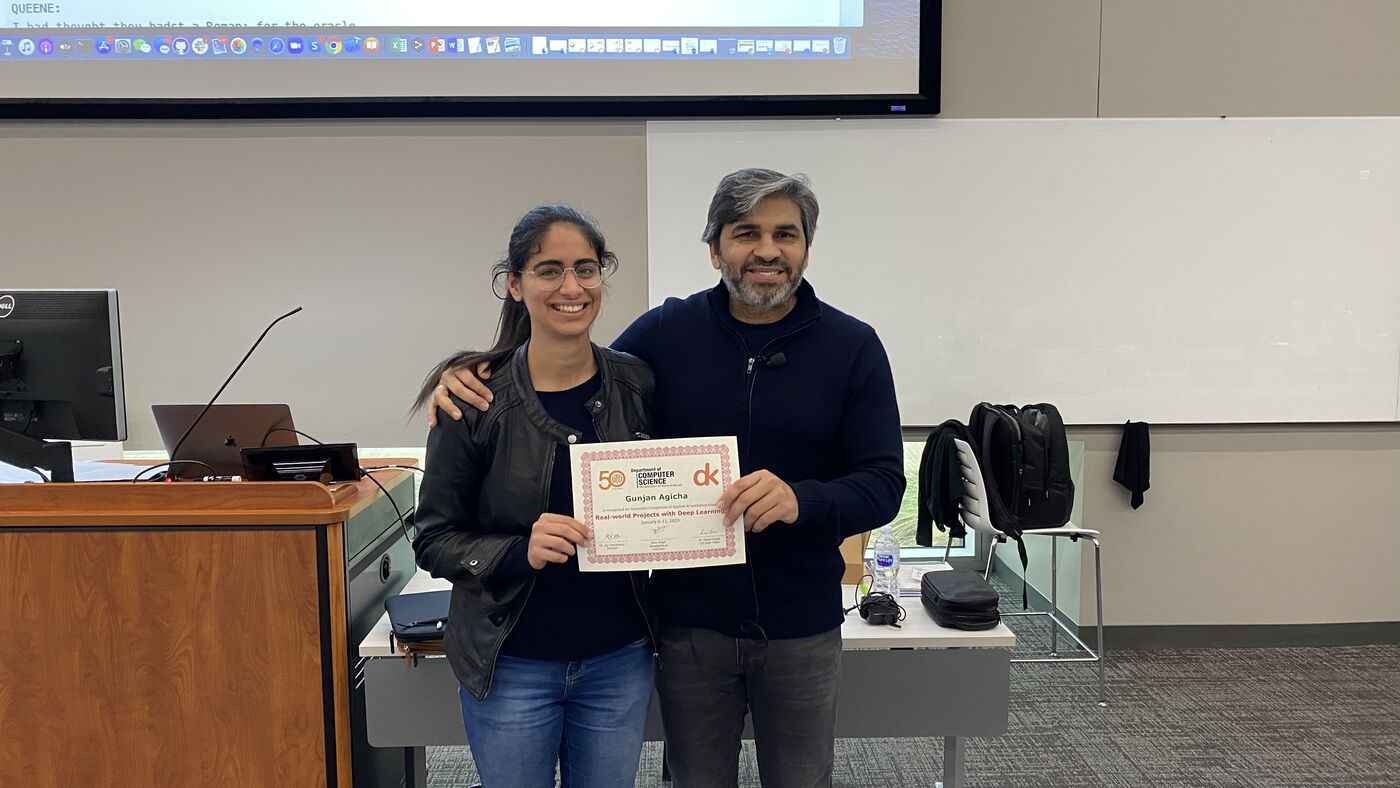
A participant receives the certificate of completion at the front of the hall on the closing day. 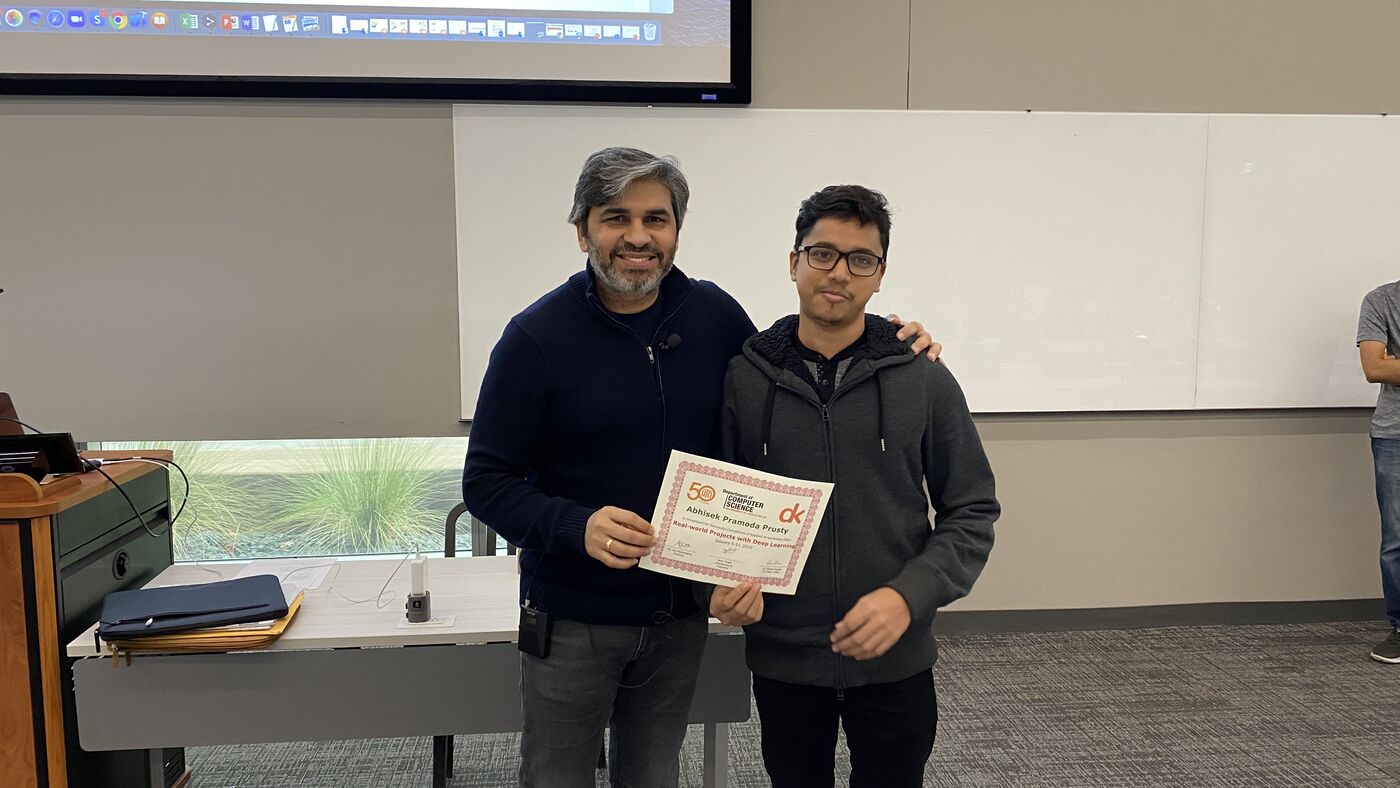
A participant receives the certificate of completion at the front of the hall on the closing day. 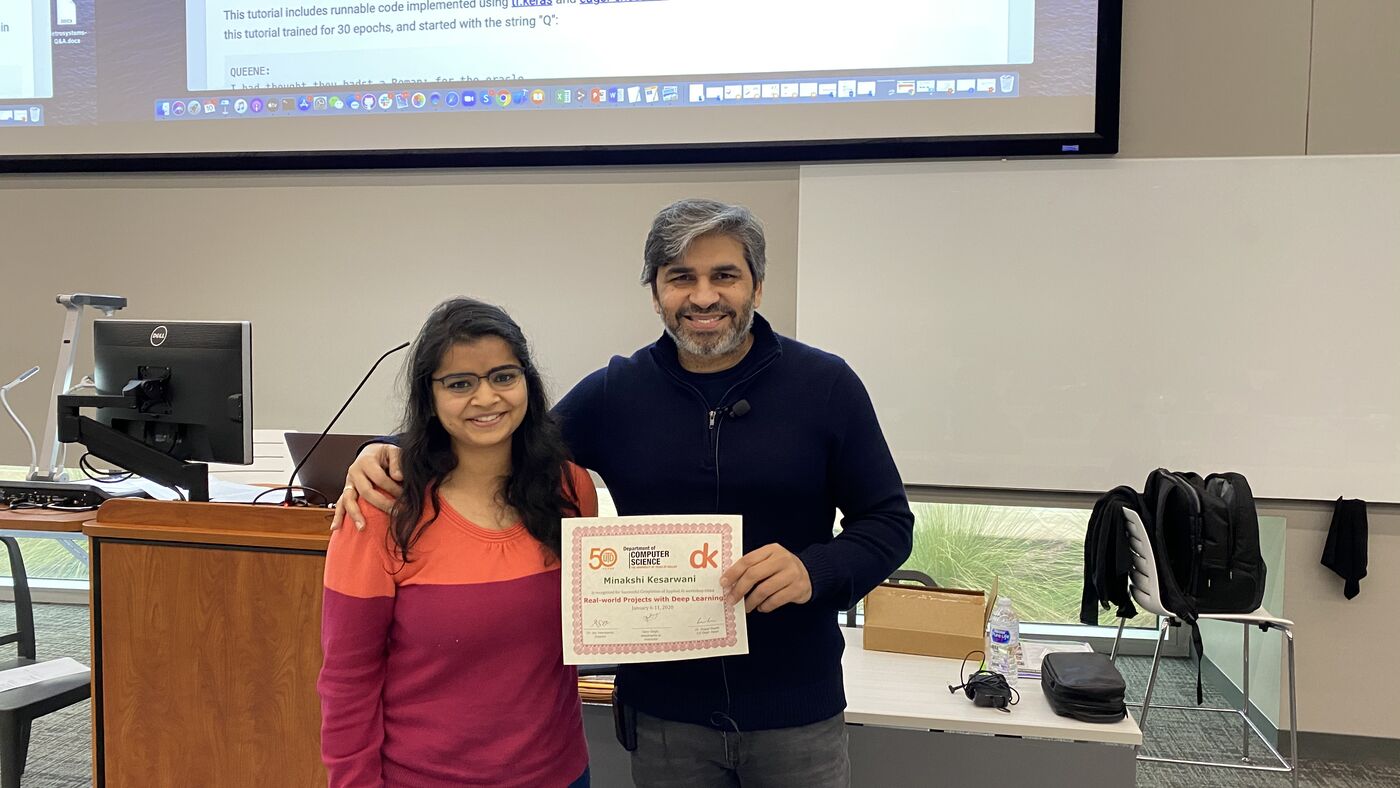
A participant receives the certificate of completion at the front of the hall on the closing day. 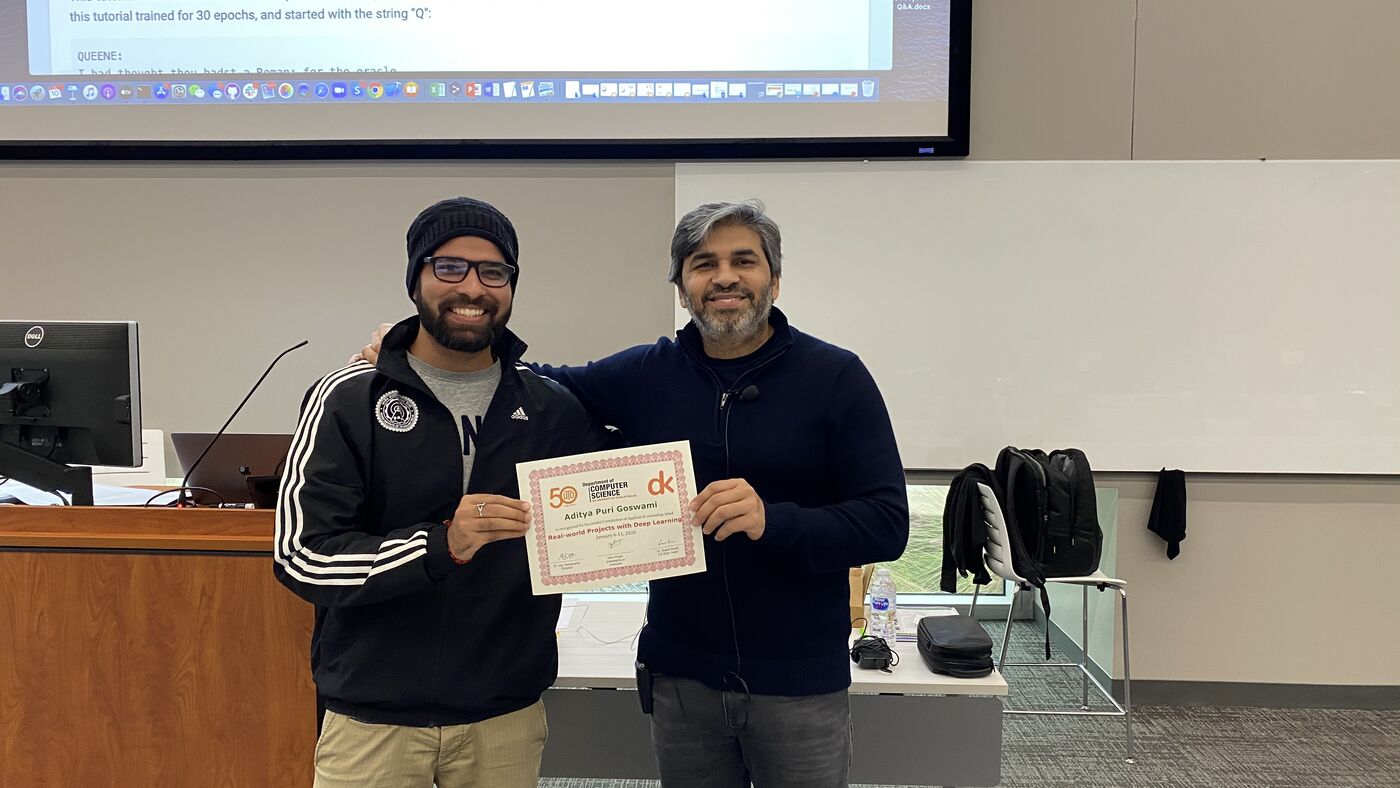
A participant receives the certificate of completion at the front of the hall on the closing day. 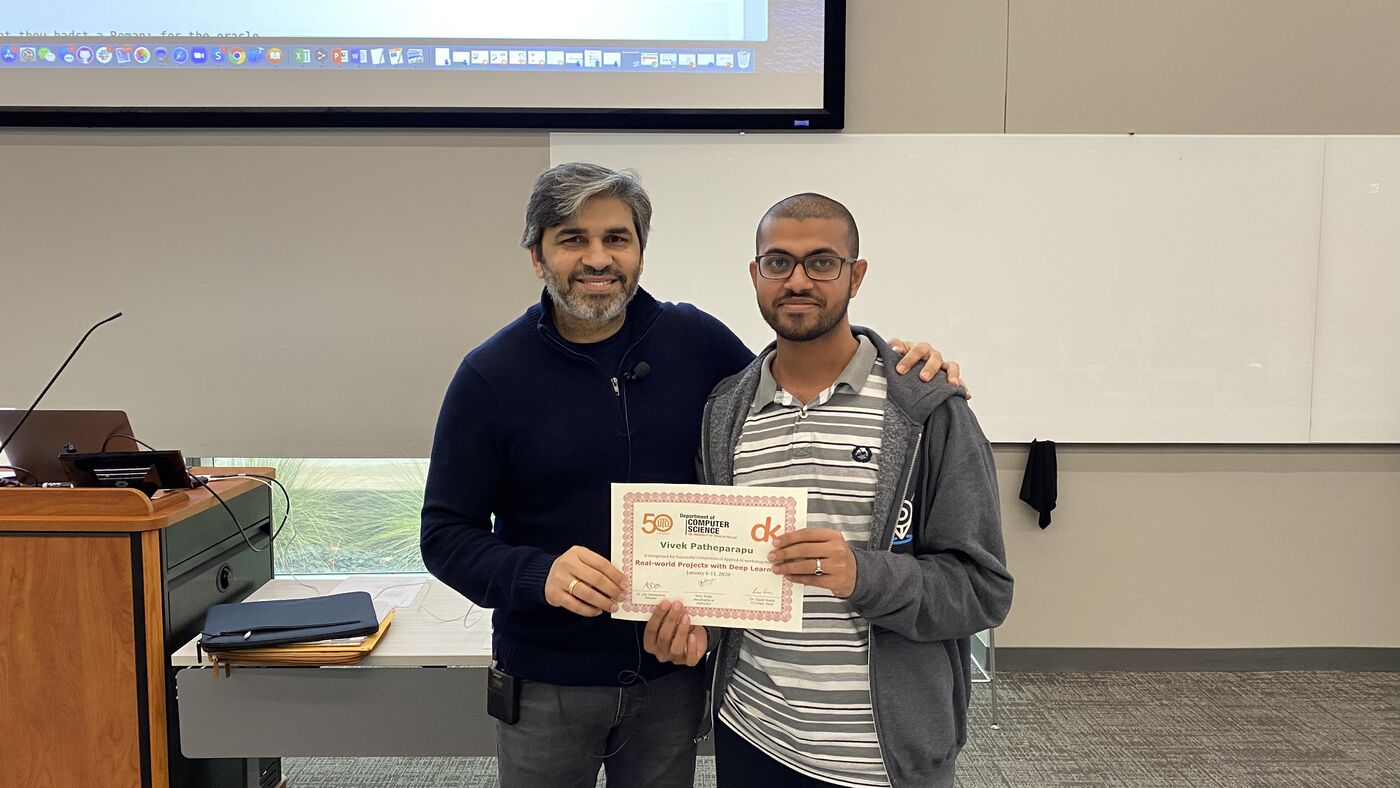
A participant receives the certificate of completion at the front of the hall on the closing day. 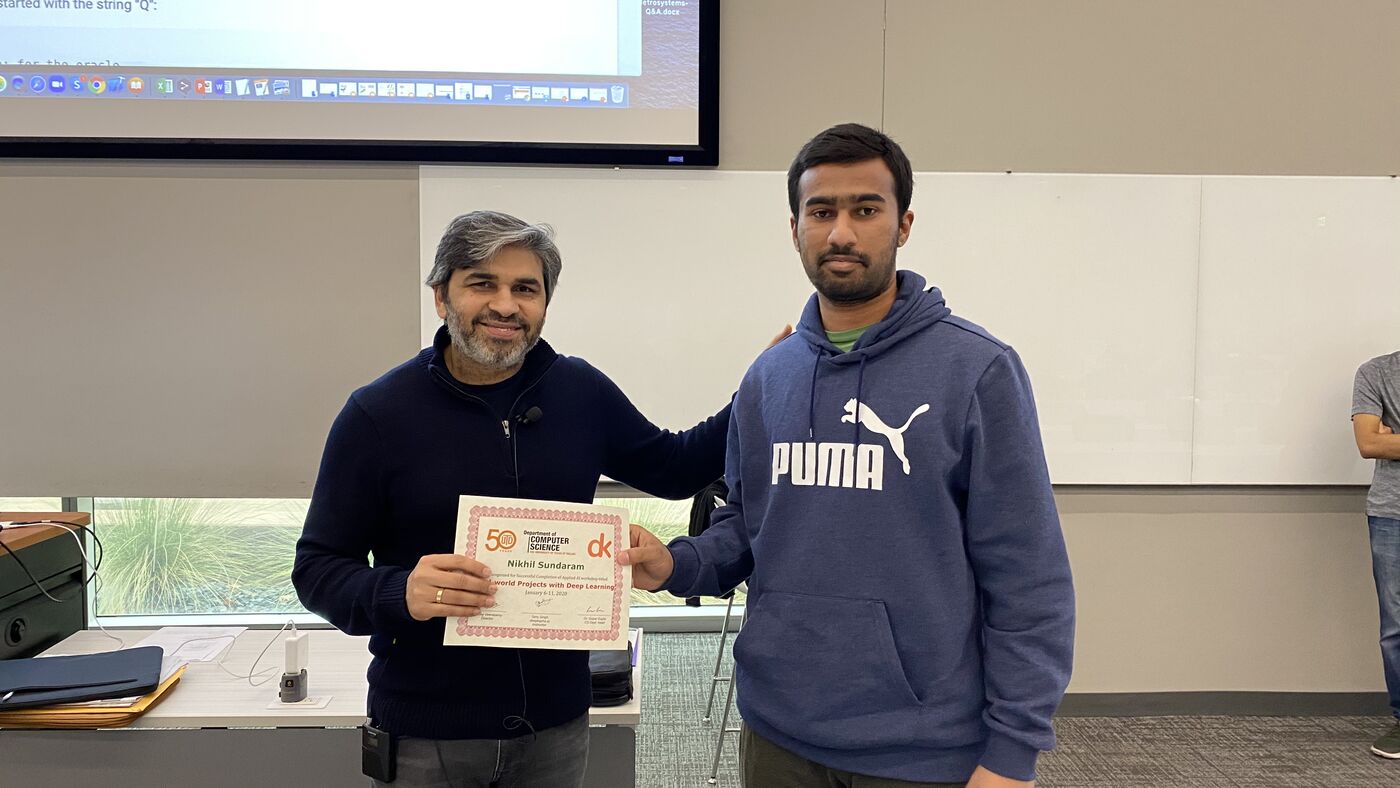
A participant receives the certificate of completion at the front of the hall on the closing day. 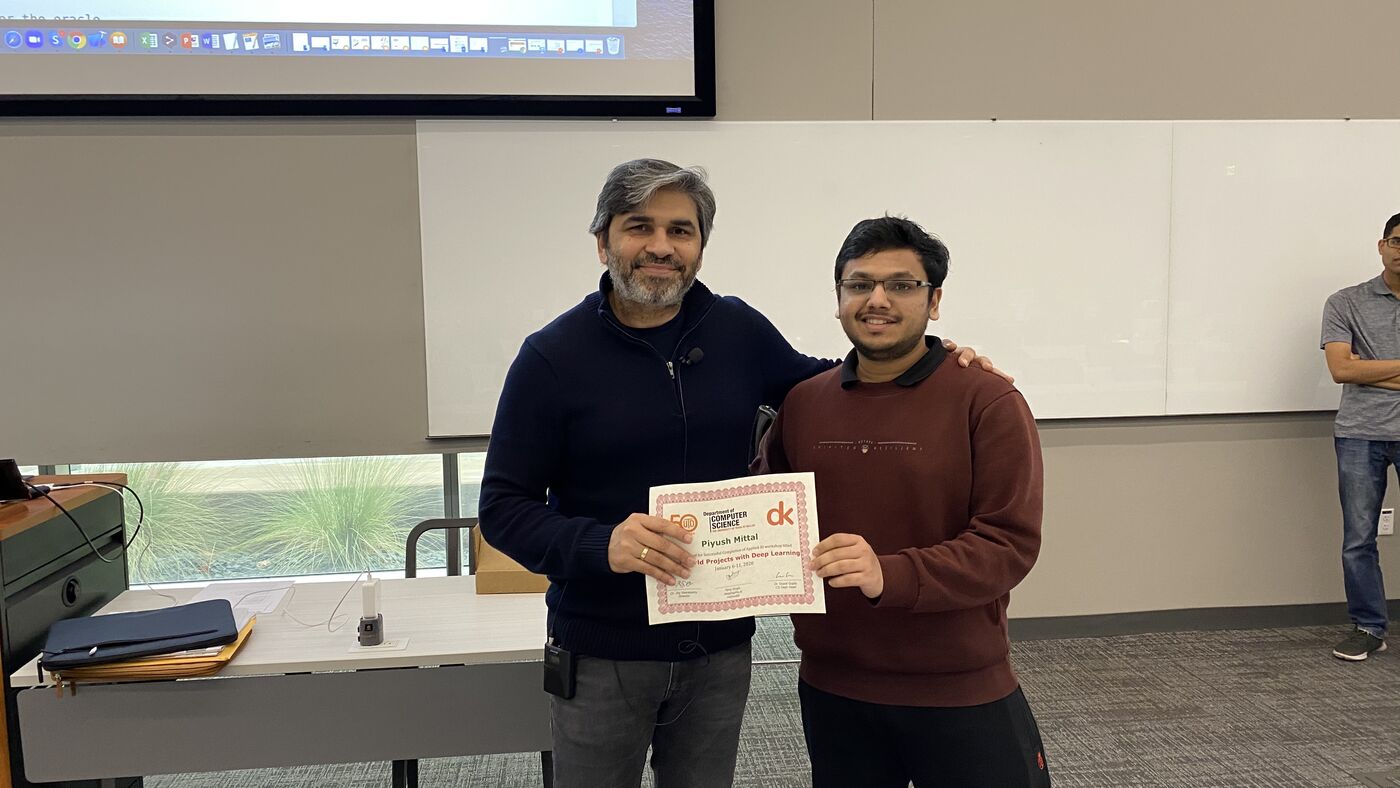
A participant receives the certificate of completion at the front of the hall on the closing day. 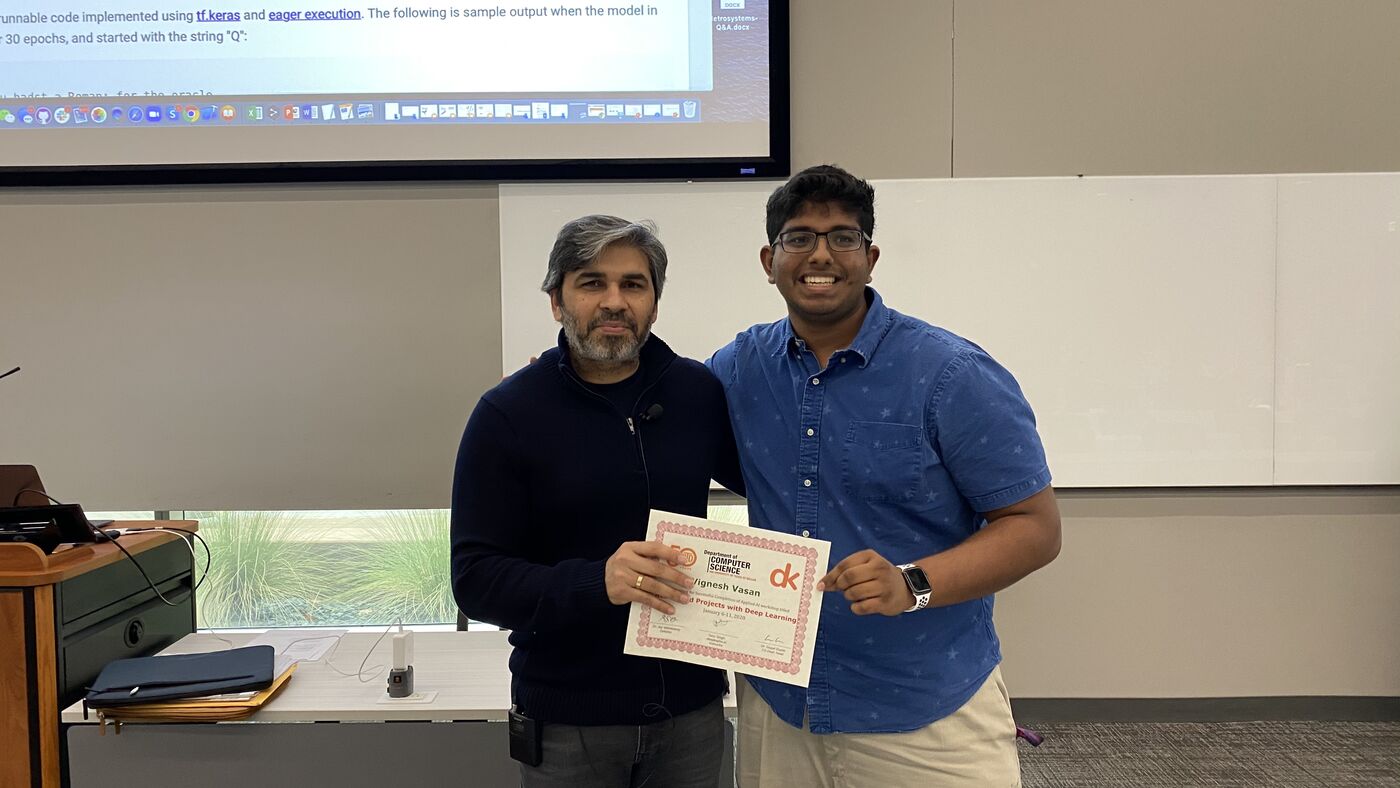
A participant receives the certificate of completion at the front of the hall on the closing day. 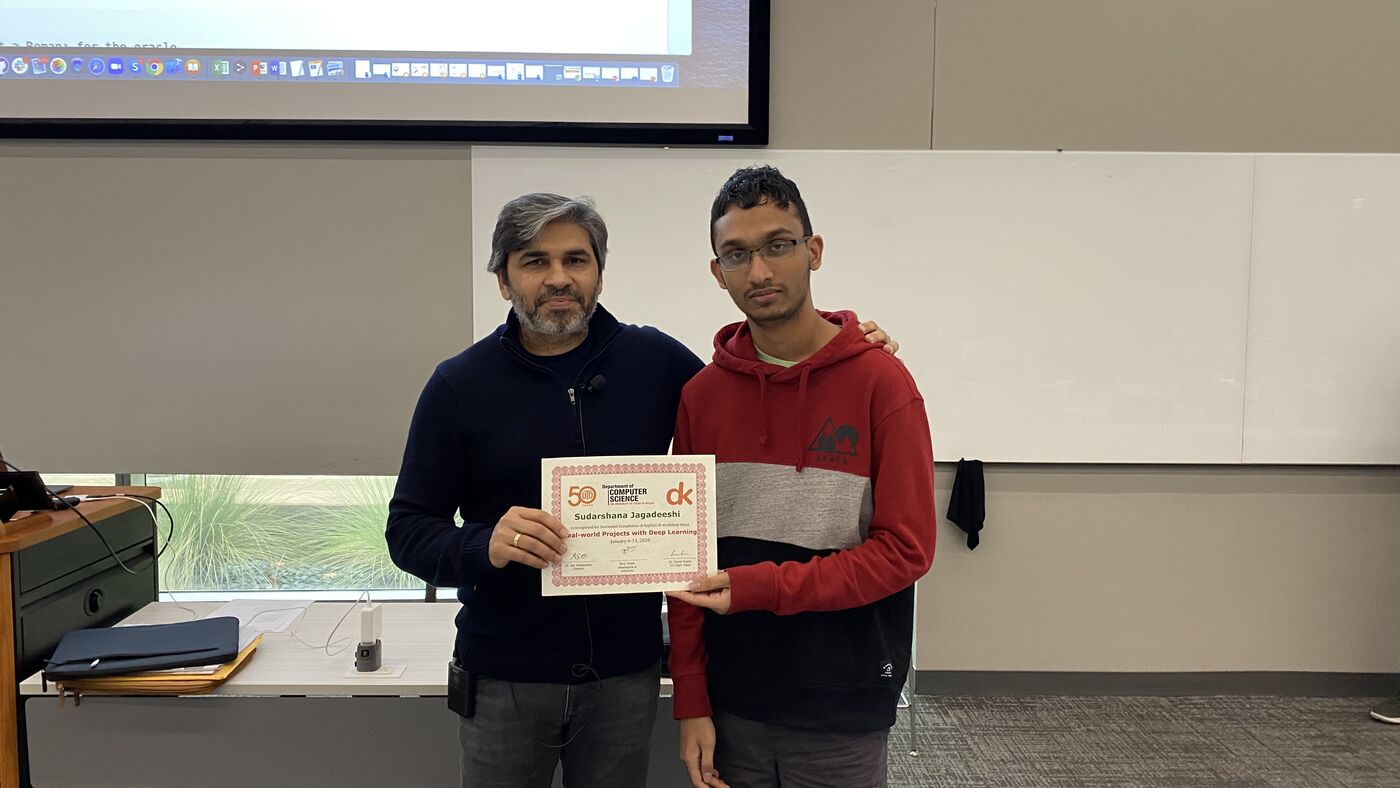
A participant receives the certificate of completion at the front of the hall on the closing day. 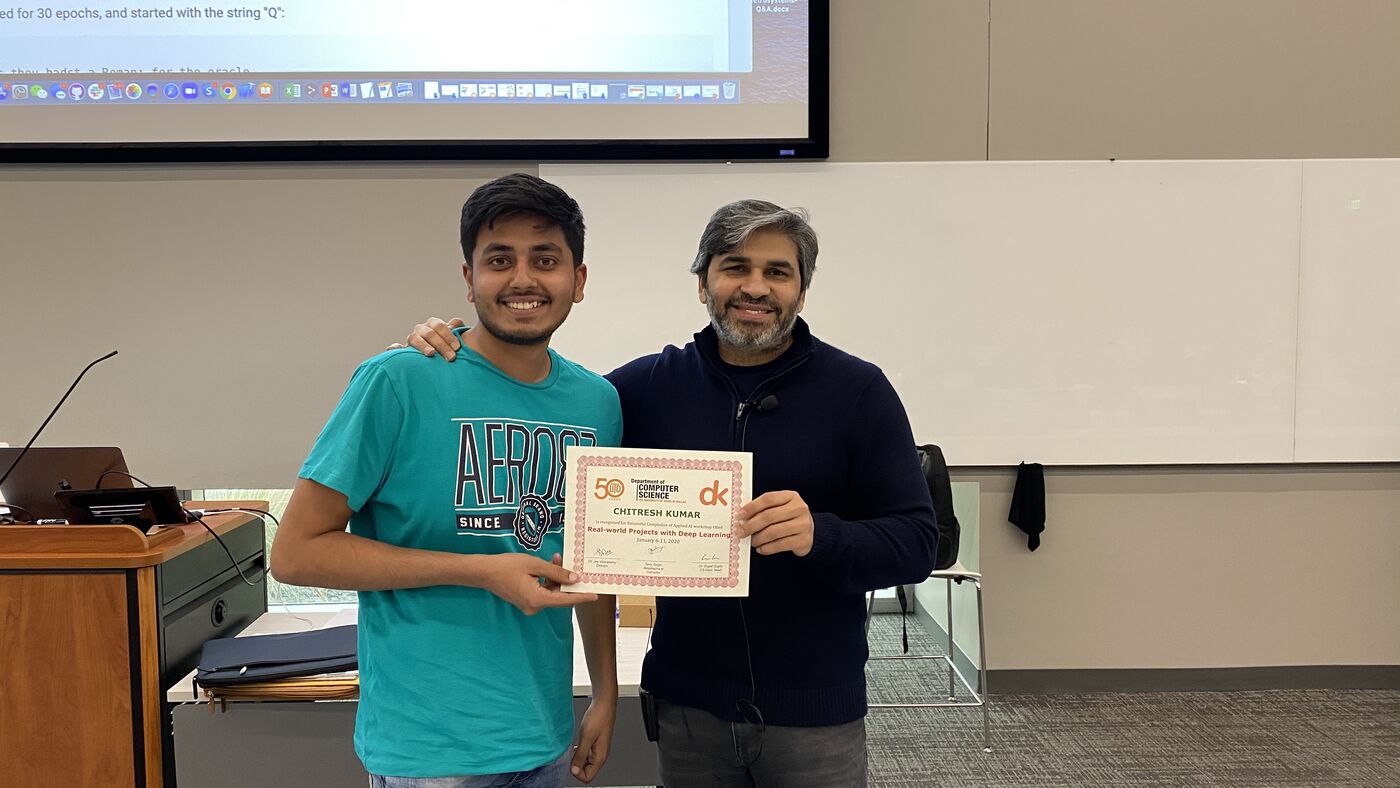
A participant receives the certificate of completion at the front of the hall on the closing day. 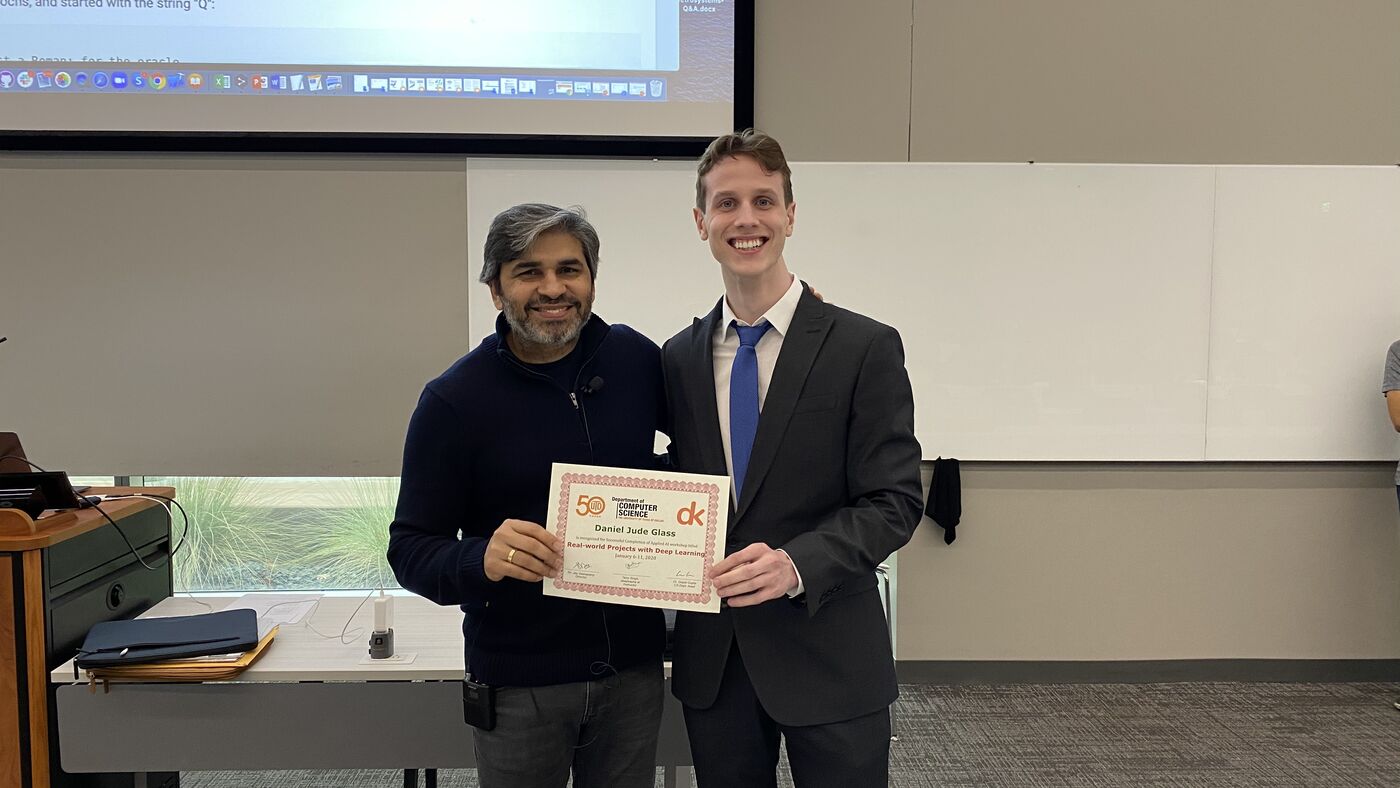
A participant receives the certificate of completion at the front of the hall on the closing day. 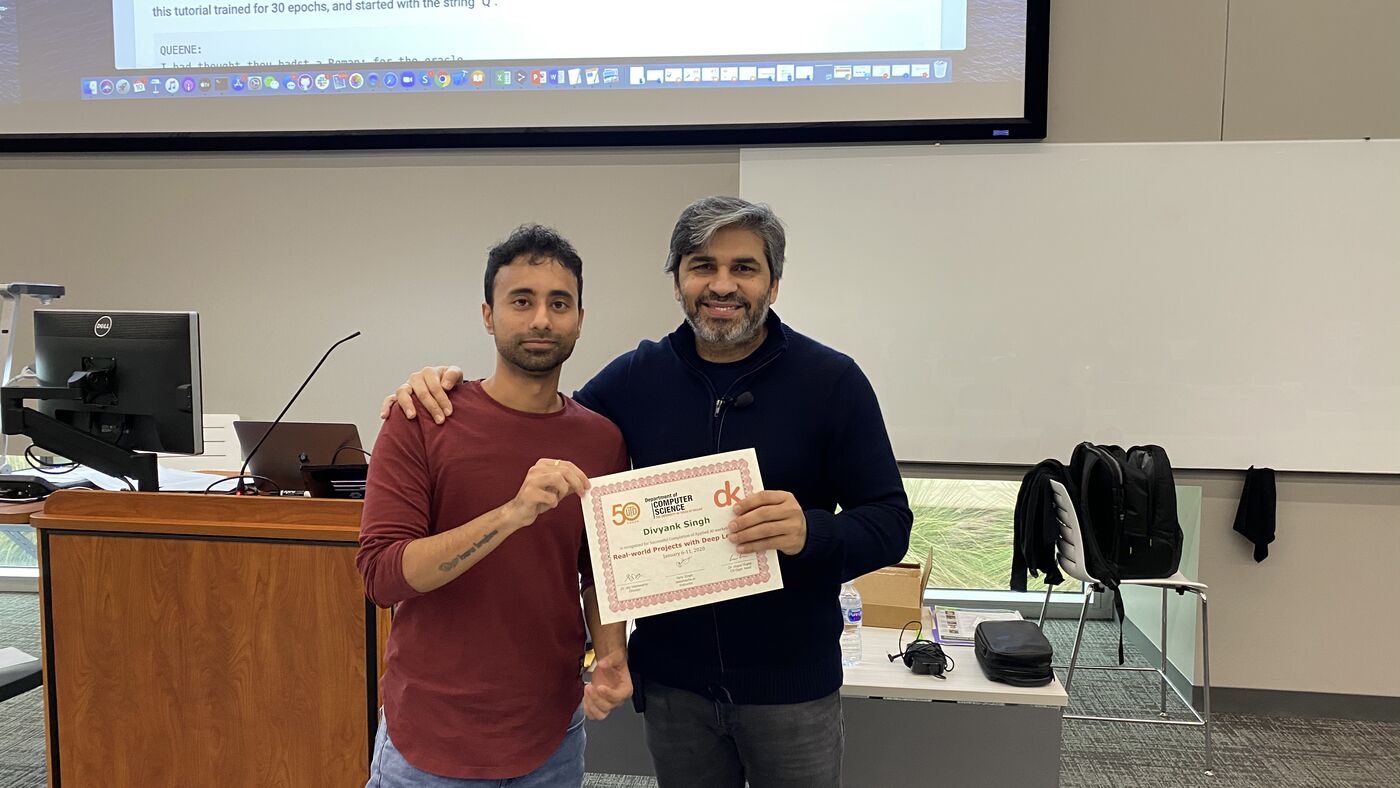
A participant receives the certificate of completion at the front of the hall on the closing day. 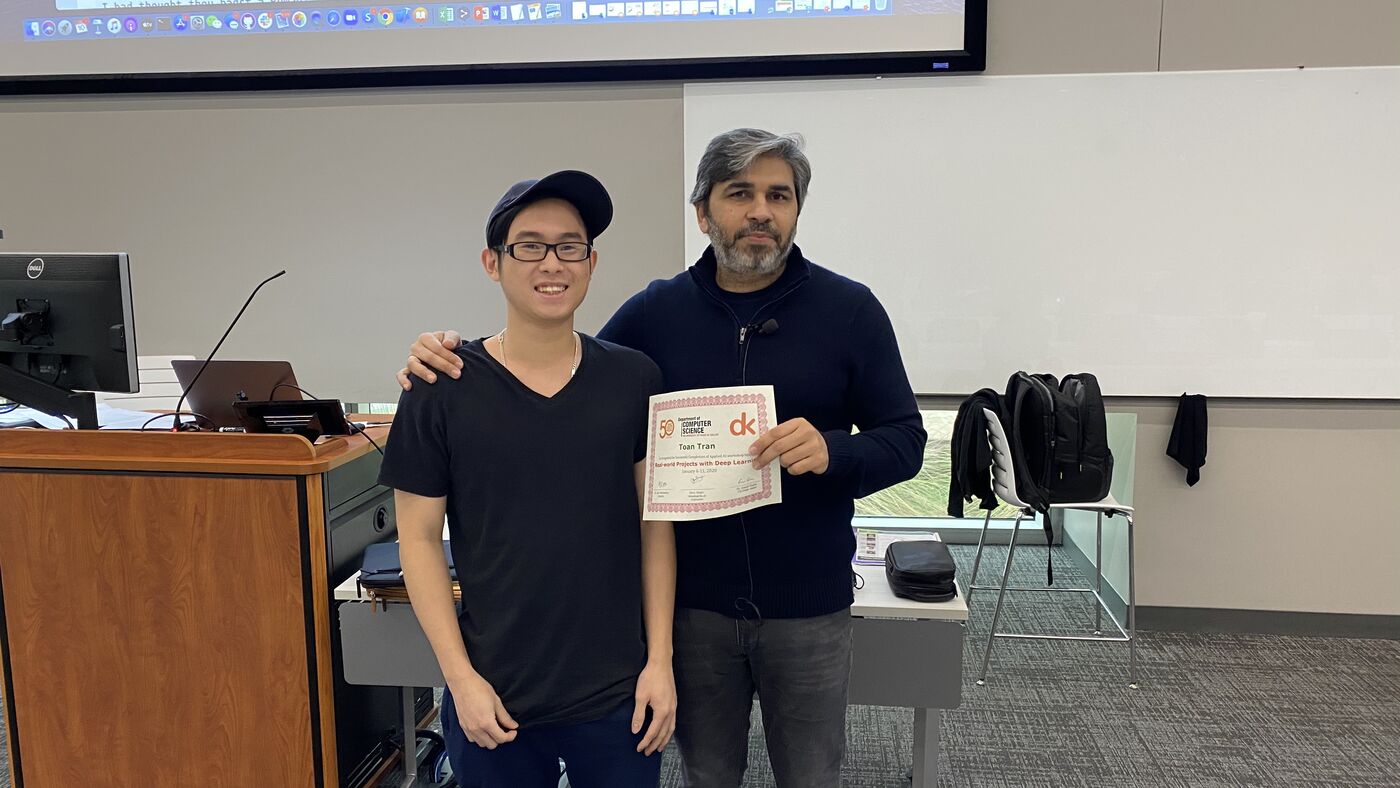
A participant receives the certificate of completion at the front of the hall on the closing day. 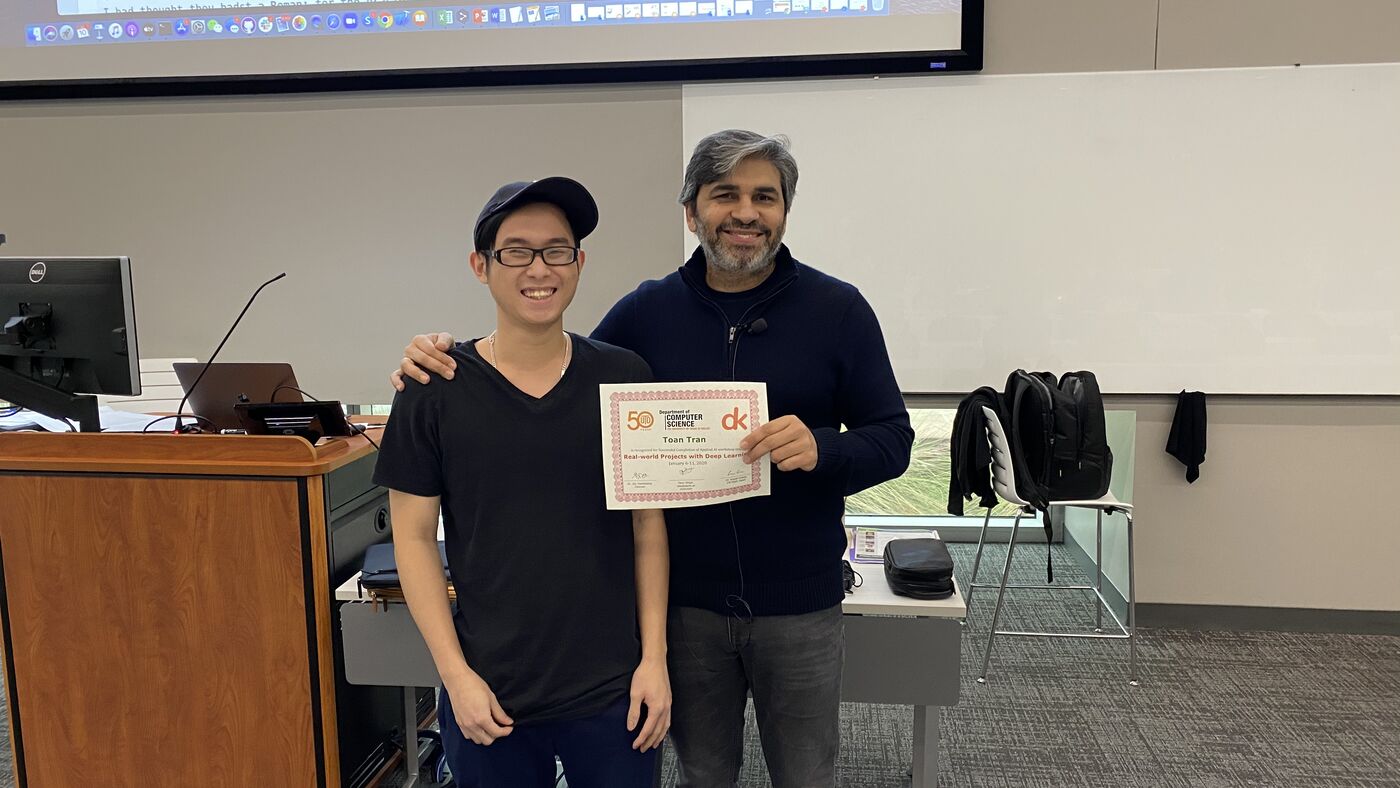
A participant receives the certificate of completion at the front of the hall on the closing day. 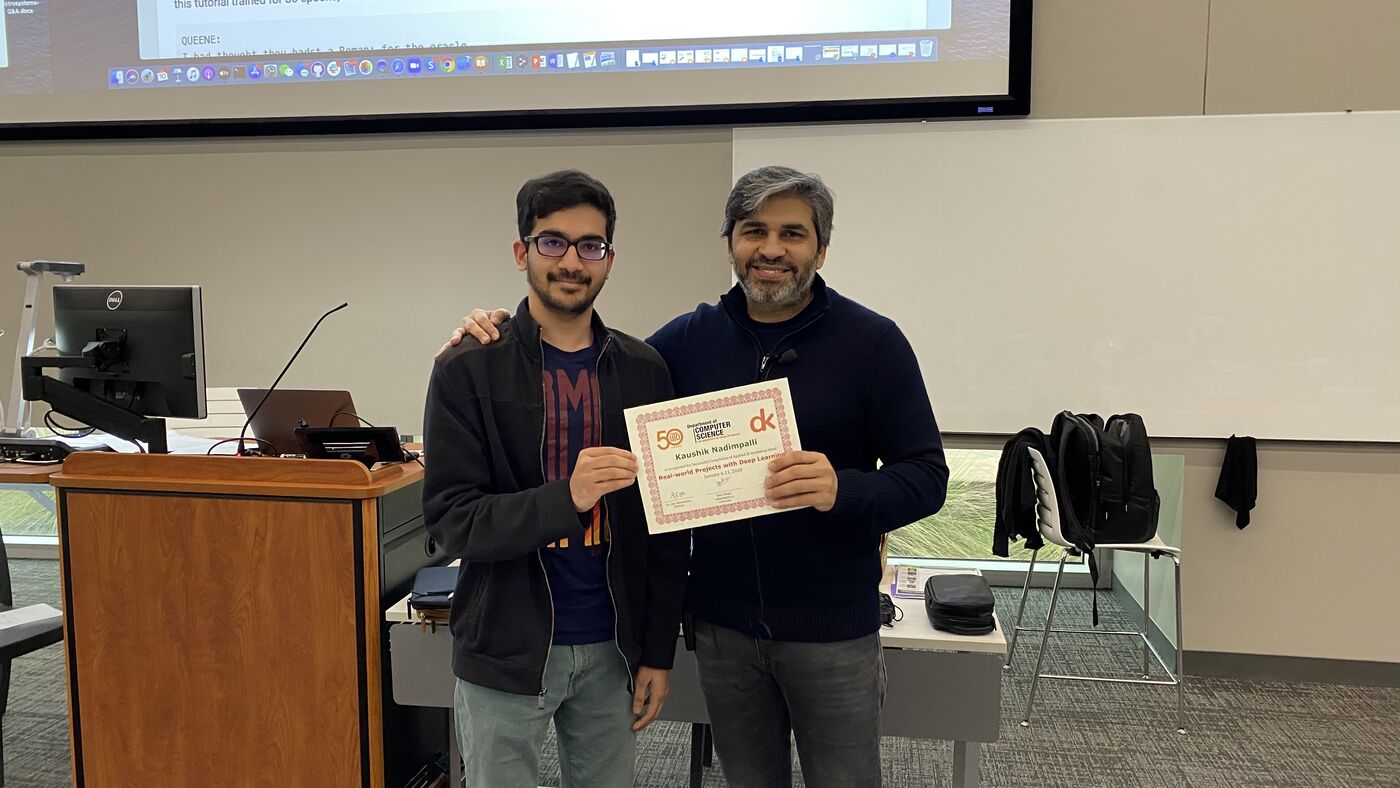
A participant receives the certificate of completion at the front of the hall on the closing day. 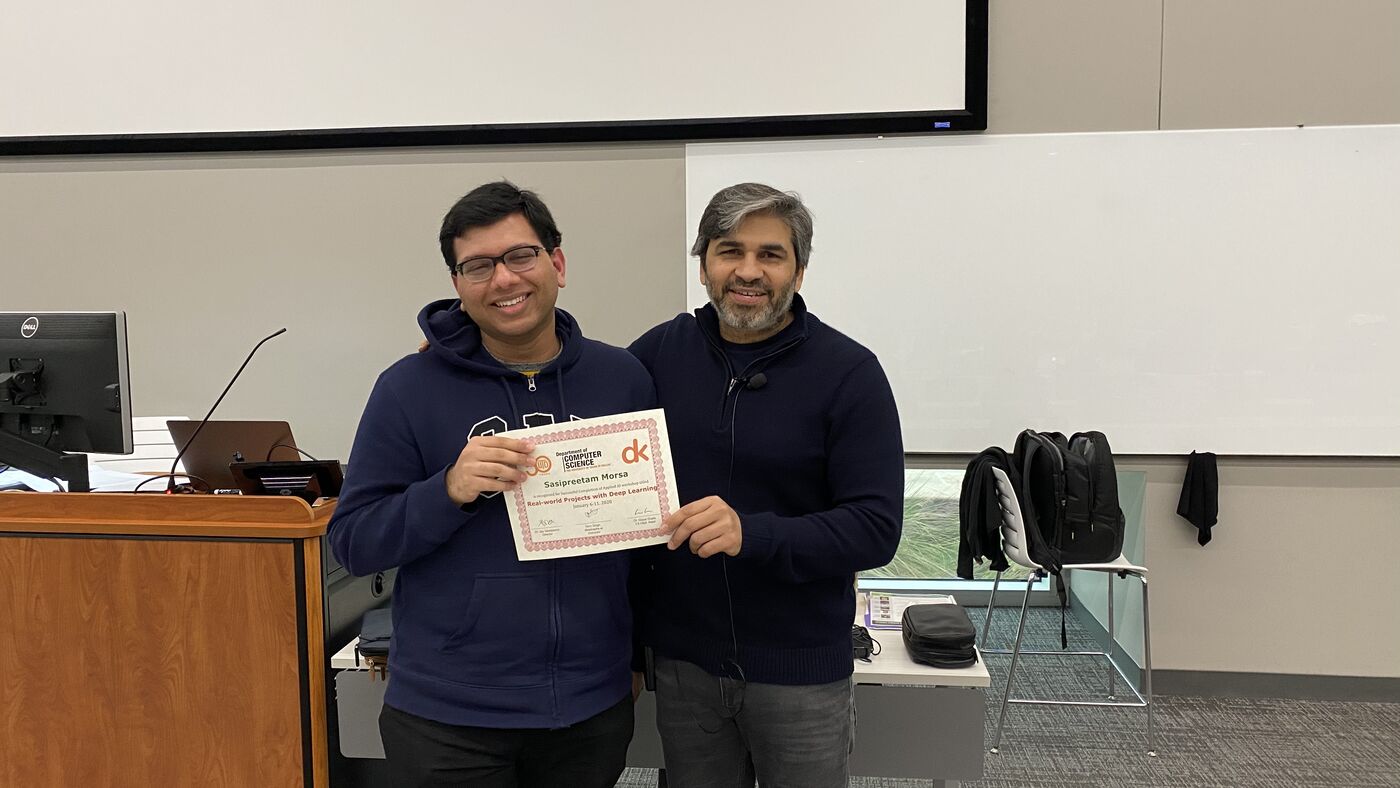
A participant receives the certificate of completion at the front of the hall on the closing day. 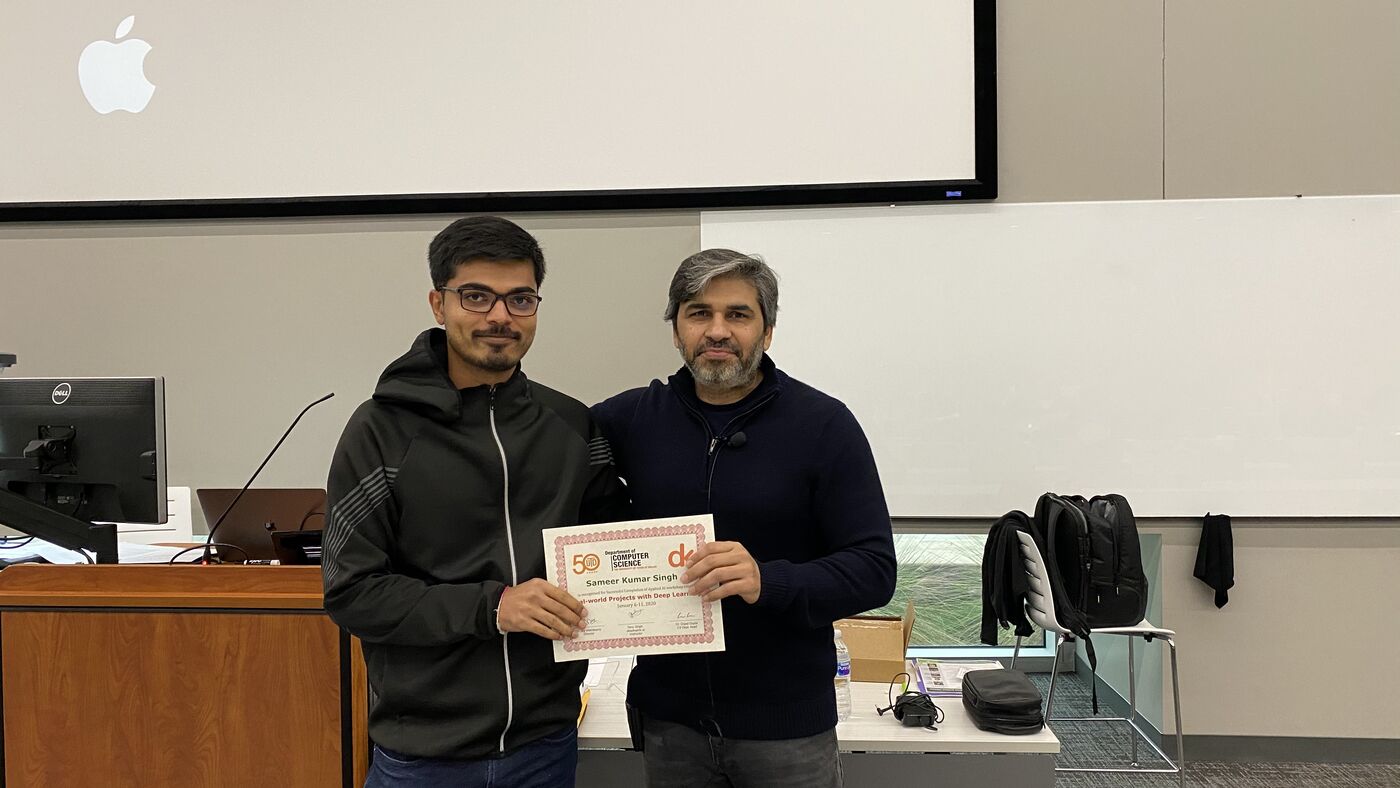
A participant receives the certificate of completion at the front of the hall on the closing day. 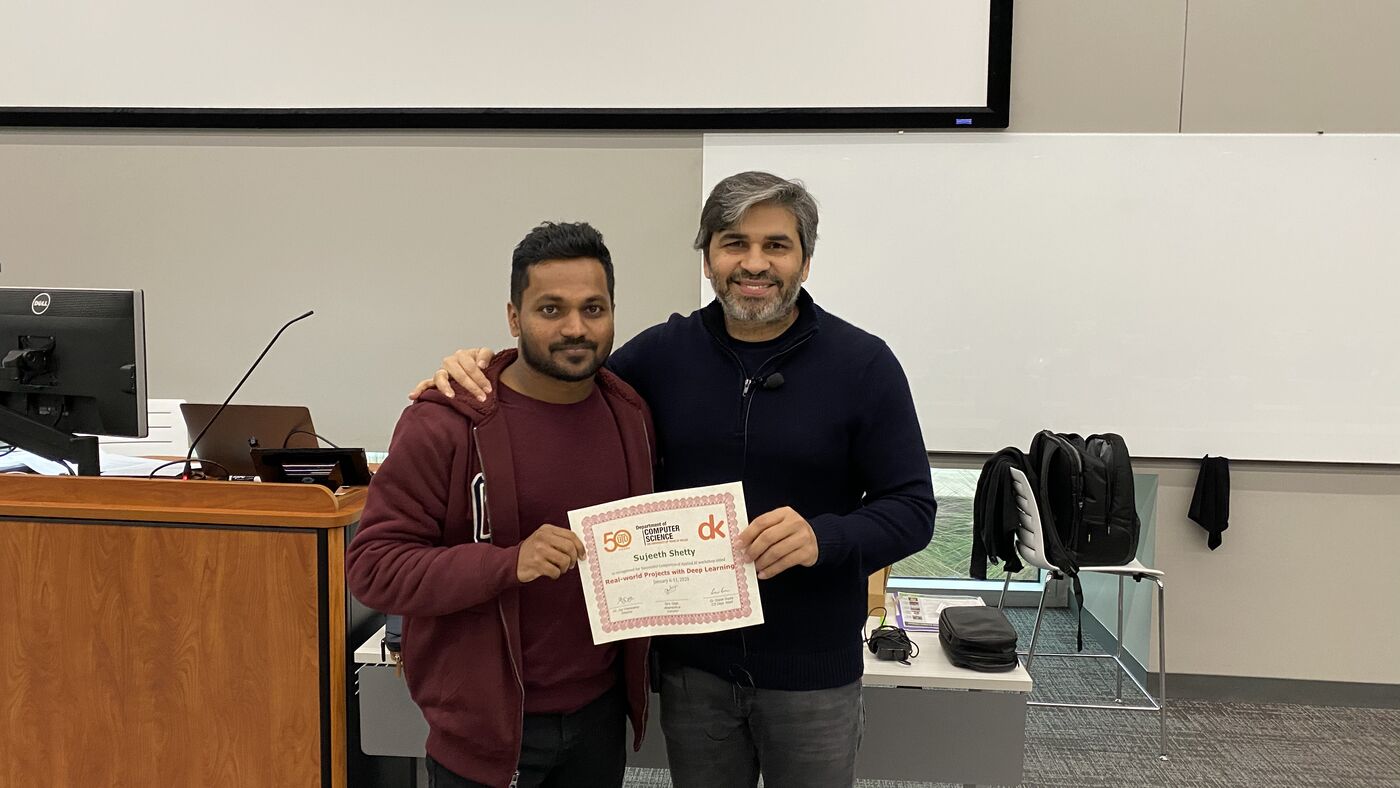
A participant receives the certificate of completion at the front of the hall on the closing day. 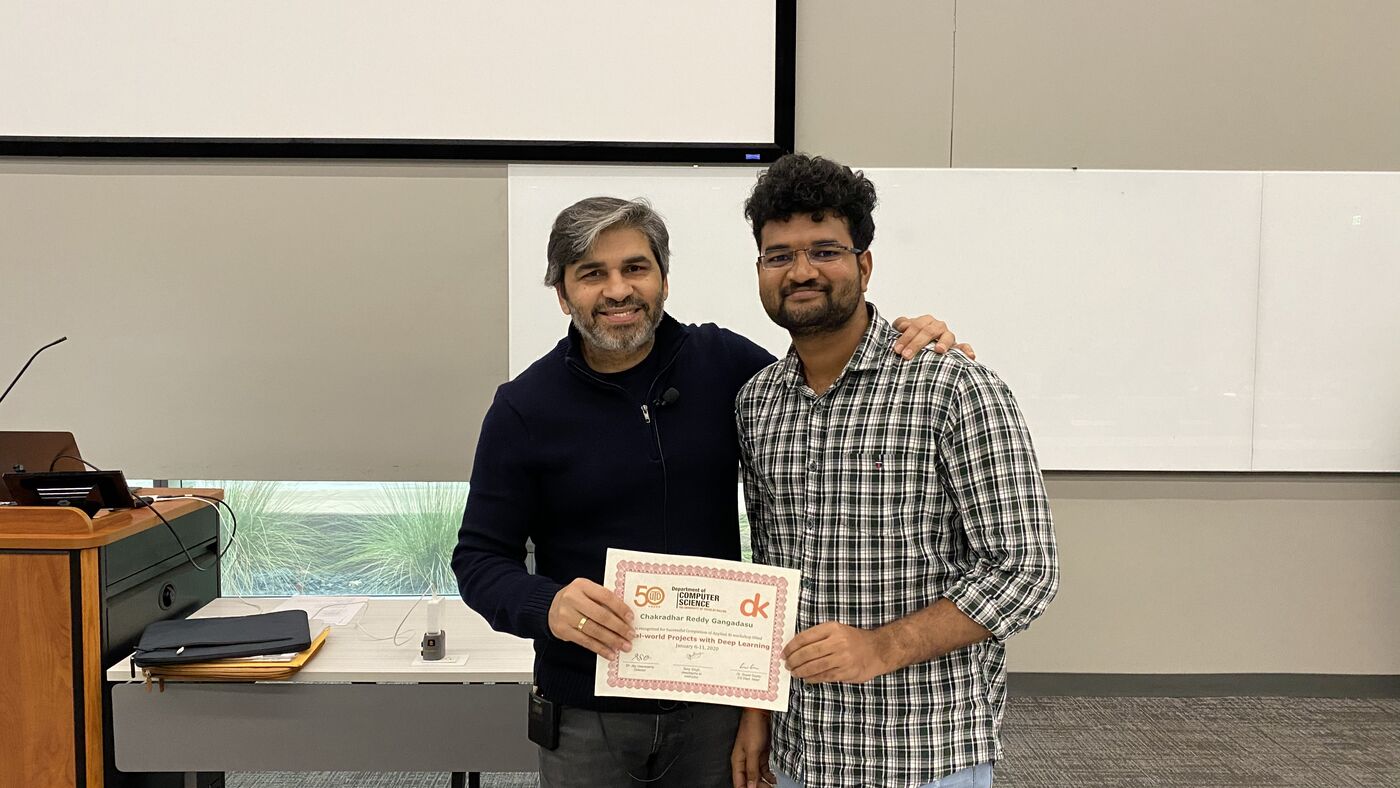
A participant receives the certificate of completion at the front of the hall on the closing day. 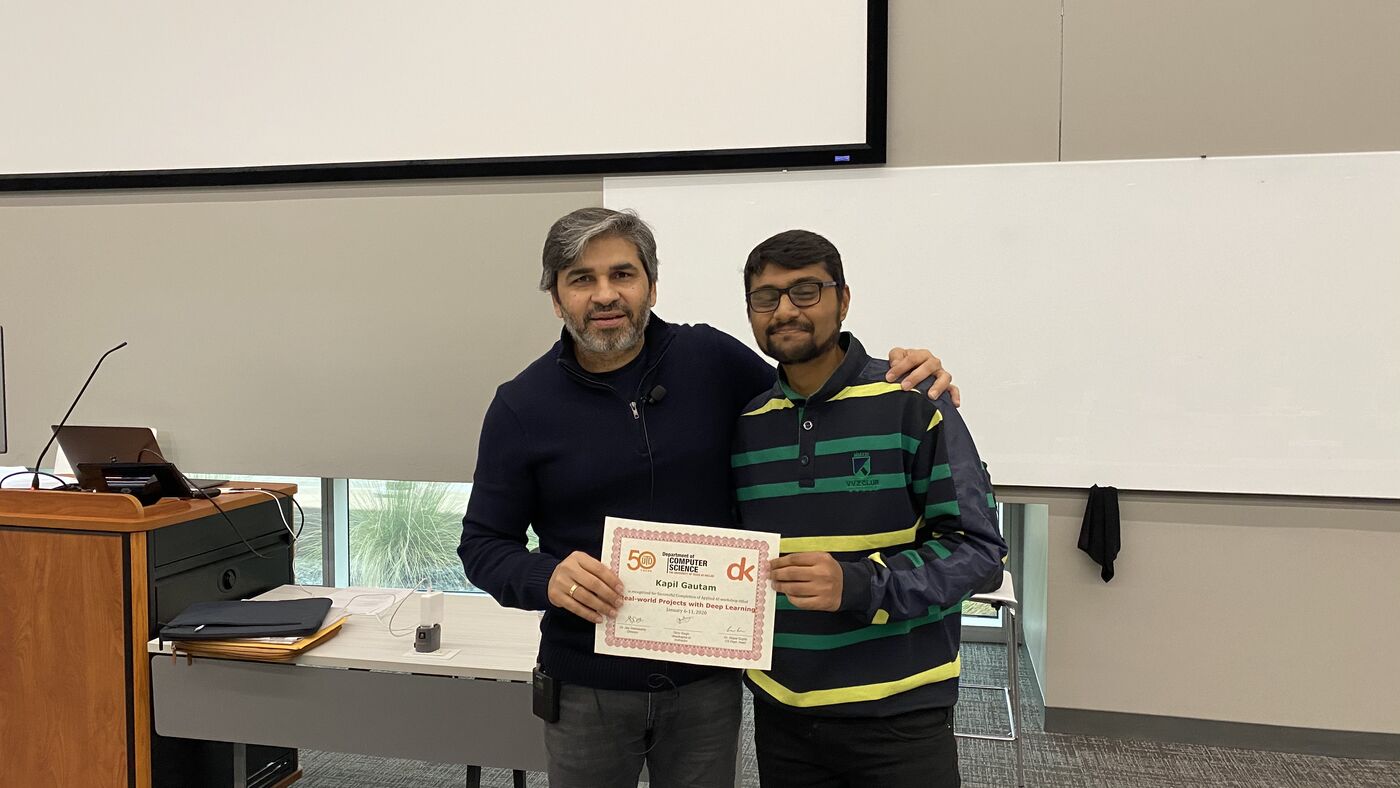
A participant receives the certificate of completion at the front of the hall on the closing day. 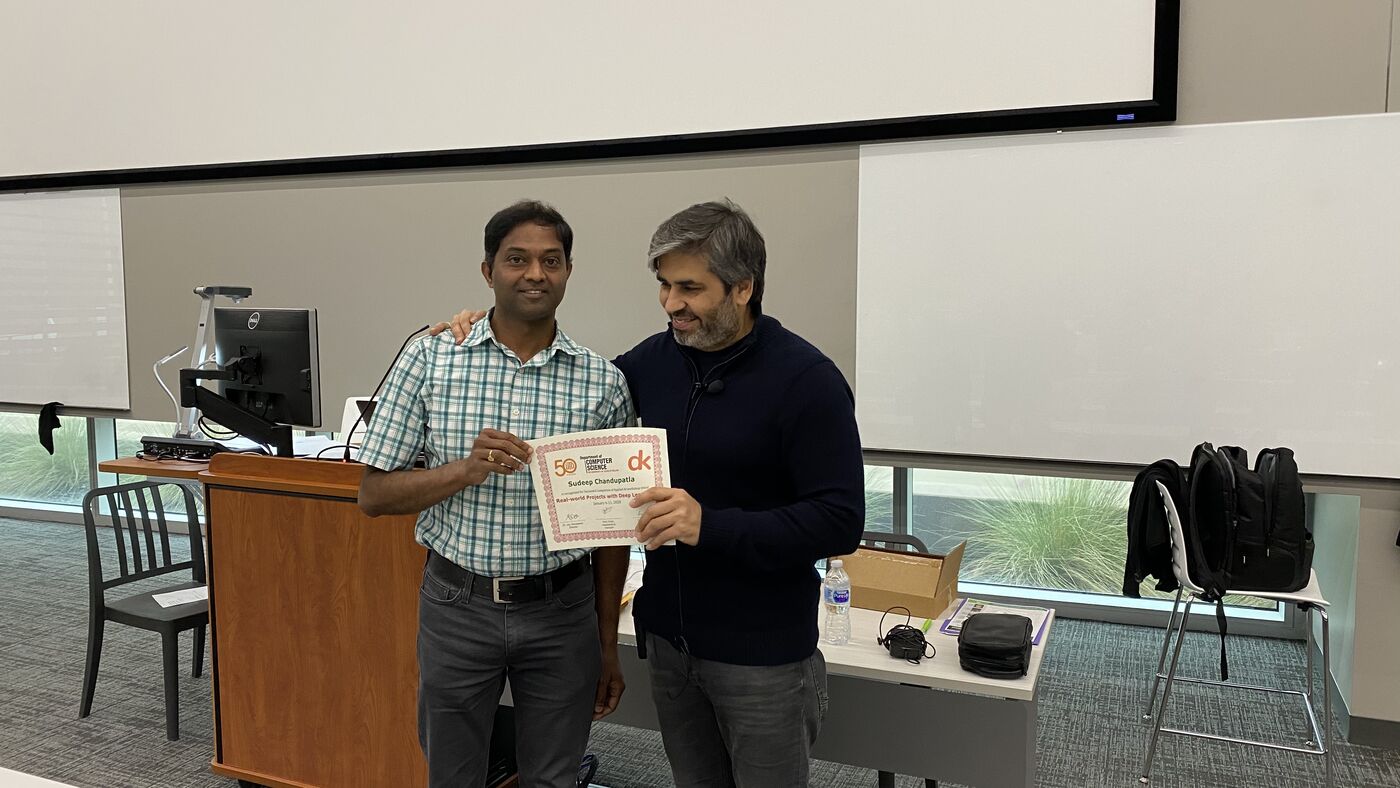
A participant receives the certificate of completion at the front of the hall on the closing day. 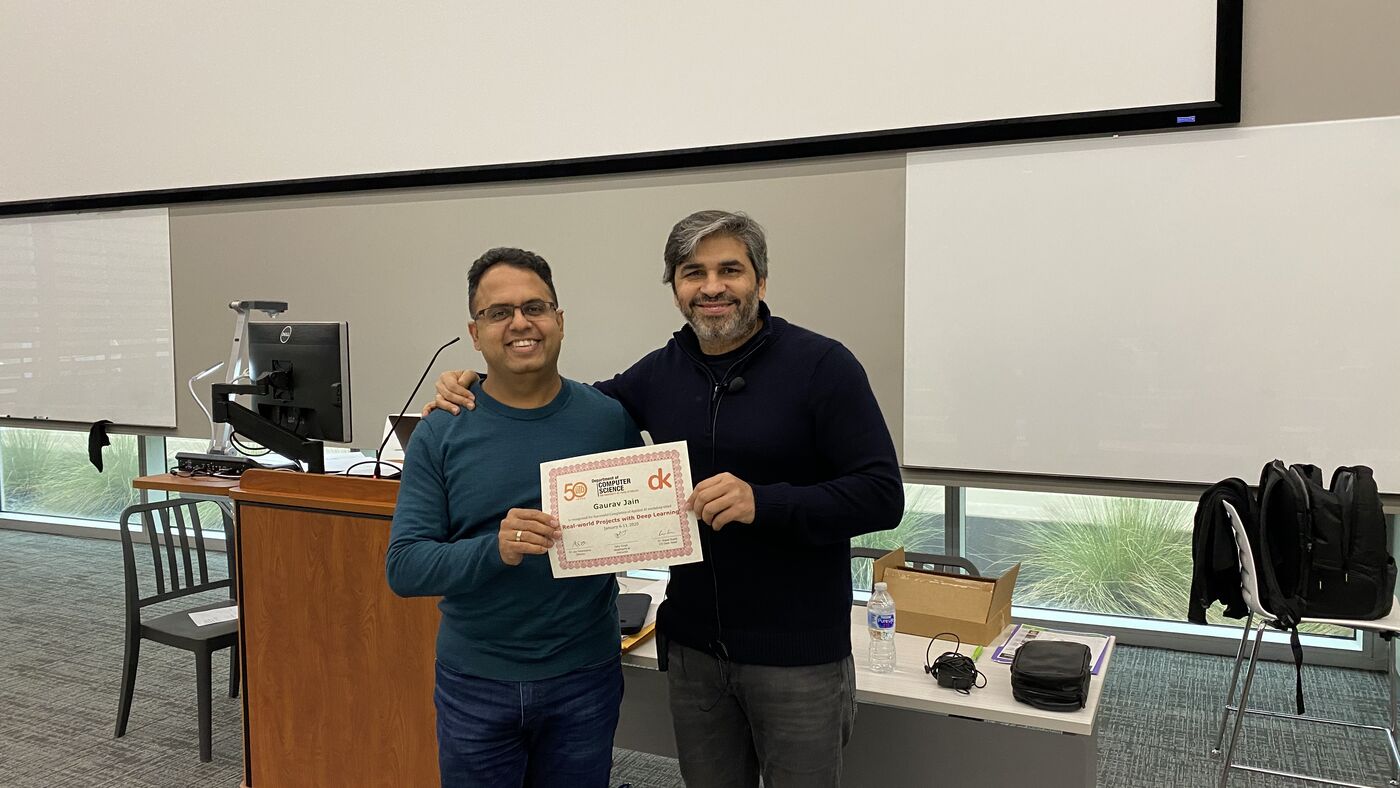
A participant receives the certificate of completion at the front of the hall on the closing day. 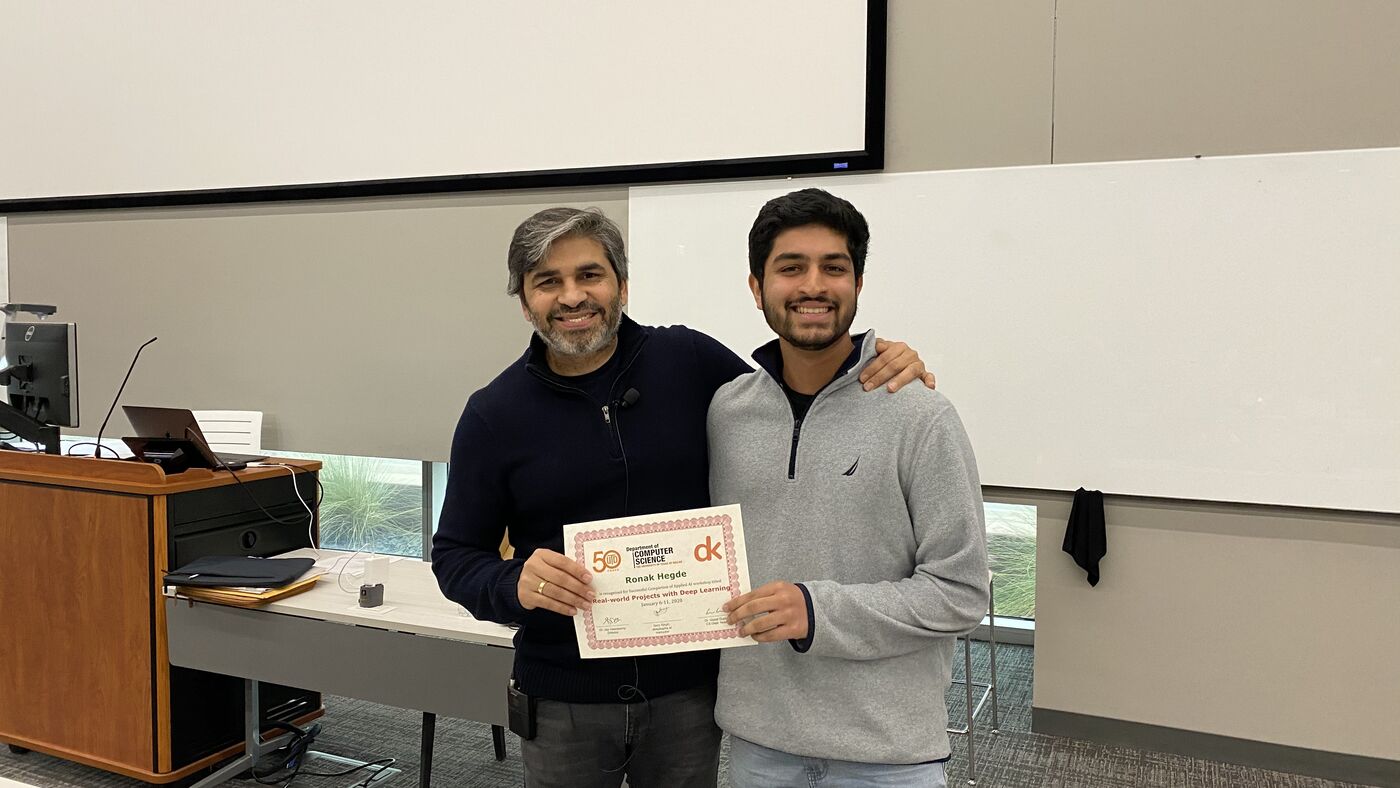
A participant receives the certificate of completion at the front of the hall on the closing day. 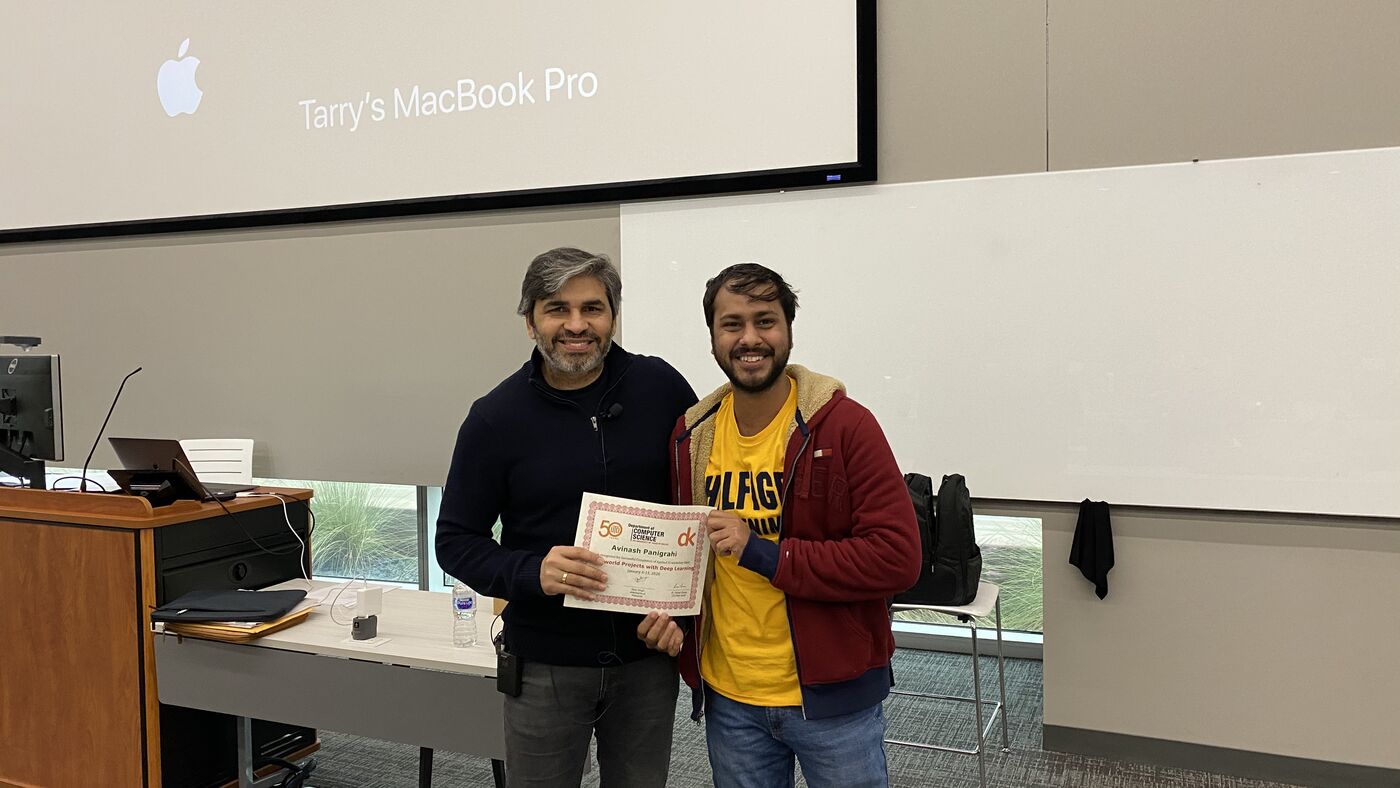
A participant receives the certificate of completion at the front of the hall on the closing day. 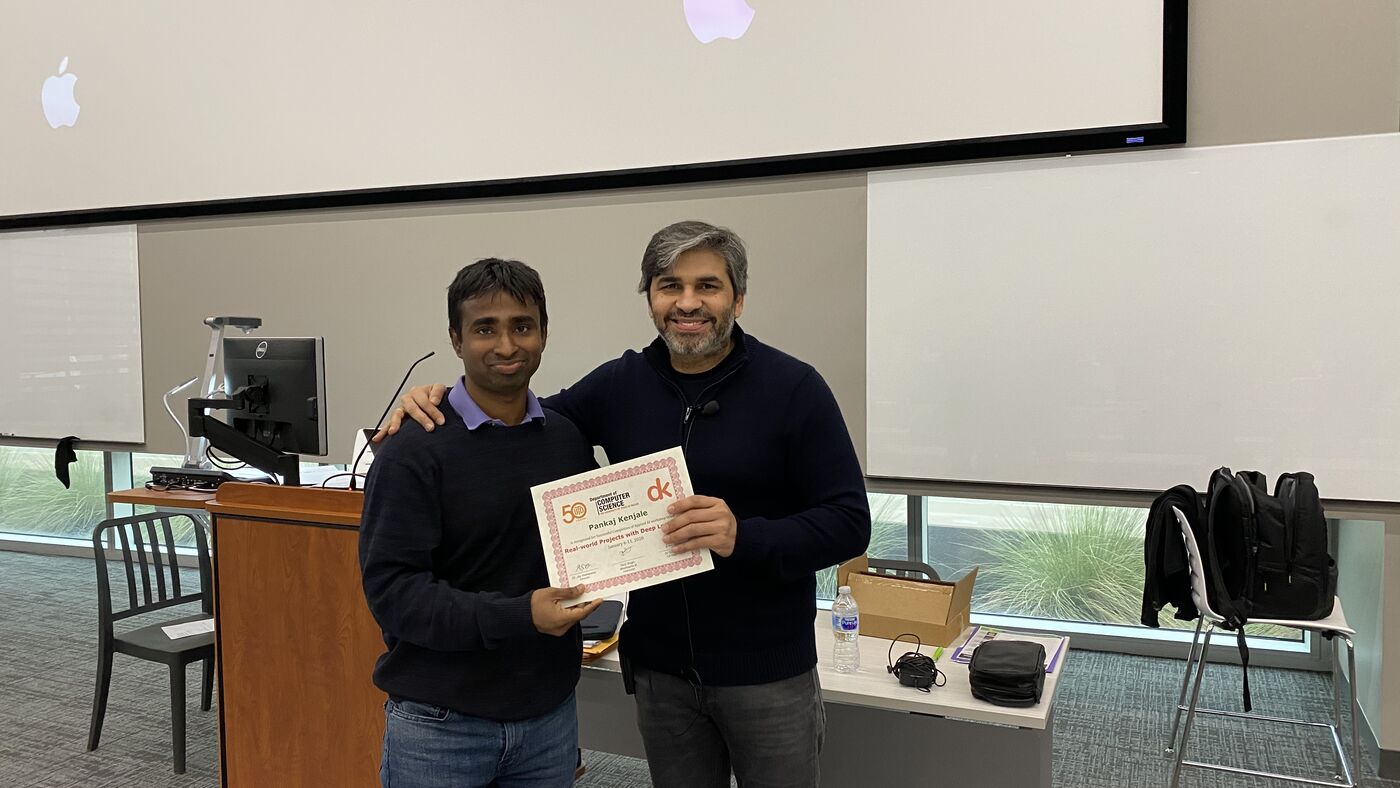
A participant receives the certificate of completion at the front of the hall on the closing day. 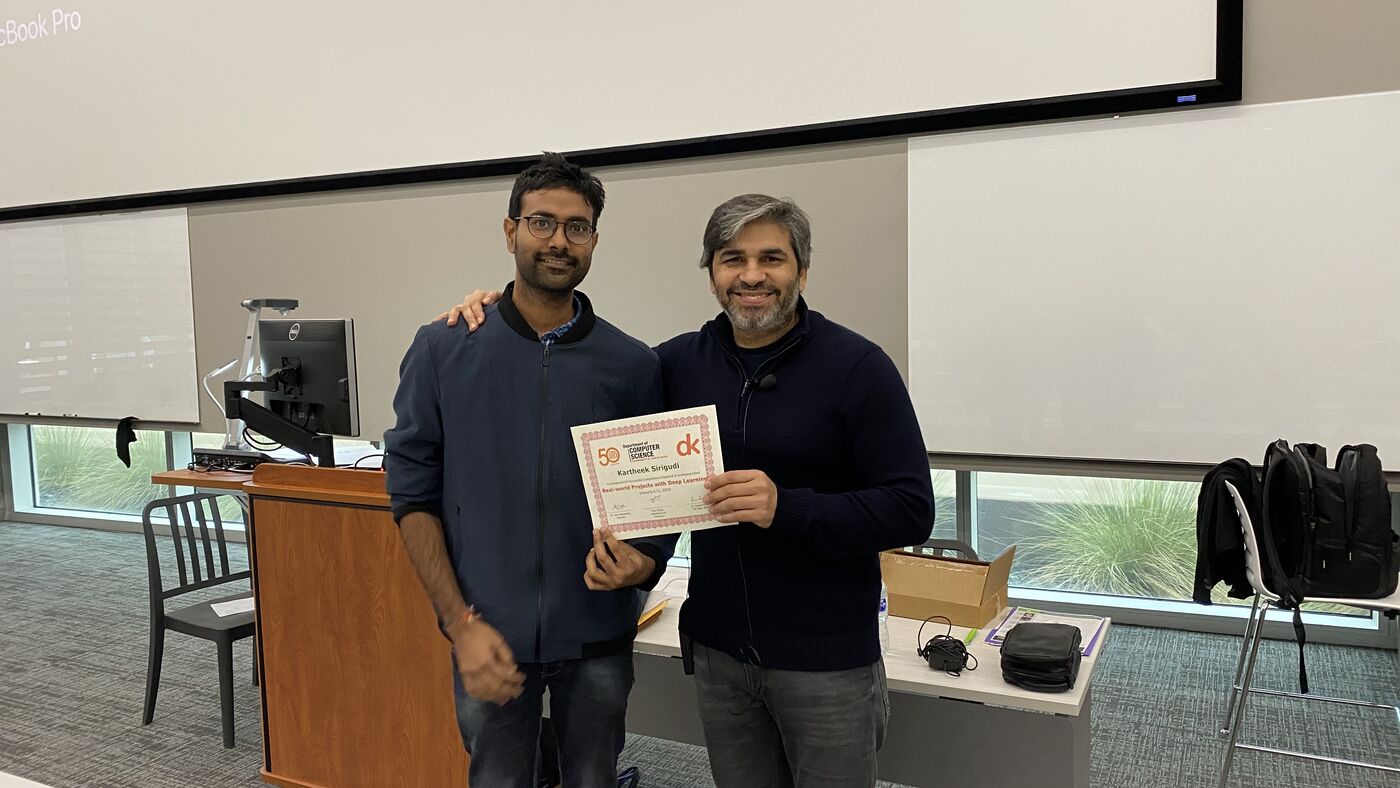
A participant receives the certificate of completion at the front of the hall on the closing day. 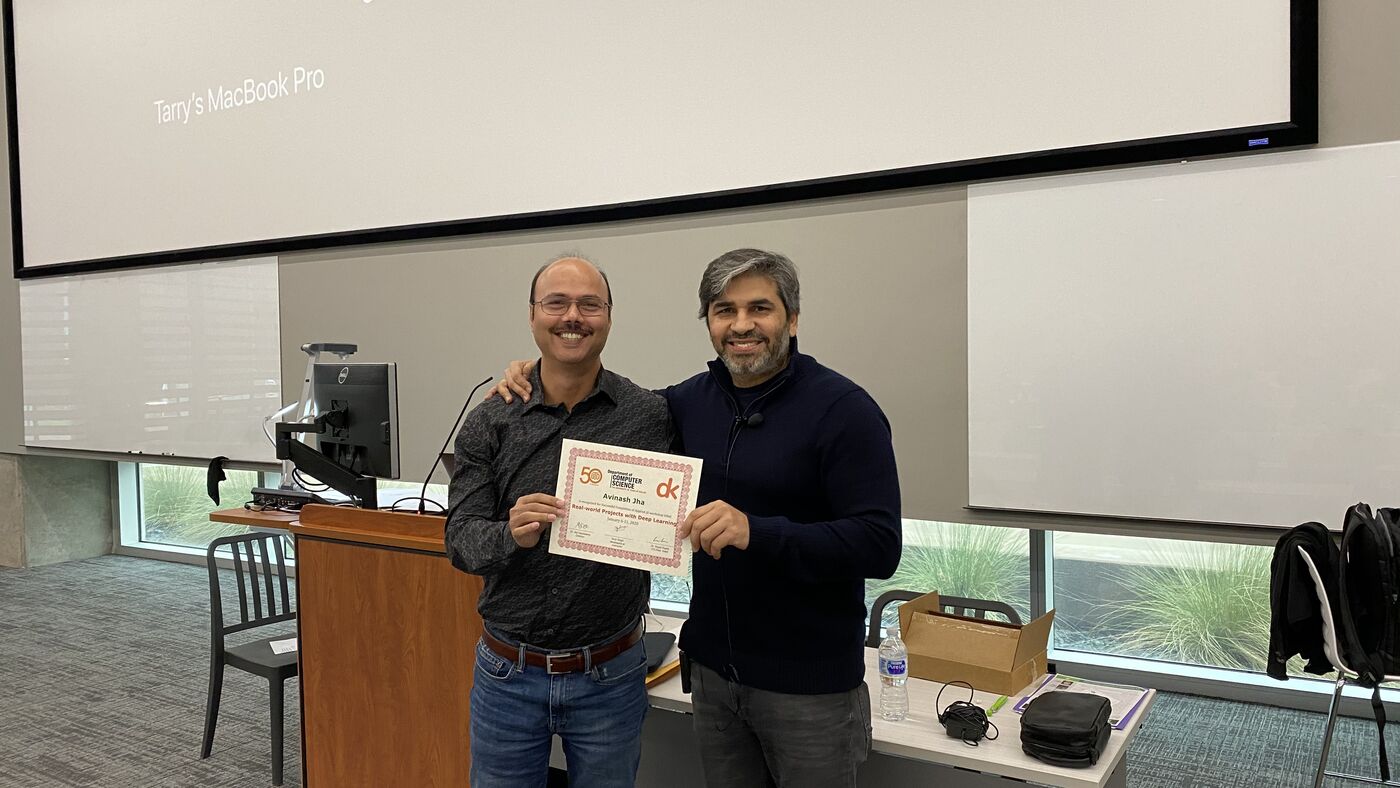
A participant receives the certificate of completion at the front of the hall on the closing day. 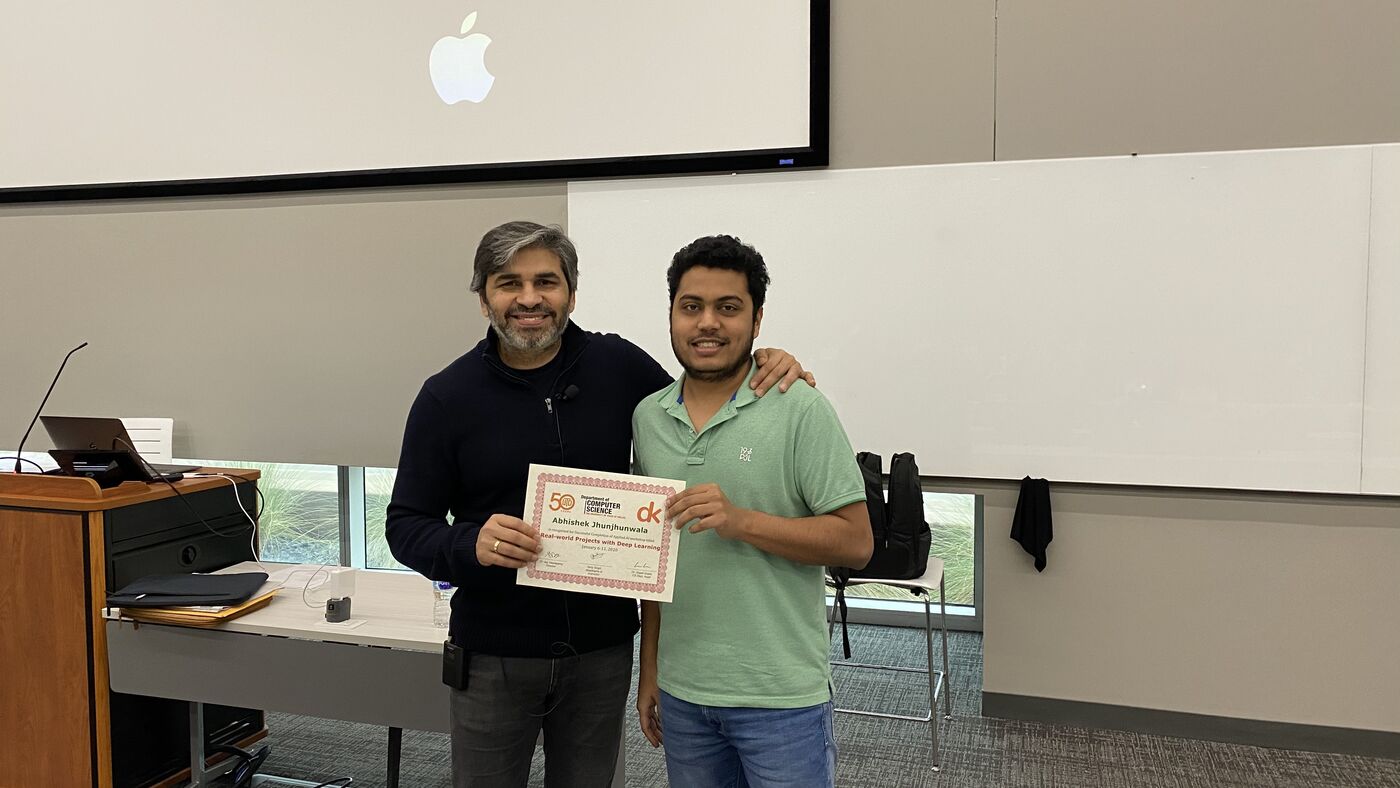
A participant receives the certificate of completion at the front of the hall on the closing day. 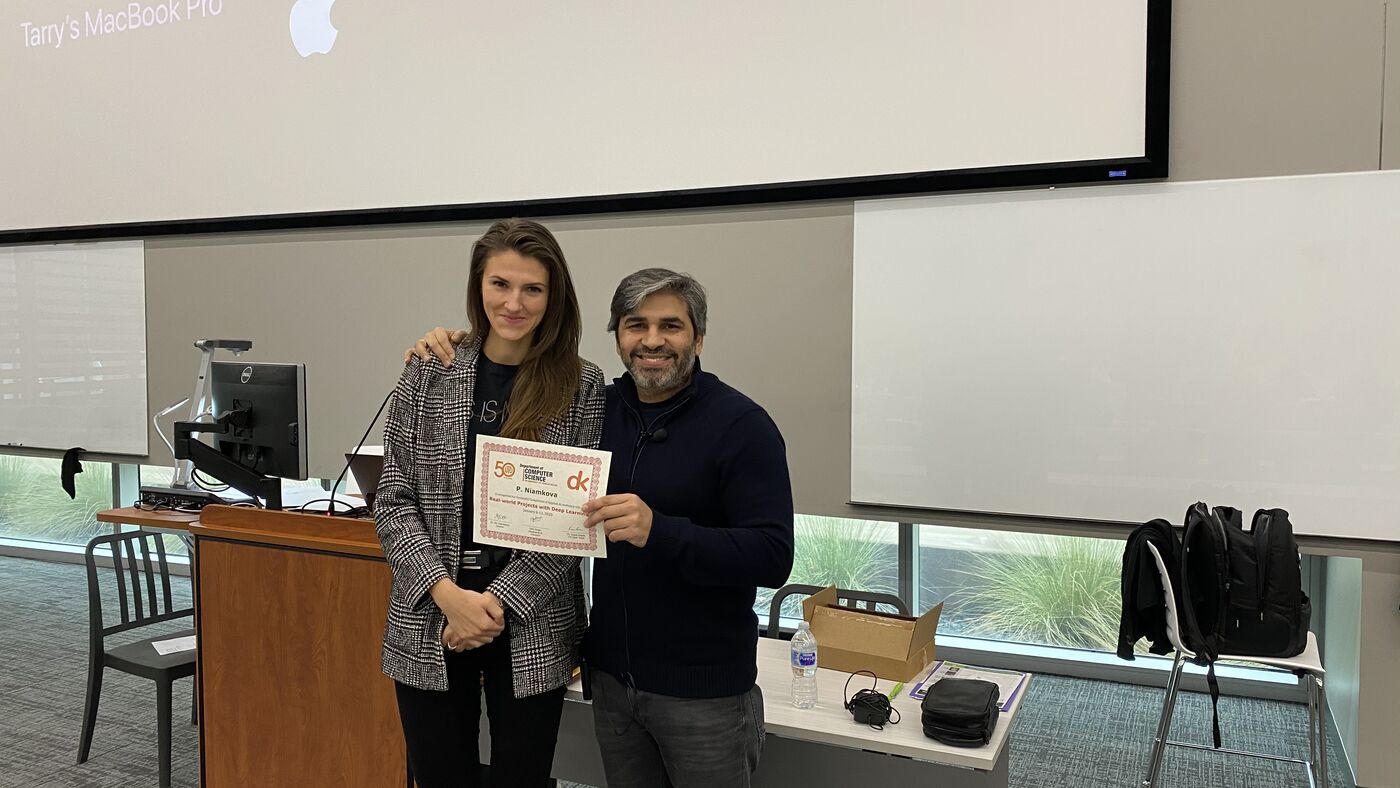
A participant receives the certificate of completion at the front of the hall on the closing day. 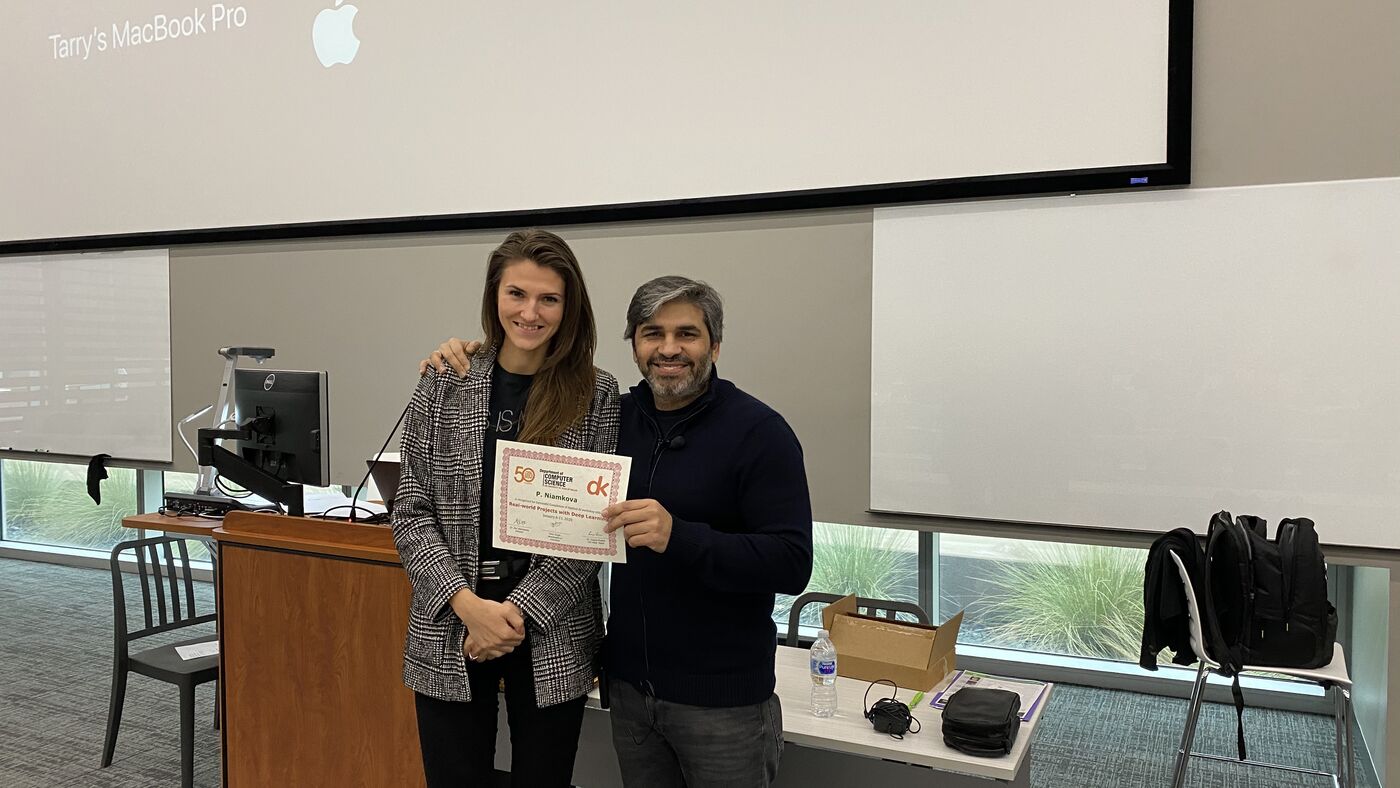
A participant receives the certificate of completion at the front of the hall on the closing day. 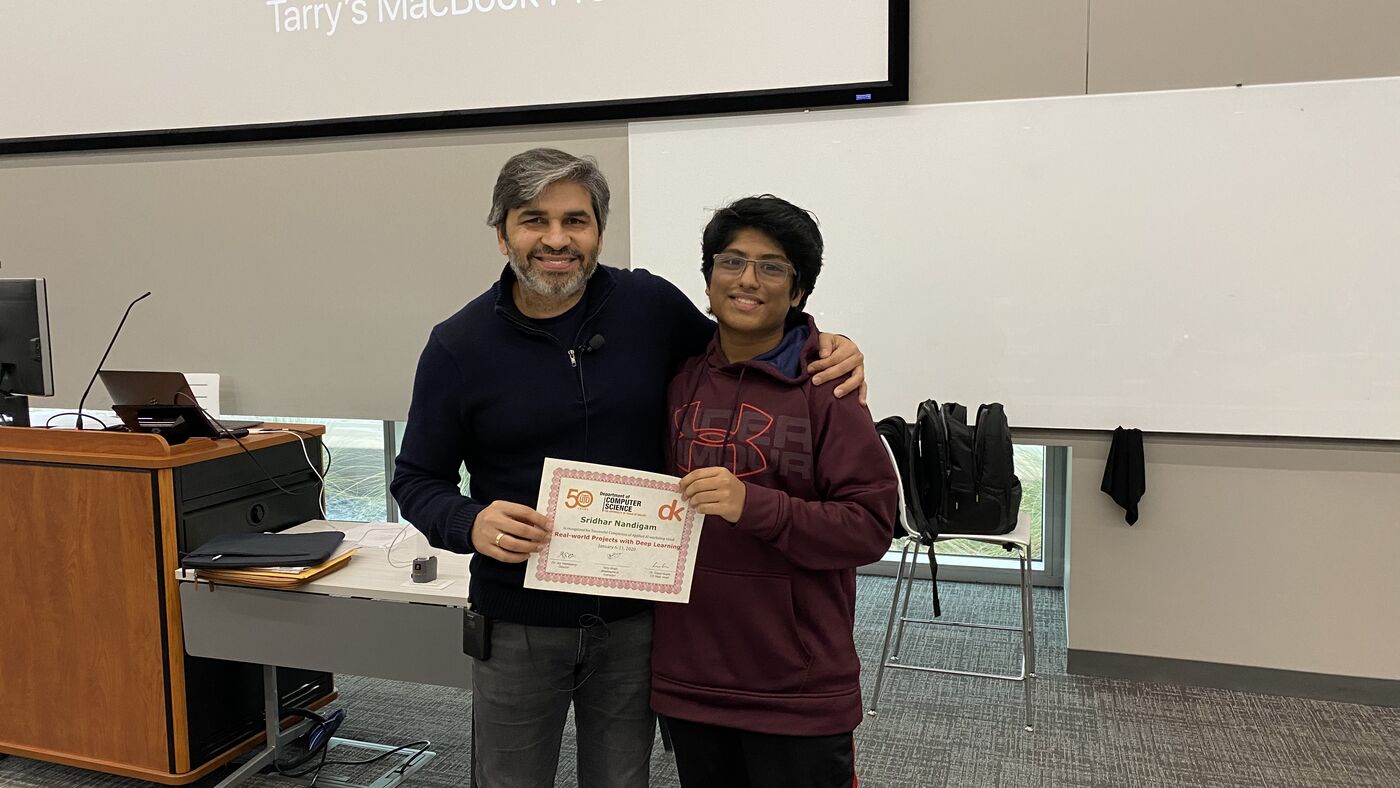
A participant receives the certificate of completion at the front of the hall on the closing day. 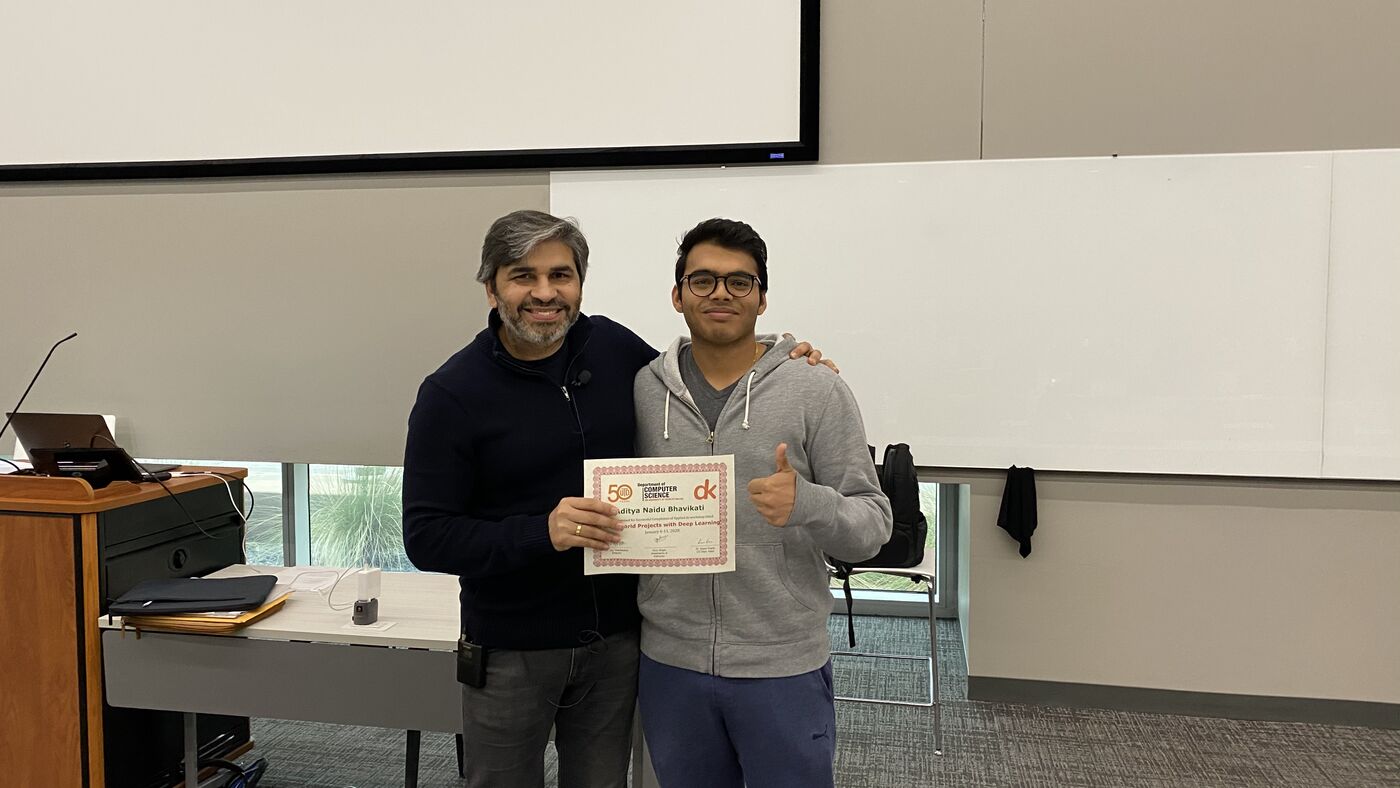
A participant receives the certificate of completion at the front of the hall on the closing day. 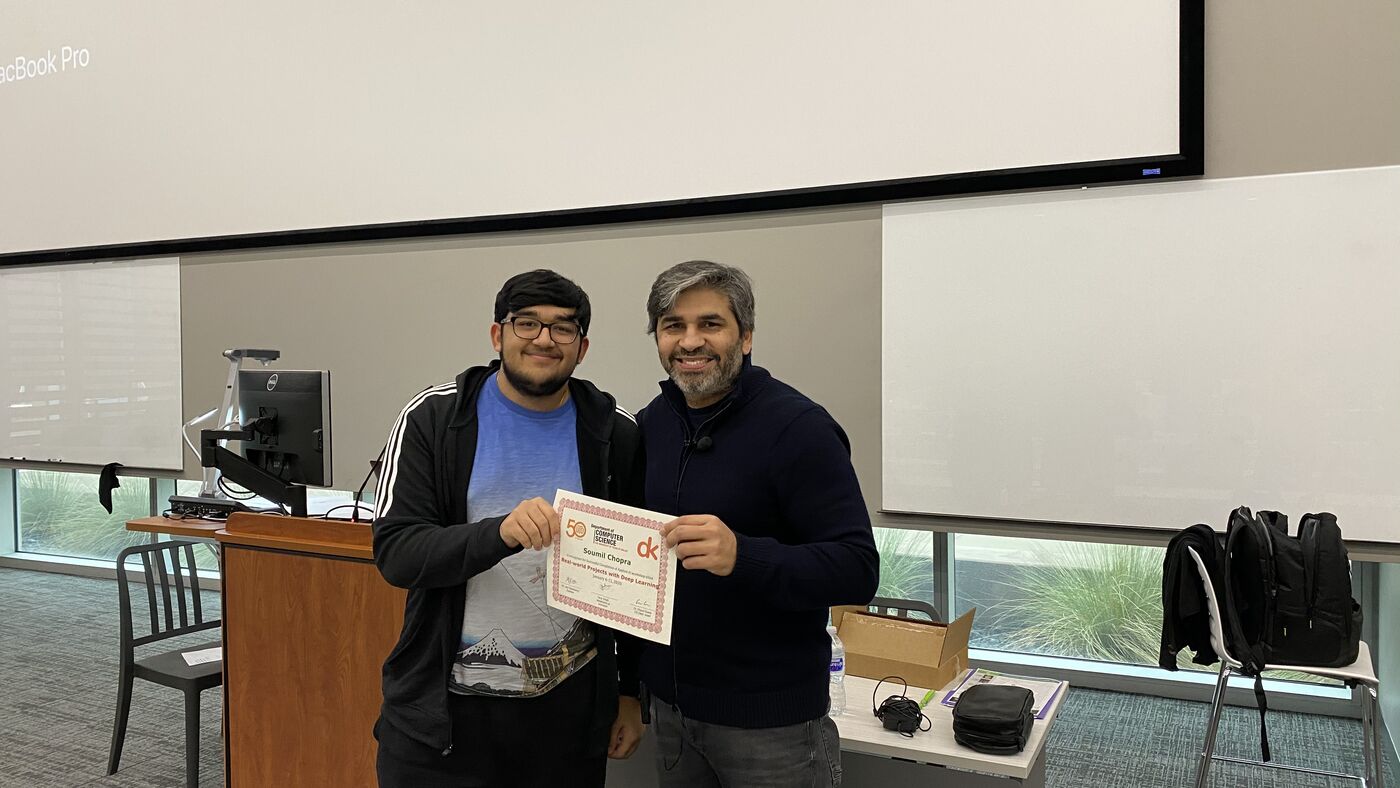
A participant receives the certificate of completion at the front of the hall on the closing day. 
A participant receives the certificate of completion at the front of the hall on the closing day. 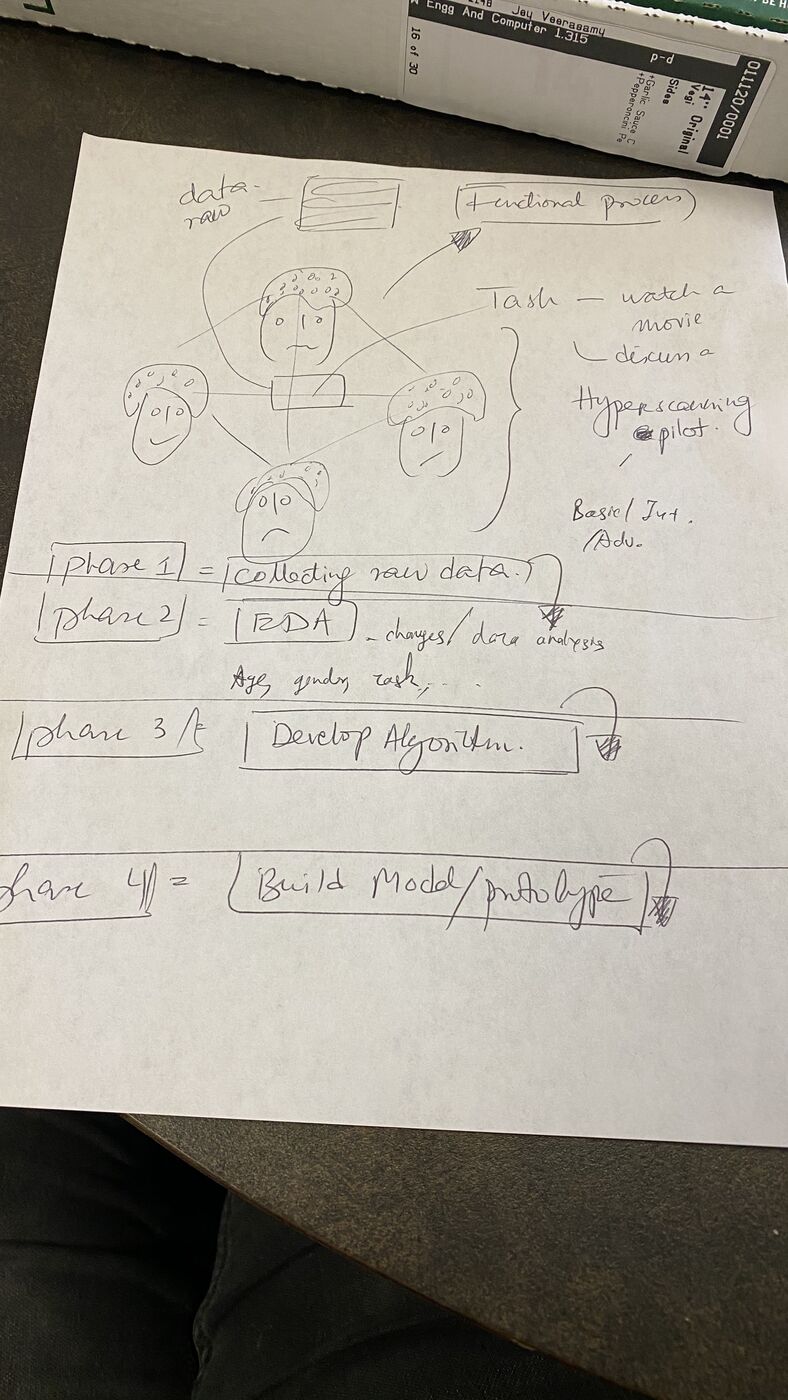
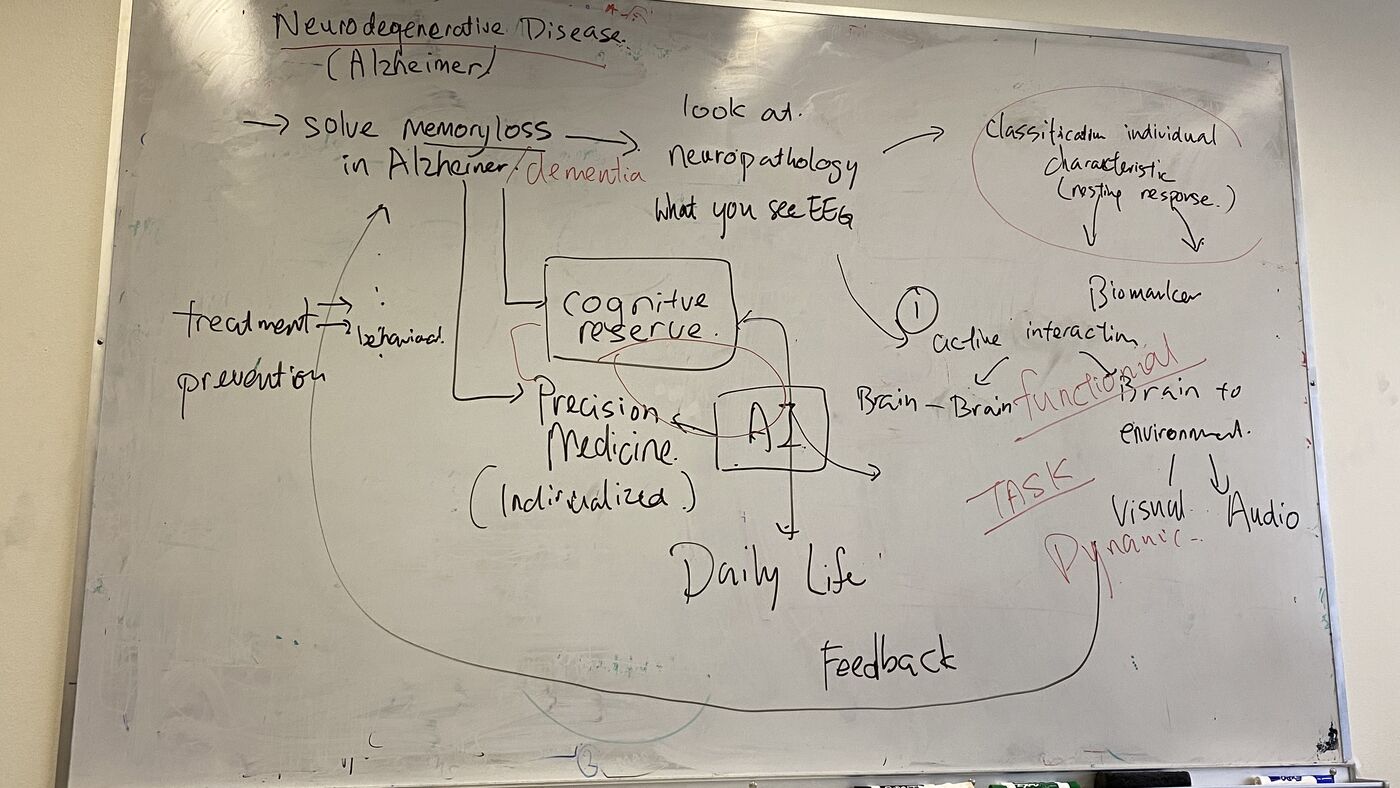
A hand-drawn project sheet from the hackday, working a problem statement into a design. 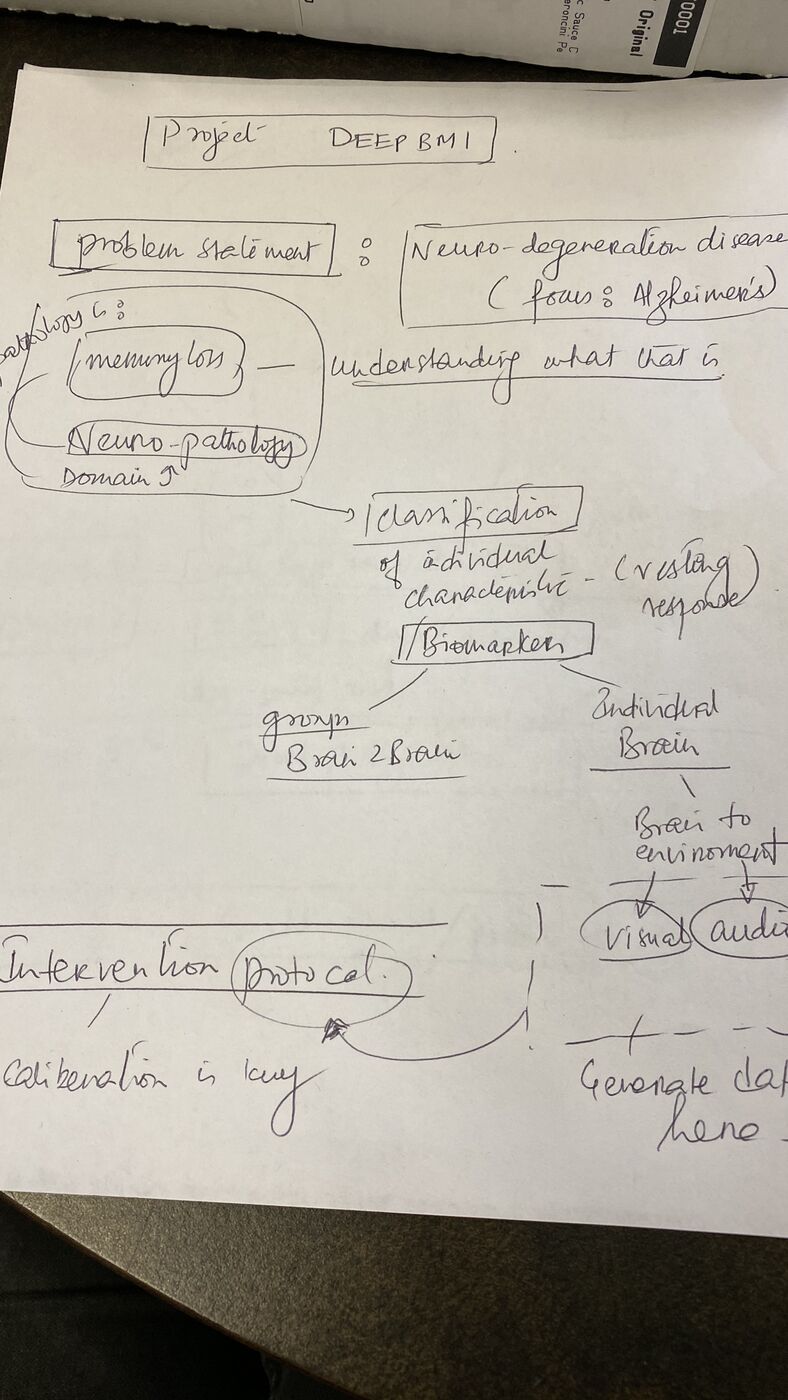
A second hackday sheet, breaking the project into problem, method and evaluation. 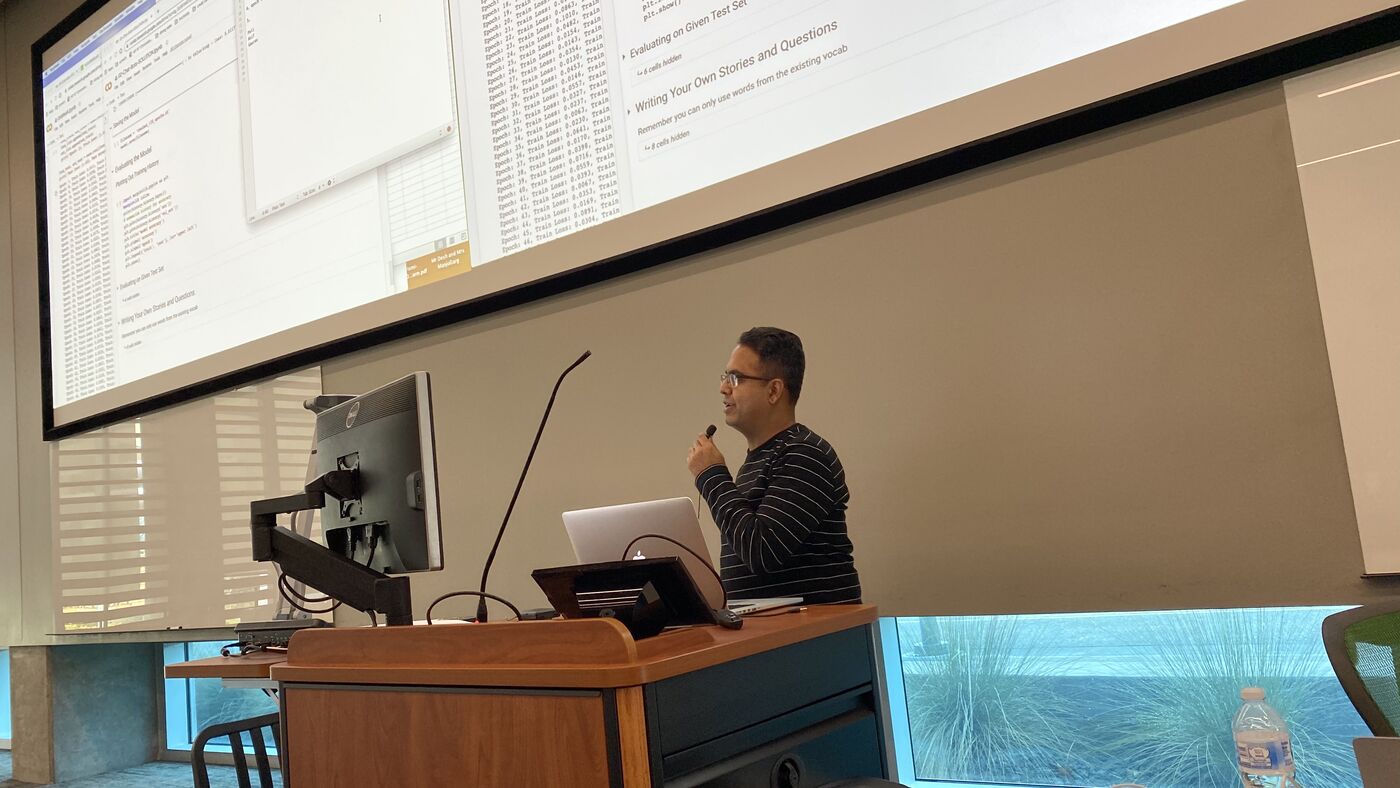
An instructor at the lectern during a session. 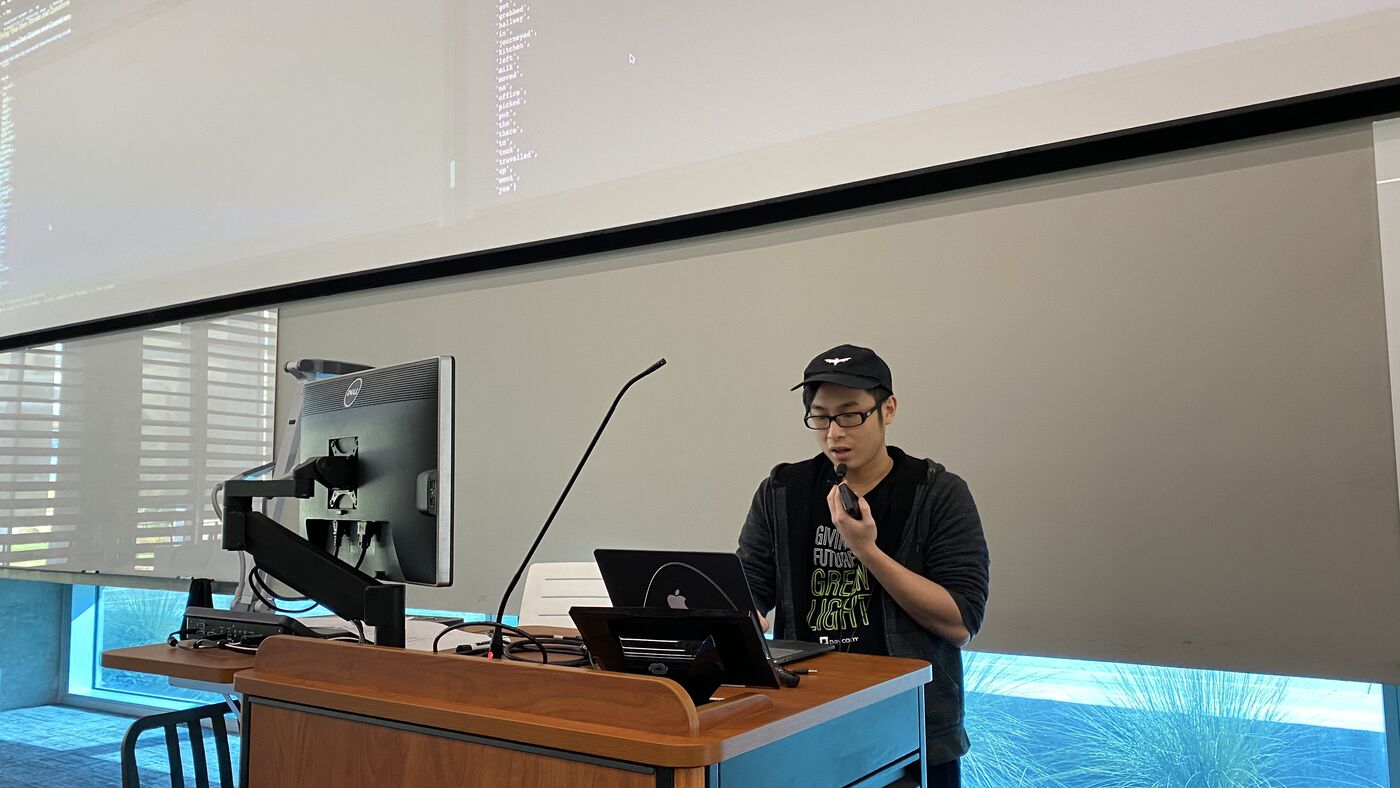
A participant presenting from the lectern with a microphone. 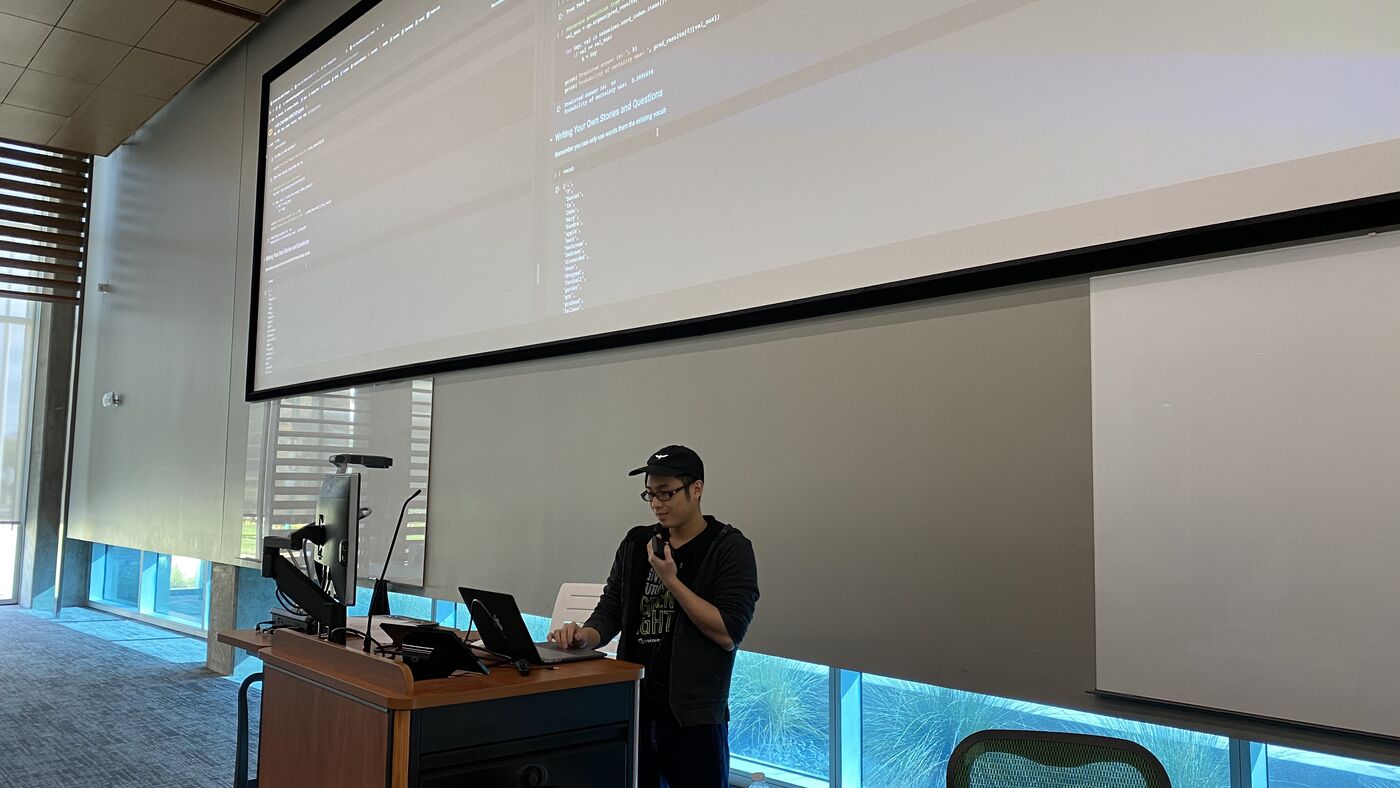
An instructor working through a notebook at the lectern. 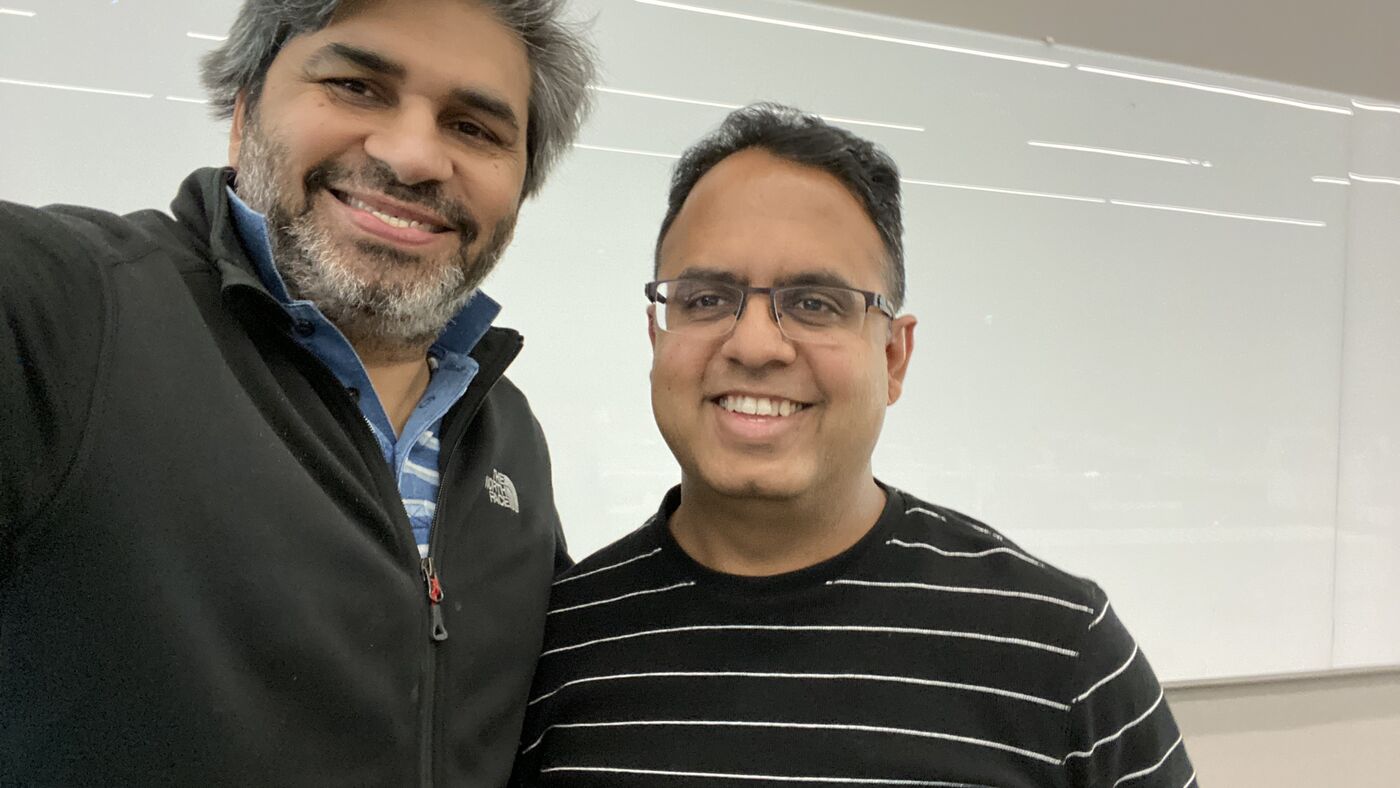
Tarry Singh with a colleague at the front of the lecture hall. 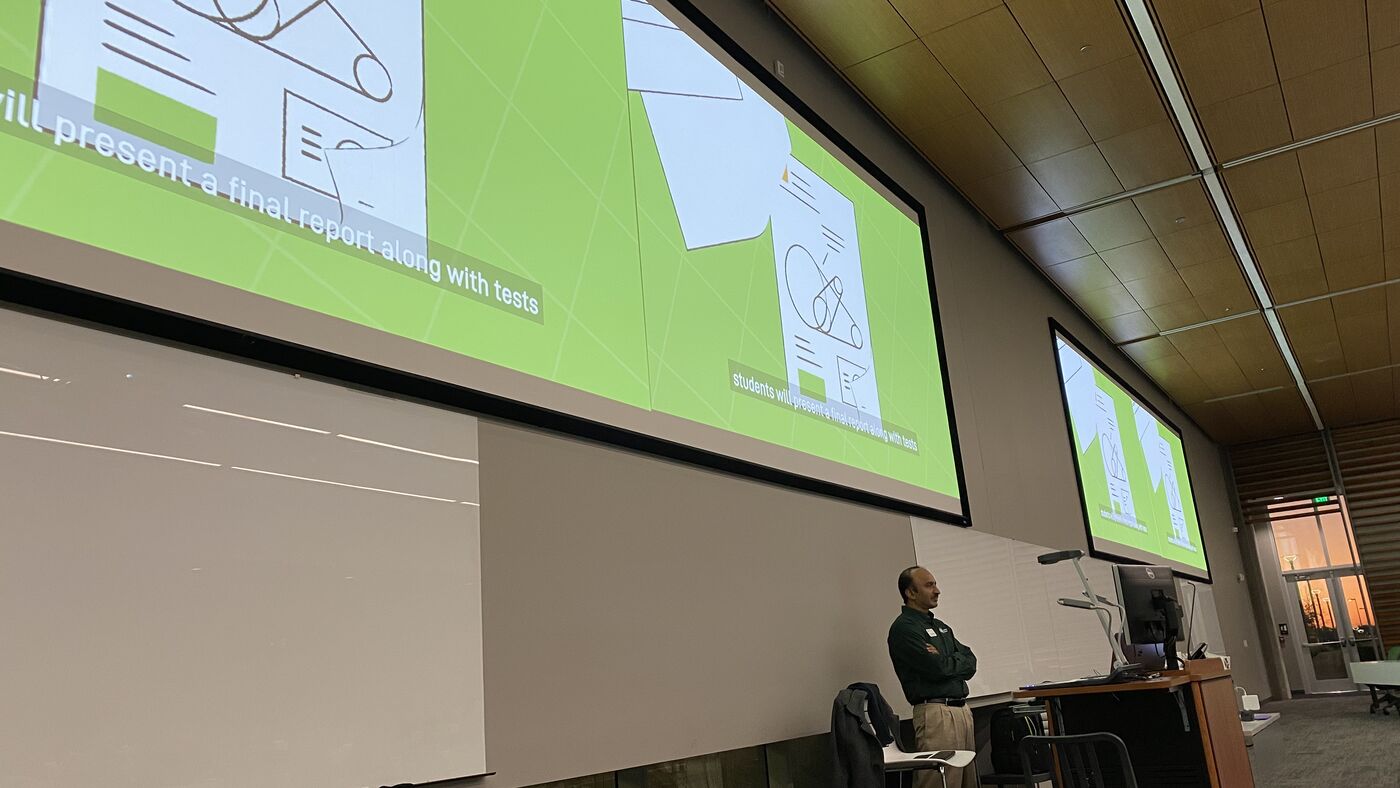
A slide on the hall's screen during the closing session. 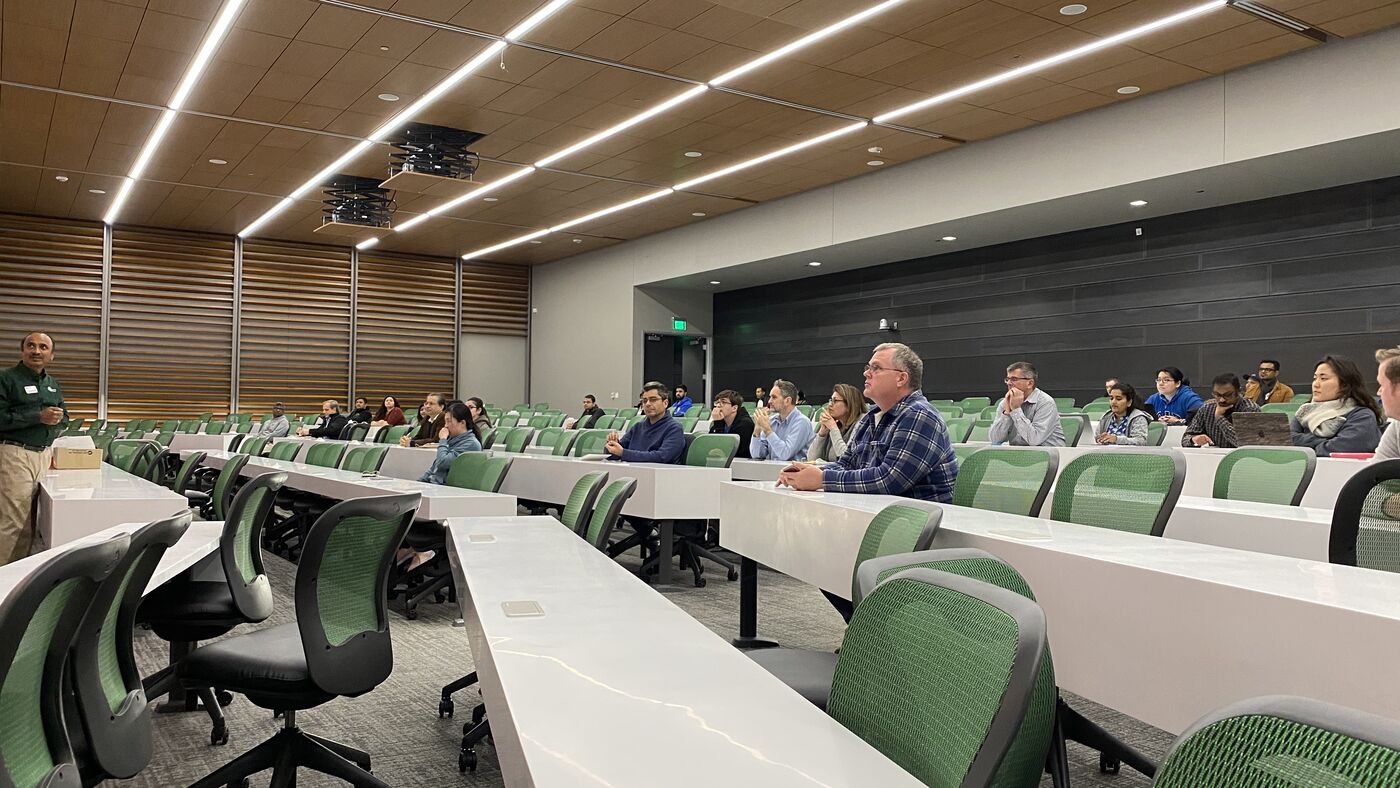
The lecture hall during a session, participants at the benches with laptops open. 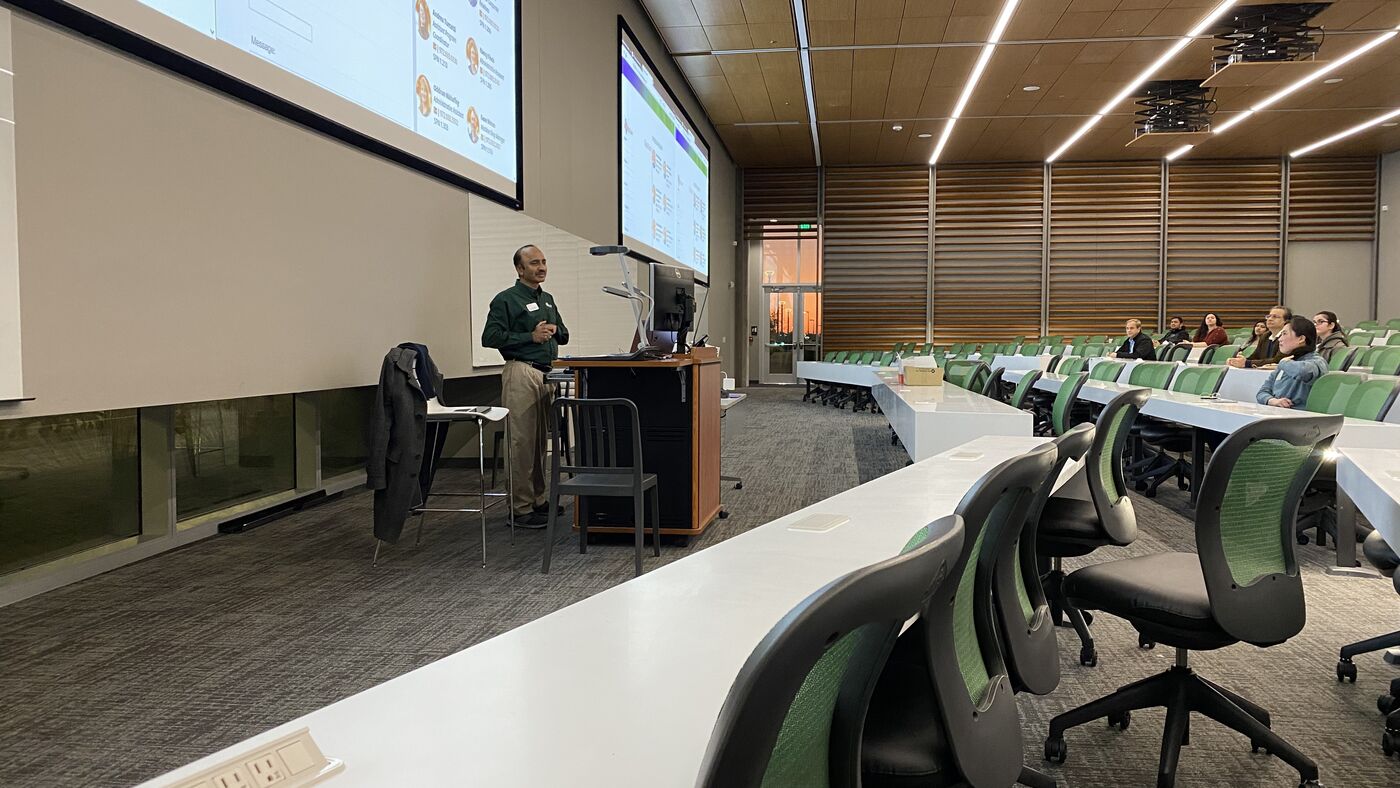
The lecture hall during a session, participants at the benches with laptops open.
