DataScienceGO 2018, San Diego
Three days at DataScienceGO, closing with a main-stage session on the part of deep learning nobody puts on slides: tuning.
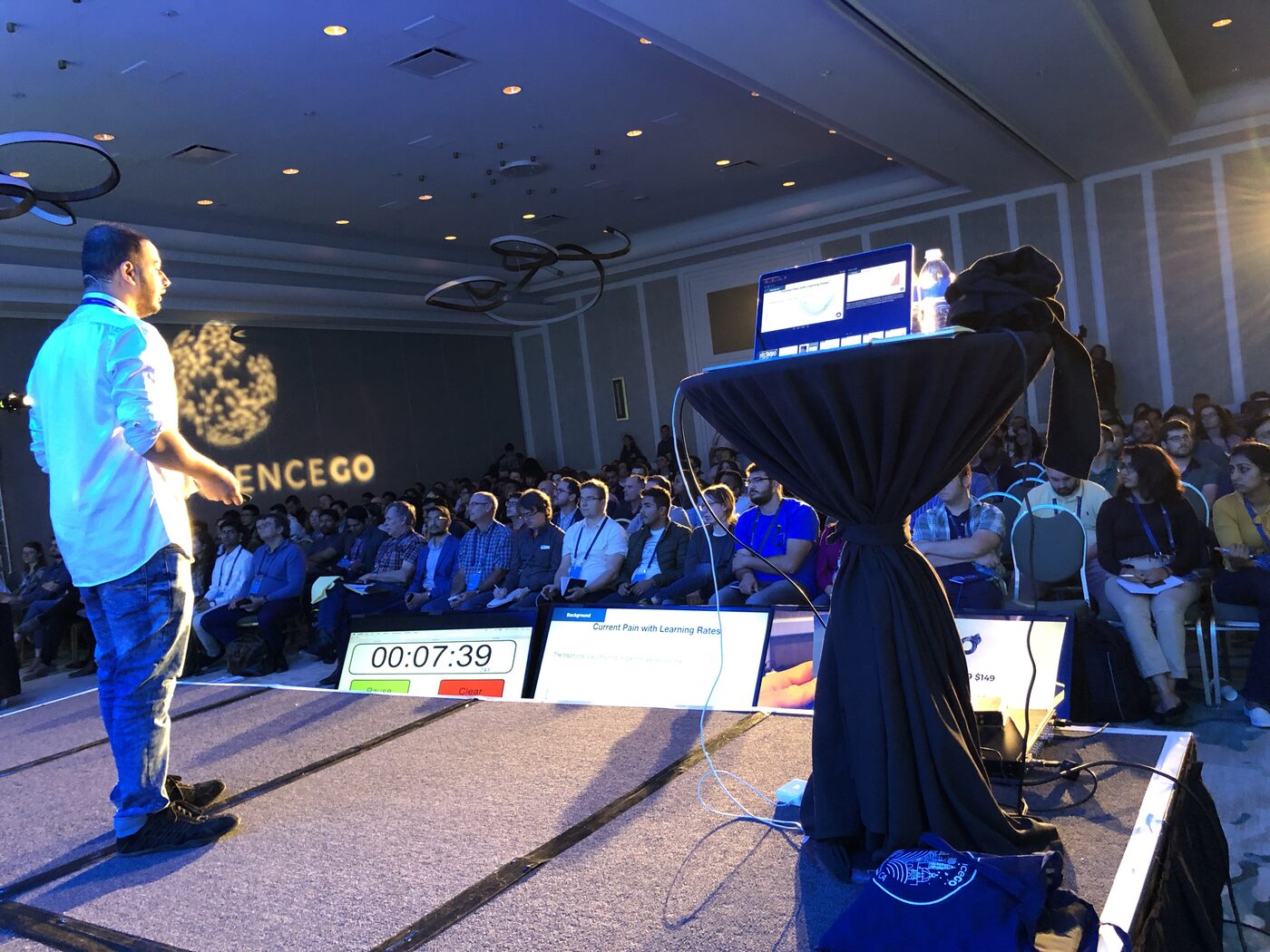
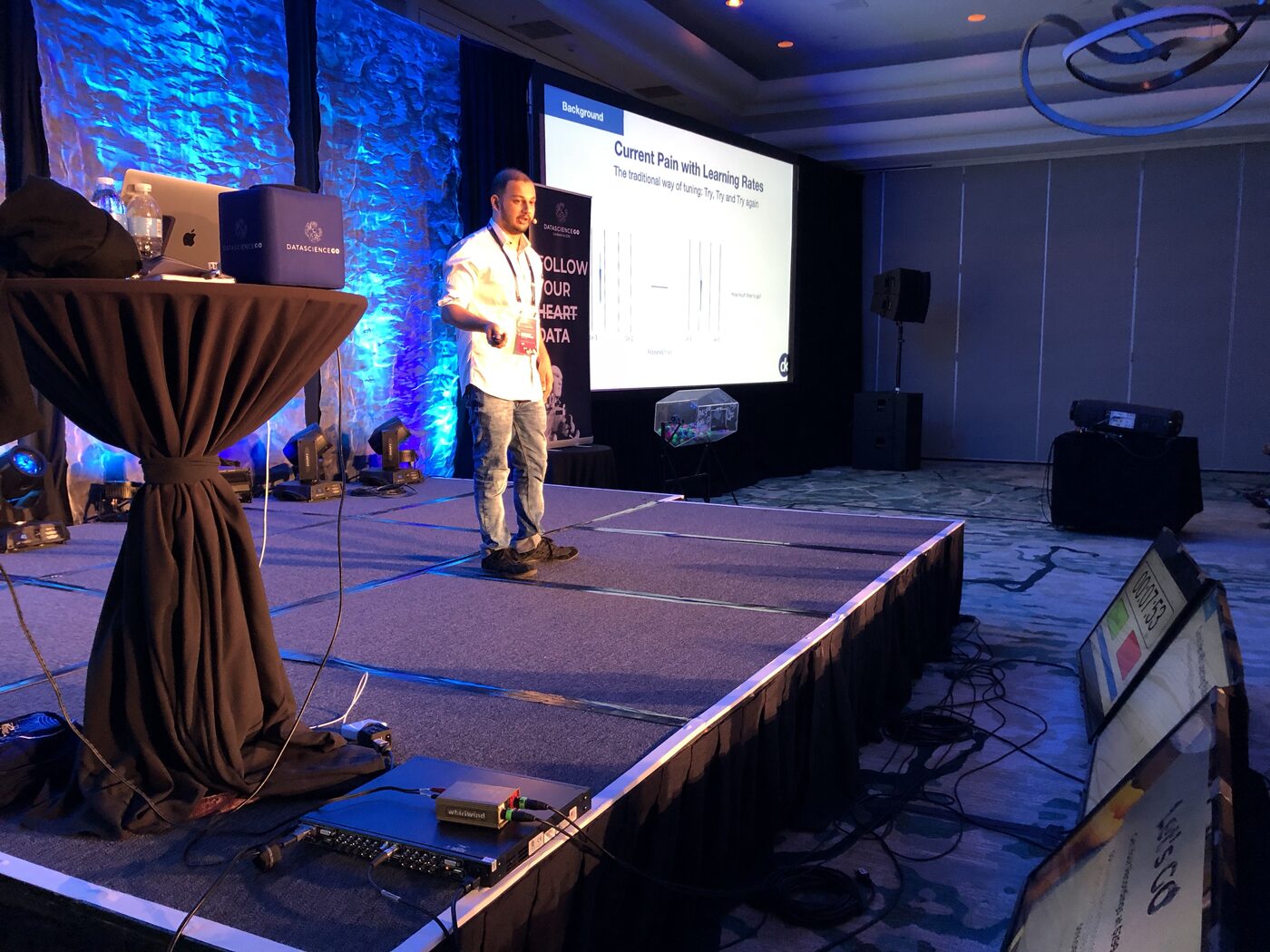
DataScienceGO ran across three days in San Diego, from 12 to 14 October 2018. Tarry Singh spoke on the main stage on the Sunday afternoon, the closing day. The venue was a hotel ballroom with two large screens, blue wash lighting, a projected gobo in the lobby and a countdown clock on the confidence monitor facing the stage. It ran down through the last eight minutes.
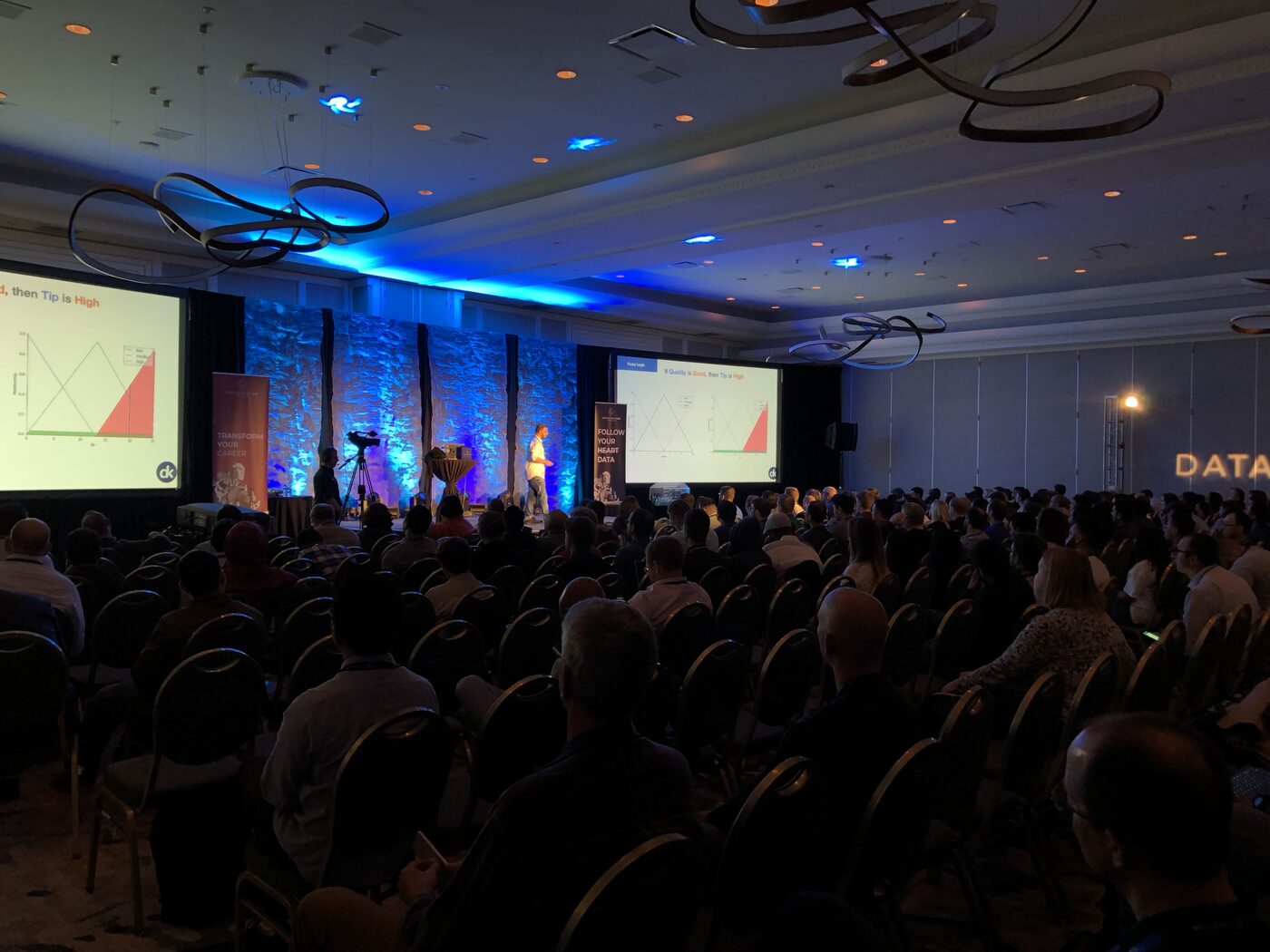
The talk was about tuning. One slide, carrying the dk mark, read "Current Pain With Learning Rates", with the line underneath: "The traditional way of tuning: Try, Try and Try again". Another worked through fuzzy logic using the standard tipping example, if quality is good then tip is high, with the membership functions drawn out on screen. The room was full. Attendees stood along the back wall behind the last row of chairs.
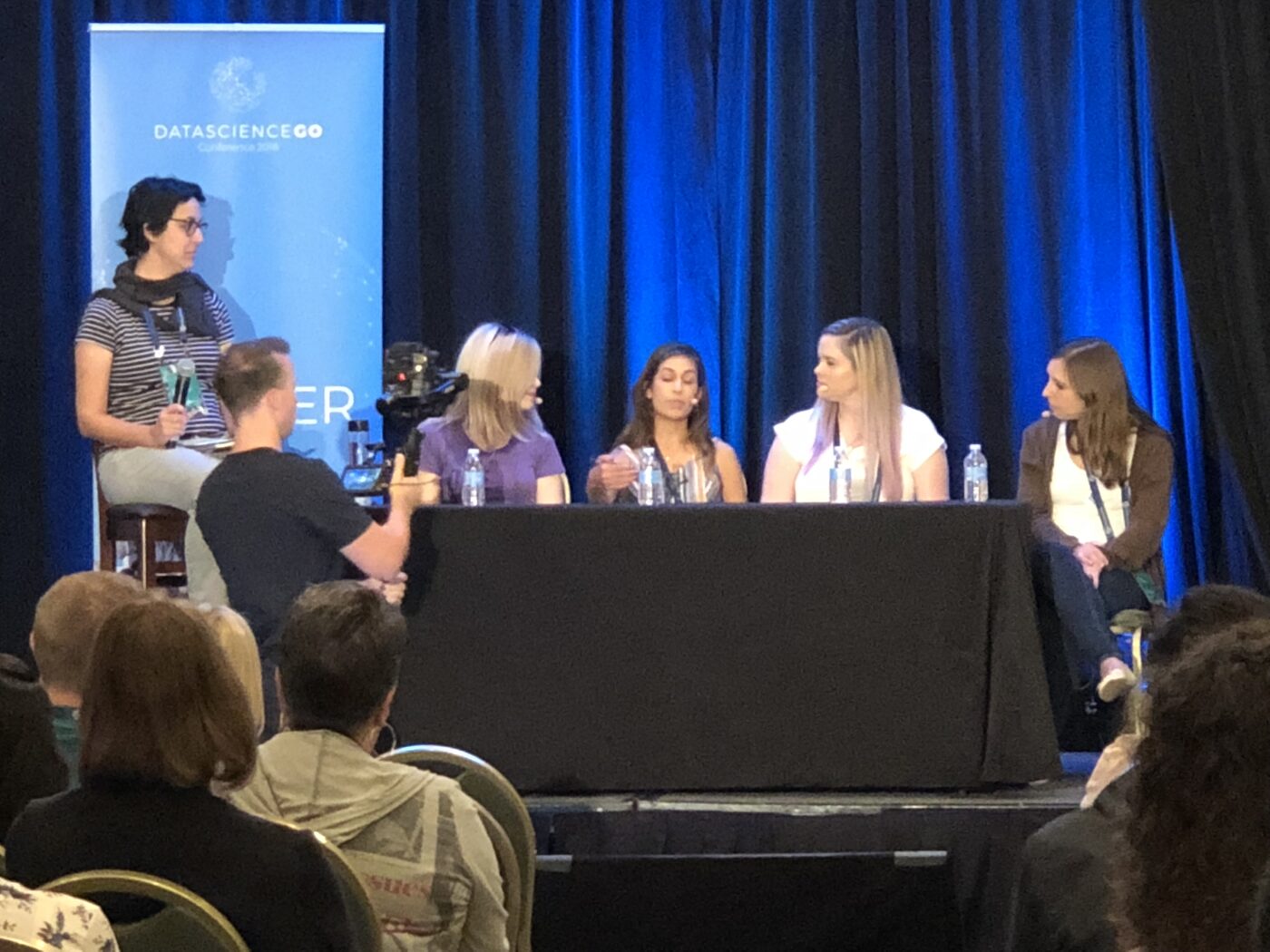
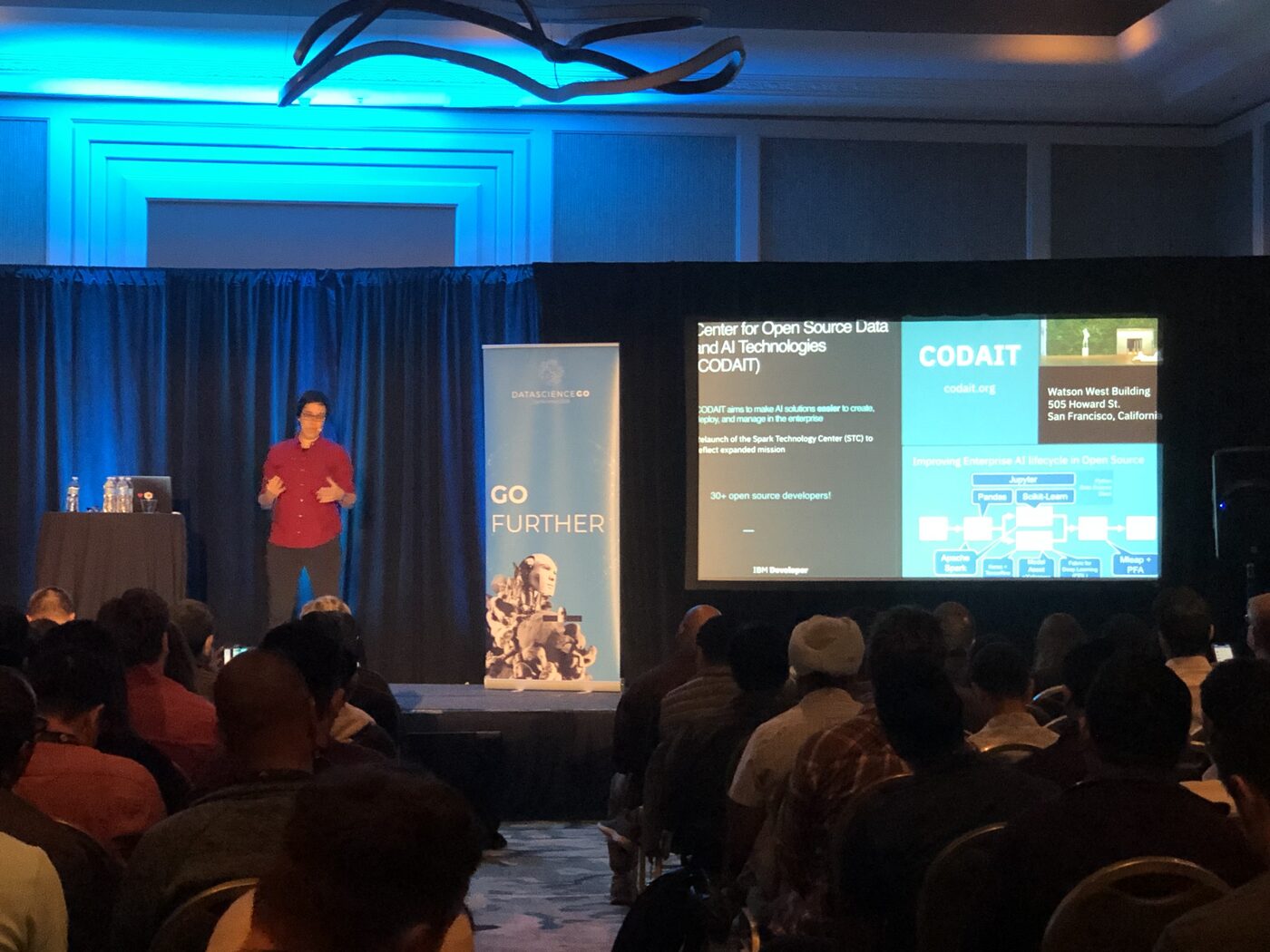
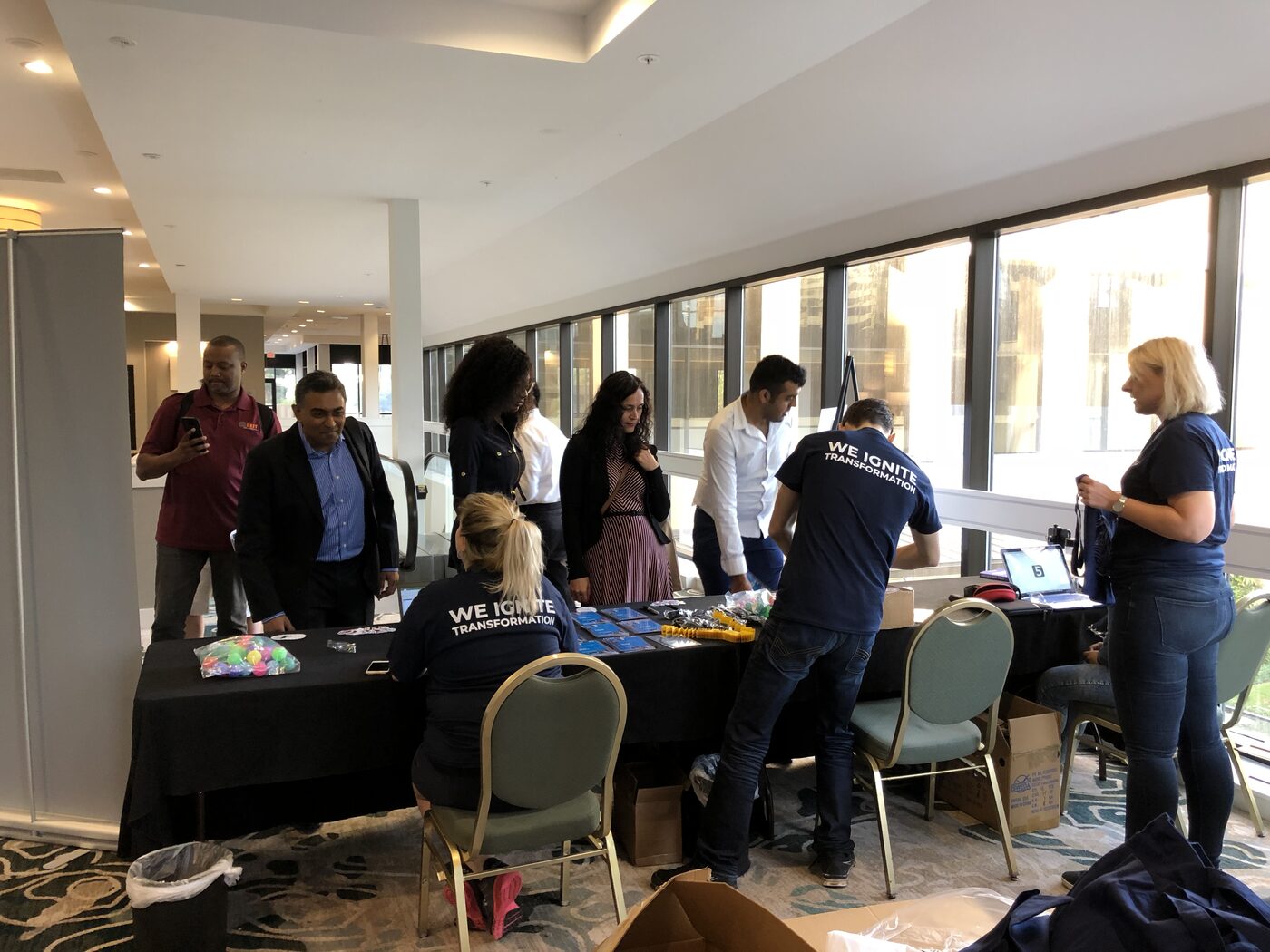
Two other sessions from the weekend are described here as context, and neither was ours. A session on the Saturday covered IBM's Center for Open Source Data and AI Technologies and its work on the enterprise AI lifecycle in open source. On the Sunday at midday a five-person panel sat on the main stage taking questions from a moderator. On the expo floor, event crew in shirts reading WE IGNITE TRANSFORMATION worked the registration and merchandise tables.
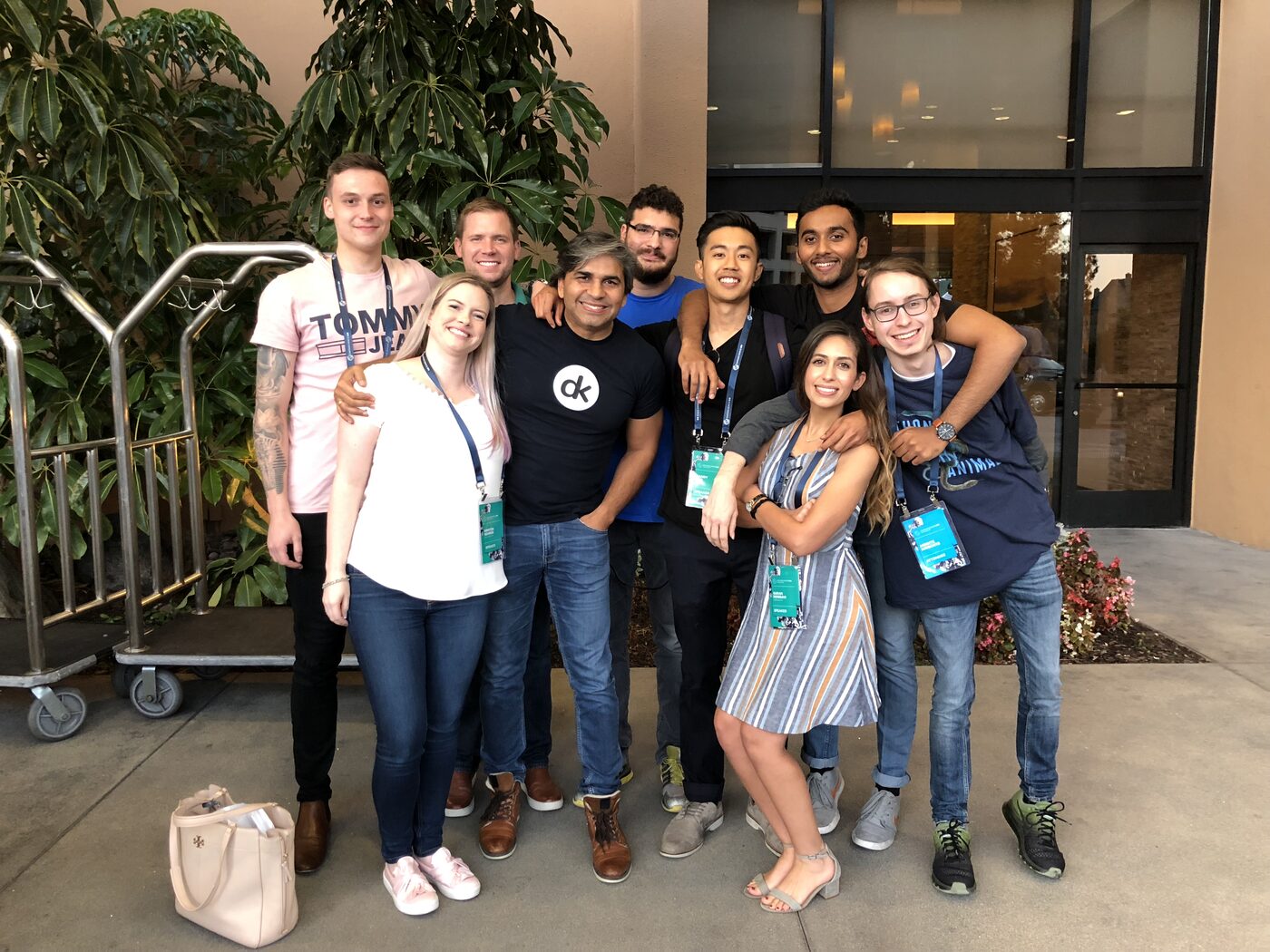
The most useful record from the three days is not a slide. It is the group shot taken outside the hotel entrance on the evening of the 14th: speakers and attendees still wearing their conference badges, arms round each other, no stage and no branding anywhere in frame. Conferences are judged on talks. What they actually produce is that.