Project INERTIA at the SEG Digital Intelligence Series
For the SEG Digital Intelligence Series, DKAI Lab presented Project INERTIA: predicting the CO2 solubility of an ionic liquid with a neural network, with a full MLOps lifecycle behind it.
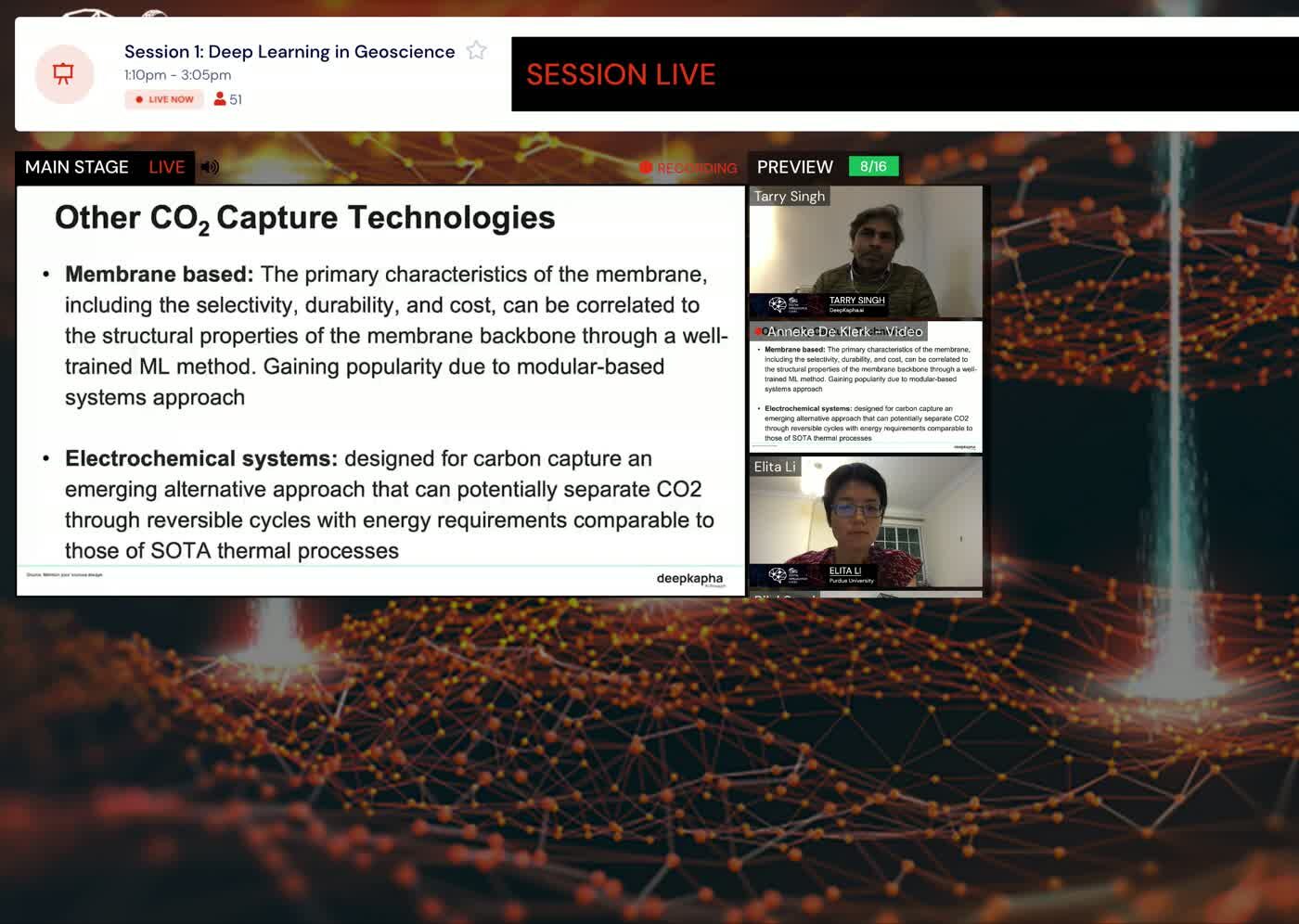
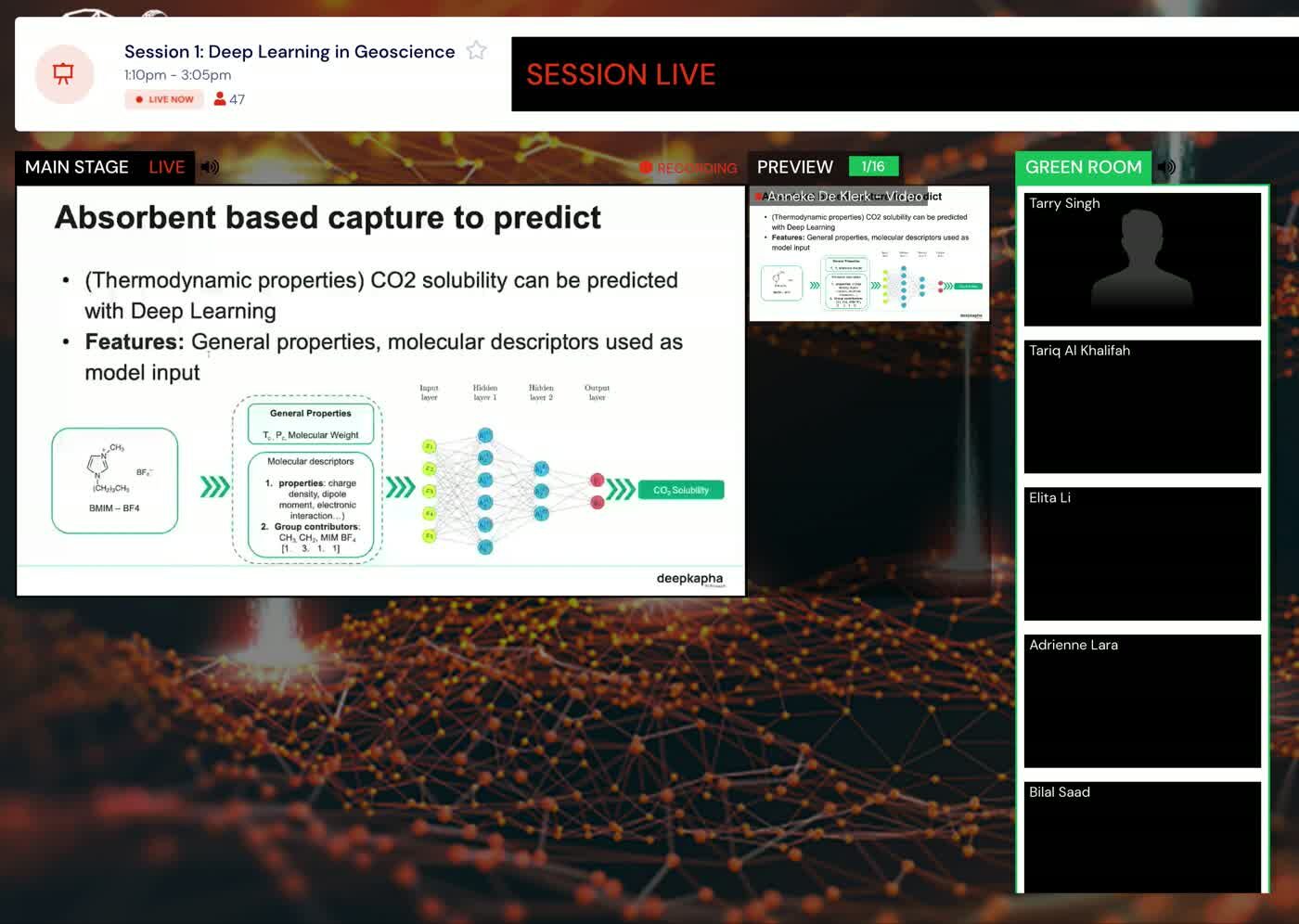
The SEG Digital Intelligence Series ran Session 1, Deep Learning in Geoscience, on 30 November 2021. There was no room. The session ran on a broadcast platform with a main stage, a preview pane and a green room, an attendee counter that moved between 41 and 52, and seven speakers in a grid with their names and affiliations burned in: Purdue University, Peking University, KAUST, Baker Hughes, Earth Science Analytics, Earth Resource Management Services, deepkapha.ai. The talk had been recorded five days earlier, on 25 November, and ran on the main stage while the panel waited beside it.
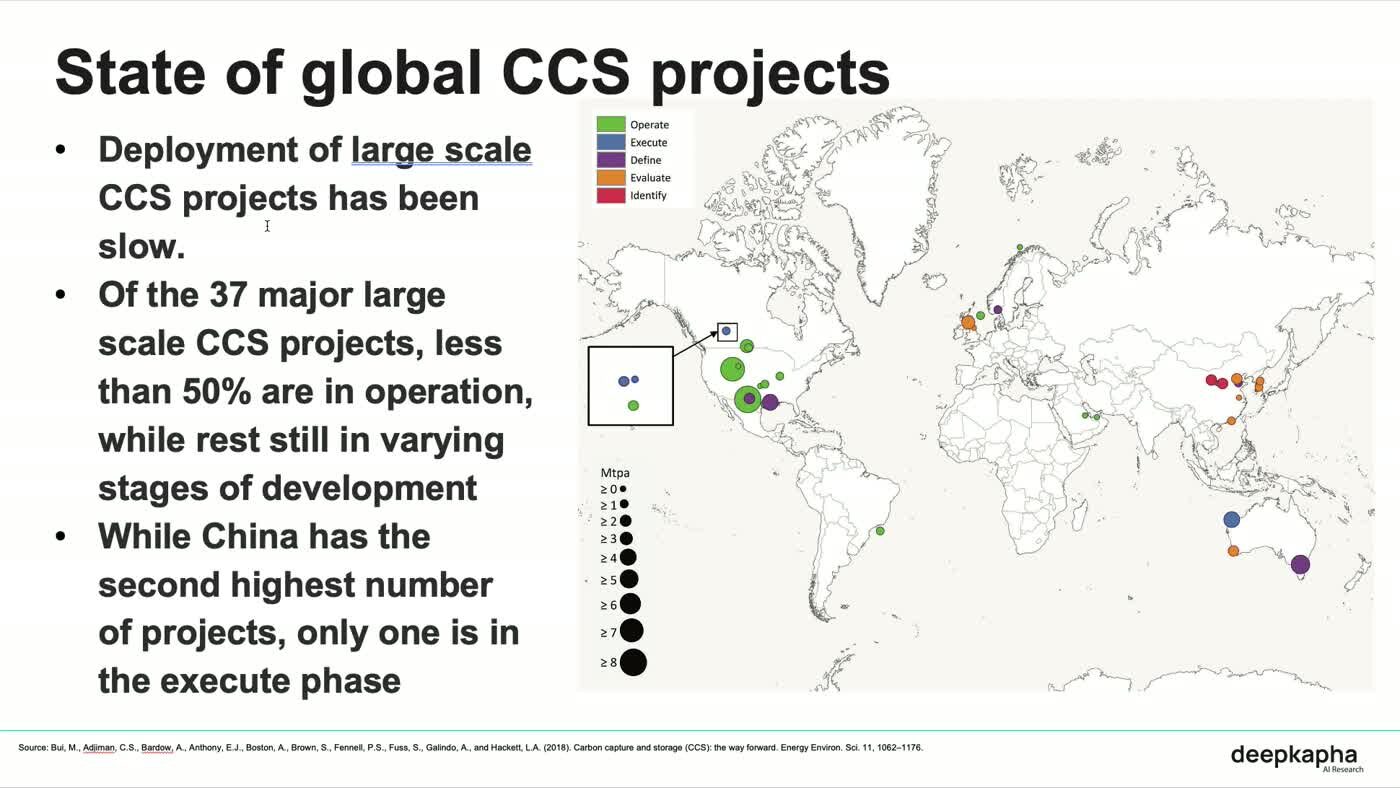
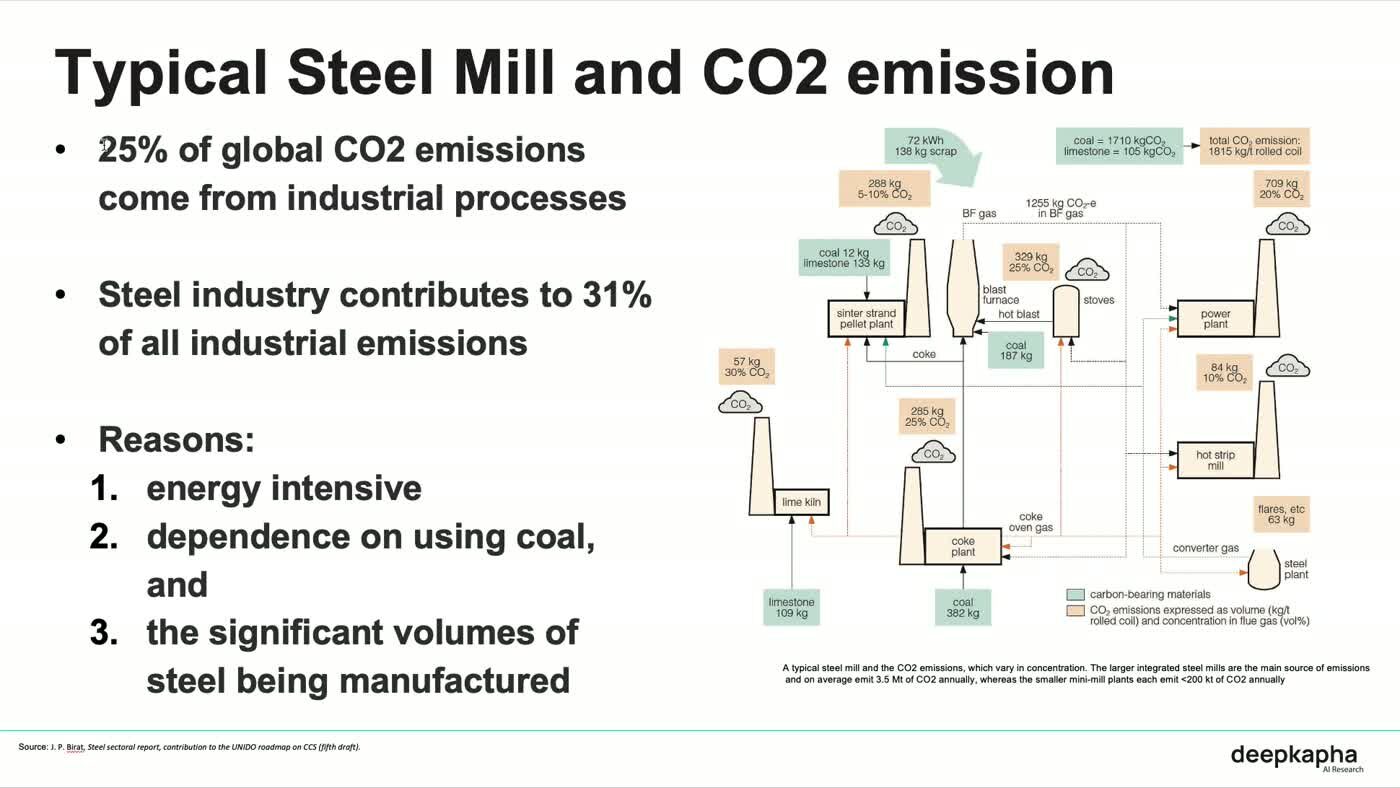
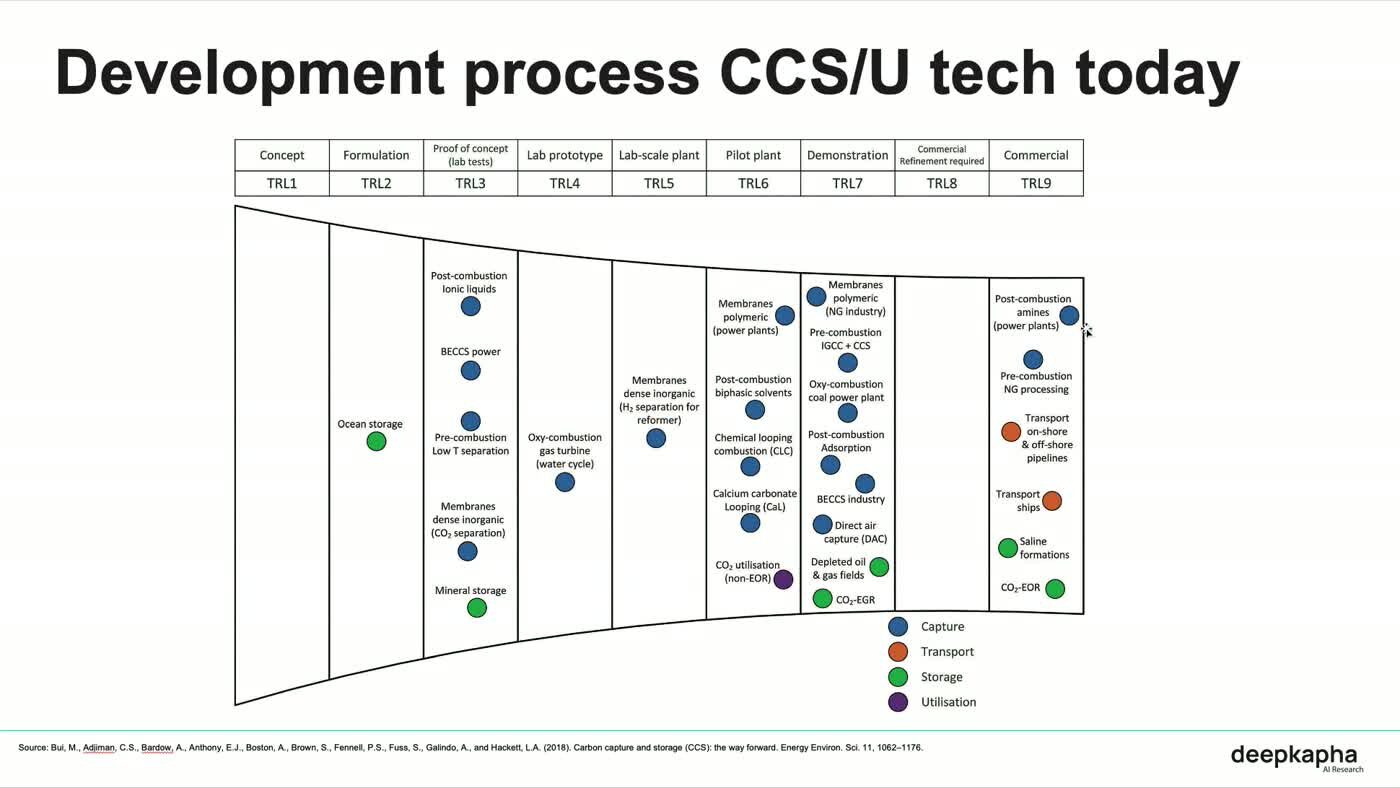
The deck moves in three steps, and it says so on the closing slide: Framing, Aiming, Taming. Framing is the size of the problem. Twenty-five per cent of global CO2 emissions come from industrial processes, and steel accounts for 31 per cent of industrial emissions, because it is energy intensive, dependent on coal and made in very large volumes. Of 37 major large-scale CCS projects, fewer than half were in operation. China had the second highest project count and exactly one project in the execute phase. A technology readiness chart placed every capture, transport, storage and utilisation method between concept and commercial, and most of them sat far from the commercial end. The figures are sourced on the slides to Bui and colleagues, 2018, in Energy and Environmental Science.
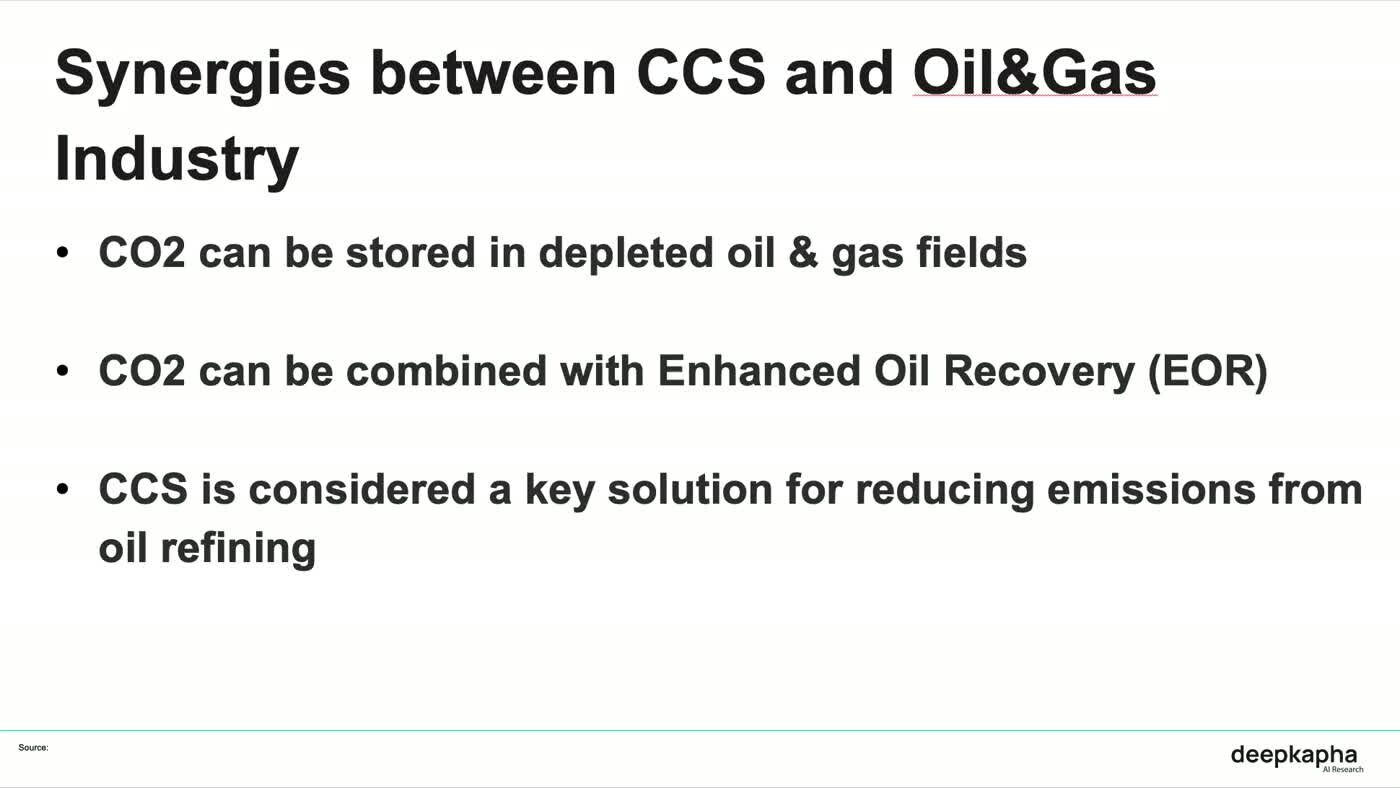
The route out of that is geological, and this is the part that matters later. Connect CCS clusters to a common pipeline network. Find where CO2 concentration converges. Transport it and store it in porous geological formations. Depleted oil and gas fields already hold the pore space, enhanced oil recovery gives the industry a reason to open it, and the same subsurface skills that found hydrocarbons are the ones that can put carbon back. Presenting that argument to a room of exploration geophysicists, in 2021, is the earliest that the work which became EarthScan appears in these chapters.
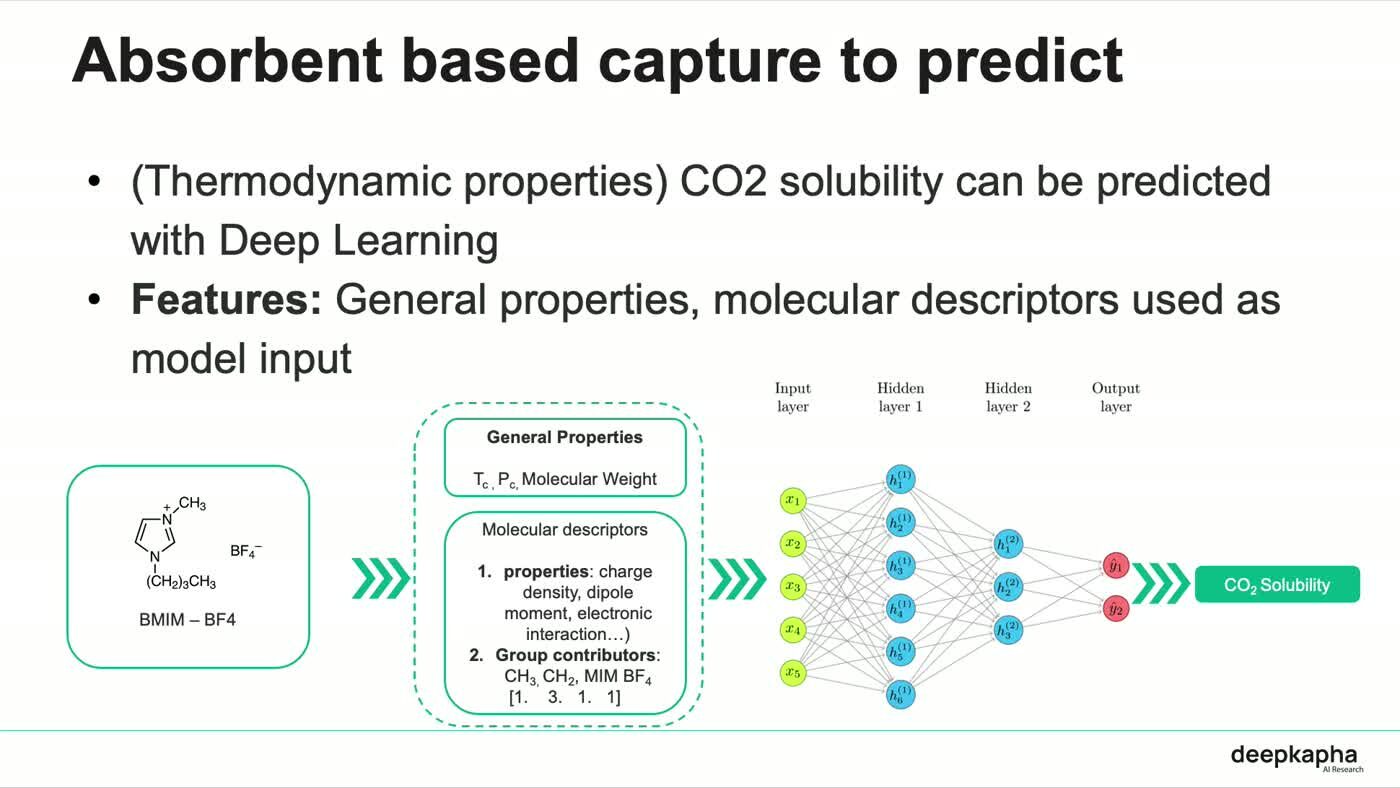
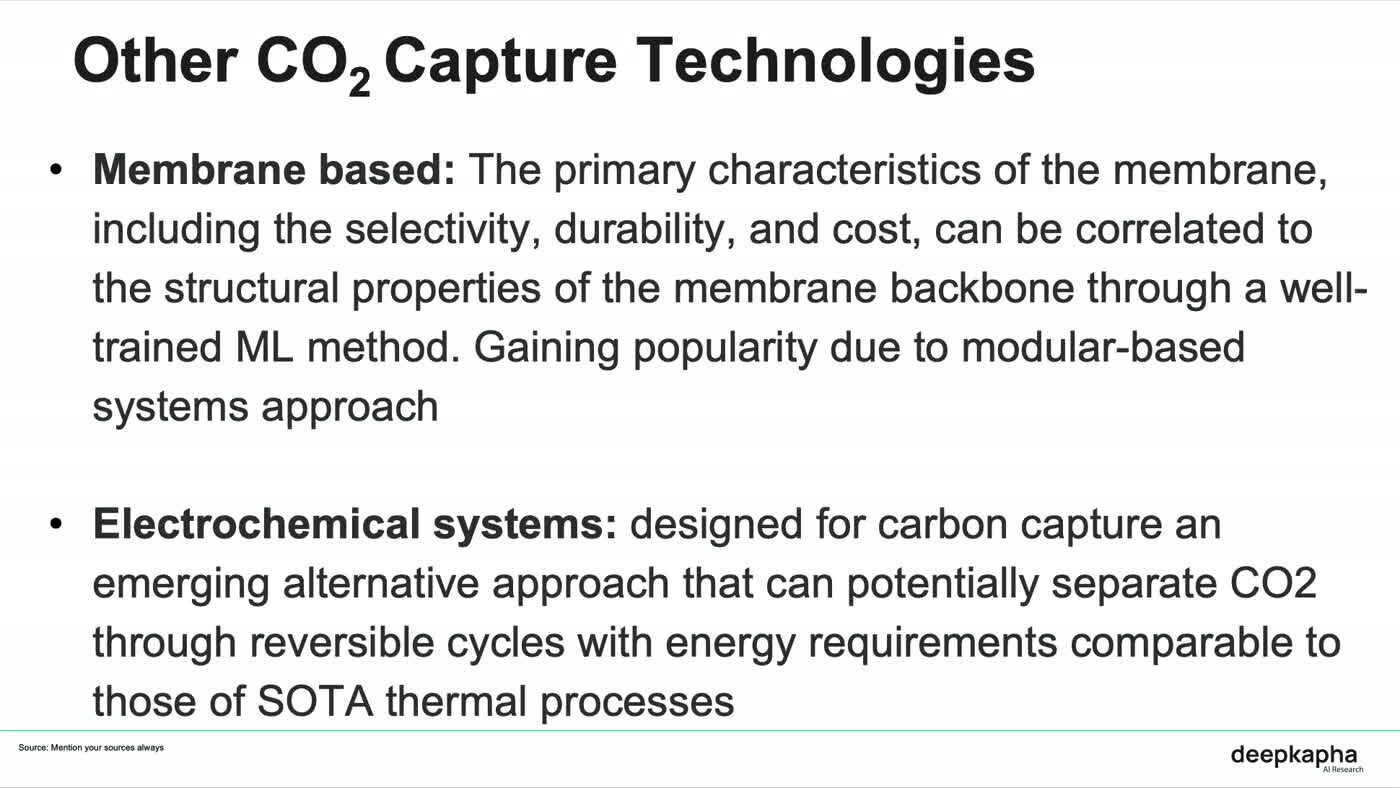
Aiming is where the models arrive. Project INERTIA takes an ionic liquid, BMIM-BF4, and predicts its CO2 solubility with a neural network. The inputs are general properties, critical temperature, critical pressure and molecular weight, together with molecular descriptors such as charge density and dipole moment, and group contributors. Two hidden layers, one output: solubility. Adsorbent-based capture is treated the same way, on the grounds that adsorption is more energy efficient and more versatile across pre-combustion, post-combustion and direct air settings. The deck also reads across to membranes, where a trained method can correlate selectivity, durability and cost to the structure of the membrane backbone, and to electrochemical systems that separate CO2 through reversible cycles.
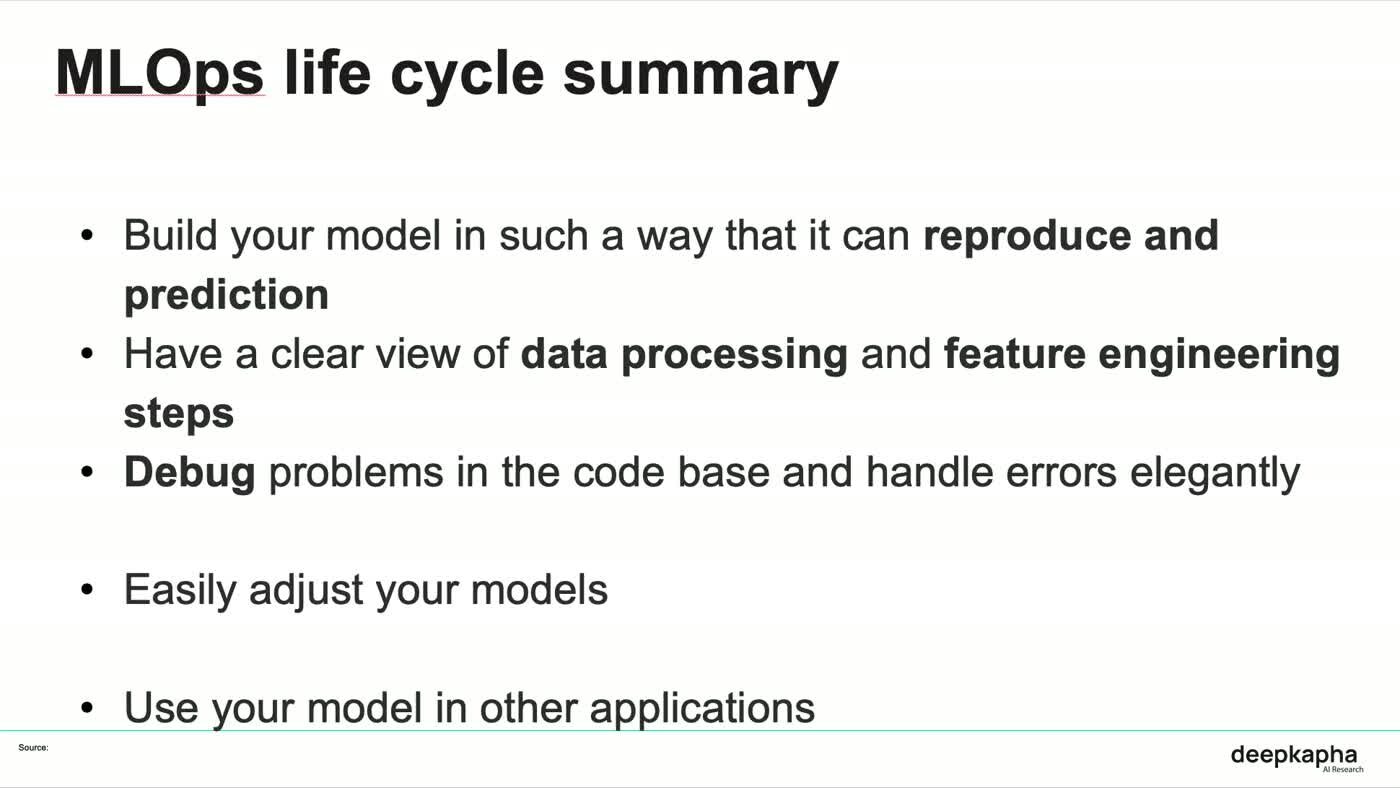
Taming is the part most conference talks leave out. A full MLOps lifecycle diagram covers training data, feature engineering, model registry, evaluation and benchmarking, CI/CD, deployment strategies and drift monitoring, with the feedback loop drawn back into training. The summary slide is plain about why: build the model so it reproduces its prediction, keep the data processing and feature engineering steps in view, debug the code base and handle errors properly, and make the model usable by other applications. The three questions set for the session in advance were all about limits. How can carbon capture be made more efficient and cheaper for the environment. What are the current constraints on the machine learning. How can AI help project developers manage energy projects over the long term.
Sixteen slides, deepkapha AI Research, presented by Tarry Singh. Not published.
Seventeen minutes forty-one seconds, recorded 25 November 2021 ahead of the session.
Fourteen minutes thirty-one seconds captured from the SEG platform on 30 November 2021.
Three questions set by the organisers before the session, on cost, on the limits of the models, and on long-term project management.
